The Whisper of the Wild: A Winter Safari Revelation
I stepped off the bush plane, and the air hit me – a potent cocktail of dry earth, sun-baked acacia, and the faint, musky scent of something ancient. The silence wasn't empty; it was alive, punctuated by the distant trumpeting of an elephant and the rustle of unseen creatures in the golden grass. This wasn't the Kenya I knew, though the allure of the savanna still tugged at my soul. This was something... more. More intimate, more untamed, and, dare I say it, even more spectacular. This winter, while many flock to familiar horizons, a select few are charting courses to destinations that are quietly, yet powerfully, redefining the safari experience. Kenya has long held the crown, but a new wave of extraordinary adventures is calling, and they're better than ever.
Beyond the Mara: Botswana's Diamond in the Rough
Botswana. The name itself conjures images of vast, untouched wilderness and exclusivity. While Kenya's Masai Mara is undeniably iconic, Botswana offers a safari experience that is, in many ways, its equal, if not its superior, in terms of raw, unadulterated wildness and luxury.
The Okavango Delta: A Watery Wonderland
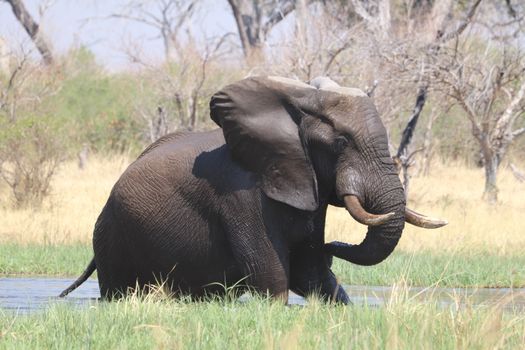
Imagine a desert transformed into a vibrant, life-giving oasis. That's the Okavango Delta, a UNESCO World Heritage site that floods annually, creating a labyrinth of channels, lagoons, and islands. This unique environment supports an incredible density and diversity of wildlife.
- Why it's better than Kenya (this winter): The seasonal flooding in the Delta creates unparalleled opportunities for mokoro (traditional dugout canoe) safaris. Gliding silently through the water, mere feet from hippos and crocodiles, or watching elephants drink at the water's edge, is an intimate experience that’s hard to replicate. While Kenya's dry season is prime for game viewing, the Delta's wet season (which often overlaps with winter in the Northern Hemisphere) brings a different kind of magic.
- Insider Tip: Opt for a fly-in safari. The remoteness of the Okavango is its greatest asset, offering a truly exclusive experience. Many lodges offer private concessions, meaning you might not see another vehicle for days.
- Pro-Tip: Visit during the "shoulder season" around November/December for fewer crowds and excellent wildlife viewing as the waters begin to rise.
Chobe National Park: The Elephant Kingdom
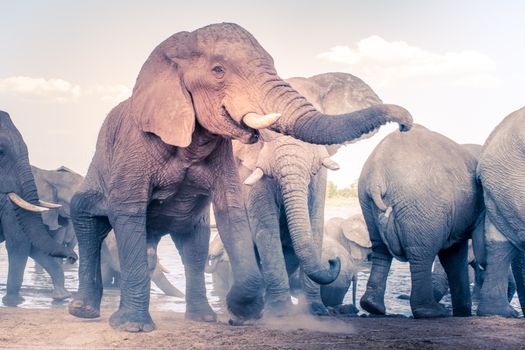
Chobe is legendary for its colossal elephant herds, often numbering in the hundreds. The Chobe Riverfront is a wildlife spectacle, especially during the dry season when animals congregate to drink.
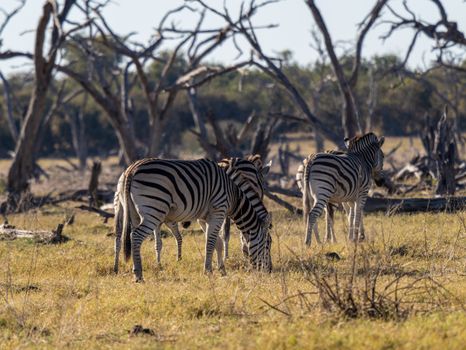
- Why it's better than Kenya (this winter): Chobe's river cruises offer a unique perspective. Imagine sipping a G&T as a parade of elephants, zebras, and antelopes comes to the water's edge, all framed by the fiery African sunset. This is a different kind of game viewing, more relaxed and incredibly photogenic.
- Pro-Tip: Take a sunset cruise on the Chobe River. It's a quintessential Botswana experience and offers incredible photographic opportunities.
- Quick Facts - Botswana:
- Estimated Cost: $$$$ (Luxury, exclusive lodges can range from $800 - $2000+ per person per night)
- Best Time to Visit: Dry season (May to October) for general game viewing; Wet season (November to April) for birding and Delta landscapes.
- How to Get There: Fly into Maun (MUB) or Kasane (BBK) International Airports. Most safaris are fly-in packages.
Namibia: Desert Adventures and Dramatic Landscapes
Namibia is a land of stark contrasts, where towering sand dunes meet the Atlantic Ocean, and ancient deserts teem with life adapted to extreme conditions. It offers a safari experience that is as much about the awe-inspiring landscapes as it is about the wildlife.
Sossusvlei & Deadvlei: The Iconic Dunes
These are the dunes you see on postcards – towering, rust-red giants that have sculpted the Namib Desert for millennia. Deadvlei, with its ancient camel thorn trees silhouetted against the stark white clay pan, is an otherworldly sight.
- Why it's better than Kenya (this winter): While Kenya offers classic savanna plains, Namibia provides a dramatic, arid landscape that feels ancient and profound. The silence here is immense, broken only by the wind and the crunch of your boots on sand. The sheer scale is humbling.
- Insider Tip: Wake up before dawn and climb Dune 45 for sunrise. The shifting colors of the sand are breathtaking.
- Pro-Tip: Hire a local guide for a 4x4 excursion into the dunes. They know the best spots and can share fascinating insights into the desert's ecology.
Etosha National Park: The Salt Pan Spectacle
Etosha is famous for its vast salt pan and the waterholes that attract an incredible concentration of wildlife, especially during the dry season. It's a more traditional safari experience but with a unique Namibian twist.
- Why it's better than Kenya (this winter): Etosha's waterholes are natural gathering points, making for incredibly reliable and often thrilling game viewing. You can sit for hours and watch lions stalk zebras, or rhinos peacefully drinking. The sheer density of animals at these spots is astounding, offering a different, more focused wildlife experience than the sprawling plains of Kenya.
- Pro-Tip: Stay at a camp on the edge of the salt pan, like Okaukuejo, which has a floodlit waterhole that provides incredible nocturnal viewing opportunities.
- Quick Facts - Namibia:
- Estimated Cost: $$ - $$$ (Self-drive is popular and budget-friendly, lodges vary from $300 - $1000+ per person per night)
- Best Time to Visit: Dry season (May to October) for waterhole viewing.
- How to Get There: Fly into Windhoek (WDH) Hosea Kutako International Airport. Car rental is highly recommended for self-drive.
Tanzania: The Serengeti's Wild Cousin and Gorilla Encounters
Tanzania is home to the Serengeti, a global safari icon. But beyond its famous plains, Tanzania offers incredible diversity, and venturing slightly off the well-trodden path can lead to even more profound experiences.
Selous Game Reserve (Nyerere National Park): The Untamed South
Larger than Denmark, Selous is one of Africa's largest game reserves and offers a wilder, more adventurous safari experience than the northern circuit. It's renowned for its boat safaris, walking safaris, and Rufiji River.
- Why it's better than Kenya (this winter): Selous offers a more diverse range of activities. Boat safaris on the Rufiji River provide intimate encounters with hippos, crocodiles, and abundant birdlife. Walking safaris with armed rangers offer a thrilling, ground-level perspective of the bush. This is a place for the intrepid explorer.
- Insider Tip: Focus on the Rufiji River for unique photographic opportunities of wildlife interacting with the water.
- Pro-Tip: Combine Selous with a visit to Ruaha National Park for an even more remote and rugged experience.
Rwanda: The Land of a Thousand Hills and Mountain Gorillas
While not a traditional "Big Five" safari, Rwanda offers an experience that is arguably more profound and life-changing: gorilla trekking.
- Why it's better than Kenya (this winter): The sheer emotional impact of coming face-to-face with a family of mountain gorillas in their natural habitat is an experience that transcends any wildlife sighting. The mist-shrouded Virunga Mountains provide a mystical backdrop, and the conservation success story is inspiring. It's a deeply spiritual and humbling encounter.
- Authenticity: The local communities are deeply involved in conservation, and the revenue generated directly benefits them. You feel a tangible connection to the people and the land.
- Pro-Tip: Book your gorilla permits well in advance, as they are limited and highly sought after.
- Quick Facts - Tanzania (Selous/Ruaha) & Rwanda (Gorillas):
- Estimated Cost: $$$ (Selous/Ruaha: $500 - $1500+ pp/night; Rwanda Gorilla Trekking: Permits $1500 pp, plus accommodation)
- Best Time to Visit: Selous/Ruaha: Dry season (June to October); Rwanda: Dry seasons (June-August, December-February) are best for trekking.
- How to Get There: Selous/Ruaha: Fly into Dar es Salaam (DAR) then a bush flight. Rwanda: Fly into Kigali (KGL).
Zimbabwe: Victoria Falls and Hwange's Wild Heart
Zimbabwe offers a powerful combination of natural wonder and incredible wildlife. It's a destination that’s often overlooked but delivers an unforgettable safari experience.
Hwange National Park: The Elephant Capital
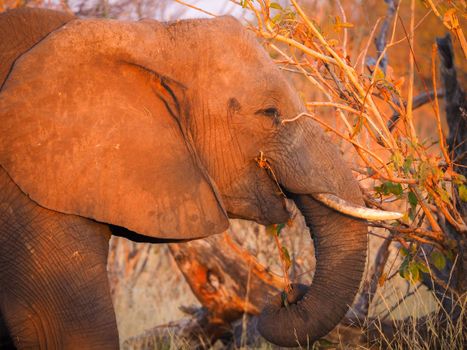
Hwange is Zimbabwe’s largest park and is renowned for its massive elephant population, particularly during the dry season when they congregate at waterholes.
- Why it's better than Kenya (this winter): Hwange offers a more wild and less commercialized safari experience. The park is known for its prolific predator sightings, including lions, leopards, and wild dogs. The sheer number of elephants is staggering, and the park's remote feel adds to its allure.
- Insider Tip: Visit during the dry season (July-October) when animals are concentrated around the limited water sources.
- Pro-Tip: Consider staying at a lodge with a private concession for a more exclusive and off-road driving experience.
Victoria Falls: The Smoke That Thunders
No trip to Zimbabwe is complete without witnessing the sheer power and majesty of Victoria Falls, one of the Seven Natural Wonders of the World.
- Why it's better than Kenya (this winter): While Kenya has its natural beauty, Victoria Falls offers a visceral, awe-inspiring spectacle of nature's raw power. The mist rising from the falls creates a unique microclimate and a constant rainbow – a truly magical sight.
- Authenticity: The sheer scale of the falls and the roar of the water are unlike anything else. Local guides can share fascinating cultural stories and historical context.
- Pro-Tip: Visit the falls at sunrise or sunset for the most dramatic light and rainbow displays. Consider a helicopter ride for a breathtaking aerial view.
- Quick Facts - Zimbabwe:
- Estimated Cost: $$ - $$$ (Hwange lodges range from $400 - $1200+ pp/night; Victoria Falls accommodation varies widely)
- Best Time to Visit: Hwange: Dry season (July to October); Victoria Falls: High flow (February to May), but beautiful year-round.
- How to Get There: Fly into Victoria Falls (VFA) or Harare (HRE) International Airport.
South Africa: Diverse Landscapes and Unrivaled Luxury
South Africa is a safari veteran, boasting world-class lodges and diverse ecosystems. While it's a popular choice, this winter, consider its lesser-known gems for an elevated experience.
Timbavati Private Nature Reserve: The Leopard Haven
Adjacent to the Kruger National Park, Timbavati is part of the Greater Kruger ecosystem but offers a more exclusive and intimate safari experience. It's particularly famous for its high leopard population.
- Why it's better than Kenya (this winter): Timbavati offers incredible leopard sightings. The private nature of the reserve means off-road driving is permitted, allowing for closer encounters with these elusive cats. The lodges here are often at the pinnacle of luxury, offering exceptional service and guiding.
- Insider Tip: Request a tracker who specializes in leopards for the best chances of spotting them.
- Pro-Tip: Many lodges in Timbavati offer night drives, which are crucial for spotting nocturnal animals like leopards and civets.
Madikwe Game Reserve: A Malaria-Free Paradise
Located in the North West Province, Madikwe is a malaria-free reserve, making it an ideal choice for families or those concerned about malaria. It's a success story of land rehabilitation and conservation.
- Why it's better than Kenya (this winter): Madikwe offers a superb Big Five experience in a malaria-free environment. The landscape is beautiful, and the lodges are known for their excellent guiding and family-friendly atmosphere. It’s a fantastic alternative to the more popular, and sometimes crowded, Kruger.
- Authenticity: The reserve is a testament to successful conservation efforts, turning a degraded area into a thriving wildlife sanctuary.
- Pro-Tip: Madikwe is known for its wild dog sightings. Ask your guide about recent sightings.
- Quick Facts - South Africa (Timbavati/Madikwe):
- Estimated Cost: $$$ (Lodges range from $500 - $1500+ pp/night)
- Best Time to Visit: Year-round, but dry season (May to October) offers better game viewing.
- How to Get There: Fly into Johannesburg (JNB) and take a short charter flight or a scenic drive.
The Verdict: Your Next Unforgettable Safari
Kenya remains a magical destination, but this winter, the allure of the less-trodden path beckons. From the waterlogged wonders of Botswana to the dramatic dunes of Namibia, the primal power of Zimbabwe, and the exclusive leopard encounters in South Africa, these destinations offer a richer, more intimate, and often more exclusive safari experience. They are not just alternatives; they are revelations, waiting to etch themselves into your memory with the scent of wild sage, the roar of a lion, and the profound silence of an ancient land.