Beyond the Postcard: 7 Religious Festivals You Need to Experience Before You Die
There’s a moment in every traveler’s journey when the ordinary fades, and the truly extraordinary takes over. For me, that moment often arrives amidst the thunderous drums, the vibrant colors, and the collective fervor of a religious festival. It’s not just a spectacle; it’s an immersion. It’s feeling the pulse of a culture, understanding a devotion that transcends language, and realizing just how interconnected our human experience truly is.
I remember standing in the swirling chaos of Holi in Pushkar, India, covered head-to-toe in brilliant fuchsia and electric blue powder. Laughter erupted around me, strangers embraced, and for a few blissful hours, every barrier – cultural, linguistic, personal – simply dissolved. It was pure, unadulterated joy, a spiritual awakening disguised as a party. That day, I didn’t just see a festival; I became part of it. And that, my friends, is the magic I want to share with you.
Religious festivals are often misunderstood by outsiders, sometimes seen as exclusive or intimidating. But I’m here to tell you that many of the world’s most profound and visually stunning celebrations are not only open to foreigners but actively welcome them. They offer a unique window into the soul of a nation, a chance to participate in something ancient and deeply meaningful.
So, pack your bags, open your heart, and prepare for some of the most transformative travel experiences of your life. Here are seven religious festivals open to foreigners that you absolutely need to experience before you die.
---
1. Holi: The Festival of Colors – India
What it is:
Holi, primarily celebrated in India and Nepal, marks the arrival of spring, the triumph of good over evil, and the spreading of joy and love. It's an ancient Hindu festival known globally for its iconic throwing of vibrant colored powders (gulal) and water.
Why it's unique for foreigners:
Holi is arguably one of the most accessible and outwardly joyous religious festivals for foreigners. There’s no complex ritual to learn, just an open invitation to join the fun. The spirit of unity and letting go is palpable, making it incredibly easy to connect with locals. It's a sensory explosion that will leave you grinning from ear to ear.
My Anecdote:
My first Holi was in Pushkar, Rajasthan. The main square transformed into a kaleidoscopic mosh pit, pulsing with music and laughter. A local woman, seeing me hesitate at the edge, grabbed my hand, smeared my face with green powder, and pulled me into the dancing crowd. "Happy Holi!" she beamed. In that moment, surrounded by strangers who felt like family, I understood the true meaning of connection. It was liberating, exhilarating, and utterly unforgettable.
Practical Tips:
* When to go: Usually in March, on the full moon day (Phalgun Purnima). Dates vary annually.
* Where to experience it: Vrindavan, Mathura, Pushkar, and Jaipur are famous for their vibrant celebrations. Goa offers beach parties, while Delhi has organized events.
* Dress Code: Wear old clothes you don't mind getting permanently stained – white is traditional for maximum color contrast! Protect your eyes with sunglasses and hair with a cap or oil.
* Safety: Be aware of your surroundings, especially in crowded areas. Some areas can get rowdy. Stick to well-known public celebrations. Avoid celebrating alone, especially as a woman, and be firm if approached inappropriately.
* Cost: Minimal. The main cost will be travel and accommodation. Powders are cheap.
* Instagram-Worthy Moment: A wide-angle shot of a crowd throwing colors simultaneously, or a close-up selfie with your face covered in multiple hues.
---
2. Día de los Muertos (Day of the Dead) – Mexico
What it is:
Far from a morbid affair, Mexico’s Día de los Muertos is a vibrant, heartfelt celebration where families honor and remember their deceased loved ones. It's believed that on this night, the veil between worlds thins, allowing spirits to visit their living relatives. It's a UNESCO-recognized tradition blending indigenous Mesoamerican beliefs with Catholic teachings.
Why it's unique for foreigners:
This festival offers a profound and beautiful perspective on death, transforming grief into remembrance and celebration. Foreigners are welcomed to observe, and often participate, in the creation of elaborate altars (ofrendas), visit cemeteries, and witness parades of skeletons and marigolds. It's deeply spiritual yet incredibly festive.
My Anecdote:
I spent Día de los Muertos in Oaxaca, a city renowned for its celebrations. Walking through the Panteón General cemetery at night was surreal. Families sat by candlelit graves adorned with marigolds, picnicking, playing music, and sharing stories. A young girl offered me a piece of pan de muerto (bread of the dead) and explained the significance of the sugar skulls on her family's altar. It wasn't sad; it was full of love, a powerful testament to enduring family bonds. It completely shifted my own perception of death.
Practical Tips:
* When to go: October 31st to November 2nd. The peak is typically November 1st and 2nd.
* Where to experience it: Oaxaca, Patzcuaro, Janitzio, and Mexico City are famous for their distinct celebrations. Oaxaca is particularly known for its vibrant street parades and elaborate altars.
* Dress Code: While not strictly a dress code, many locals paint their faces as calaveras (skeletons). You can find artists offering face painting. Be respectful when visiting cemeteries; dress modestly.
* Safety: Generally very safe and family-friendly. Crowds can be large, so watch your belongings.
* Cost: Moderate. Flights and accommodation during this popular period can be pricey if not booked in advance. Food and local crafts are generally affordable.
* Instagram-Worthy Moment: A stunning ofrenda laden with marigolds, candles, and photos, or a portrait of someone with intricate calavera face paint.
---
3. Songkran: The Water Festival – Thailand
What it is:
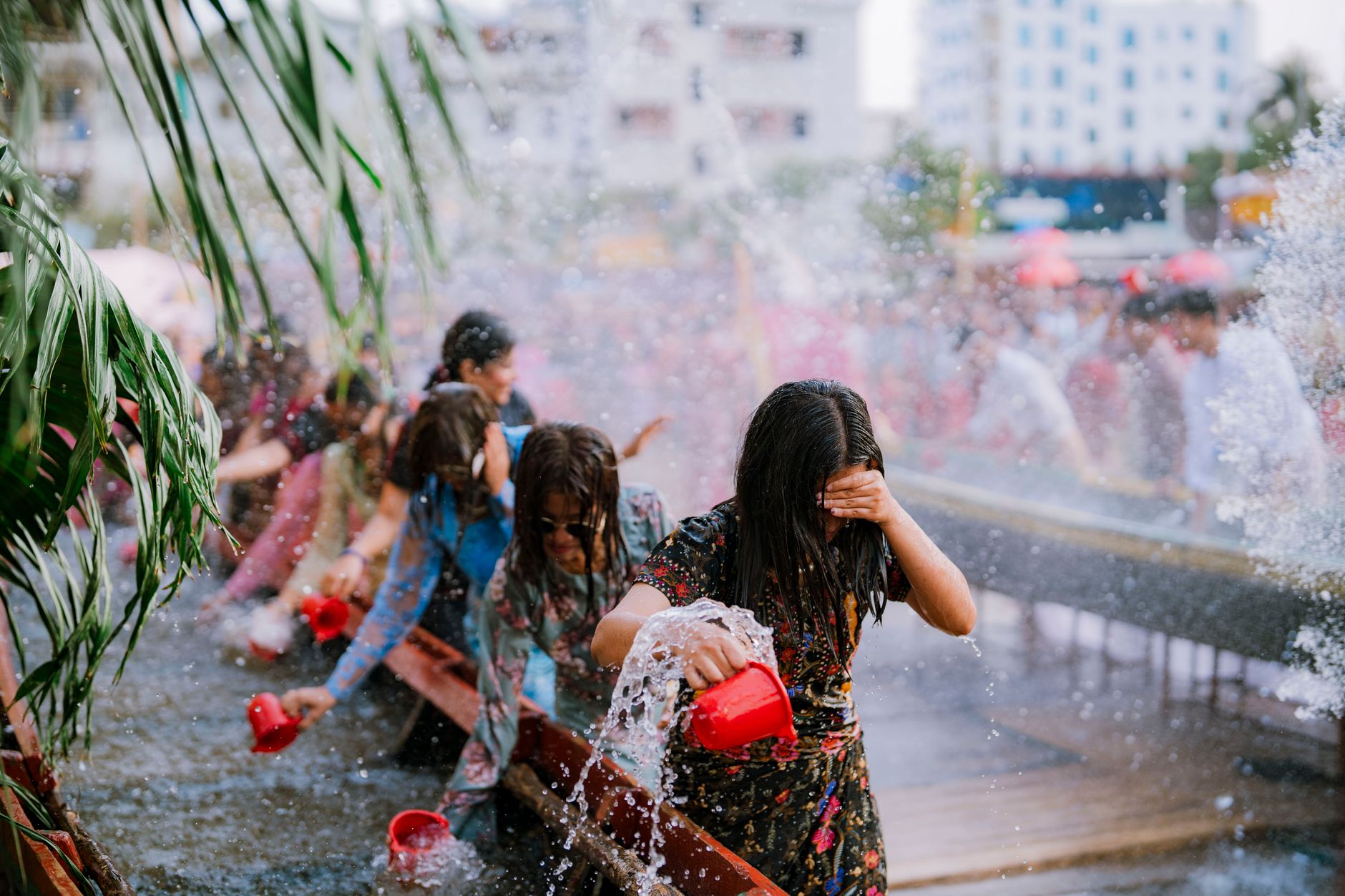
Songkran is the traditional Thai New Year's national holiday, celebrated with a massive, country-wide water fight. While it sounds like pure fun (and it is!), the water throwing is symbolic – washing away bad luck and sins from the past year to start fresh. It's deeply rooted in Buddhist traditions, involving temple visits and respectful rituals before the playful chaos.
Why it's unique for foreigners:
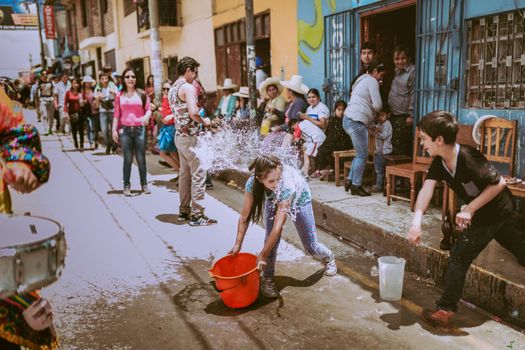
Songkran offers an unparalleled blend of cultural immersion and pure, unadulterated fun. It's one of the few festivals where you're not just an observer but an active participant, welcomed (and expected!) to get absolutely soaked. It’s a truly joyful and communal experience that bridges cultural divides with laughter.
My Anecdote:
My first Songkran was in Chiang Mai. I’d heard about the water fights, but nothing prepared me for the sheer scale. Armed with a super soaker, I joined locals and other travelers on the streets, dodging buckets of water from pickup trucks and getting blasted by hoses from storefronts. The heat was intense, but the constant drenching was exhilarating. Later, I visited a temple where locals poured scented water over Buddha statues, a moment of peaceful reflection amidst the joyous mayhem. It perfectly encapsulated the festival's dual nature: sacred and playful.
Practical Tips:
* When to go: April 13th to 15th, though celebrations can extend a few days before and after. Be prepared for extreme heat.
* Where to experience it: Chiang Mai (the moat area), Bangkok (Khao San Road, Silom), and Phuket (Patong Beach) are famous for their vibrant water fights.
* Dress Code: Light, quick-drying clothing. Protect electronics with waterproof bags. Goggles can be helpful.
* Safety: Be mindful of traffic, as roads can be chaotic. Avoid throwing water at monks or elderly people. Stay hydrated.
* Cost: Moderate. Flights and accommodation can be higher during this peak season. Water guns and waterproof bags are cheap.
* Instagram-Worthy Moment: A slow-motion video of water balloons exploding, or a group selfie with everyone drenched and smiling.
---
4. Esala Perahera: The Festival of the Tooth – Sri Lanka
What it is:
The Esala Perahera in Kandy, Sri Lanka, is one of Asia's oldest and most spectacular Buddhist festivals. For ten nights, a grand procession featuring hundreds of elaborately decorated elephants, traditional dancers, drummers, fire-eaters, and acrobats parades through the city streets. The highlight is the sacred tooth relic of Lord Buddha, carried in a golden casket on the back of the Maligawa Tusker, the temple's largest elephant.
Why it's unique for foreigners:
This festival is a breathtaking display of ancient tradition, deep devotion, and stunning artistry. It offers a rare glimpse into Sri Lankan Buddhist culture and history, a truly immersive experience that feels like stepping back in time. The sheer scale and pageantry are unlike anything else.
My Anecdote:
I secured a spot on a rented balcony overlooking the procession route in Kandy. As the rhythmic drumming began, a hush fell over the crowd. Then, the first elephant, adorned in vibrant silks and twinkling lights, emerged from the darkness. Its slow, majestic gait, followed by a mesmerizing stream of performers, sent shivers down my spine. When the Maligawa Tusker, carrying the sacred relic, finally passed, a wave of reverence swept through the onlookers. It was a powerful, almost spiritual, encounter with a living tradition.
Practical Tips:
* When to go: July or August, depending on the lunar calendar. Dates vary annually. Book well in advance!
* Where to experience it: Kandy, Sri Lanka.
* Dress Code: Dress modestly, especially when visiting the Temple of the Tooth. Shoulders and knees should be covered.
* Safety: Crowds are immense. If booking a seat, ensure it's reputable. Stay hydrated and bring snacks.
* Cost: Moderate to high. Accommodation and pre-booked seating for the parade can be expensive. Flights to Sri Lanka can also be a factor.
* Instagram-Worthy Moment: A wide shot of the illuminated procession winding through the streets at night, or a close-up of an elaborately adorned elephant.
---
5. Semana Santa: Holy Week – Spain
What it is:
Semana Santa (Holy Week) is the annual commemoration of the Passion of Jesus Christ, observed during the week leading up to Easter. In Spain, particularly in Andalusia, it's celebrated with elaborate, somber processions organized by religious brotherhoods (cofradías). Hooded penitents carry massive, ornate floats (pasos) depicting scenes from the Passion, accompanied by solemn music and the scent of incense.
Why it's unique for foreigners:
While deeply religious, Semana Santa is also a profound cultural event. It’s a chance to witness centuries-old traditions, feel the palpable emotion of devotion, and experience a side of Spanish culture that goes beyond tapas and flamenco. The atmosphere is intensely moving, a blend of solemnity, spectacle, and communal faith.
My Anecdote:
I experienced Semana Santa in Seville, often considered the epicenter of the celebrations. Standing in the narrow streets, surrounded by hushed crowds, as a paso slowly swayed past, illuminated by candlelight, was incredibly powerful. The mournful trumpets and drums, the shuffling feet of the costaleros (float bearers) hidden beneath the heavy float, and the intense devotion on the faces of the penitents created an atmosphere of profound respect and contemplation. It was a stark contrast to the joyful festivals, yet equally impactful.
Practical Tips:
* When to go: The week leading up to Easter Sunday (March or April). Book accommodation months in advance.
* Where to experience it: Seville, Málaga, Granada, and Valladolid are renowned for their impressive processions. Seville is perhaps the most famous.
* Dress Code: Respectful attire is recommended. While not strictly enforced for spectators, avoid overly casual or revealing clothing.
* Safety: Crowds can be extremely dense, especially in Seville. Be prepared for long waits and limited movement. Watch your belongings.
* Cost: Moderate to high. Accommodation and flights during this peak period are expensive. Food and drink are generally affordable.
* Instagram-Worthy Moment: A dramatic shot of a candlelit paso turning a corner in a narrow street, or a close-up of the intricate embroidery on the penitent robes.
---
6. Gion Matsuri: The Festival of Floats – Japan
What it is:
Gion Matsuri is Kyoto's most famous and spectacular festival, dating back over a thousand years. Originally a purification ritual to appease the gods during a plague, it's now a month-long celebration culminating in two grand parades (Yamaboko Junko) of massive, elaborately decorated floats (yamaboko). These floats, some weighing up to 12 tons, are like portable museums, adorned with ancient tapestries and intricate carvings.
Why it's unique for foreigners:
This festival offers a deep dive into traditional Japanese culture, showcasing incredible craftsmanship, ancient rituals, and a sense of community pride. It’s a chance to witness living history unfold on the streets of one of Japan's most iconic cities. The meticulous detail and sheer scale of the floats are breathtaking.
My Anecdote:
I arrived in Kyoto a few days before the main parade, allowing me to witness the "Yoiyama" evenings. During these evenings, the floats are displayed on the streets, beautifully lit by lanterns, and local families open their traditional homes (machiya) to showcase their family heirlooms. I was invited into a small machiya by an elderly couple who proudly showed me their antique kimono and offered me green tea. It was a rare, intimate glimpse into Japanese hospitality and history, made even more special by the buzzing energy of the festival just outside their door.
Practical Tips:
* When to go: Throughout July, with the main parades on July 17th (Saki Matsuri) and July 24th (Ato Matsuri). The Yoiyama evenings (July 14-16) are also highly recommended.
* Where to experience it: Kyoto, Japan.
* Dress Code: No specific dress code for spectators, but respectful attire is always appreciated in Japan. Comfortable shoes are essential for walking.
* Safety: Japan is very safe. Crowds are large, so be mindful of personal space. Follow local instructions.
* Cost: High. Japan is generally expensive, and accommodation in Kyoto during Gion Matsuri books up quickly and can be pricey. Public transport is excellent.
* Instagram-Worthy Moment: A majestic yamaboko float being pulled through the streets, or a detailed shot of the intricate tapestries and carvings on the floats.
---
7. Loy Krathong & Yi Peng: The Festival of Lights – Thailand
What it is:
Often celebrated concurrently, Loy Krathong and Yi Peng are two distinct but equally enchanting festivals of light in Thailand. Loy Krathong involves releasing small, lotus-shaped rafts (krathongs) adorned with candles, incense, and flowers onto rivers and lakes, symbolizing letting go of negativity. Yi Peng, unique to Northern Thailand, sees thousands of Lanna-style sky lanterns (khom loi) released into the night sky, carrying wishes and prayers upwards.
Why it's unique for foreigners:
These festivals are utterly magical and deeply spiritual. The sight of thousands of lights floating on water and ascending into the sky creates an atmosphere of profound beauty and collective hope. Foreigners are encouraged to participate in releasing both krathongs and lanterns, making it a truly immersive and unforgettable experience.
My Anecdote:
My trip to Chiang Mai coincided with Loy Krathong and Yi Peng. I bought a simple krathong from a street vendor and walked down to the Ping River. As I gently pushed my floating offering into the water, surrounded by hundreds of other shimmering lights, a sense of peace washed over me. Later that night, at a designated release area, watching thousands of lanterns drift silently into the star-studded sky was one of the most breathtaking sights I’ve ever witnessed. It felt like the entire city was breathing a collective wish, a moment of pure, luminous hope.
Practical Tips:
* When to go: Usually in November, on the full moon of the 12th month in the traditional Thai lunar calendar. Dates vary annually.
* Where to experience it: Chiang Mai is the most famous for Yi Peng. Bangkok, Sukhothai, and Ayutthaya also have beautiful Loy Krathong celebrations.
* Dress Code: Respectful attire, especially if visiting temples. Modest clothing is always appropriate.
* Safety: Follow guidelines for lantern release (only at designated areas) to prevent fires. Be mindful of crowds.
* Cost: Moderate. Flights and accommodation during this popular period can be pricey. Krathongs and lanterns are very affordable.
* Instagram-Worthy Moment: A stunning wide shot of thousands of lanterns ascending into the night sky, or a close-up of a beautifully decorated krathong floating on the water.
---
General Practical Tips for Attending Religious Festivals Abroad:
- Do Your Research: Understand the festival’s significance, local customs, and any specific etiquette.
- Book Ahead: Accommodation and transport can be scarce and expensive during peak festival times. Book flights and hotels months in advance.
- Dress Respectfully: When in doubt, err on the side of modesty, especially if visiting temples or sacred sites. Carry a scarf to cover shoulders or head if needed.
- Be Open and Respectful: Embrace the local traditions, even if they differ from your own. Ask for permission before taking photos, especially of people.
- Stay Hydrated & Safe: Festivals often involve large crowds, long hours, and sometimes intense weather. Carry water, protect yourself from the sun, and keep an eye on your belongings.
- Learn Basic Phrases: "Hello," "thank you," and "excuse me" in the local language go a long way in showing respect and fostering connection.
- Embrace the Unexpected: Festivals are dynamic. Go with the flow, be patient, and be prepared for things not to go exactly as planned. That's part of the adventure!
- Hire a Local Guide (Optional but Recommended): For a deeper understanding and smoother navigation, especially in complex festivals, a local guide can be invaluable.
- Protect Your Electronics: Especially for water festivals or dusty environments, invest in waterproof bags or covers.
---
Ready to Ignite Your Wanderlust?
These festivals are more than just events; they are profound journeys into the heart of human culture and spirituality. They challenge your perceptions, fill you with awe, and leave an indelible mark on your soul. From the vibrant chaos of Holi to the silent ascent of Yi Peng lanterns, each experience is a testament to the power of shared belief and communal celebration.
So, which festival will you choose for your next adventure? Don't just dream about it – start planning! These are the moments that truly make a life well-traveled.
Which of these incredible festivals is calling your name? Share your thoughts in the comments below, or better yet, share this post with your travel buddies and start planning your next epic journey!
---