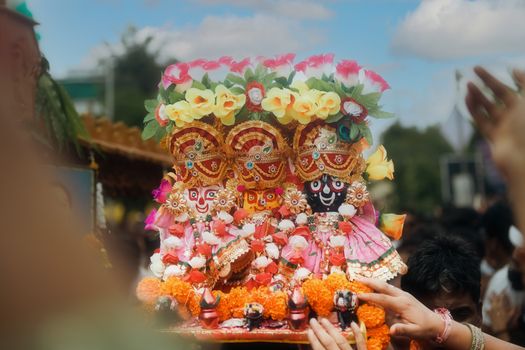
October 2025: Your Passport to the World's Most Soul-Stirring Religious Festivals
I remember it like yesterday: standing on the banks of the Ganges in Varanasi, India, during Diwali. The air was thick with the scent of incense and marigolds, the distant crackle of fireworks punctuating the rhythmic chants. Thousands of tiny clay lamps (diyas) floated on the sacred river, each a silent prayer, a beacon of hope. The entire city, from ancient temples to humble homes, glowed with an ethereal light, reflecting not just off the water but off the faces of everyone around me – locals and travelers alike, all united in a shared moment of breathtaking beauty. It wasn't just a festival; it was an awakening, a powerful reminder of humanity's enduring spirit and the universal language of faith.
That experience solidified something for me: there’s no deeper way to understand a culture than by participating in its sacred celebrations. These aren't just tourist spectacles; they are living traditions, vibrant expressions of belief, community, and history. And October 2025 is shaping up to be an exceptionally rich month for such profound encounters.
If you're ready to move beyond the usual sightseeing and dive into experiences that will genuinely transform your perspective, then pack your bags. Tripsora is here to guide you through some of the most captivating religious festivals around the globe that welcome curious, respectful foreigners in October 2025. Get ready to bookmark this page, because your next unforgettable adventure starts now!
1. Diwali: India's Grand Spectacle of Lights (October 20, 2025)
What it is:
Diwali, the Hindu Festival of Lights, is arguably the most significant and widely celebrated festival in India, and by Hindus globally. It symbolizes the triumph of light over darkness, good over evil, and knowledge over ignorance. While the core message is universal, its specific legends vary by region – from celebrating Lord Rama's return to Ayodhya to honoring the goddess Lakshmi, who brings wealth and prosperity. It's a five-day extravaganza, with the main celebrations falling on October 20, 2025.
Where to experience it:
While Diwali is celebrated across India, some places offer particularly magical experiences:
* Varanasi, Uttar Pradesh: Witness thousands of diyas floating on the Ganges during the Ganga Aarti ceremony, an unforgettable sight. The city comes alive with prayers, fireworks, and a palpable spiritual energy.
* Jaipur, Rajasthan: Known as the "Pink City," Jaipur is illuminated spectacularly. Its markets (especially Johari Bazaar) are adorned with lights, and the atmosphere is incredibly festive.
* Amritsar, Punjab: The Golden Temple complex is breathtaking during Diwali, with countless lamps and fireworks reflecting off the sacred sarovar (pool). It's a different, yet equally profound, experience compared to the Hindu celebrations elsewhere.
* Nepal, Singapore, Malaysia: These countries also have significant Hindu populations and vibrant Diwali celebrations.
What to expect:
Imagine entire cities twinkling with millions of lights – strings of electric bulbs, flickering clay lamps, and vibrant lanterns. Families gather, exchange gifts, share sweets (mithai), and light fireworks. Homes are meticulously cleaned and decorated, and intricate rangoli (colorful patterns) adorn doorsteps. You'll hear devotional songs, smell incense and delicious food, and feel an overwhelming sense of joy and community.
My Anecdote:
My first Diwali in Delhi was a sensory explosion. I remember being invited into a local family's home for Lakshmi Puja. The gentle rhythmic chanting, the aroma of fresh flowers and burning oil lamps, the sheer warmth of their welcome – it wasn't just observing a ritual; it was being embraced by a family's faith. Later, watching the sky explode with fireworks from a rooftop, surrounded by new friends, I felt a deep connection to something ancient and profoundly beautiful. It’s impossible not to feel the magic.
Tips for Travelers:
* Dress: Modest, comfortable clothing is advisable. Traditional Indian attire like a kurta for men or a salwar kameez for women is appreciated and readily available.
* Participation: Accept invitations to family gatherings if offered – it's a huge honor and a fantastic way to experience authentic Diwali. You might be asked to help light diyas or participate in small rituals.
* Photography: Be respectful. Ask permission before photographing individuals, especially during private family moments.
* Bookings: Accommodation and train/flight tickets get booked up months in advance and prices skyrocket. Plan at least 6-9 months ahead.
* Food: Indulge in the sweets! But also be mindful of street food hygiene.
2. Thadingyut Festival: Myanmar's Luminous Skies (October 6-8, 2025)
What it is:
Thadingyut, also known as the Lighting Festival, marks the end of Vassa (the Buddhist rainy season retreat). It commemorates the Buddha's descent from the Tavatimsa heaven after preaching the Abhidhamma to his mother. It's a time of immense spiritual significance, gratitude, and paying respects. The festival usually spans three days, with the main celebrations falling around October 6-8, 2025.
Where to experience it:
Thadingyut is celebrated nationwide in Myanmar, but some cities offer particularly stunning vistas:
* Yangon: The Shwedagon Pagoda glows with thousands of lights, and the city's streets are filled with illuminations and lively performances.
* Mandalay: Known for its ancient pagodas and monasteries, Mandalay offers a more traditional and serene experience of the festival.
* Inle Lake: Imagine thousands of candles and lanterns reflected on the still waters of the lake, with the unique leg-rowing fishermen moving gracefully through the illuminated scene. It’s incredibly picturesque.
What to expect:
Cities and towns transform into glittering landscapes. Homes, streets, and pagodas are adorned with candles, paper lanterns, and electric lights. People make offerings to monks, visit pagodas, and pay respects to elders, teachers, and parents, often giving small gifts. Fire balloon competitions are common in some regions, adding to the visual spectacle. The atmosphere is generally peaceful, reverent, and incredibly beautiful.
My Anecdote:
I was at Inle Lake during Thadingyut once, and the sight was straight out of a dream. Hundreds of small boats, each carrying families, gently floated across the lake, releasing paper lanterns into the night sky. The soft glow of the lanterns mingled with the reflections of countless candles on the water, creating a mirror image of the heavens. It wasn't just beautiful; it was profoundly moving, a silent symphony of light and devotion that made me feel incredibly small yet connected to something vast and ancient.
Tips for Travelers:
* Dress: Always dress modestly, especially when visiting pagodas or religious sites. Shoulders and knees should be covered. Remove shoes before entering pagodas.
* Etiquette: Be respectful during prayers and ceremonies. Avoid pointing your feet at Buddha images or people.
* Photography: Be discreet, especially inside pagodas. Always ask for permission before photographing individuals.
* Local Culture: Take the opportunity to try local festival foods and engage with the friendly Burmese people.
* Transport/Accommodation: Like Diwali, this is a peak travel time. Book flights, buses, and hotels well in advance.
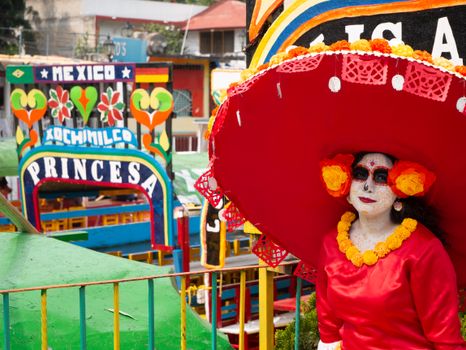
3. Día de los Muertos: Mexico's Celebration of Life Beyond Death (October 31 - November 2, 2025)
What it is:
Día de los Muertos, or Day of the Dead, is a vibrant and deeply meaningful Mexican holiday where families welcome back the souls of their deceased loved ones for a joyful reunion. Far from being a somber occasion, it's a celebration of life, memory, and the enduring bond between the living and the dead. While the official dates are November 1st and 2nd, the preparations and celebrations begin in late October.
Where to experience it:
* Oaxaca City: Renowned for its elaborate altars (ofrendas), vibrant parades (comparsas), and lively night vigils in cemeteries. The city truly comes alive.
* Mexico City: The capital hosts a spectacular grand parade (often the weekend before Nov 1), art installations, and numerous events across its neighborhoods.
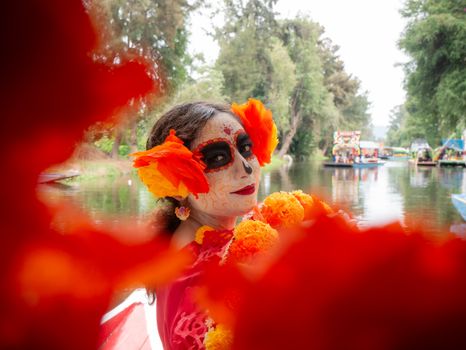
* Pátzcuaro, Michoacán: This region, particularly the island of Janitzio on Lake Pátzcuaro, offers a more traditional and intimate experience, with indigenous communities honoring their ancestors with candlelit vigils and special offerings.
What to expect:
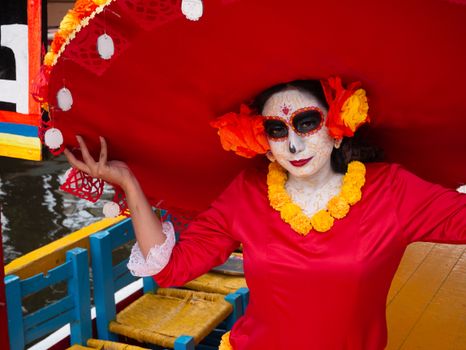
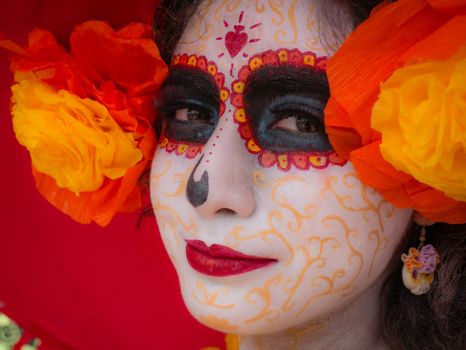
Imagine streets bursting with color: bright orange marigolds (cempasúchil), intricate papel picado (perforated paper banners), and whimsical calaveras (sugar skulls). You'll see beautifully adorned altars, laden with offerings of food (like pan de muerto), drinks, photos, and personal items for the returning spirits. Parades feature people dressed as elegant Catrinas (skeletons), musicians, and dancers. Cemeteries become places of joyous gathering, with families sharing meals, music, and stories beside their loved ones' graves.
My Anecdote:
My first Día de los Muertos was in Oaxaca, and I was utterly captivated. I'd expected something somber, but what I found was an explosion of joy and remembrance. Walking through a cemetery at night, lit by thousands of candles, families picnicking, mariachis playing – it was profoundly moving. I saw a little girl carefully placing her grandfather's favorite toy car on his grave, a tear in her eye, but also a smile. It taught me that grief doesn't have to be without joy, and that love truly transcends death.
Tips for Travelers:
* Learn the Symbolism: Understanding the meaning behind the altars, the marigolds, and the offerings will deepen your experience.
* Respect Cemeteries: If visiting cemeteries, be respectful of families and their private moments of remembrance. Ask permission before photographing people or their altars.
* Participate: Join a parade, try the pan de muerto, get your face painted as a calavera.
* Book Early: This is a hugely popular festival. Secure flights and accommodation months in advance, especially for Oaxaca and Pátzcuaro.
* Photography: While many events are public, always be mindful and respectful.
4. Sukkot: Israel's Festival of Booths (October 17-24, 2025)
What it is:
Sukkot, the Jewish Festival of Booths or Tabernacles, is a biblical harvest festival with deep historical and spiritual significance. It commemorates the 40 years the Israelites wandered in the desert after the Exodus, living in temporary shelters (sukkahs). It's a joyous time of thanksgiving for the harvest and a powerful reminder of divine protection and faith. The festival lasts seven days, with the main celebrations from October 17-24, 2025.
Where to experience it:
* Jerusalem: The Old City and its surrounding neighborhoods come alive with sukkahs. Walking through the Jewish Quarter, you'll see these temporary dwellings built on balconies, in courtyards, and on rooftops.
* Tel Aviv: While more secular, Tel Aviv also sees many sukkahs pop up, particularly in religious neighborhoods and outside synagogues.
* Across Israel: You'll find sukkahs in nearly every town and city, often decorated with fruits, vegetables, and homemade ornaments.
What to expect:
The most striking visual aspect of Sukkot is the sukkah itself – a temporary, hut-like structure with a roof made of natural materials (like palm fronds) through which you can see the sky. Families eat, entertain guests, and sometimes even sleep in their sukkahs for the duration of the festival. You'll see people carrying the "Four Species" (lulav, etrog, myrtle, and willow) to synagogues for special prayers. The atmosphere is festive and communal, with an emphasis on hospitality and gratitude.
My Anecdote:
I was in Jerusalem during Sukkot, and it was fascinating to see the city transform. Every available space seemed to sprout a sukkah, from elaborate structures in hotel courtyards to simple ones tucked onto tiny balconies. I was invited by a local family to share a meal in their sukkah – a simple yet profound experience. Sitting under the temporary roof, sharing food and conversation, I felt a strong sense of tradition and community, a connection to an ancient story still being lived out today. It was a beautiful lesson in humility and faith.
Tips for Travelers:
* Respect Sabbath/Holidays: During Sukkot (and the preceding Yom Kippur), many businesses, public transport, and services will be closed or limited. Plan your travel and activities accordingly.
* Dress: Modest attire is always recommended in Israel, especially in religious areas like Jerusalem.
* Sukkah Invitations: If you're invited into a sukkah, consider it a special honor. It's customary to bring a small gift, like sweets or flowers.
* Photography: Be mindful of religious observances and ask permission before photographing people, especially during prayers or inside sukkahs.
* Food: Enjoy the festive meals, which often include traditional dishes and fresh produce from the harvest.
5. Beyond the Big Names: Discovering Local Festivities
While the major festivals offer grand spectacles, October is also ripe for discovering smaller, equally authentic religious and culturally-rooted celebrations. These often provide a more intimate and less touristy experience.
- Feast of St. Francis of Assisi (October 4, 2025 - Assisi, Italy): This day honors the patron saint of animals and the environment. Assisi, his birthplace, becomes a focal point for pilgrims. Expect special masses, blessings of animals, and a profound sense of devotion. It's a quieter, more reflective experience than a grand festival, but deeply spiritual.
- Our Lady of the Rosary (October 7, 2025 - Various Catholic Countries): Celebrated in Catholic communities worldwide, this feast day commemorates the victory of the Christian fleet in the Battle of Lepanto, attributed to the intercession of the Virgin Mary. You might find special processions, rosary prayers, and church services, particularly vibrant in places like Spain, Portugal, and parts of Latin America.
- Harvest Festivals with Religious Roots (Various Locations): Many cultures have harvest festivals that intertwine with religious thanksgiving. While Oktoberfest in Germany typically wraps up in early October, smaller, more local wine and harvest festivals continue across Europe (France, Italy, Austria). These often begin with a church service or blessing, followed by communal feasts, music, and traditional dances, celebrating bounty and blessings.
My Anecdote:
Once, while road-tripping through rural Sicily in early October, I stumbled upon a small village celebrating its patron saint's day. There were no grand parades, just a simple procession carrying a statue through narrow streets, followed by a communal outdoor dinner in the piazza. The warmth of the villagers, their genuine joy, and the delicious homemade food made it one of my most cherished travel memories. It was a beautiful reminder that profound experiences often hide in plain sight, away from the main tourist trails.
Tips for Travelers:
* Local Research: Check local tourism boards, ask your hotel staff, or simply inquire at local churches/temples upon arrival.
* Be Spontaneous: Sometimes the best discoveries are made by simply wandering and being open to what you find.
* Respect Local Customs: Smaller communities might have stricter customs. Always observe what locals are doing and follow suit.
* Language: Even a few basic phrases in the local language can open doors and show respect.
Practical Tips for a Respectful and Enriching Festival Experience
Attending a religious festival is a privilege. Here’s how to ensure your experience, and that of the locals, is positive and respectful:
- Do Your Homework: Understand the festival's significance, basic rituals, and any specific customs or taboos. This shows respect and deepens your appreciation.
- Dress Modestly: This is paramount. For most religious sites and festivals, covering your shoulders, chest, and knees is a minimum. Some places may require head coverings for women. Carry a scarf for impromptu visits.
- Photography Etiquette: Always ask for permission before photographing individuals, especially children, and during sensitive rituals. Be discreet, avoid using flash in dimly lit sacred spaces, and never disrupt a ceremony for a photo. Sometimes, it's best to put the camera away and simply be present.
- Participate Respectfully: If invited to participate in a ritual or celebration, do so with an open mind and heart. If you're unsure, observe quietly. Your presence alone can be a sign of respect.
- Learn Basic Phrases: "Hello," "thank you," "please," and "excuse me" in the local language go a long way in fostering positive interactions.
- Book Everything in Advance: Festivals are peak travel times. Flights, trains, and especially accommodation can be scarce and expensive if not booked months ahead.
- Stay Safe and Healthy: Be mindful of crowds. Keep your belongings secure. Drink bottled water, and be cautious with street food, though don't be afraid to try local delicacies. Travel insurance is always a good idea.
- Be Patient and Flexible: Things might not run on time, or plans might change. Embrace the unpredictability and go with the flow.
- Embrace the Crowds: Festivals are often crowded. See it as part of the vibrant energy, not an inconvenience.
- Be Present: While it's tempting to capture every moment on your phone, remember to put it down sometimes. Immerse yourself in the sights, sounds, smells, and feelings. These are the memories that truly last.
Your Sacred Journey Awaits!
October 2025 isn't just another month; it's a doorway to some of the most profound and vibrant human experiences on Earth. From the dazzling lights of Diwali to the heartfelt remembrance of Día de los Muertos, these festivals offer more than just sightseeing – they offer a chance to connect with the soul of a culture, to witness ancient traditions come alive, and to perhaps even find a deeper understanding of your own place in the world.
Are you ready to trade your mundane routine for a magical journey? Which festival calls to your spirit the most? Start planning now, because these transformative experiences are waiting.
Share your dream festival destination in the comments below! And don't forget to subscribe to Tripsora for more authentic travel guides and inspiration to fuel your wanderlust.
---