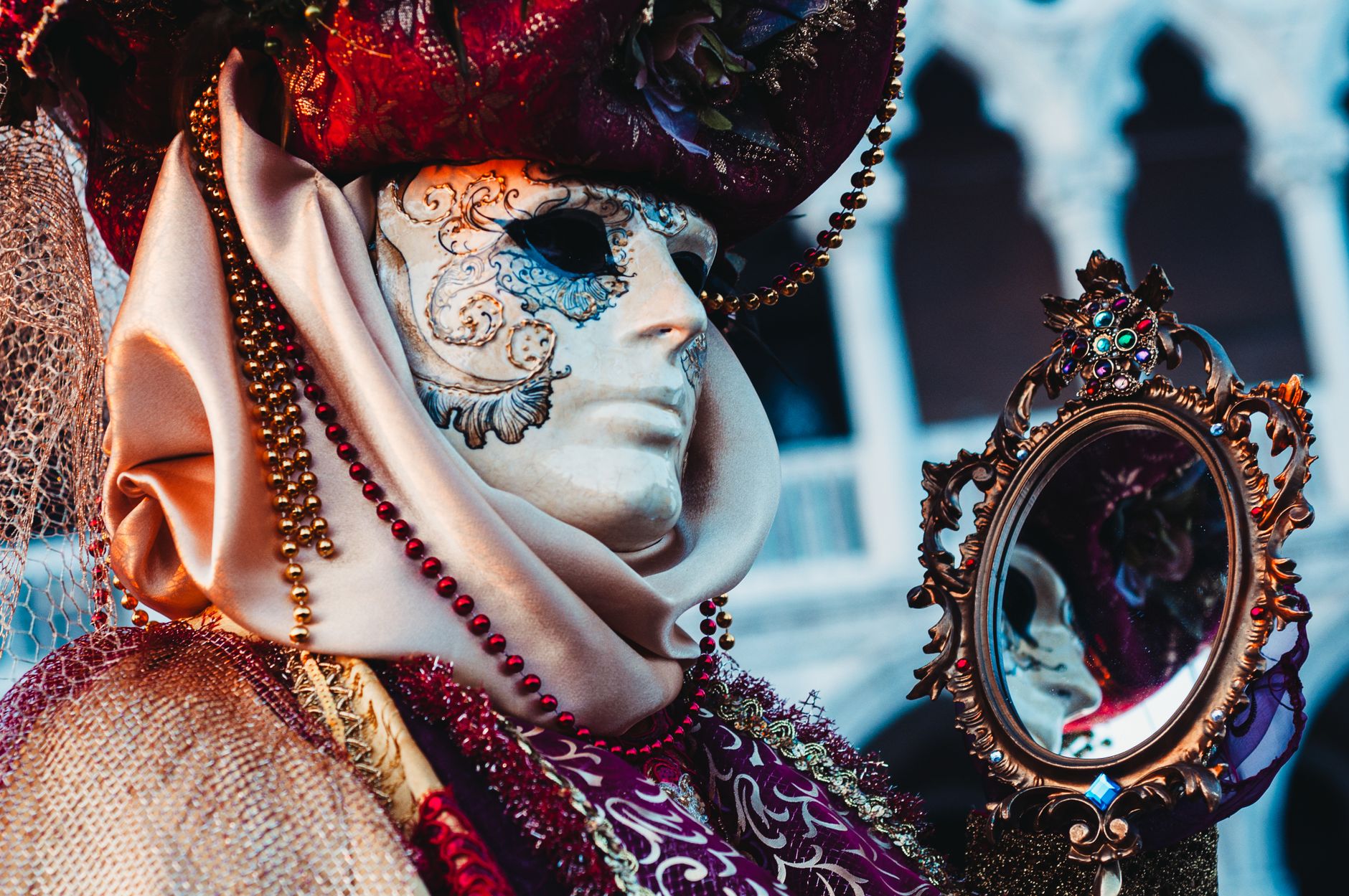
Alright, fellow wanderlusters, let's get real for a minute. How many times have you scrolled through your feed, eyes glazing over at another perfectly posed selfie in front of a "hidden gem" that's now crawling with tourists, all vying for the exact same shot? The Colosseum, Santorini sunsets, Bali swings – don't get me wrong, they're beautiful, but sometimes, it feels like the soul of travel is getting lost in the pursuit of the perfect 'gram.
I remember my breaking point. It was a few years ago, standing shoulder-to-shoulder with hundreds of other eager photographers at a supposedly "local" market in Southeast Asia, all of us aiming our lenses at the same fruit vendor, who looked utterly exhausted by the spectacle. The genuine connection, the spontaneous discovery – it felt gone. I packed up my camera, walked away, and made a promise to myself: I would seek out experiences that weren't designed for a caption, but for the soul.
That promise led me down a rabbit hole of research, whispered recommendations, and sometimes, pure, glorious luck. What I found were festivals – ancient, wild, deeply spiritual, or just wonderfully quirky – that happen only once a year, in places often overlooked. These aren't the festivals you see plastered across influencer feeds; these are the ones that demand effort, respect, and a genuine desire to connect. And let me tell you, they are everything.
So, if you're ready to trade curated backdrops for raw tradition, filtered smiles for genuine laughter, and crowded queues for an open heart, then welcome. Because I'm about to spill the beans on six once-a-year festivals that Instagram influencers absolutely don't want you to know about.
1. Up Helly Aa: Shetland's Fiery Viking Spectacle (Lerwick, Scotland)
Imagine a cold, dark January night on a remote Scottish island. Suddenly, the air crackles with anticipation, the skirl of pipes fills the air, and a procession of hundreds of bearded, helmeted Vikings emerges from the darkness, torches held high. Their destination? A magnificent, full-sized Viking longship. What happens next is pure, unadulterated fire and awe.
Up Helly Aa is Europe's largest fire festival, held annually on the last Tuesday of January in Lerwick, the capital of the Shetland Islands. It’s a celebration of Norse heritage, culminating in the burning of a replica longship (or 'galley') to send a Viking chief (the 'Guizer Jarl') to Valhalla. This isn't a performance for tourists; it's a deeply ingrained tradition for the Shetlanders, passed down through generations. I remember standing there, the heat from the torches on my face, the roar of the crowd, and the sight of that ship engulfed in flames against the inky sky – it was primal, exhilarating, and utterly unforgettable. You feel like you’ve stepped back in time.
Why Influencers Don't Want You There:
It's cold, remote, and Wi-Fi can be spotty. The focus is on participation and tradition, not perfectly lit selfies. The raw energy and communal spirit are hard to capture in a single, aesthetic shot.
Practical Tips for Your Journey:
* When to Go: Last Tuesday of January. Dates are firm!
* How to Get There: Fly from Edinburgh or Glasgow to Sumburgh Airport (LSI) in Shetland, or take an overnight ferry from Aberdeen to Lerwick. Book well in advance!
* Accommodation: Hotels, B&Bs, and guesthouses in Lerwick book up months in advance. Seriously, start looking a year out. Consider staying in a smaller town and taking local transport if Lerwick is full.
* Budget: Flights/ferries can be pricey due to demand. Food and drink are reasonable. There's no "ticket" to the main procession, but you can buy tickets to various halls where the squads visit and perform, which offers a more intimate experience.
* What to Pack: Layers, waterproofs, sturdy shoes, hats, gloves. It's Shetland in January – expect wind, rain, and cold!
* Cultural Etiquette: Respect the traditions. Don't push into the procession. Engage with locals; they're incredibly friendly and proud of their heritage. A dram of whisky is often shared!
* Capturing the Moment: Focus on wide shots of the procession and the burning galley. Candid shots of the Guizer Jarl's squad and the crowds offer more authentic storytelling than posed selfies.
2. Busójárás: Hungary's Terrifying Winter Expulsion (Mohács, Hungary)
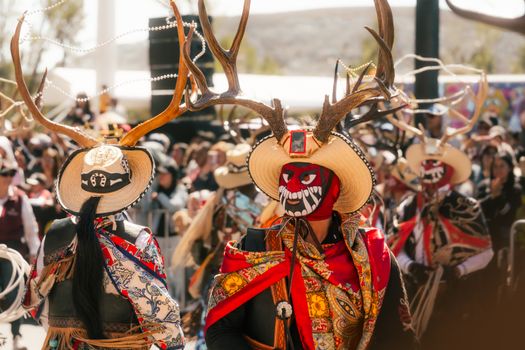
Imagine grotesque, horned masks, enormous sheepskin cloaks, and the booming sound of drums and rattles echoing through a small town. This isn't a nightmare; it's Busójárás, an ancient, multi-day festival held in Mohács, Hungary, every February or March. The Busós, as the masked figures are called, parade through the streets, making as much noise as possible to scare away winter and welcome spring. It's a UNESCO Intangible Cultural Heritage event, rooted in the traditions of the local Šokci Croats.
My first experience at Busójárás was a mix of genuine fear and fascination. A Busó, towering over me, made a guttural growl and gently tapped my head with a wooden club, a traditional blessing. The atmosphere is wild, almost pagan, with bonfires, river crossings, and general merry chaos. It's a deeply communal event, with people sharing pálinka (fruit brandy) and traditional food. It's loud, boisterous, and utterly unique.
Why Influencers Don't Want You There:
The masks are genuinely scary, not "pretty." It's muddy, chaotic, and the focus is on the ritual, not on looking good. Plus, good luck getting a stable shot amidst the drumming and revelry.
Practical Tips for Your Journey:
* When to Go: During Carnival season, typically in February or early March, leading up to Ash Wednesday. Check exact dates well in advance.
* How to Get There: Mohács is easily accessible from Budapest by train (to Pécs, then a local bus) or by car. It's about a 2-3 hour drive.
* Accommodation: Mohács is a small town, so accommodation options are limited. Book early! Alternatively, stay in Pécs, a beautiful city nearby, and commute.
* Budget: Relatively inexpensive. The festival itself is free to attend. Food, drink, and local crafts are affordable.
* What to Pack: Warm, comfortable clothes and shoes you don't mind getting muddy. The festival involves a lot of walking and standing outdoors.
* Cultural Etiquette: Embrace the chaos! Don't be afraid if a Busó approaches you; it's part of the fun. Be respectful of the traditions and the local community.
* Capturing the Moment: Focus on the incredible masks and costumes. Capture the movement, the sound, and the interactions. Video is excellent here to convey the atmosphere.
3. The Local Naadam: Mongolia's Nomadic Olympic Games (Rural Mongolia)
You've probably heard of Naadam, Mongolia's "Three Manly Games" (wrestling, horse racing, archery). The main one in Ulaanbaatar is impressive, but it's also a major tourist draw. For an experience that truly connects you with Mongolia's nomadic heart, you need to head to a local Naadam in the vast, empty steppes.
These smaller Naadams, held throughout July and August in various provinces (aim for an Aimag or Sum Naadam), are where the real spirit of the games comes alive. There are no grandstands, no commercial sponsorships – just families arriving on horseback, setting up gers (yurts), and competing with fierce pride. I stumbled upon one near Kharkhorin, the ancient capital, purely by chance. The horse racing was a blur of young jockeys and thundering hooves across the open grassland, the wrestling matches were raw displays of strength, and the archery felt like a direct link to Genghis Khan's warriors. Sharing fermented mare's milk (airag) with a local family in their ger after the games felt like an honor, not a transaction.
Why Influencers Don't Want You There:
It's remote, dusty, and requires serious off-roading. There's often no infrastructure, let alone stable internet. It’s about vast landscapes and genuine human connection, not curated backdrops.
Practical Tips for Your Journey:
* When to Go: Typically in July and August. Research specific provincial (Aimag) or district (Sum) Naadam dates. These vary each year and are often announced locally.
* How to Get There: This is where it gets adventurous. You'll likely need to hire a private driver with a sturdy 4x4 or join a small, local tour group. Public transport to these remote areas is minimal.
* Accommodation: Expect basic guesthouses in small towns, or even camping in a ger with a nomadic family (highly recommended for authenticity).
* Budget: This can be more expensive due to transport costs (vehicle hire, fuel, driver). Food and local goods are very affordable.
* What to Pack: Layers (days can be hot, nights cold), sturdy shoes, sun protection (hat, sunglasses, sunscreen), dust mask/scarf, basic first-aid kit. A portable power bank is a must.
* Cultural Etiquette: Respect nomadic customs. Always accept offers of food and drink. Ask permission before photographing people, especially children.
* Capturing the Moment: Focus on the expansive landscapes, the intensity of the competitions, and the candid interactions with local families. The vibrant colors of traditional deel (clothing) against the steppe are stunning.
4. Bunya Nut Festival: Australia's Ancient Indigenous Harvest (Bunya Mountains, Queensland, Australia)
Imagine a gathering that predates European settlement by thousands of years, a time when Aboriginal nations would travel vast distances to feast, trade, and socialize. This is the Bunya Nut Festival, a sacred harvest celebration centered around the prolific Bunya pine trees in the Bunya Mountains of Queensland. When the bunya nuts ripen (typically every three years for a massive harvest, but smaller harvests occur annually), the land becomes a natural supermarket, providing a rich, starchy food source.
While not a "festival" in the Western sense of organized events, it's a profound cultural gathering that's slowly being revitalized by Indigenous communities. Access is often by invitation or through specific cultural tours designed to educate and share. My experience involved learning about traditional harvesting techniques, tasting the roasted nuts (they're delicious, like a starchy chestnut), and hearing stories passed down through generations. It was a privilege, a quiet reverence for the land and its people, far removed from any commercial spectacle. This is not about crowds; it's about connection to country and ancient wisdom.
Why Influencers Don't Want You There:
It's not about "events" but about cultural immersion and respect. It's sensitive, quiet, and deeply personal. There's no grand stage, no flashy photo ops, just profound cultural exchange in nature.
Practical Tips for Your Journey:
* When to Go: Bunya nuts ripen between January and March. Major harvests occur roughly every three years, with smaller yields annually. Research specific Indigenous-led cultural tours or events, as this is not a public, open-gate festival.
* How to Get There: The Bunya Mountains are about a 3-hour drive northwest of Brisbane. You'll need a car.
* Accommodation: Bunya Mountains National Park offers cabins and camping. Nearby towns also have options.
* Budget: Costs will depend on the cultural tour or experience you arrange. Be prepared to invest in a respectful, educational experience.
* What to Pack: Comfortable hiking shoes, insect repellent, sun protection, water bottle, and a respectful attitude.
* Cultural Etiquette: This is paramount. Seek out Indigenous-led tours or community initiatives. Listen, learn, and be respectful of sacred sites and traditional knowledge. Always ask permission before taking photos.
* Capturing the Moment: Focus on the natural beauty of the Bunya Mountains, the bunya pines themselves, and respectfully captured moments of learning and connection (with permission).
5. Mevlana Whirling Dervishes Festival: Konya's Spiritual Serenity (Konya, Turkey)
In the bustling heart of Turkey lies Konya, a city often overlooked by tourists rushing to Cappadocia or Istanbul. Yet, once a year, in mid-December, it hosts the Mevlana Whirling Dervishes Festival, commemorating the death of the 13th-century Persian poet, Islamic scholar, and theologian Rumi (Mevlana). This isn't a party; it's a week-long spiritual journey, culminating in the mesmerising Sema ceremony – the ritual whirling of the Dervishes.
I've witnessed the Sema multiple times, but never with the profound intensity of the festival in Konya. The dervishes, clad in their flowing white robes and tall felt hats, spin in perfect synchronicity, a meditative dance that symbolises the soul's ascent to God. The silence in the hall, broken only by the haunting ney flute and the soft rustle of their robes, is almost palpable. It’s an experience that transcends mere observation; it draws you into a state of contemplation and awe. It's a journey inward, not outward.
Why Influencers Don't Want You There:
It's a deeply spiritual, respectful event. Loud chatter, flash photography, and attention-seeking behaviour are strictly frowned upon. The beauty is in the quiet reverence, not in a staged photo.
Practical Tips for Your Journey:
* When to Go: Annually from December 10th to 17th. The main ceremonies are usually on the final night.
* How to Get There: Konya has an airport with domestic flights from Istanbul. High-speed rail connects Konya to Istanbul and Ankara.
* Accommodation: Konya has a good range of hotels, but book in advance for festival week.
* Budget: Relatively affordable. Tickets for the main Sema ceremonies can be purchased, but there are often free events and exhibitions around the city.
* What to Pack: Modest clothing is respectful. Comfortable shoes for exploring the city.
* Cultural Etiquette: Dress respectfully. Remain silent during the Sema ceremony. Do not use flash photography. Absorb the spiritual atmosphere.
* Capturing the Moment: If photography is permitted, use a long lens and no flash. Focus on the graceful movements and the overall atmosphere of reverence. A wide shot capturing the architecture and the dervishes can be powerful.
6. Agios Spiridonas Procession: Corfu's Patron Saint Celebration (Corfu Town, Greece)
While Greece is synonymous with island hopping and ancient ruins, many overlook the deeply spiritual and local festivals that punctuate the calendar. One of the most significant is the procession of Agios Spiridonas (Saint Spyridon), the patron saint of Corfu. These processions, held four times a year, are particularly vibrant and essential to Corfiot identity, especially on his feast day, December 12th. However, other significant dates are Palm Sunday, Holy Saturday, and August 11th.
I experienced the August 11th procession, commemorating the saint's intervention saving the island from a Turkish siege. The entire town shuts down. The silver sarcophagus containing the saint's relics is carried through the narrow, cobbled streets of Corfu Town, accompanied by marching bands, priests, and thousands of devout locals. The air is thick with incense, the sounds of mournful music, and the collective prayers of the community. It's a powerful display of faith and tradition, a true local phenomenon where every Corfiot seems to participate or watch from their balconies. After the procession, the town comes alive with feasts and celebrations.
Why Influencers Don't Want You There:
It's a religious procession, not a party. It's crowded with locals, not tourists. The focus is on devotion and community, not on individual visibility or perfectly curated content.
Practical Tips for Your Journey:
* When to Go: Four times a year: Palm Sunday, Holy Saturday, August 11th, and December 12th. The August 11th and December 12th processions are particularly significant.
* How to Get There: Corfu (Kerkyra) has an international airport. Ferries connect Corfu to mainland Greece (Igoumenitsa) and Italy.
* Accommodation: Corfu Town offers a wide range of hotels and guesthouses. Book in advance, especially for summer dates.
* Budget: Very affordable. The procession is free. Food and drink are reasonably priced.
* What to Pack: Respectful clothing, especially if you plan to enter churches. Comfortable shoes for walking.
* Cultural Etiquette: Observe respectfully. Do not obstruct the procession. If you enter churches, cover your shoulders and knees.
* Capturing the Moment: Focus on the atmosphere – the bands, the crowds, the expressions of devotion. Capture the narrow streets of Corfu Town, which provide a beautiful backdrop to the procession. Seek out candid moments of local families watching from their balconies.
The True Spirit of Travel: Beyond the Feed
These festivals are more than just events; they are living, breathing traditions that offer a window into the soul of a culture. They require a willingness to step outside your comfort zone, to embrace the unexpected, and to connect with people on a deeper level. You might not get the perfect, symmetrical shot for your grid, and you probably won't have time to edit it anyway. But what you will get is infinitely more valuable: genuine memories, powerful stories, and a profound sense of having experienced something truly authentic.
So, next time you're planning a trip, consider going off the well-trodden path. Seek out these once-a-year wonders. Experience them for you, not for your followers. Because the most beautiful moments in travel are often the ones that can't be perfectly captured, but are felt deep in your heart.
What hidden, once-a-year festivals have you discovered? Share your secrets with the Tripsora community in the comments below! And if this post inspired you, don't keep it to yourself – share it with a fellow adventurer who's ready to ditch the filters and embrace the real world!
---