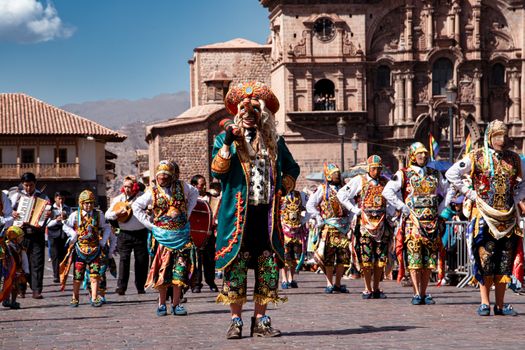
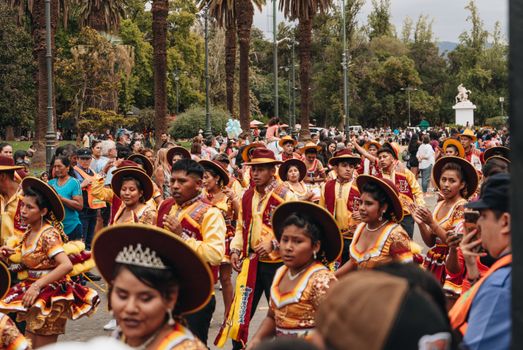
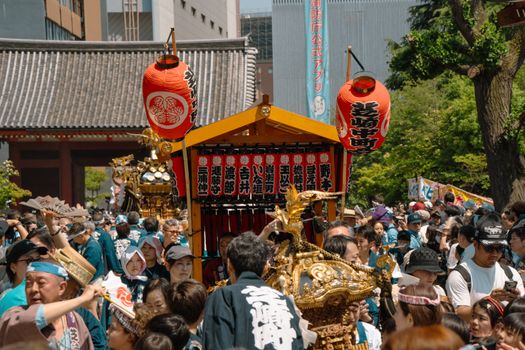
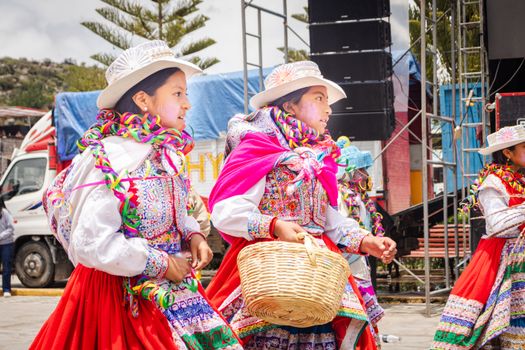
The air crackled with anticipation. Drumbeats, deep and resonant, vibrated through my chest, a primal rhythm that seemed to awaken something ancient within me. In front, a procession of majestic elephants, adorned in shimmering silks, swayed gently, their trunks occasionally reaching out to accept offerings. Thousands of flickering oil lamps cast dancing shadows on the ancient temple walls, illuminating faces etched with devotion and awe. This wasn't a carefully staged tourist show; this was the Esala Perahera in Kandy, Sri Lanka, and I was utterly, profoundly immersed.
I remember thinking, "Why isn't everyone here?" Then, a different thought dawned: "Thank goodness they're not."
In an age where every travel moment seems curated for the perfect Instagram grid, where "authentic" experiences are often pre-packaged and sold at a premium, it’s easy to feel like genuine cultural immersion is a lost art. We chase the viral hotspots, the iconic backdrops, often missing the very heart of a destination. But what if I told you there’s a whole world of incredible, deeply spiritual, and utterly welcoming religious festivals out there – experiences so profound, so untouched by mass tourism, that the biggest influencers haven't even sniffed them out?
This isn't about shaming anyone's travel style. It's about revealing a different path. A path less traveled, where you become a participant, not just an observer. Where you connect with humanity on a level that transcends language and culture, through shared devotion, celebration, and wonder. These are the festivals that will transform your understanding of the world, leaving you with stories far richer than any perfectly filtered photo.
Are you ready to discover the world's most incredible, influencer-proof religious festivals? Let's dive in.
---
1. Esala Perahera: Sri Lanka's Grand Buddhist Spectacle (Kandy, Sri Lanka)
My journey to Kandy for the Esala Perahera was purely by chance. A local guesthouse owner, noticing my interest in culture, simply said, "You must stay for the Perahera. It's like nothing you've ever seen." He wasn't wrong. This annual festival, held in July or August (dates vary with the lunar calendar), is one of the oldest and grandest Buddhist festivals in Sri Lanka, honoring the Sacred Tooth Relic of the Buddha.
For ten nights, Kandy transforms. The streets pulse with energy as drummers, dancers, fire-eaters, and whip-crackers precede a magnificent procession of decorated elephants. The star of the show is the Maligawa Tusker, carrying a replica of the Tooth Relic on its back, adorned in exquisite finery. What struck me most was the palpable devotion of the crowd – families lining the streets for hours, children wide-eyed with wonder, all united in reverence.
My Personal Take:
I spent hours sitting cross-legged on the pavement, sharing snacks with a local family who spoke broken English but communicated volumes with their smiles. When the elephants finally passed, so close I could feel the ground tremble, a shiver ran down my spine. It wasn't just a parade; it was a living, breathing testament to faith and tradition.
Practical Tips & Details:
* When to Go: July/August (check lunar calendar for exact dates).
* Getting There: Kandy is easily accessible by train or bus from Colombo.
* Accommodation: Book well in advance! Kandy gets packed. Expect prices to be higher during the festival. I stayed in a simple guesthouse on a hill overlooking the city, which offered a quieter escape.
* Viewing: Locals claim spots hours before. You can pay for reserved seating (around $30-100 USD), but I found the ground-level experience, surrounded by locals, far more authentic. Bring a mat, water, and snacks.
* Respect: Dress modestly (shoulders and knees covered). Ask before taking photos of people.
* Prices: Food is incredibly cheap and delicious (think Kottu Roti for $2-3). Accommodation can range from $20 for a basic guesthouse to $150+ for a nicer hotel.
---
2. Thaipusam: A Spectacle of Devotion (Batu Caves, Malaysia / Singapore)
Prepare yourself for an experience that will challenge your perceptions of faith and human endurance. Thaipusam, celebrated by the Tamil Hindu community during the full moon in January or February, is an explosion of color, sound, and intense devotion. I witnessed it at the iconic Batu Caves in Malaysia, a truly unforgettable day.
Devotees, often having prepared for weeks with fasting and prayer, carry "kavadis" – elaborate, often heavy structures adorned with peacock feathers, milk pots, and offerings – as an act of penance or thanksgiving. Many pierce their skin with hooks and skewers, pulling chariots or carrying the kavadis, all while in a trance-like state, accompanied by rhythmic chanting and drumming. It's a raw, powerful display of faith that is both startling and deeply moving.
My Personal Take:
I initially felt a mix of awe and discomfort. The sheer intensity was overwhelming. But as I watched, respectful and quiet, I saw the incredible support system – family members fanning, comforting, and encouraging the devotees. It wasn't about pain; it was about spiritual connection and sacrifice. I left with a profound respect for the human spirit and the power of belief.
Practical Tips & Details:
* When to Go: January/February (check lunar calendar).
* Getting There: Batu Caves are a short train ride from Kuala Lumpur. Singapore also hosts a significant Thaipusam procession.
* Accommodation: Stay in Kuala Lumpur; public transport to Batu Caves is efficient.
* Viewing: Arrive early! The crowds are immense, but the atmosphere is electric. Follow the procession route from early morning.
* Respect: Dress modestly. Be mindful when taking photos; avoid intrusive close-ups, especially of devotees in a trance. Keep a respectful distance.
* Prices: Entry to Batu Caves is free, as is witnessing the festival. Food stalls will be plentiful and affordable.
---
3. Timkat: Ethiopia's Technicolor Epiphany (Gondar / Lalibela, Ethiopia)
Imagine an ancient, vibrant Christian tradition unfolding before your eyes, a sensory feast unlike any other. Timkat, the Ethiopian Orthodox Tewahedo Church's celebration of Epiphany, takes place annually on January 19th (or 20th in a leap year). I experienced it in Gondar, and it was nothing short of spectacular.
The celebration begins the evening before, as priests carry replicas of the Ark of the Covenant (Tabots) from churches to a central celebration ground, accompanied by hymns, dances, and rhythmic drumming. The next morning, after an all-night vigil, the Tabots are blessed, and the highlight begins: a mass baptism ceremony where the faithful immerse themselves in holy water, symbolically renewing their baptismal vows. The sheer joy, the white robes, the colorful umbrellas of the priests, and the ancient chants create an almost otherworldly atmosphere.
My Personal Take:
I stood among thousands, bathed in the early morning light, watching the priests bless the water. When the crowd surged forward for the baptism, the energy was intoxicating. A local woman, noticing my awe, offered me a piece of bread and a sip of holy water. It was a simple gesture, but in that moment, I felt completely connected to a tradition that has endured for centuries.
Practical Tips & Details:
* When to Go: January 19th (or 20th). Book flights and accommodation months in advance.
* Getting There: Fly into Addis Ababa, then take a domestic flight to Gondar or Lalibela. Roads can be challenging.
* Accommodation: Expect basic but clean guesthouses. Prices will be elevated during Timkat.
* Viewing: In Gondar, the Fasilides' Bath complex is the main site. Arrive very early to secure a good spot.
* Respect: Dress very modestly. Always ask permission before photographing people, especially priests. Be prepared for crowds and long hours on your feet.
* Prices: Domestic flights can be $100-200 USD. Guesthouses $30-70 USD. Food is incredibly cheap and delicious (injera and stews for $3-5).
---
4. Nagol: Vanuatu's Ancient Land Divers (Pentecost Island, Vanuatu)
This isn't just a festival; it's a rite of passage, a spiritual offering, and the ancestral origin of bungee jumping. Nagol, or land diving, takes place every Saturday between April and June on Pentecost Island, Vanuatu. Young men, often as young as seven, climb rickety wooden towers (up to 30 meters high) and dive headfirst with only vines tied to their ankles. It's done to ensure a good yam harvest and as a demonstration of masculinity and courage.
The ritual is deeply spiritual, rooted in local animist beliefs. Before each dive, rituals are performed, and the land below the tower is softened. The goal is for the diver's hair to just brush the earth, fertilizing it for the harvest. The tension, the collective gasps, the roar of the crowd – it's an incredibly primal and humbling experience.
My Personal Take:
Getting to Pentecost Island was an adventure in itself (small plane, then a bumpy ride). When I first saw the towering wooden structure, I couldn't believe it was real. Watching a young man, barely a teenager, take that leap of faith was breathtaking. The silence before the jump, the collective intake of breath, and the cheer when he landed safely – it was a powerful reminder of traditions that predate modern civilization. It felt like stepping back in time.
Practical Tips & Details:
* When to Go: Saturdays, April to June. Dates are announced locally and can be weather-dependent.
* Getting There: Fly from Port Vila (Vanuatu's capital) to Pentecost Island (Lonorore Airport). From there, you'll likely need to arrange transport with your accommodation provider or a local guide.
* Accommodation: Basic guesthouses or bungalows are available. Don't expect luxury. Book in advance.
* Viewing: Tours can be arranged from Port Vila (often including flights and accommodation). Ensure your tour operator is ethical and supports local communities.
* Respect: This is a sacred ritual. Be respectful, follow local guidance, and ask permission before taking photos. Dress modestly.
* Prices: This is one of the more expensive experiences due to flights and the remote location. Expect to pay $300-600 USD for a day trip/tour from Port Vila, including flights and the land diving fee.
---
5. Obon: Japan's Ancestral Homecoming (Throughout Japan)
Obon is a beautiful, contemplative, and deeply moving Buddhist-Confucian custom celebrated throughout Japan, usually in mid-August (though some regions celebrate in July). It's a time when families honor the spirits of their ancestors, believing they return to visit their living relatives.
The festival involves cleaning graves, making offerings, and performing the "Bon Odori" (Bon dance). The most poignant part for many is the "Toro Nagashi" or floating lantern ceremony, where paper lanterns are released onto rivers and seas, guiding the ancestral spirits back to the otherworld. It's a serene, visually stunning, and emotionally resonant experience.
My Personal Take:
I witnessed a small Toro Nagashi ceremony on a quiet river in a rural town outside Kyoto. The soft glow of hundreds of lanterns drifting downstream against the twilight sky was incredibly peaceful and profoundly beautiful. There was a quiet solemnity, a collective sense of remembrance that transcended any language barrier. It felt less like a festival and more like a collective meditation.
Practical Tips & Details:
* When to Go: Mid-August (check local dates, as some regions celebrate in July).
* Getting There: Obon is celebrated nationwide. For a less touristy experience, seek out smaller towns or local neighborhood events rather than major city-center celebrations.
* Accommodation: Book well in advance, especially if traveling during the peak August period, as many Japanese also travel to their hometowns.
* Viewing: Look for local temple events, community Bon Odori dances, and river lantern ceremonies. Ask your guesthouse owner or local tourist information for specific schedules.
* Respect: Participate respectfully. When visiting graves, observe local customs.
* Prices: Travel within Japan can be expensive (Shinkansen tickets, etc.), but participating in Obon events is generally free. Local food is excellent and widely available.
---
6. Semana Santa: Holy Week in Antigua, Guatemala
While Spain's Seville might be the most famous for its Semana Santa, the celebrations in Antigua, Guatemala, offer a unique, deeply spiritual, and equally breathtaking experience. Held during the week leading up to Easter, this Catholic festival is a powerful blend of indigenous traditions and Spanish colonial heritage.
The highlight is the elaborate "alfombras" (carpets) created from colored sawdust, flowers, fruits, and vegetables, laid out on the cobblestone streets. These intricate, ephemeral artworks are then meticulously walked over by solemn processions of "cucuruchos" (penitents in purple robes and pointed hoods) carrying massive, heavy floats (andas) bearing effigies of Christ and the Virgin Mary. The air is thick with the scent of incense, the mournful brass bands, and the rhythmic shuffle of thousands of feet.
My Personal Take:
The sheer artistry of the alfombras blew me away. I watched locals meticulously crafting these masterpieces for hours, knowing they would be destroyed in moments. There was a sense of profound devotion in their work. Following a procession through the narrow streets, feeling the weight of history and faith, was incredibly moving. I even helped a local family lay out some flowers on their section of an alfombra, a small but memorable moment of connection.
Practical Tips & Details:
* When to Go: The week leading up to Easter (March/April). Book months in advance!
* Getting There: Fly into Guatemala City (GUA), then take a shuttle or taxi to Antigua (approx. 1 hour).
* Accommodation: Antigua is popular, so book early. Expect prices to be significantly higher during Semana Santa.
* Viewing: Arrive early to see the alfombras being created. Be prepared for large crowds, especially during major processions.
* Respect: Dress modestly. Be mindful of the solemnity of the event, especially during processions. Do not walk on the alfombras before the procession.
* Prices: Accommodation can range from $50 for a budget hotel to $200+ for a boutique stay. Food is very affordable (pupusas for $1-2).
---
7. Tsechu: Bhutan's Sacred Masked Dances (Various Locations, Bhutan)
Bhutan, the Land of the Thunder Dragon, is a kingdom where spirituality is woven into the very fabric of daily life. Attending a Tsechu, an annual Buddhist festival, is an extraordinary opportunity to witness this devotion firsthand. These festivals, held in various dzongs (fortress monasteries) throughout the year, honor Guru Rinpoche, who brought Buddhism to Bhutan.
The main attractions are the vibrant, elaborate masked dances (cham dances) performed by monks and laymen. Each dance tells a story, often depicting moral lessons, the triumph of good over evil, or significant historical events. The costumes are spectacular, the music hypnotic, and the atmosphere deeply spiritual. It's believed that simply witnessing these dances can bring merit and cleanse sins.
My Personal Take:
My visit coincided with the Paro Tsechu. Sitting among Bhutanese families dressed in their finest traditional attire, watching the monks perform ancient dances with incredible precision and grace, felt like a privilege. The vibrant colors against the backdrop of the majestic dzong and the Himalayan peaks were unforgettable. A local woman, noticing my fascination, explained the meaning of one of the dances, sharing her deep faith and cultural pride.
Practical Tips & Details:
* When to Go: Tsechus are held throughout the year in different dzongs. Check the official Bhutanese tourism calendar to align your visit with a specific festival.
* Getting There: Bhutan requires a guided tour, and a daily minimum package fee (around $200-250 USD per person per day) covers accommodation, meals, guide, transport, and entry fees. This makes it more accessible as everything is arranged for you. Fly into Paro (PBH).
* Accommodation: Included in your tour package, generally 3-star hotels or guesthouses.
* Viewing: Your guide will arrange transport and seating. Arrive early to secure a good spot.
* Respect: Dress modestly (long sleeves, long pants/skirts). Remove shoes when entering temples. Ask your guide about photography etiquette.
* Prices: The daily minimum package fee covers almost all expenses within Bhutan. Flights to Paro are separate.
---
Beyond the Feed: How to Travel Authentically and Ethically
These festivals offer a glimpse into the soul of a culture, a connection that goes far beyond a pretty photo. But with this privilege comes responsibility.
- Do Your Homework: Understand the cultural and religious significance of the festival. What are the customs? What's appropriate attire? Knowing this shows respect.
- Dress Modestly: This is a universal sign of respect at religious sites and festivals. Cover your shoulders and knees.
- Ask Permission for Photos: Always, always ask. A simple gesture or "May I?" goes a long way. If someone declines, respect their wishes. Avoid flash photography during solemn moments.
- Participate Respectfully: If invited to participate, do so with an open heart and mind. If not, observe quietly and respectfully. Don't disrupt ceremonies.
- Support Local: Buy food and crafts from local vendors. Stay in locally-owned guesthouses. Your money goes directly back into the community.
- Be Patient and Flexible: Things may not run on time. Plans might change. Embrace the unpredictability; it's part of the adventure.
- Limit Your Footprint: Be mindful of waste. Carry a reusable water bottle. Leave no trace.
- Embrace the Uncomfortable: Authentic travel often means stepping outside your comfort zone. Embrace the challenges; they lead to the greatest growth.
---
Your Next Adventure Awaits
The world is brimming with incredible experiences waiting to be discovered by those willing to look beyond the obvious. These religious festivals aren't just events; they're living traditions, vibrant expressions of faith, and profound opportunities for human connection. They won't always give you the perfect, curated shot for your feed, but they will give you something far more valuable: a deeper understanding of humanity, a richer perspective on life, and memories that will resonate for years to come.
So, ditch the FOMO for what everyone else is doing. Seek out the real. Plan your journey to one of these incredible festivals, and prepare to be transformed.
Which of these festivals calls to you most? Have you experienced a lesser-known festival that you think others should know about? Share your stories in the comments below! Let's inspire each other to travel deeper.
---