Get Paid to Work Remotely: The Secret Countries Instagram Influencers Don't Want You To Know
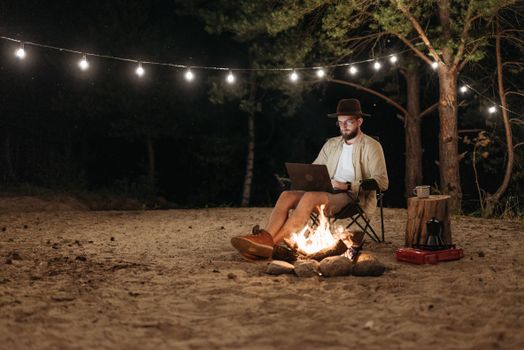
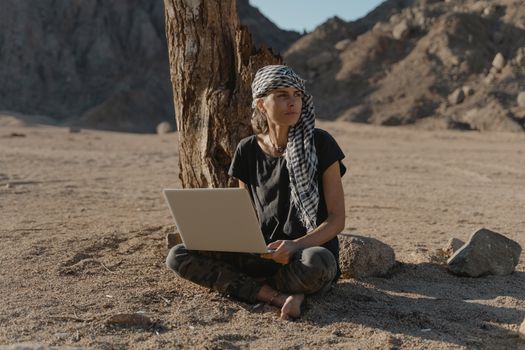
Let's be honest. We've all scrolled through Instagram, eyes glazing over at another "work from anywhere" post. A perfectly tanned influencer, laptop perched precariously on a bamboo tray in an infinity pool, a picturesque smoothie by their side. The caption usually goes something like, "Living my best life, #digitalnomad #workfromanywhere #blessed."
And while the dream of working remotely from a stunning location is absolutely real – I've been living it for years! – there's a huge piece of the puzzle that those glossy feeds rarely, if ever, reveal. They show you the glamour, but not the grind or, more importantly, the financial incentives that can make the dream not just possible, but incredibly smart.
Because what if I told you that some countries aren't just tolerating remote workers, but are actively paying you to move there? Or at the very least, making it so financially advantageous that it feels like a direct deposit into your adventure fund? Yes, you read that right. Beyond the sunny beaches and bustling cityscapes, there are governments and communities around the world rolling out the red carpet, sometimes with cash in hand, for people like us.
My own journey started with a similar Instagram-fueled fantasy. I was stuck in a soul-sucking corporate job, staring at a grey cubicle wall, dreaming of the vibrant colors of the world. One day, a particularly egregious influencer post (complete with a sponsored smoothie I knew tasted like cardboard) finally broke me. I slammed my laptop shut, booked a one-way ticket, and decided to figure it out as I went. What I discovered along the way, through countless hours of research, trial-and-error, and a few wrong turns, was a whole hidden world of remote work opportunities that go far beyond just finding a reliable Wi-Fi signal.
This isn't about getting a job in these countries, but about leveraging your existing remote income to unlock a lifestyle you thought was only for the trust-fund babies or the ultra-famous. This is about finding places where your money goes further, where the government wants you there, and where your daily life feels less like a vacation and more like an ongoing adventure.
Ready to pull back the curtain? Let's dive in.
The Remote Work Dream: Beyond the Hashtag Filters and Into Your Bank Account
Before we jump into specific destinations, let's clarify what "paying you" really means. It's rarely a direct paycheck for simply existing. Instead, it comes in several forms:
- Direct Grants/Relocation Incentives: Some towns or regions, particularly those facing population decline, offer cash payments to new residents who commit to living there for a certain period.
- Tax Breaks & Exemptions: Many countries with digital nomad visas offer significant tax incentives, often allowing you to pay zero local income tax on your foreign-earned income. This isn't a grant, but it's a huge financial boost!
- Extremely Low Cost of Living: While not a direct payment, moving to a country where your existing income stretches 2x or 3x further effectively "pays" you by freeing up significant disposable income for experiences, savings, or even early retirement.
- Free Housing/Land: Some rural initiatives offer free or heavily subsidized housing, or even plots of land, to attract new residents.
My first encounter with this concept was pure serendipity. I was chatting with a fellow nomad in a bustling co-working space in Lisbon, complaining about the rising cost of living. He leaned in and whispered, "Have you looked at Calabria? They're literally paying people to move there." My jaw dropped. It sounded too good to be true, but a quick Google search later, I was hooked. The rabbit hole led me to a treasure trove of possibilities.
European Charms: Where History Meets High-Speed Internet
Europe is often seen as an expensive digital nomad hub, but dig a little deeper, and you'll find some incredible gems.
Italy: Live La Dolce Vita (and Get Paid For It!)
Italy, with its ancient history, unparalleled cuisine, and breathtaking landscapes, has long been a dream destination. But what if you could live there, not just visit, and get a financial boost?
- The Scoop: Several small towns and regions across Italy, particularly in the south, have launched initiatives to combat depopulation. Calabria, in particular, has been making headlines with its "Active Residency Project." Towns like Presicce-Acquarica (Puglia), Santo Stefano di Sessanio (Abruzzo), and various municipalities in Calabria have offered grants to new residents.
- The Deal: In Calabria, for example, some towns have offered up to €28,000 (approx. $30,000 USD) over three years to individuals or families willing to relocate and either start a new business or work remotely. You typically need to commit to becoming a resident and, in some cases, be under a certain age (e.g., 40).
- My Take: I haven't personally taken the plunge with an Italian grant, but my friend, Chiara, did. She moved to a small town in Calabria, using the grant to help renovate an old, charming house. She teaches English online and spends her evenings learning traditional recipes from her elderly neighbors. "It's not just the money," she told me over a video call, "it's the sense of community, the slow pace of life, the incredible food from my garden. My income goes so far here, and I feel like I'm truly living, not just existing."
- Practicalities:
- Cost of Living: Outside major cities, it's incredibly affordable. A two-bedroom apartment can be found for €300-€500/month. Groceries are fresh and cheap.
- Internet: Surprisingly good in many smaller towns, especially those actively seeking remote workers.
- Challenges: Bureaucracy can be slow (it's Italy, after all!), and learning basic Italian is crucial for integration.
- Tips: Research specific town programs, as they vary. Be patient, embrace the culture, and get ready for the best food of your life. Start by checking regional government websites for "residency grants" or "repopulation projects."
Spain: Sun, Siestas, and Sweet Incentives
Spain recently launched its much-anticipated Digital Nomad Visa (DNV), making it easier than ever for remote workers to live there. But beyond the DNV, some rural areas are also offering compelling reasons to move.
- The Scoop: While not as direct as Italy's cash grants, some Spanish villages, particularly in the depopulated regions known as "España Vaciada" (Empty Spain), have offered incentives like free or heavily subsidized rent for a period, or even free land, to attract new residents. Towns like Griegos (Aragon) and Ponga (Asturias) have experimented with such programs.
- The Deal: The Spanish DNV allows non-EU citizens to live and work remotely for up to five years, with a favorable tax regime (often a flat 15% for the first four years). Combine this with a low cost of living in a beautiful rural village, and your income stretches significantly.
- My Take: I spent a month in a tiny village near Granada while on the DNV. The cost of a beautiful, traditional apartment was less than my weekly grocery bill back home. I didn't get a direct grant, but the sheer affordability, combined with the DNV's tax benefits, felt like I was being "paid" to be there. My days were filled with work, long hikes in the Sierra Nevada, and evenings with locals sharing tapas and stories. It was an immersive experience that no city could offer.
- Practicalities:
- Cost of Living: In rural Spain, a couple can live comfortably on €1,200-€1,800/month.
- Internet: Generally reliable, especially in towns actively promoting remote work.
- Challenges: Some villages can be very quiet, and transport might require a car.
- Tips: The DNV requires proof of income (around €2,500-€3,000/month). Research specific village initiatives through local tourism boards or "repoblación" (repopulation) programs.
Island Escapes: Work From Paradise, Seriously
If your remote work dream involves palm trees, turquoise waters, and a gentle sea breeze, these islands might just be calling your name – and offering some sweet deals.
Barbados: The Welcome Stamp to Tax-Free Bliss
Barbados was a pioneer in the remote work visa game, and their "Welcome Stamp" offers a compelling financial incentive: tax exemption.
- The Scoop: The Barbados Welcome Stamp is a 12-month visa that allows remote workers to live and work from the island. The biggest draw? Your foreign-earned income is not subject to local income tax in Barbados.
- The Deal: While there's an application fee ($2,000 USD for individuals, $3,000 for families), the tax savings can be substantial, effectively "paying" you to live in paradise. You need to demonstrate an annual income of at least $50,000 USD.
- My Take: I spent a week on a scouting trip to Barbados, mesmerized by the vibrant culture and stunning beaches. Working from a beachfront cafe, sipping fresh coconut water, and knowing my income wasn't being double-taxed was a revelation. It wasn't just a vacation; it was a viable, financially smart lifestyle. I met a software engineer from Canada who'd been there for six months. "My effective income went up by almost 20% just by not paying local taxes here," he grinned, pointing to the shimmering Caribbean Sea. "That's more than enough to cover the application fee and then some."
- Practicalities:
- Cost of Living: Higher than some European options, but manageable. A decent apartment can be $800-$1,500/month. Groceries can be expensive if you stick to imported goods, but local markets offer fresh produce.
- Internet: Excellent throughout the island.
- Challenges: Hurricane season (June-November), and it can feel isolated if you're used to big city life.
- Tips: Embrace local food, join expat groups for community, and budget carefully for higher energy costs. The application process is straightforward online.
St. Lucia: Live the "Live It" Dream
Another Caribbean gem, St. Lucia, offers a similar tax-friendly remote work visa, inviting you to trade your office for an emerald isle.
- The Scoop: St. Lucia's "Live It" remote work visa allows remote professionals to reside on the island for up to 12 months, with the option to renew. Like Barbados, the primary financial incentive is the exemption from local income tax on foreign earnings.
- The Deal: The application fee is $75 USD, and you need to prove sufficient income to support yourself and any dependents (typically around $3,500 USD/month).
- My Take: While I haven't lived in St. Lucia myself, a friend, David, runs his entire e-commerce business from there. His daily routine involves a morning swim in the ocean, a few hours of focused work, and then exploring hidden waterfalls or hiking the iconic Pitons. "The cost of living is a bit less than Barbados, and the natural beauty is just insane," he told me. "The tax break makes a huge difference to my bottom line, and the quality of life is incomparable."
- Practicalities:
- Cost of Living: Generally more affordable than Barbados. Apartments can range from $600-$1,200/month.
- Internet: Reliable in major towns and tourist areas.
- Challenges: Can be quite hilly, and public transport is less developed.
- Tips: Rent a car for flexibility, explore the local culture beyond the resorts, and enjoy the incredible fresh seafood.
The Americas & Asia: Uncharted Remote Territory
Beyond the classic destinations, there are vibrant cultures and incredibly affordable locales where your remote income turns you into a financial powerhouse.
Colombia: Medellín's Digital Nomad Boom (Your Money Goes Far!)
Colombia has truly embraced digital nomads, and while they don't offer direct grants, the extremely low cost of living combined with a new visa makes it feel like you're getting a massive raise.
- The Scoop: Colombia launched its Digital Nomad Visa in late 2022, allowing remote workers to stay for up to two years. It requires proof of income equivalent to at least three times the Colombian minimum wage (around $750-$800 USD/month, though more is recommended for a comfortable life). Crucially, you're exempt from Colombian income tax on your foreign earnings.
- The Deal: Your existing income stretches incredibly far here. What might be a modest salary in your home country becomes a luxurious lifestyle in cities like Medellín or Bogotá, or even more so in smaller towns.
- My Take: Medellín felt like a second home during my six-month stay. I rented a gorgeous, fully furnished apartment in El Poblado for $600/month. My weekly grocery bill was about $40, and a delicious, full-course lunch ("menu del día") cost $3-$5. My $2,500/month remote income felt like $7,000. I took Spanish lessons, danced salsa, explored coffee regions, and hiked incredible mountains, all while feeling financially secure. It's not a grant, but the effective purchasing power is a huge "payment."
- Practicalities:
- Cost of Living: Unbeatable. A comfortable life in Medellín can be had for $1,200-$1,800/month for a couple.
- Internet: Excellent fiber optic in major cities.
- Challenges: Learning Spanish is highly recommended. Safety has improved dramatically but still requires street smarts.
- Tips: Embrace the vibrant culture, explore beyond the tourist traps, and definitely try the coffee. The visa application is relatively straightforward online.
Thailand: The OG Nomad Hub (Still Unbeatable Value)
Thailand has been a digital nomad magnet for years, and for good reason. While its new LTR (Long-Term Resident) visa has higher income requirements, the sheer affordability of living here for shorter to medium terms makes it an incredibly attractive option where your money simply lasts longer.
- The Scoop: While direct "payment" programs are rare, the cost-to-quality-of-life ratio in places like Chiang Mai or certain islands is unparalleled. Your remote income allows you to live like royalty on a modest budget, which is a form of financial incentive in itself.
- The Deal: For those who don't qualify for the LTR visa (which requires $80,000+ income or significant investment), standard tourist visas (extendable) or education visas (for language learning) can provide longer stays. The real "payment" is how far your money goes.
- My Take: Chiang Mai was my very first digital nomad base, and it completely spoiled me. I lived in a modern apartment with a pool and gym for $300/month. Street food was $1-$2 a meal, and a traditional Thai massage was $7. I had a cleaner twice a week, went on weekend trips to temples and waterfalls, and still saved a significant portion of my income. It felt like I was being "paid" to experience an incredible culture because my expenses were so incredibly low.
- Practicalities:
- Cost of Living: Can be as low as $800-$1,500/month for a fantastic quality of life.
- Internet: Generally reliable, especially in major cities like Bangkok and Chiang Mai.
- Challenges: Visa runs can be a hassle for long-term stays without an LTR. The tropical climate isn't for everyone.
- Tips: Embrace the street food, learn a few basic Thai phrases, and connect with the thriving expat community.
Beyond the Obvious: Niche Programs and Creative Solutions
Sometimes, the best opportunities aren't in the usual suspects. Think outside the box!
- US States & Small Towns: Even within the US, some states and cities are offering incentives to attract remote workers. Tulsa Remote in Oklahoma, for example, offers a $10,000 grant, free desk space, and community support to remote workers who relocate there. Other cities like Topeka, Kansas, and regions in Vermont have similar programs.
- Canada's Rural Initiatives: Some Canadian provinces and territories offer programs to attract skilled workers and families to rural areas, sometimes including grants for housing or business development. While often tied to specific job sectors, some can accommodate remote workers.
- Portugal's Interior: While Portugal's DNV is popular, smaller towns in the interior are also exploring ways to attract new residents, sometimes with local government support or extremely low property prices.
My friend, Sarah, took the plunge with Tulsa Remote. She was skeptical at first, but the $10,000 grant and the vibrant, supportive community transformed her life. "I never thought I'd move to Oklahoma," she laughed, "but it's been incredible. The cost of living is so low, I'm saving a ton, and I've found a community that genuinely cares. It's not a beach, but it's a fantastic life." These programs prove that "being paid to move" isn't limited to exotic locales.
Your Action Plan: From Dream to Departure
So, how do you go from reading this blog post to actually living the dream?
- Research, Research, Research: Programs change, so always check official government websites, municipal pages, and reputable expat forums for the most up-to-date information. Look for terms like "residency grants," "digital nomad visa," "repopulation initiatives," or "remote worker incentives."
- Eligibility & Requirements: Pay close attention to age limits, income thresholds, commitment periods, and whether you need to start a business or simply work remotely. Don't overlook health insurance requirements!
- Budget Beyond the Grant: Even if you get a grant, understand the true cost of living. Factor in visa fees, travel insurance, initial setup costs, and potential language lessons.
- Visa Process - Start Early: Gathering documents, submitting applications, and waiting for approval can take months. Be patient and organized.
- Community & Integration: Learning the local language (even a few phrases) and making an effort to integrate will significantly enhance your experience. Join local expat groups online before you arrive.
- Healthcare & Insurance: This is non-negotiable. Ensure you have comprehensive international travel and health insurance that covers you for the duration of your stay.
- Consider a Trial Run: If possible, visit the country or town for a few weeks or months on a tourist visa before committing to a longer-term program. This helps you gauge if it's truly the right fit.
Conclusion: Your Remote Work Adventure Awaits
The curated perfection of Instagram posts often hides the real, gritty, and incredibly rewarding truths of remote work. The secret isn't just about finding Wi-Fi; it's about finding places where your remote income empowers you to live an extraordinary life, sometimes with direct financial support from the very countries welcoming you.
Forget the FOMO from influencer feeds. It's time to create your own authentic, financially smart, and deeply enriching remote work adventure. These countries are calling, ready to welcome you with open arms – and sometimes, open wallets.
Which country will you explore first? Share your dreams and any questions in the comments below! Don't forget to bookmark this post and share it with your fellow remote work adventurers. The world is waiting, and it might just pay you to discover it!
---