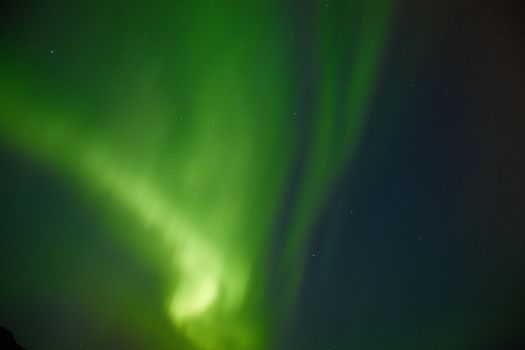
Chasing the Celestial Dance: Unveiling the Northern Lights Like a Local
The first time I saw the Northern Lights, it was... underwhelming. I was on a crowded bus tour in a popular spot, jostling for space, straining my neck, and seeing only a faint smudge on the horizon that my camera picked up better than my eyes. "Is that it?" I remember thinking, a pang of disappointment echoing in the crisp Arctic air. It wasn't the ethereal, dancing spectacle I’d dreamed of.
That night, I vowed to do it differently. I spent the rest of my trip talking to locals – hotel staff, café owners, even a friendly snowmobile guide – asking them where they went to see the aurora. Their eyes would light up, a knowing smile playing on their lips as they’d point to a distant peak, a quiet lake, or a secluded forest clearing. And that, my friends, is how I unlocked the true magic of the Aurora Borealis.
Fast forward years later, and I've become an unofficial "aurora whisperer," always on the hunt for those authentic, breathtaking experiences. For Tripsora, I've compiled an exclusive list of Northern Lights viewing spots that are currently trending with locals – places where you can escape the crowds, soak in the silence, and witness the sky's greatest show in its purest form. These aren't just pretty places; they're strategic havens recommended by those who live under the aurora's glow every winter.
Why Locals Know Best: The Unwritten Rules of Aurora Chasing
Before we dive into the specific locations, let's understand why local knowledge is your ultimate weapon in the aurora chase.
Locals understand:
- Microclimates: They know which valleys get cloud cover, which mountain passes offer clear skies, and where the wind tends to dissipate clouds. Weather apps are great, but local intuition about specific pockets of land is invaluable.
- Light Pollution Hotspots: They instinctively know which directions to avoid for optimal darkness, steering clear of town glows or distant highway lights.
- Optimal Timing: While aurora forecasts give a Kp-index, locals often have a feel for when the aurora is "active" based on subtle atmospheric cues or even just years of observation.
- Logistics & Safety: They can advise on road conditions, safe parking spots, emergency services, and where to warm up with a hot drink afterward – crucial in remote, freezing environments.
- Hidden Gems: They know the secret viewpoints, the quiet clearings, and the spots that offer a unique foreground for those Instagram-worthy shots, far from busloads of tourists.
This isn't just about avoiding crowds; it's about enhancing your entire experience, making it more intimate, more authentic, and ultimately, more unforgettable.
---
1. Iceland: The Snæfellsnes Peninsula's Hidden Lagoon
Forget the Golden Circle crowds. While iconic, spots like Jökulsárlón can get busy. Locals in Iceland are increasingly heading to the Snæfellsnes Peninsula, often dubbed "Iceland in Miniature," for a more serene and equally spectacular aurora hunt. My personal favorite, and a trending local secret, is a specific spot near Gerðuberg Cliffs, overlooking a small, unnamed lagoon.
Why it's Trending with Locals:
The peninsula offers dramatic coastal landscapes, volcanic formations, and minimal light pollution. The Gerðuberg Cliffs provide a stunning, geometric basalt column foreground, and the lagoon often offers calm reflections of the aurora, doubling the magic. It’s far enough from Reykjavík to ensure dark skies but still accessible.
The Experience:
Imagine standing beneath towering hexagonal basalt columns, their dark forms silhouetted against a sky painted in neon green. The air is still, save for the gentle lapping of water in the lagoon, reflecting the celestial dance above. It’s a primal, almost spiritual experience. I once spent an entire evening here, wrapped in layers, sipping hot chocolate from a thermos, as the aurora pulsed and twisted directly overhead. No crowds, just me, the cliffs, and the sky.
Practical Tips:
* Location: Drive along Road 54 on the Snæfellsnes Peninsula. The cliffs are easily visible. There are pull-offs and small tracks leading to viewpoints near the lagoon. Exact GPS coordinates are tricky as it's not an "official" spot, but ask at local guesthouses in Grundarfjörður or Stykkishólmur for directions to "the lagoon spot near Gerðuberg."
* Getting There: Best by rental car (4x4 recommended in winter). It’s about a 2-hour drive from Reykjavík.
* Accommodation: Stay in Grundarfjörður (home of Kirkjufell mountain), Stykkishólmur, or Arnarstapi. Guesthouses like Hotel Hellnar or Arnarstapi Hotel offer cozy bases.
* Costs: Self-driving is the most cost-effective. Tours to Snæfellsnes are available, but specify you want to go off the beaten path or look for private tours. A typical rental car for a few days might cost €50-€100/day, plus fuel.
* Instagram-worthy: The basalt columns and their reflections are chef's kiss for photography. Bring a wide-angle lens!
---
2. Norway: Senja Island's Coastal Wilderness
While Tromsø is famous, and Lofoten is breathtaking, locals in Northern Norway are increasingly pointing travelers towards Senja Island. This majestic island, Norway's second-largest, offers dramatic fjords, jagged mountains plunging into the sea, and pristine wilderness that guarantees dark skies and unparalleled views.
Why it's Trending with Locals:
Senja boasts fewer tourists than its more famous neighbors, meaning more solitude and a raw, untamed beauty. Its diverse landscapes offer countless viewpoints – from sandy beaches to mountain peaks. The drive itself is an adventure along scenic routes.
The Experience:
My first visit to Senja felt like stepping into a postcard. We drove along the "National Tourist Route Senja," stopping at viewpoints like Tungeneset (with its famous "Devil's Jaw" rock formation) and Bergsbotn viewpoint. One night, we pulled off near a quiet beach in Ersfjordbotn. As the green ribbons began to unfurl across the sky, they mirrored perfectly in the calm waters of the fjord. The silence was absolute, broken only by the gentle lapping of waves. It was a moment of pure, unadulterated awe, feeling like we had the entire Arctic wilderness to ourselves.
Practical Tips:
* Location: Senja Island is accessible by ferry from Tromsø or by bridge from the mainland near Finnsnes. Key viewpoints include Tungeneset, Bergsbotn, and Ersfjordbotn.
* Getting There: Fly into Tromsø (TOS), then take a bus or rent a car for the drive to Finnsnes and over the bridge. A car is essential for exploring the island.
* Accommodation: Stay in charming fishing villages like Hamn i Senja, Mefjordvær, or Skaland. Hamn i Senja offers cabins with fantastic views and activities. Expect prices for a cabin to be around €150-€300 per night.
* Costs: Self-drive is best. Tours specifically to Senja for aurora are less common than Tromsø, but private guides can be arranged. Budget for car rental, accommodation, and food.
* Instagram-worthy: The iconic "Devil's Jaw" at Tungeneset with the aurora overhead is a must-capture. The reflections in the fjords are also incredible.
---
3. Finland: Syöte National Park's Silent Forests
When Finns want to escape the more popular Lapland hubs like Rovaniemi or Levi, many head to Syöte National Park. Located in Southern Lapland, this area offers a different kind of aurora experience: one steeped in the quiet magic of ancient, snow-laden forests and rolling fells.
Why it's Trending with Locals:
Syöte provides a pristine wilderness environment with minimal light pollution, far from city glows. Its unique landscape of old-growth spruce forests, often covered in thick "tykky" snow (heavy snow clinging to trees), creates a magical, otherworldly setting for aurora viewing. Locals appreciate the tranquility and the opportunity for snowshoeing or cross-country skiing under the lights.
The Experience:
I remember a night in Syöte where the snow was so deep and fresh, it muffled every sound. We rented snowshoes and trekked a short distance from our cabin to a small clearing, surrounded by trees heavy with snow, resembling giant, silent guardians. Suddenly, the sky erupted in a vibrant green, weaving through the branches like a celestial river. It wasn't the wide-open panorama of a fjord, but an intimate, almost cozy aurora experience, framed by the stark beauty of the winter forest. It felt like being inside a snow globe, watching the magic unfold. Afterwards, a traditional Finnish sauna and a dip in the snow (if you're brave!) completed the authentic experience.
Practical Tips:
* Location: Syöte National Park is located about 140 km northeast of Oulu. The main visitor center is in Syöte. Look for clearings or frozen lake shores within the park, easily accessible from marked trails.
* Getting There: Fly into Oulu (OUL), then rent a car. The drive takes about 1.5-2 hours. Buses also run from Oulu to Syöte.
* Accommodation: Options range from cozy log cabins (like those at Iso-Syöte Ski Resort or Syöte Central Booking) to boutique hotels. A cabin might cost €100-€250 per night. Many cabins have private saunas!
* Costs: Car rental and accommodation are the main costs. Activities like snowshoeing or cross-country skiing gear rental are affordable (€15-€30/day). Guided aurora tours are available but less common than in Rovaniemi, often focusing on snowshoeing or husky sledding combined with aurora viewing (€80-€150).
* Instagram-worthy: The "tykky" snow-covered trees silhouetted against the aurora create a unique, fairytale aesthetic.
---
4. Sweden: The Icehotel's Backyard Secrets in Jukkasjärvi
While Jukkasjärvi is famous for the Icehotel, many tourists focus solely on the hotel itself. Locals, however, know that the real aurora magic happens around the village, away from the hotel's ambient lights. They seek out specific spots along the Torne River or in the surrounding forests.
Why it's Trending with Locals:
Jukkasjärvi is far north, within the aurora zone, and boasts incredibly dark skies once you step away from any artificial light. The frozen Torne River provides a vast, open expanse, perfect for unobstructed views, and the nearby forests offer sheltered spots with beautiful foregrounds.
The Experience:
After exploring the incredible artistry of the Icehotel by day, I ventured out one evening with a local guide (who also happened to be a dog sled musher). He led us a short distance from the village, past a cluster of Sami lavvus (traditional tents), to a secluded bank of the frozen Torne River. We laid out reindeer skins on the ice, poured hot lingonberry juice, and simply waited. The aurora, when it appeared, was a vibrant green curtain dancing over the vast, silent expanse of the frozen river. It felt ancient, powerful, and deeply connected to the Sami culture that thrives here. The silence was profound, broken only by the occasional crackle of the ice underfoot.
Practical Tips:
* Location: Jukkasjärvi is just 20 km from Kiruna. Look for spots along the frozen Torne River, or ask locals for directions to specific forest clearings. The area near Nutti Sámi Siida (Sami Culture and Reindeer Camp) often has excellent dark sky access.
* Getting There: Fly into Kiruna (KRN), then take a taxi or shuttle to Jukkasjärvi. Many Icehotel packages include transfers.
* Accommodation: Stay at the Icehotel (either the original or the year-round Icehotel 365) for a unique experience, or opt for more traditional cabins or guesthouses in Kiruna or Jukkasjärvi. Prices for the Icehotel can be steep (€300-€700+ per night for an ice room), while warm rooms or local guesthouses are more affordable (€100-€200).
* Costs: A guided aurora tour from Kiruna or Jukkasjärvi is highly recommended here, often including transport, warm clothing, and fika (Swedish coffee break with snacks). Expect €80-€150 for a tour. Self-driving is also an option if you're confident with winter roads.
* Instagram-worthy: The Icehotel itself, illuminated by the aurora, is stunning. But the wide-open expanse of the frozen Torne River, especially with a Sami lavvu or reindeer in the foreground, offers truly unique shots.
---
5. Canada: Yukon's Emerald Lake Serenity
Crossing the Atlantic, Canada's Yukon Territory offers some of the most pristine and powerful aurora viewing experiences on Earth. While Whitehorse is the hub, locals often venture out to specific, incredibly dark locations. One trending spot is Emerald Lake, a picturesque lake along the South Klondike Highway.
Why it's Trending with Locals:
Emerald Lake is known for its stunning turquoise waters in summer, but in winter, when frozen and covered in snow, it becomes an ideal, easily accessible dark sky location. Its relatively flat, open surroundings mean wide-open views of the horizon, and its distance from Whitehorse guarantees minimal light pollution.
The Experience:
The Yukon aurora is often described as more intense, more vibrant, and more expansive. My night at Emerald Lake was exactly that. The air was so crisp it hurt, but the sky... oh, the sky! The aurora started as a faint arch, then exploded into a pulsating crown directly overhead, swirling in greens and purples. We had set up our cameras on tripods, but honestly, I spent more time just staring, mouth agape, at the sheer power and beauty of it all. The frozen lake stretched out before us, a vast, white canvas reflecting the celestial spectacle. It felt like standing on the edge of the world, witnessing a cosmic ballet.
Practical Tips:
* Location: Emerald Lake is approximately 60 km south of Whitehorse, Yukon, along the South Klondike Highway (Highway 2). There are several pull-offs and viewpoints along the lake.
* Getting There: Fly into Whitehorse (YXY). Rent a 4x4 vehicle (essential for winter driving in Yukon) or book an aurora tour from Whitehorse.
* Accommodation: Stay in Whitehorse (e.g., Coast High Country Inn, Yukon Inn) and drive out for viewing. There are also remote cabins and lodges around Whitehorse that specialize in aurora viewing, such as Northern Lights Resort & Spa or Sundog Retreat. Prices for lodges can range from €200-€500+ per night, often including aurora viewing services.
* Costs: Rental car costs can be higher in Yukon due to the specialized vehicles needed (€70-€150/day). Guided aurora tours from Whitehorse are very popular and highly recommended for safety and local knowledge, often including transport, hot drinks, and snacks (€100-€200 per person).
* Instagram-worthy: The vastness of the Yukon landscape, with the aurora stretching horizon to horizon, is incredibly photogenic. The frozen lake provides a beautiful, reflective foreground.
---
Your Aurora Chasing Playbook: Insider Tips & Tricks from a Local Pro
Now that you have your trending spots, here’s how to maximize your chances and make your aurora experience truly unforgettable.
- Timing is Everything:
- Season: Late August to early April is aurora season. The darkest months (December to February) offer the most hours of darkness, increasing your chances.
- Time of Night: The aurora is most active between 10 PM and 2 AM, but can appear anytime from sunset to sunrise. Be patient!
- Moon Phase: A new moon offers the darkest skies, making fainter auroras more visible. However, a bright aurora can easily outshine a full moon. A crescent moon can even add a beautiful element to your photos.
- Weather: Clear skies are paramount! Use local weather forecasts (e.g., yr.no for Scandinavia, Environment Canada for Yukon) and cloud cover maps (like aurora-service.eu) religiously.
- Dress for Success (and Survival!):
- Layers, Layers, Layers: Start with thermal base layers (wool or synthetic), add a fleece or wool mid-layer, and finish with a waterproof and windproof outer shell (jacket and pants).
- Extremities: This is where you lose heat! Invest in thick, insulated gloves or mittens (with thin liner gloves for camera operation), a warm hat that covers your ears, a neck gaiter, and insulated, waterproof winter boots with thick wool socks. Hand and foot warmers are your best friends.
- Pro Tip: Bring a spare set of gloves and socks in case yours get wet.
- Mastering Aurora Photography:
- Tripod: Non-negotiable for long exposures.
- Manual Mode: Essential!
- Aperture: Widest possible (lowest f-number, e.g., f/2.8, f/3.5).
- ISO: Start at ISO 800-1600, adjust higher (e.g., 3200-6400) for fainter auroras or shorter exposures.
- Shutter Speed: Start at 10-15 seconds. For brighter, faster-moving auroras, reduce to 5-8 seconds. For fainter, slow-moving ones, try 20-25 seconds. Experiment!
- Focus: Manual focus to infinity. Set it during the day or on a distant light source, then tape it to prevent accidental changes.
- Battery Life: Cold drains batteries fast! Keep spare batteries in an inside pocket close to your body heat.
- Headlamp: A red-light headlamp is ideal as it preserves your night vision and won't interfere with other photographers.
- Stay Safe & Respectful:
- Inform Someone: If venturing to remote spots, tell your accommodation or a friend where you're going and when you expect to return.
- Emergency Kit: Always carry a fully charged phone, external power bank, first-aid kit, extra food/water, and a shovel (for snow).
- Winter Driving: Be extremely cautious. Stick to main roads, drive slowly, and ensure your rental car has appropriate winter tires.
- Leave No Trace: Pack out everything you pack in. Respect local wildlife and private property.
- Aurora Forecasts & Apps:
- Space Weather Prediction Center (SWPC): NOAA's website offers excellent long-term forecasts.
- Aurora Forecast App: Available for iOS and Android, uses real-time data for Kp-index predictions.
- My Aurora Forecast & Alerts: Another popular app with live data.
- Local Tourism Boards: Often provide excellent up-to-date local aurora forecasts and viewing tips.
---
The Sky Awaits: Your Unforgettable Aurora Journey Starts Now!
The Northern Lights are more than just a phenomenon; they are an experience that touches your soul, a reminder of the raw, untamed beauty of our planet. By venturing beyond the well-trodden paths and embracing the wisdom of those who call these Arctic lands home, you're not just seeing the aurora; you're living it.
These trending local spots offer a chance for a more intimate, authentic, and truly breathtaking encounter with the celestial dancer. So, pack your warmest layers, charge your camera, and get ready to witness a spectacle that will forever be etched in your memory.
Have you discovered a secret aurora spot? Share your experiences in the comments below! And don't forget to bookmark this guide and share it with your fellow adventurers – because the magic of the Northern Lights is best experienced, and shared, with those you love.
---