1. The Hook: A Breath of Cedar and Silence
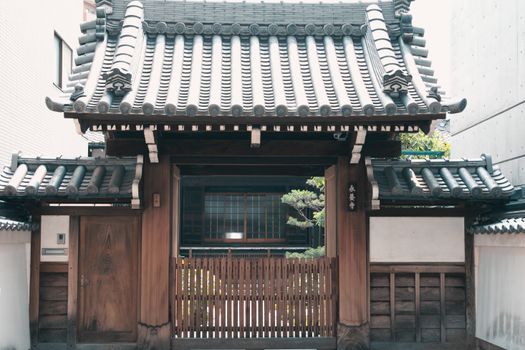
I stepped off the Shinkansen at Kyoto Station, but I wasn't looking for the golden temples. I was hunting for a specific shadow. Ten minutes later, I stood inside a renovated machiya (traditional townhouse) in the Shimogyo ward. The air smelled faintly of fresh tatami and light-roasted coffee—not the heavy incense I expected.
The walls were a pale, "Stockholm white," but the joinery was pure Japanese cedar. No nails, just perfect friction. As I sat on a low-slung chair designed by Hans Wegner but upholstered in Kyoto silk, I realized why every high-end travel advisor is currently obsessed with this aesthetic. It isn’t just a "look"; it’s a physiological reset. This is the world of Nordic minimalism inspiring Asian design travel advisors suggest, and it is the most refreshing way to see the East right now.
2. The Rise of "Japandi": Why the North and East are Soulmates
You might wonder what a fjord-dwelling Swede and a forest-dwelling Japanese artisan have in common. The answer is intentionality.
Both cultures share a deep-seated reverence for natural materials, a "less is more" philosophy, and a obsession with light. In the West, we call it Hygge (coziness); in Japan, it’s Wabi-Sabi (finding beauty in imperfection). When these two worlds collide, you get spaces that feel warm despite their minimalism.
Travel advisors are seeing a massive uptick in "Design Pilgrimages." Travelers no longer want "gilded luxury"; they want "quiet luxury." They want the $800-a-night hotel that looks like a monastery but feels like a hug.
3. Tokyo: The Epicenter of Functional Zen
Tokyo is where this fusion reaches its fever pitch. If you want to see how Nordic minimalism inspires Asian design, head straight to the Daikanyama neighborhood.
Where to see it:
* Daikanyama T-Site: Designed by Klein Dytham Architecture. It’s a library-meets-retail space that uses a "T" motif in the masonry. It feels like a Scandinavian forest made of books.
* Hoshinoya Tokyo: This is a "vertical Ryokan." While deeply Japanese, the way they use negative space and light-colored woods screams Scandinavian sensibility.
Pro-Tip:
Skip the crowded Shibuya Crossing photos. Instead, walk five minutes to Be A Good Neighbor Coffee Kiosk. It’s a 20-square-foot masterclass in Scandi-Japanese efficiency. Order the hand-drip and watch the barista work with the precision of a Swiss watchmaker.
4. Seoul: The "Scandi-Hanok" Revolution
Seoul is currently the coolest city on the planet, and its design scene is a major reason why. In the Bukchon Hanok Village, young architects are gutting 14th-century traditional houses and installing floor-to-ceiling glass, heated concrete floors, and mid-century Danish furniture.
The Insider Spot:
Check out Layered Home. It’s a showroom/cafe hybrid where the "New Nordic" aesthetic is applied to Korean living. You’ll see raw linen curtains paired with heavy stone pagodas. It sounds like it shouldn't work, but it feels like the future of home.
Pro-Tip:
The hidden entrance to the best minimalist tea house in Samcheong-dong is behind a heavy, unlabelled rusted steel door. Look for the small "Quiet" sign. It’s called Tea Collective, and it’s where local designers go to "disappear."
5. The Craftsmanship Connection: Wood, Light, and Paper
What travel advisors suggest looking for is the "Dialogue of Materials."
* The Wood: Look for light oak or ash (Nordic) being used in traditional Japanese joinery (Kigumi).
* The Light: Notice the use of Washi paper lamps (like the Noguchi Akari series) which provide the soft, diffused glow essential to Nordic hygge.
* The Palette: It’s all about "Greige"—the intersection of grey and beige.
6. Curated Itinerary: The Design Lover’s Hit List
If you’re planning a 10-day "Minimalist Asia" tour, this is the gold standard:
- Days 1-3: Tokyo. Focus on the Nezu Museum. Kengo Kuma’s architecture here is the ultimate example of Nordic minimalism inspiring Asian design. The bamboo-lined entrance is a sensory palate cleanser.
- Days 4-6: Kyoto. Stay at The Shinmonzen. Designed by Tadao Ando, it’s a contemporary take on a traditional inn. It’s sharp, concrete, and wooden—the trifecta of modern minimalism.
- Days 7-10: Seoul. Spend your time in Hannam-dong. Visit the Leeum Museum of Art. The architecture by Jean Nouvel and Rem Koolhaas sets the stage for the minimalist galleries inside.
7. Quick Facts: Logistics & Budget
| Category | Detail | Estimated Cost (USD) |
| :--- | :--- | :--- |
| Best Time to Visit | October - November (Crisp air, perfect light) | N/A |
| Luxury Stay | Aman Tokyo or The Shinmonzen | $900 - $1,500/night |
| Boutique Stay | K5 Tokyo or Trunk Hotel | $250 - $450/night |
| Daily Food/Transport | High-end cafes & Rail Pass | $100 - $200/day |
| How to Get There | Fly into HND (Tokyo) or ICN (Seoul) | $800 - $1,400 (Economy) |
Pro-Tip:
Buy a JR Pass before you leave your home country. It’s the only way to hop between these design hubs affordably.
8. The Verdict: Why This Matters
We live in a loud world. The reason Nordic minimalism inspiring Asian design is the top trend travel advisors suggest is that it offers a "visual silence." When you walk into a room that has been stripped of the unnecessary, your brain finally stops "processing" and starts "being."
Whether it's a ceramic cup in a Seoul basement or the way a shadow falls across a cedar wall in Kyoto, these moments of design fusion are the ultimate luxury. They aren't just pretty; they are a lifestyle of curated peace.
---