The Hook: A Golden Hour Revelation in Bangkok
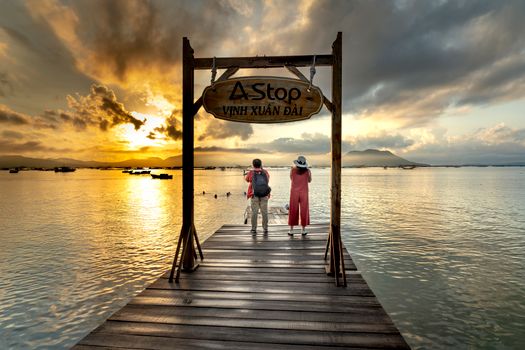
I stepped off the long-tail boat onto the private pier of a riverside villa, the scent of crushed lemongrass and humid jasmine thick in the air. The sun was a bruised orange, sinking behind the Wat Arun spires. Within seconds, a cold, scented towel was pressed into my hand, and a glass of butterfly pea tea appeared as if by magic.
In New York or London, this level of anticipatory service would come with a looming, obligatory 20-30% surcharge. But here in Thailand, as I handed the porter a 100-baht note (less than $3) for his impeccable care of my luggage, he bowed with a genuine "Wai" that felt like a blessing, not a transaction.
This is the secret travel advisors whisper about: there are corners of the world where "luxury" isn't a price point, but a standard of hospitality fueled by cultures that value service over solicitation. By choosing countries where tipping is modest, included, or even discouraged, you effectively slash your "luxury tax" by a third.
1. Thailand: The Land of Smiles and Subsidized Splendor
In Thailand, the service is legendary, but the tipping culture is refreshingly low-pressure. In high-end hotels, a 10% service charge is usually baked into the bill. While Americans often feel the urge to over-tip, travel advisors suggest that "rounding up" or leaving small bills is the local way to show appreciation without inflating the local economy.
The Luxury Factor:
You can secure a private pool villa in Phuket for $250 a night that would cost $1,500 in Maui. Because you aren't fighting "tip creep" at every meal, your daily spend remains shockingly low.
- Pro-Tip: When dining at "Hiso" (high society) restaurants in Bangkok, check the bill for the "plus plus" (10% service and 7% tax). If the 10% is there, no further tip is expected, though a 100-baht note for the server is a classy move.
2. Japan: The Luxury of Zero Tipping
Japan is the ultimate "Travel Advisor" hack for luxury lovers. Here, tipping is not just unnecessary—it can be seen as an insult. The Japanese philosophy of Omotenashi (wholehearted hospitality) means that the staff provides their absolute best because it is their duty, not because they are chasing a gratuity.
The Luxury Factor:
You get the most disciplined, meticulous service on the planet at a fixed price. From the Ryokan attendants who lay out your futon with geometric precision to the Michelin-starred sushi chefs, the price you see is the price you pay.
- Pro-Tip: If you feel an overwhelming need to show gratitude at a high-end Ryokan, place a crisp 1,000 or 2,000 yen note inside a poshi bukuro (small decorative envelope). Never hand over "naked" cash; it’s considered gauche.
3. Vietnam: Colonial Elegance and the Modest Gratuity
Vietnam offers some of the best "bang for your buck" in the luxury sector. In cities like Hanoi and Da Nang, the French colonial influence meets Southeast Asian warmth. While tipping isn't traditional, the rise of high-end tourism has made small tips appreciated but never demanded.
The Luxury Factor:
A 90-minute massage at a five-star spa might cost $40. A $5 tip there is considered extremely generous and will likely earn you the "preferred guest" treatment for the rest of your stay.
- Pro-Tip: The "hidden entrance" to the best cocktail bar in Hanoi, The Alchemist, is behind a nondescript door on Nguyen Quang Bich street. The service is world-class, and a simple "keep the change" on a 200,000 VND bill is all that’s needed.
4. Morocco: The Art of the 'Baksheesh'
Morocco operates on a system of Baksheesh. It’s a more active tipping culture than Japan, but the amounts are so nominal that luxury remains incredibly affordable. A few dirhams (pennies, essentially) go a long way in the winding souks of Marrakech.
The Luxury Factor:
Staying in a converted palace (a Riad) involves a level of personal service—think private rooftop breakfasts and personal shoppers—that would be unaffordable elsewhere.
- Pro-Tip: Always carry a pocket full of 10 and 20 Dirham notes. If a local helps you find your way through the Medina (which is a labyrinth designed to confuse), a 20 Dirham note ($2) is a fair exchange for their time.
5. Portugal: Europe’s Best Kept Luxury Secret
While the rest of Western Europe has seen prices skyrocket, Portugal remains an anomaly. In Lisbon and the Douro Valley, tipping is subtle. Locals might leave a few coins at a café, and in fine dining, a 5-10% tip is considered generous.
The Luxury Factor:
You can enjoy a private boat tour of the Douro Valley with a sommelier for a fraction of the cost of a similar experience in Bordeaux or Tuscany.
- Pro-Tip: Visit the Alfama district at 7 AM. The light hitting the Azulejos (blue tiles) is breathtaking, and you’ll have the streets to yourself before the cruise ship crowds arrive.
6. Argentina: High-End Living at "Blue Dollar" Rates
Argentina is a unique case where the "Blue Dollar" (unofficial exchange rate) makes luxury living incredibly cheap for foreigners. While tipping (propina) is standard (usually 10%), the base cost of high-end steaks and world-class Malbec is so low that the tip is negligible.
The Luxury Factor:
You can dine at world-renowned restaurants like Don Julio for significantly less than a mid-range steakhouse in Chicago.
- Pro-Tip: Always tip in cash (pesos or USD), even if you pay the bill by card. Servers often don't receive tips added to credit card slips.
Quick Facts: Luxury on a Budget
| Country | Luxury Level | Tipping Custom | Est. Daily Luxury Spend (USD) | Best Time to Visit |
| :--- | :--- | :--- | :--- | :--- |
| Thailand | 5/5 | 10% Service + Small Change | $150 - $250 | Nov - Feb |
| Japan | 5/5 | No Tipping | $250 - $400 | April (Cherry Blossoms) |
| Vietnam | 4.5/5 | Small bills (optional) | $100 - $180 | Feb - April |
| Morocco | 4/5 | Frequent small coins | $120 - $220 | March - May |
| Portugal | 4.5/5 | 5-10% in restaurants | $180 - $300 | Sept - Oct |
| Argentina | 5/5 | 10% in cash | $100 - $200 | Oct - Dec |
Authenticity: Beyond the Price Tag
Luxury isn't just about the thread count of your sheets; it’s about the lack of friction. In these countries, the "friction" of calculating a complex tip or worrying if you’ve paid enough to ensure good service tomorrow is removed.
In Portugal, it’s the way the waiter remembers you prefer your espresso with a twist of lemon. In Vietnam, it’s the way the concierge remembers your name after one meeting. This is "High-Authority" travel—knowing where your dollar is respected, and where the service is an art form rather than a transaction.
Logistics: How to Get There
* Thailand/Vietnam: Look for "open-jaw" flights (fly into Bangkok, out of Hanoi) on carriers like Qatar Airways or Emirates, which often offer luxury cabins at competitive rates.
* Portugal: TAP Air Portugal offers a "Stopover" program where you can stay in Lisbon for up to 10 days on your way to other European cities for no extra airfare.
* Japan: Use the JR Pass (if doing multiple cities) but remember that luxury in Japan is often found in the neighborhood Izakayas just as much as the Ginza high-rises.
---