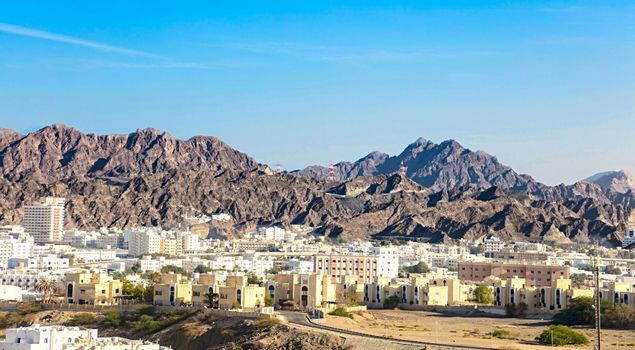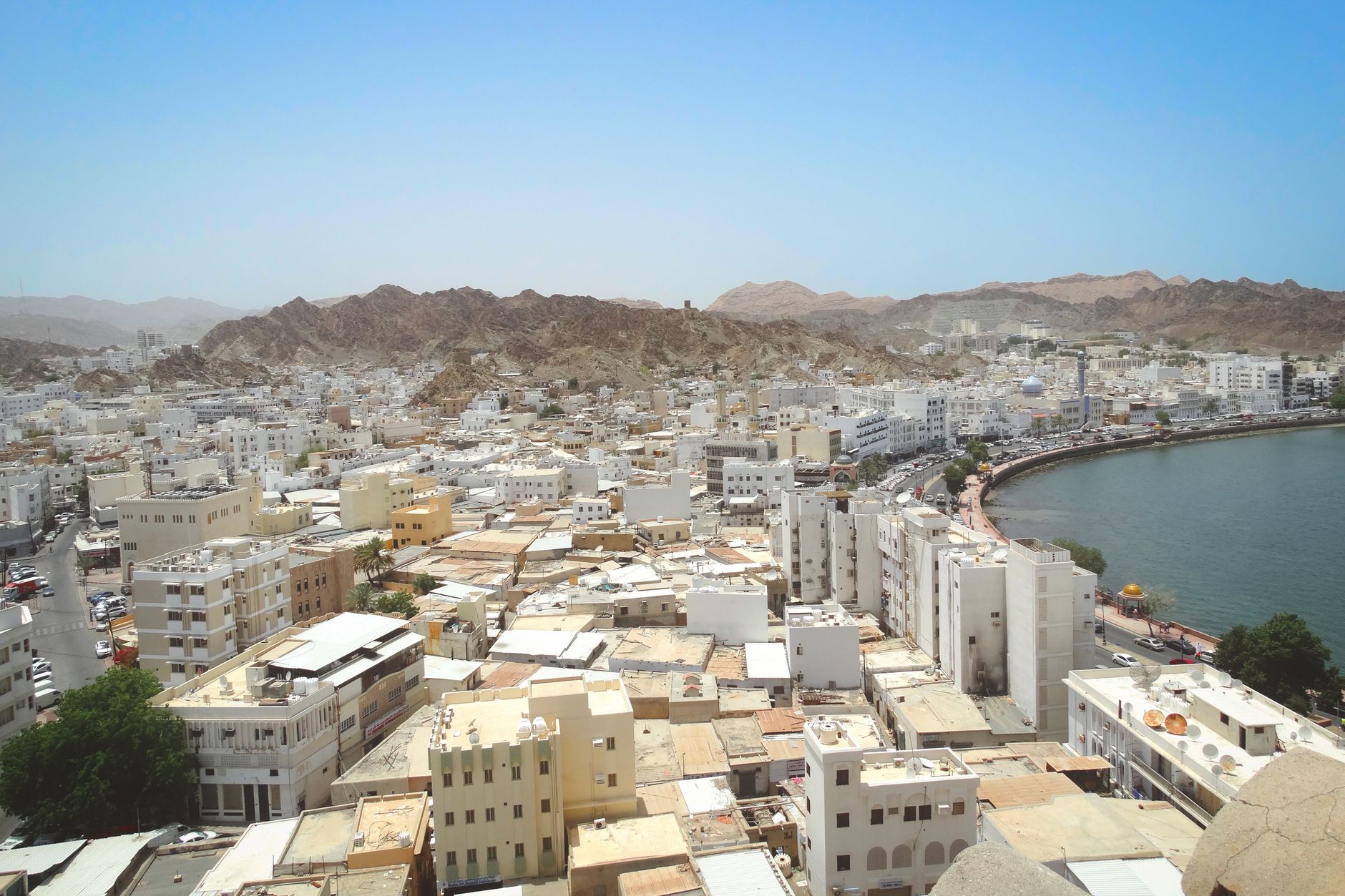
Planning a week-long escape to Oman's captivating capital? This detailed 7 days in Muscat itinerary is designed to help you uncover the city's unique blend of ancient traditions and modern development, from stunning architecture to dramatic landscapes. You will navigate Muscat's key attractions, enjoy authentic Omani cuisine, and discover the charm of its coastal setting.
7 Days in Muscat Itinerary: At a Glance
| Category | Details |
|---|---|
| Best Time to Visit | October to April (cooler temperatures) |
| Typical Daily Cost (approx.) | £80-£150 per person (mid-range, excluding accommodation) |
| How to Get There | Fly into Muscat International Airport (MCT) |
| Recommended Duration | 5-7 days for a comprehensive experience |
| Currency | Omani Rial (OMR) |
| Language | Arabic (English widely spoken in tourist areas) |
Please note: All prices are approximate and in GBP. Always check current exchange rates, entry fees, and travel requirements before your trip.
Where to Stay in Muscat
Muscat offers various neighbourhoods, each with a distinct character, suitable for different travel styles.
- Mutrah: Ideal for those who want to be close to traditional markets, the corniche, and historical sites. Accommodation here ranges from budget-friendly guesthouses to mid-range hotels. It's a great base for experiencing local life.
- Qurum: A more modern and upscale area, known for its beautiful beach, parks, and dining options. It offers a good balance of relaxation and accessibility to other parts of the city, with many international hotel chains.
- Al Khuwair: Often considered a central business district, Al Khuwair provides a wide range of hotel options, from budget to mid-range. It's well-connected and offers good value, with numerous local restaurants and shops.
- Shatti Al Qurum: An affluent area along the coast, featuring luxury resorts and high-end dining. It's perfect for travellers seeking comfort, beach access, and a quieter atmosphere, though further from the traditional souqs.
Getting Around Muscat
Muscat is a sprawling city, and public transport options are limited. Taxis are the most common way to get around, and ride-hailing apps like Oman Taxi are widely used. For greater flexibility, especially for day trips, renting a car is highly recommended. Roads are generally well-maintained, and navigation is straightforward.
Pro tip: Always agree on a taxi fare before starting your journey, or ensure the meter is used. Using a ride-hailing app often provides transparent pricing.
Day 1: Arrival and Mutrah's Coastal Charm
Morning: Arrival and Check-in
Arrive at Muscat International Airport (MCT). Take a taxi to your accommodation. Allow approximately 30-45 minutes for the journey, depending on traffic and your hotel's location. The approximate taxi cost is £15-£25.
Afternoon: Mutrah Corniche and Souq
Head to Mutrah, the historic heart of Muscat. Begin with a leisurely stroll along the scenic Mutrah Corniche, offering picturesque views of the harbour, traditional dhows, and the rugged Hajar Mountains. Afterwards, immerse yourself in the labyrinthine alleys of Mutrah Souq (also known as Souq Al Dhalam). This traditional market offers everything from Omani frankincense, pashminas, and spices to intricate jewellery and souvenirs. Allow 2-3 hours for exploring and haggling.
Evening: Dinner with a View
Enjoy a traditional Omani dinner at a local restaurant along the Corniche, perhaps trying Shuwa (slow-cooked lamb or goat) or grilled fish. Afterwards, take a short walk to Riyam Park to see the giant incense burner monument illuminated at night.
Where to Eat: Numerous small, local eateries in Mutrah Souq offer authentic Omani and Indian cuisine. For a sit-down meal, look for restaurants with Corniche views.
Day 2: Grandeur and Culture
Morning: Sultan Qaboos Grand Mosque
Start your day with a visit to the magnificent Sultan Qaboos Grand Mosque, one of the largest and most impressive mosques in the world. Admire its stunning architecture, intricate Islamic art, and the world's second-largest hand-woven carpet. Non-Muslim visitors are welcome from 8:00 AM to 11:00 AM, Saturday to Thursday. Dress code is strict: women must cover their hair, arms, and legs; men should wear long trousers and shirts. Allow 1.5-2 hours.
Afternoon: Royal Opera House Muscat and Qurum Beach
From the mosque, take a taxi (approx. 15-20 minutes) to the Royal Opera House Muscat. Even if you don't attend a performance, the building's contemporary Omani architecture is worth seeing. You can often take a guided tour of the interior during the day. Afterwards, relax at Qurum Beach, a popular spot for locals and visitors. Enjoy the sun or take a casual stroll along the shore.
Evening: Dining in Qurum
Qurum offers a wide array of dining options, from international cuisine to local Omani restaurants. Enjoy a meal overlooking the beach or choose from the many establishments in the commercial areas.
Day 3: Historical Muscat and Museums
Morning: Old Muscat and Palaces
Take a taxi to Old Muscat (approx. 20-30 minutes from Qurum). This area is home to the Al Alam Palace, the ceremonial palace of Sultan Haitham bin Tariq. You can admire its distinctive mushroom-shaped pillars from outside the gates. Flanking the palace are the 16th-century Portuguese forts of Al Mirani and Al Jalali, which are not open to the public but offer impressive photo opportunities from the outside. Stroll through the quiet, historic streets.
Afternoon: Bait Al Zubair Museum and National Museum
Visit Bait Al Zubair Museum, a private museum showcasing Omani heritage, traditional costumes, weapons, and historical artefacts. It provides excellent insight into Omani culture. Allow 1-1.5 hours. A short walk away is the National Museum of Oman, offering a comprehensive overview of the Sultanate's history, from prehistory to the present day, with modern interactive displays. Allow 2-3 hours.
Evening: Seafood Dinner
Muscat is known for its fresh seafood. Seek out a local restaurant offering grilled fish or prawns, a staple of Omani cuisine. Many restaurants in the Al Khuwair or Ruwi areas offer excellent choices.
Day 4: Wadi Shab and Bimmah Sinkhole Day Trip
Full Day: Natural Wonders
Embark on a full-day excursion south of Muscat to experience Oman's stunning natural beauty. Renting a 4x4 vehicle is recommended for this trip, or you can join an organised tour. The drive to Wadi Shab takes approximately 1.5-2 hours. Upon arrival, you'll take a short boat ride across a river, followed by a hike (approx. 45 minutes to 1 hour each way) through the wadi, past emerald pools and lush greenery. The reward is reaching a hidden cave with a waterfall, accessible by swimming through several pools. Remember to wear appropriate footwear for hiking and swimming gear.
On your way back to Muscat, stop at the Bimmah Sinkhole, a spectacular limestone crater filled with clear turquoise water, perfect for a refreshing swim. Allow 30-45 minutes here.
Evening: Relaxed Dinner
After a day of adventure, enjoy a relaxed dinner back in Muscat, perhaps trying a popular Omani dish like Harees (wheat and meat porridge) or Machboos (spiced rice with meat or fish).
Pro tip: For Wadi Shab, wear sturdy shoes that can get wet, bring plenty of water, and ensure you have sun protection. Modest swimwear is advisable.
Day 5: Coastal Drive to Barka and Nakhal Fort
Morning: Barka Fish Market and Halwa Factory
Take a scenic drive north along the coast to the town of Barka (approx. 45-60 minutes). Arrive early (around 7-9 AM) to witness the lively Barka Fish Market, where local fishermen bring in their catch of the day. It's a vibrant and authentic experience. Afterwards, visit a traditional Omani Halwa factory in Barka to see how this sweet, jelly-like delicacy is made and sample some. Halwa makes for an excellent souvenir.
Afternoon: Nakhal Fort and Hot Springs
Continue your drive inland to Nakhal (approx. 30 minutes from Barka). Explore Nakhal Fort, a magnificent pre-Islamic fort beautifully restored and set against a backdrop of date palm plantations and rugged mountains. The fort offers panoramic views of the surrounding oasis. Afterwards, visit the nearby Ain Al Thowarah hot springs, a natural oasis where warm water flows from the mountains. You can dip your feet in the pools.
Evening: Return to Muscat
Drive back to Muscat (approx. 1 hour). Enjoy dinner at a restaurant in the Al Ghubrah area, known for its diverse culinary scene.
Day 6: Modern Muscat and Sunset Cruise
Morning: Al Mouj Muscat (The Wave)
Explore Al Mouj Muscat, a modern waterfront development featuring a marina, golf course, and residential areas. It's a stark contrast to Old Muscat, showcasing the city's contemporary side. You can stroll along the marina, browse shops, or enjoy a coffee at one of the cafes. If interested in Omani luxury perfumes, consider visiting the Amouage Factory and Visitor's Centre (check their website for tour availability and opening hours, as this can vary).
Afternoon: Shopping and Relaxation
Spend the afternoon doing some souvenir shopping at a modern mall like Muscat Grand Mall or Oman Avenues Mall, or revisit Mutrah Souq for any last-minute purchases. Alternatively, enjoy some downtime at your hotel's pool or a quiet beach.
Evening: Sunset Dhow Cruise
Conclude your day with a relaxing sunset dhow cruise from Mutrah or Al Mouj Marina. These traditional wooden boats offer stunning views of Muscat's coastline, illuminated forts, and the setting sun over the Gulf of Oman. Many cruises include light refreshments. Approximate cost for a dhow cruise: £30-£60 per person.
Day 7: Departure or Last-Minute Exploration
Morning: Leisure or Revisit
Depending on your flight schedule, enjoy a final Omani breakfast or revisit a favourite spot from your trip. You might want to pick up some last-minute gifts, relax by the pool, or simply soak in the atmosphere of Muscat one last time. If time permits, consider visiting the Ghalya's Museum of Modern Art, a small but interesting private collection.
Afternoon: Departure
Head to Muscat International Airport (MCT) for your departure, taking with you memories of Oman's hospitality and diverse landscapes.
Common Mistakes to Avoid in Muscat
- Underestimating distances: Muscat is spread out. Plan your transport and allow ample travel time between attractions.
- Disregarding local customs: Dress modestly, especially when visiting religious sites or traditional areas. Respect local traditions and etiquette.
- Not staying hydrated: The Omani sun can be intense, even in cooler months. Drink plenty of water throughout the day.
- Visiting the Grand Mosque on a Friday: The mosque is closed to non-Muslim visitors on Fridays.
- Not carrying cash: While cards are accepted in many places, smaller shops and souq vendors often prefer cash.
Plan your trip
Ready to tailor this itinerary to your specific interests and travel style? Build your personalised day-by-day journey with TripBuilder today.
Frequently asked questions
Is 7 days enough for Muscat?
Seven days is an ideal duration to experience Muscat's main attractions, including its cultural sites, traditional markets, and natural beauty, with time for a couple of day trips. It allows for a comprehensive yet relaxed exploration of the city and its surroundings.
What is the best time of year to visit Muscat?
The best time to visit Muscat is typically from October to April. During these months, the weather is cooler and more pleasant, making it ideal for sightseeing and outdoor activities. Summers (May to September) are very hot and humid.
What should I wear when visiting Muscat?
Modest dress is recommended in Muscat to respect local customs. For women, this generally means covering shoulders and knees. When visiting religious sites like the Grand Mosque, women must cover their hair, arms, and legs, and men should wear long trousers and shirts.
Is Muscat safe for tourists?
Muscat is considered a very safe city for tourists, with low crime rates. Omani people are known for their hospitality and friendliness towards visitors. General travel precautions should always be observed.
Can I drink alcohol in Muscat?
Alcohol consumption is permitted in licensed hotels and restaurants in Muscat, but it is not widely available elsewhere. Public consumption of alcohol is prohibited, and it is illegal to drink or be intoxicated in public places.