Visiting Edinburgh in winter rewards travellers with dramatic atmospheric light, historic stone architecture dusted in frost, and an absence of the intense crowds seen during the summer festival peak. While the northern latitude means temperatures typically hover between 1°C and 7°C and daylight fades by late afternoon, the Scottish capital adapts exceptionally well to the cold. With fireside pubs, illuminated monuments, and substantial indoor cultural institutions, Edinburgh in winter offers an engaging, unhurried city break for those who arrive properly prepared.
| Factor | Typical Pattern (December to February) |
|---|---|
| Average Temperatures | Highs around 7°C (45°F), lows around 1°C (34°F); sub-zero snaps occur occasionally. |
| Daylight Hours | Approx. 7 hours in late December (08:40 to 15:40); expanding to approx. 9 hours by late February. |
| Daily Mid-Range Budget | Approx. £90 to £160 per person per day (excluding long-distance transport and lodging). Confirm current rates on official sites before booking. |
| Main Transport Hubs | Edinburgh Airport (EDI), Edinburgh Waverley Station, Haymarket Station. |
| Recommended Duration | 3 to 4 days for the core city; 5 days if adding regional day trips. |
Why Edinburgh in winter is worth visiting
The primary appeal of Edinburgh during the cold season lies in its transformed pace. In August, the city swells with hundreds of thousands of visitors for the Fringe Festival, making spontaneous sightseeing and relaxed dining nearly impossible. By contrast, winter brings space to walk down the Royal Mile, explore the National Museum of Scotland without long queues, and secure tables at sought-after neighbourhood bistros in Stockbridge and Leith.
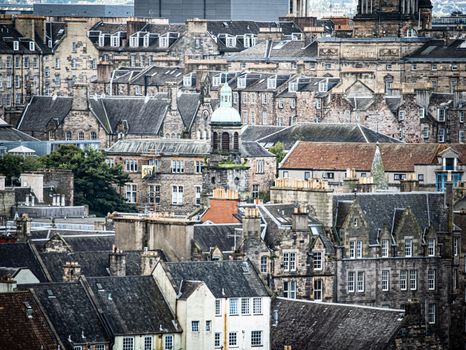
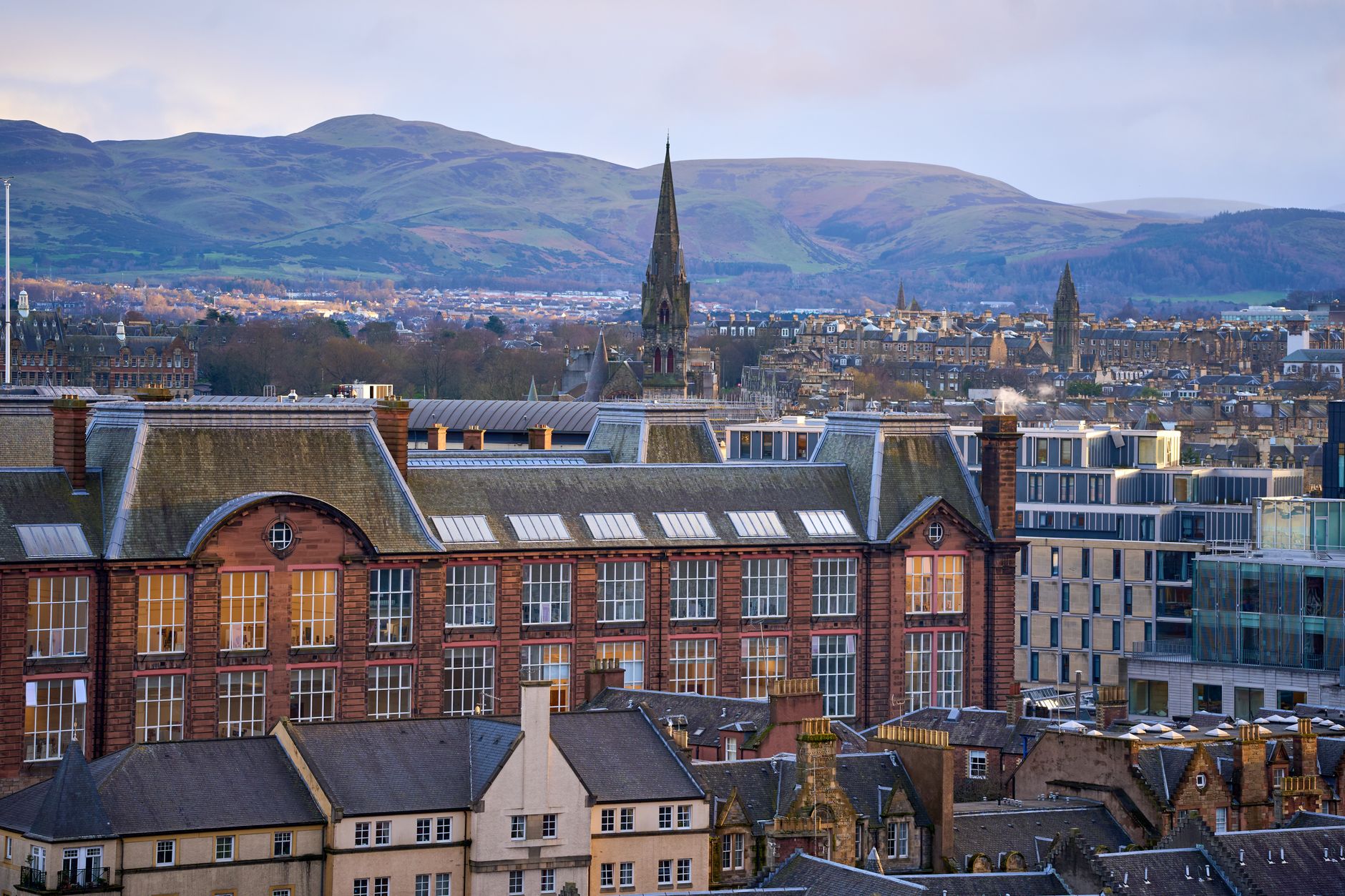
The city's physical geography also suits the season. Built over volcanic crags and ridges, the dark stone tenements of the Old Town and the orderly sandstone terraces of the Georgian New Town take on a striking, moody appearance under low winter sun and rolling sea mists known locally as "haars". When rain or chilly winds roll in from the Firth of Forth, Edinburgh's cultural infrastructure provides immediate shelter. Major galleries, historic vaults, and independent bookshops line the central districts, separated by short walks rather than long commutes.
When to go: December, January, or February
Each winter month offers distinct trade-offs between crowd levels, event programming, and operating schedules.
December: Festive displays and Hogmanay
December is the most active winter month. East Princes Street Gardens hosts traditional festive markets, while light projections illuminate historic facades along George Street and Castlehill. The final days of the month centre on Hogmanay, Scotland's New Year celebration. Events include the Torchlight Procession through the city centre, outdoor street concerts, and the midnight fireworks launched directly above Edinburgh Castle. Expect hotel prices to peak sharply between 29 December and 2 January, with many accommodations enforcing minimum stay requirements.
January: Crisp days and Burns Night
January brings the lowest visitor numbers of the year outside of the New Year period. Accommodation rates typically drop to their lowest levels, making it the most cost-effective time to explore. While daylight is limited, clear days often bring crisp air and visibility across the Firth of Forth to the Kingdom of Fife. On 25 January, the city marks Burns Night, honouring poet Robert Burns. Restaurants across the city serve traditional suppers featuring haggis, neeps, and tatties, accompanied by recitations and traditional folk music.
February: Lengthening daylight and sports
By mid-February, daylight extends past 17:00, providing noticeably more sightseeing time each afternoon. The Six Nations rugby tournament frequently brings international fixtures to Murrayfield Stadium during February weekends. On match days, the West End and city centre fill with fans, driving hotel occupancy and pub footfall up significantly. If your trip coincides with a home fixture, book your transport and rooms well in advance.
What to book in advance
Even though winter is considered the off-peak season, several key sites and dates require forward planning to avoid disappointment.
- Edinburgh Castle: Entry tickets operate on timed admission slots. While winter queues are shorter than in summer, popular morning slots can still sell out, particularly on weekends and throughout December. Expect entry to cost approx. £19.50 to £22.00 for adults when pre-booked online; verify current pricing on the Historic Environment Scotland website.
- Hogmanay Events: Tickets for the official Street Party, Concert in the Gardens, and the Torchlight Procession go on sale months ahead. Secure tickets and city-centre lodging by late summer if visiting over New Year.
- The Real Mary King's Close: This underground historic attraction beneath the City Chambers runs guided tours in small groups that routinely fill up during weekends.
- Fine Dining: Top neighbourhood restaurants in Leith and the New Town often run on smaller winter dining room capacities; reserve 3 to 4 weeks ahead for Friday and Saturday evenings.
Pro tip: If you plan to visit multiple Historic Environment Scotland properties (such as Edinburgh Castle, Craigmillar Castle, and Stirling Castle on a day trip), evaluate the Scottish Explorer Pass. Depending on how many properties you visit, it can lower your total admission costs compared to purchasing separate gate tickets.
Three-day winter itinerary for Edinburgh
This balanced 72-hour route groups sights geographically to minimize outdoor walking during inclement weather while taking advantage of midday light.
Day 1: Castle Rock, the Royal Mile, and the Old Town
Begin your morning at 09:30 at Edinburgh Castle, positioned atop the volcanic plug of Castle Rock. Spend two hours viewing the Honours of Scotland (the nation's crown jewels), the Great Hall, and St Margaret's Chapel. At 13:00, listen for the traditional firing of the One O'Clock Gun from the ramparts.
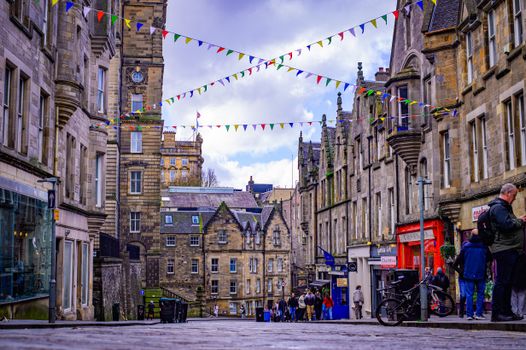
Walk east down the Royal Mile into the Old Town. Stop at St Giles' Cathedral to view the intricate wood and stone carvings inside the Thistle Chapel. After lunch at a traditional pub along the Royal Mile or inside the Grassmarket, spend the mid-afternoon exploring the Real Mary King's Close to learn about 17th-century life during the plague outbreaks. As darkness falls around 16:00, browse the antiquarian shops and winding closes off Cockburn Street before dinner in the Old Town.
Day 2: Georgian New Town, National Galleries, and Calton Hill
Dedicate your second morning to the New Town, planned in the late 18th century. Walk through Charlotte Square and visit The Georgian House to see restored period interiors from the Enlightenment era. Continue along George Street toward the Scottish National Gallery at the foot of the Mound. Admission to the permanent collection is free, making it an easy place to spend two hours out of the cold viewing works by Scottish painters such as Sir Henry Raeburn alongside European masters.
At 15:00, walk east toward Calton Hill. The walk to the summit takes roughly ten minutes via a paved staircase. Time your arrival for 15:30 to catch the winter sunset behind the castle skyline and view the National Monument and Dugald Stewart Monument against the evening glow. Descend toward Broughton Street or the East End for an evening of food and local craft beer.
Day 3: Holyrood, the National Museum, and Leith
Start your final day at the foot of the Royal Mile at the Palace of Holyroodhouse, the official Scottish residence of the monarch. Tour the State Apartments and the historic chambers of Mary, Queen of Scots. Afterward, walk up through the Southside to the National Museum of Scotland on Chambers Street. The museum's Grand Gallery features an impressive Victorian cast-iron structure, while dedicated wings cover Scottish social history, science, and world cultures. The indoor exhibits can comfortably occupy three hours on a wet winter day.
In the late afternoon, take the Edinburgh Tram from Princes Street directly down Leith Walk to the shore at Leith. Once a separate industrial port, the Shore district is now home to acclaimed seafood bistros, traditional dockside taverns, and waterfront walking paths along the Water of Leith. Conclude your trip with a dinner of local seafood or game alongside a single malt whisky tasting.
Pro tip: The rooftop terrace of the National Museum of Scotland is accessible by lift from the Kingdom of the Scots gallery. It offers a 360-degree open-air view across the Old Town rooftops to the castle that rival Calton Hill, without an outdoor climb.
Winter dining, drinks, and indoor culture
Scottish winter cuisine emphasizes hearty ingredients, warm broths, and locally sourced game and seafood. Knowing what to order enhances the seasonal experience.
- Cullen Skink: A thick, creamy soup made from smoked haddock, potatoes, onions, and milk, served with crusty bread. It is widely available in traditional pubs and serves as an effective antidote to a chilly wind.
- Haggis, Neeps, and Tatties: The national dish of seasoned minced meat, oats, and spices paired with mashed turnip (neeps) and potatoes (tatties), often finished with a whisky cream sauce. Vegetarian versions made with lentils, seeds, and pulses are standard across almost every Edinburgh pub.
- Single Malt Scotch Whisky: Winter is ideal for exploring Scotland's whisky regions. City-centre venues such as the Scotch Whisky Experience near the castle offer structured educational tastings, while independent whisky bars in the Old and New Towns stock hundreds of individual bottlings categorized by Lowland, Highland, Speyside, and Islay profiles.
- Scottish Game and Venison: Winter is the traditional season for Scottish venison, pheasant, and wild duck, which feature prominently on menus throughout the Southside and Stockbridge.
What to pack for Scottish winter weather
Edinburgh's winter weather is characterized by variability. A single day can bring crisp sunshine, brisk coastal winds, and intermittent rain. Snow does occur, but thick accumulations in the city centre are relatively rare due to coastal air currents; rain and damp cold are far more typical.
- Windproof and Waterproof Outer Shell: A heavy wool overcoat works on dry days, but a windproof, waterproof jacket with an insulated lining is far more versatile. Edinburgh's proximity to the sea creates gusty conditions that easily blow cold moisture through porous fabrics.
- Sturdy Shoes with Good Tread: The Old Town's steep inclines and historic stone setts (cobblestones) become slippery when wet, frosted, or covered in wet leaves. Leave smooth-soled dress shoes behind in favour of waterproof leather boots or walking shoes with rubber grip soles.
- Thermal Underlayers: Lightweight merino wool or synthetic thermal tops provide warmth without adding unnecessary bulk inside heated museums, buses, and pubs.
- Warm Accessories: A wool beanie or fleece-lined hat, a substantial scarf to seal your coat collar, and water-resistant gloves are essential. If you use your phone for navigation, look for touchscreen-compatible gloves to avoid exposing your hands to cold winds.
- Heavy-Duty Compact Umbrella: Gusts around street corners on North Bridge and Princes Street frequently break lightweight wire umbrellas. Choose an umbrella engineered for high winds, or rely primarily on a hooded waterproof coat.
Common mistakes to avoid
- Misjudging Daylight Hours: Many first-time winter visitors do not realize that the sun sets between 15:40 and 16:00 in December. Schedule outdoor walking tours, Calton Hill climbs, and exterior photography between 10:00 and 15:00, saving indoor galleries and shopping for late afternoon.
- Relying on Taxis for Short Trips: Central Edinburgh's road layout features one-way systems, pedestrianized zones, and heavy congestion during holiday seasons. The Edinburgh Tram and Lothian Buses network are efficient, inexpensive (approx. £2.00 for an adult single bus fare; check current fares before riding), and often faster than cars across central routes.
- Skipping Monday and Tuesday Checks: Some independent restaurants, cafes, and smaller historic houses reduce opening hours or close entirely on Mondays and Tuesdays during January and February. Check specific opening schedules online before making cross-town journeys.
- Underestimating Footwear Needs: Walking up and down the Royal Mile, Fleshmarket Close, and Victoria Street involves considerable elevation changes over stone steps. Inadequate footwear causes fatigue and slips on wet stone.
Plan your trip
Start tailoring your custom cold-season journey with TripBuilder to structure your days efficiently around daylight hours and opening schedules. The platform combines route planning with realistic timings so you spend less time navigating and more time enjoying Scotland's historic capital.
Frequently asked questions
Does it snow in Edinburgh during winter?
Edinburgh experiences occasional snowfall between December and February, but heavy, long-lasting snow on city streets is uncommon due to coastal winds from the Firth of Forth. You are far more likely to encounter rain, frost, and brisk wind than deep snow drifts. Nearby hills like the Pentland Hills frequently see snow cover even when city pavements remain clear.
Is Edinburgh Castle open during the winter months?
Yes, Edinburgh Castle is open year-round except for 25 and 26 December. Winter operating hours are typically 09:30 to 17:00, with last entry at 16:00. Booking a timed entry ticket online in advance is recommended to ensure admission.
How cold does it get in Edinburgh between December and February?
Daytime high temperatures typically range from 5°C to 7°C (41°F to 45°F), while night-time lows average around 1°C to 2°C (34°F to 36°F). Sub-zero temperatures occur during cold snaps, and wind chill from the North Sea can make conditions feel noticeably colder. Layered clothing and windproof outerwear are essential.
What time does it get dark in Edinburgh in winter?
In late December, around the winter solstice, sunset occurs at approximately 15:40, with true darkness arriving by 16:15. By late January, daylight extends until roughly 16:30, and by late February, sunset moves past 17:30. Visitors should plan outdoor activities and views for the middle of the day.
How do you get from Edinburgh Airport to the city centre in winter?
The Edinburgh Tram connects Edinburgh Airport directly to Princes Street, St Andrew Square, and Leith in roughly 35 to 45 minutes, running regardless of most road traffic issues. Alternatively, the Airlink 100 express bus operates 24 hours a day between the airport and South St David Street near Waverley Station. Both services run frequently throughout the winter season.