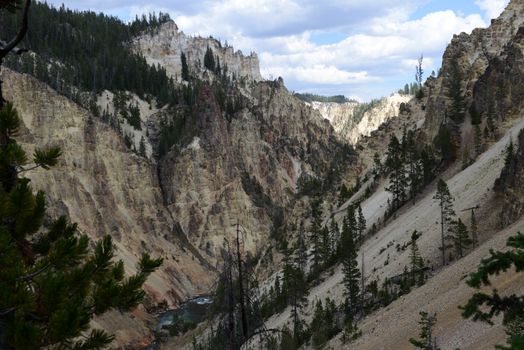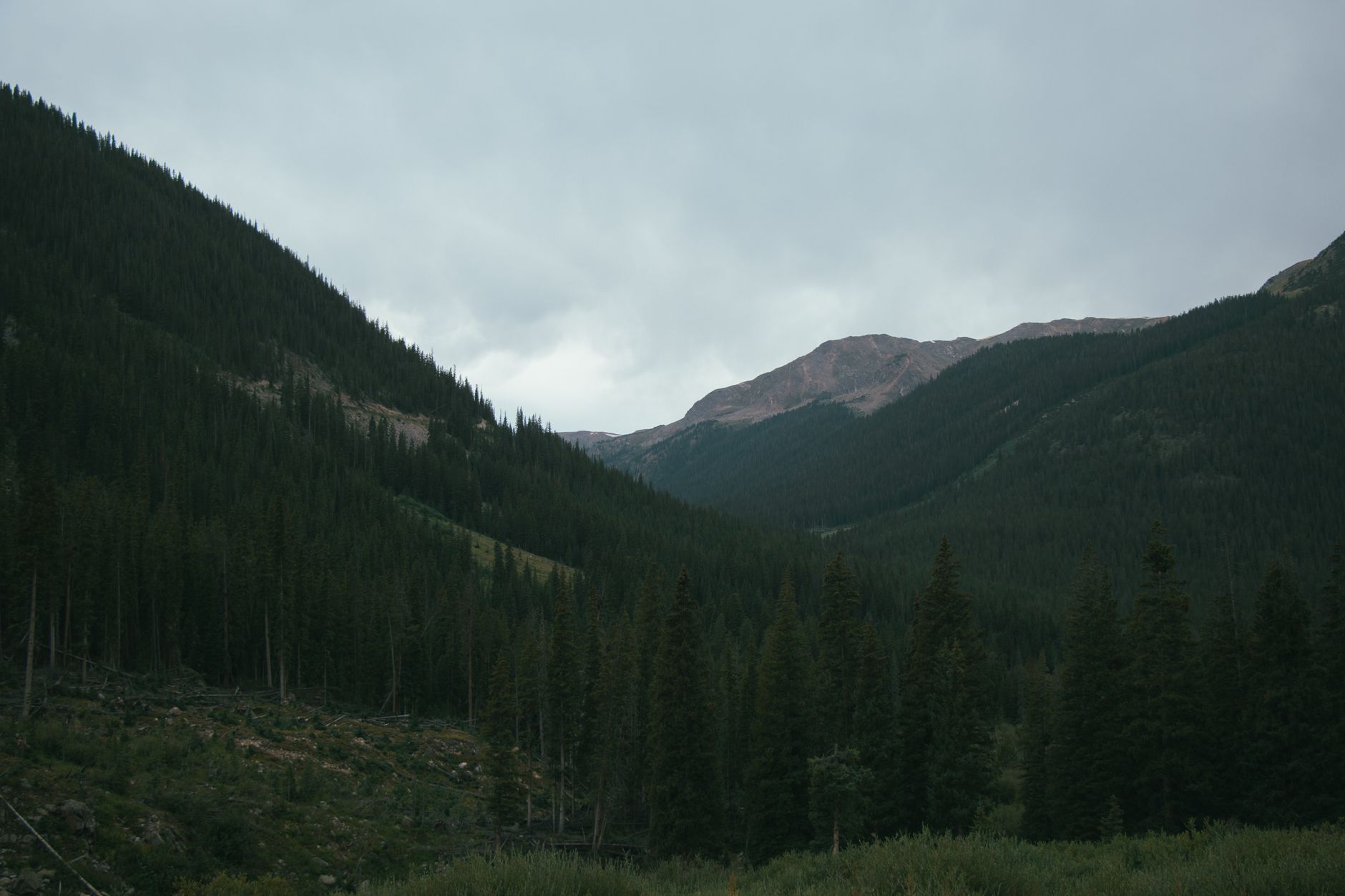
I stepped off the gravel track at Sahale Arm just as the morning fog split open, and for a second, my lungs forgot how to work.
The air up here didn't smell like the sulfur and sunscreen of a Yellowstone boardwalk. It tasted of crushed hemlock needles, cold wet slate, and the clean, metallic tang of nearby snowfields. Below me, the turquoise eye of Doubtful Lake stared back through the mist—a color so impossibly vivid it looked painted onto the valley floor.
I didn't hear the hiss of air brakes from tour buses, nor the chatter of a hundred matching tour groups. There was only the sharp whistle of a hoary marmot warning his neighbors, and the distant, thunderous crack of a hanging glacier shifting on Johannesburg Mountain.
We’ve all been told that Yellowstone is the holy grail of the American wild. But after years of dodging "bison jams" and fighting for parking spots at Old Faithful, I’ll let you in on a secret: the real magic of the American wilderness has migrated.
Travel journalists, veteran park rangers, and seasoned backcountry explorers are quietly diverting their gaze. They are heading to raw, unfiltered, and deeply dramatic landscapes that make the old classics look like crowded theme parks.
If you want to experience the wilderness as it was meant to be—untamed, silent, and visually staggering—here are the national parks more stunning than Yellowstone experts are recommending right now.
---
1. North Cascades National Park, Washington: The Jagged "American Alps"
If Yellowstone is a sprawling plateau of thermal wonders, North Cascades is a vertical assault of pure alpine drama. Containing over 300 glaciers—more than any other US park outside of Alaska—this jagged wilderness of emerald valleys and razor-sharp peaks is a masterpiece of geological violence.
Yet, despite its jaw-dropping scale, it remains one of the least-visited national parks in the country.
Why It Outshines Yellowstone
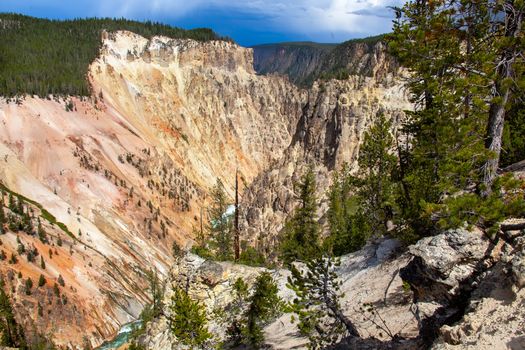
While Yellowstone’s Grand Canyon is beautiful, it is highly manicured. In the North Cascades, the views are raw and unshielded. You stand on ridges where glaciers hang like frozen waterfalls directly above deep, old-growth forests of cedar and Douglas fir. The water here isn't just blue; it’s a brilliant, milky turquoise caused by "rock flour"—fine glacial silt suspended in the water that refracts the light.
- The Sensory Experience: The smell of damp moss and wild huckleberries; the sound of rushing meltwater rivers echoing through deep canyons; the icy shock of dipping your hands into Diablo Lake.
- The Insider Food Spot: On your way back down the North Cascades Highway, stop at the 5b’s Bakery in Concrete, Washington. Grab a loaf of their fresh-baked green chili cheese bread and a marionberry turnover. It’s the fuel of local mountaineers.
> Pro-Tip: Skip the crowded Diablo Lake Overlook. Instead, drive to mile marker 130 on State Route 20 and pull into the small, gravel turnout for the Thunder Knob Trailhead. Hike just 1.5 miles up through the moss-draped forest to find a rocky outcrop that gives you a completely unobstructed, eye-level view of the lake's neon-green waters without the safety railings or the crowds.
---
2. Lassen Volcanic National Park, California: The Geothermal Underdog
Do you love Yellowstone for its boiling mudpots, steaming fumaroles, and surreal volcanic landscapes? Then Lassen Volcanic is your dream come true, minus the boardwalk traffic jams.
Tucked into the northeastern corner of California, this park is a chaotic collision of all four types of volcanoes found on Earth: shield, composite, cinder cone, and plug dome.
Why It Outshines Yellowstone
Lassen’s premier hydrothermal area, Bumpass Hell, is a 16-acre basin of roaring steam vents, boiling springs, and bubbling mud pots. It matches Yellowstone’s thermal intensity but allows for a far more intimate experience. You can walk the boardwalks here and actually hear the earth hiss and gurgle without a wall of tourists blocking your view.
- The Sensory Experience: The sharp, egg-like smell of sulfur mixing with the sweet, vanilla-like scent of sun-baked Ponderosa pine bark; the crunch of black volcanic ash under your boots.
- The Local Vibe: The nearby town of Mineral offers a step back in time. Stop by the Lassen Mineral Lodge for a classic, no-nonsense burger and a cold draft beer surrounded by historic logging memorabilia.
> Pro-Tip: To beat the heat and the midday winds, start your hike up the Cinder Cone Trail at 7:00 AM. The trail is a steep climb up loose, black volcanic gravel (it feels like walking up a giant sand dune). Once at the top, you can walk down into the double crater and look out over the Painted Dunes—swirls of red, orange, and yellow volcanic ash that look like a watercolor painting.
---
3. Wrangell-St. Elias National Park & Preserve, Alaska: Scale That Defies Belief
Yellowstone is big, but Wrangell-St. Elias is gargantuan. At 13.2 million acres, it is six times the size of Yellowstone. It is a land of superlatives: nine of the sixteen highest peaks in the United States are here, alongside glaciers the size of entire states.
This is not a park you simply visit; it is a park that humbles you.
Why It Outshines Yellowstone
Yellowstone is highly developed, with paved roads looping through its major attractions. Wrangell-St. Elias has only two dirt roads that penetrate its interior. Here, you are not looking at nature through a windshield; you are standing on the edge of massive gravel moraines, watching glaciers calve into silty rivers, and exploring abandoned, red-painted copper mining towns that look like ghost ships frozen in time.
- The Sensory Experience: The deep, resonant boom of the Root Glacier shifting; the taste of wild, tart blueberries picked directly from the tundra; the cold, metallic smell of old iron inside the Kennecott Mill town.
- The Local Culture: Base yourself in the tiny, off-grid town of McCarthy (population: roughly 100 year-round residents). Have dinner at the Golden Saloon, where you’ll rub shoulders with bush pilots, glacier guides, and local homesteaders.
> Pro-Tip: Don’t just look at the Root Glacier from the trail. Rent a pair of crampons from a gear shop in Kennicott, walk down the access trail, and step directly onto the white-and-blue ice waves. Walk about a mile out to find the blue pools—deep, naturally formed basins of glacial meltwater that are a deep, electric sapphire blue.
---
4. Great Basin National Park, Nevada: Ancient Spirits and Dark Skies
While Yellowstone’s parking lots are illuminated by headlights and streetlamps, Great Basin National Park offers a darkness so absolute that the Milky Way casts actual shadows on the desert floor.
Located at the end of Nevada’s "Loneliest Road in America," this park rises like a limestone island out of the sagebrush desert.
Why It Outshines Yellowstone
Instead of waiting in a crowd of 2,000 people for Old Faithful to erupt, at Great Basin, you can stand in complete silence next to a Bristlecone Pine—a tree that was already a seedling when the Great Pyramids of Giza were being constructed. These twisted, weathered sentinels are the oldest living non-clonal organisms on the planet.
- The Sensory Experience: The rough, cool texture of 4,000-year-old wood; the absolute, ringing silence of a high-altitude forest; the crisp, thin air at 10,000 feet.
- The Local Treat: Stop in the tiny border town of Baker at the Kerouac’s restaurant for local grass-fed beef burgers and handmade cocktails infused with wild sage.
> Pro-Tip: While Lehman Caves is famous, the real secret is the Wheeler Peak Glacier Trail. Start your hike at 4:30 PM. As the day hikers head down, you’ll have the ancient bristlecone groves entirely to yourself as the setting sun turns the massive limestone cliffs of Wheeler Peak a deep, fiery copper.
---
5. Canyonlands National Park (The Needles District), Utah: The Labyrinth of Stone
Yellowstone’s canyons are grand, but Canyonlands is a multi-dimensional maze of cedar-scented sandstone spires, hidden slot canyons, and ancient Indigenous rock art that feels like an outdoor cathedral.
Skip the crowded Island in the Sky district and head straight for the remote Needles District.
Why It Outshines Yellowstone
Yellowstone’s geology is soft and rolling; Canyonlands is sharp, vertical, and aggressively beautiful. The Needles District features towering pinnacles of banded red and white sandstone that shoot out of the desert floor like stone fingers.
- The Sensory Experience: The dry warmth of red sandstone radiating against your palms; the sharp, clean scent of desert sagebrush after a sudden afternoon rain.
- The Trail Fuel: Pack a pocketful of locally made beef jerky and dried apricots from the San Juan County co-op in Monticello before heading into the backcountry.
> Pro-Tip: Hike the Chesler Park Loop, but make sure to take the spur trail known as the Joint Trail. Here, you will descend a wooden ladder into a deep, narrow fracture in the sandstone. You’ll squeeze through a slot canyon barely shoulder-width wide, where the temperature drops 15 degrees instantly, before emerging into a massive, hidden meadow surrounded by stone spires.
---
6. Wind Cave National Park, South Dakota: Where the Prairie Meets the Underworld
Just a few hours east of Yellowstone lies a park that preserves two entirely different worlds: a pristine, crowd-free mixed-grass prairie where bison roam free, and one of the oldest, most complex cave systems on Earth directly beneath it.
Why It Outshines Yellowstone
Yellowstone’s wildlife viewing is legendary, but it comes with massive traffic jams and rangers directing crowds. At Wind Cave, you can watch herds of bison, elk, and pronghorn move across rolling yellow hills under a massive South Dakota sky in near-total solitude. Then, you can descend into the earth to see boxwork—a rare, delicate calcite formation that resembles frozen honeycombs, found in almost no other cave system on earth.
- The Sensory Experience: The wind whistling through the prairie grass; the sudden, cool, 53°F dampness of the cave air; the unique "breathing" sound of the cave entrance as barometric pressure shifts.
- The Local Flavor: Head to the nearby historic town of Hot Springs and grab a slice of homemade pie at the Mornin' Sunshine Cafe.
> Pro-Tip: Skip the standard elevator cave tours. Book the Candlelight Tour well in advance. You’ll be handed a historic bucket lantern and led through unpaved, narrow passages. At one point, the ranger will ask everyone to blow out their candles. Experiencing the absolute, velvety darkness of the deep earth while listening to the cave "breathe" is a spiritual experience you can't get on a paved Yellowstone trail.
---
Quick Facts & Budget Planner
| National Park | Best Time to Visit | Est. Daily Cost ($) | How to Get There | The "Don't Miss" Experience |
| :--- | :--- | :--- | :--- | :--- |
| North Cascades | July to September | $60 - $120 | Fly to Seattle (SEA), drive 2.5 hours north on I-5 & WA-20. | Catching the sunrise over Diablo Lake from the Thunder Knob trail. |
| Lassen Volcanic | June to October | $70 - $140 | Fly to Reno (RNO), drive 2 hours northwest via US-395. | Walking through the bubbling, colorful fumaroles of Bumpass Hell. |
| Wrangell-St. Elias | June to August | $150 - $300 | Fly to Anchorage (ANC), drive 5 hours east on the Glenn Highway. | Walking on the blue ice waves of the massive Root Glacier. |
| Great Basin | June to September | $50 - $100 | Fly to Salt Lake City (SLC), drive 4 hours southwest. | Standing next to a 4,000-year-old Bristlecone Pine at sunset. |
| Canyonlands (Needles) | Spring & Autumn | $80 - $150 | Fly to Salt Lake City (SLC), drive 5 hours south to Monticello. | Squeezing through the narrow slot of the Joint Trail. |
| Wind Cave | May to October | $50 - $110 | Fly to Rapid City (RAP), drive 1 hour south on SD-79. | Watching wild bison graze on the prairie before descending underground. |
---
The Verdict: Why It’s Time to Pivot
Yellowstone will always hold a special place in the history of conservation, but the modern traveler deserves more than a view of nature from the back of a slow-moving minivan.
By choosing these expert-recommended alternatives, you aren't just escaping the crowds—you are choosing to experience the wild on its own terms. You are choosing the sharp scent of real pine over sulfur fumes, the sound of calving glaciers over car horns, and the true, quiet awe that only comes when you have the horizon all to yourself.
Pack your bags, leave the crowds behind, and go find the wild places that still feel like secrets.
---