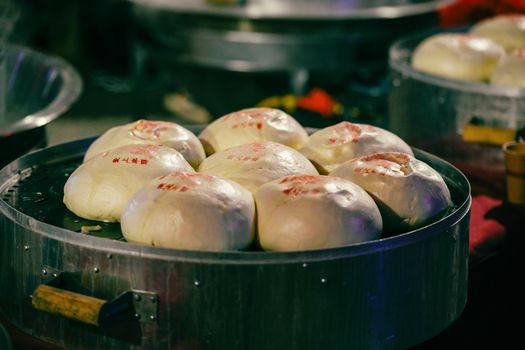
Local Asian Street Food Markets Better Than Europe Experts Are Recommending
I stepped off the local train in Keelung, Taiwan, as a thick, humid fog rolled off the East China Sea. The air didn't just smell like salt water; it carried the heavy, intoxicating perfume of caramelized soy, fried shallots, and the unmistakable, funky hum of fermented tofu.
Walking toward the yellow-tinted glow of low-pressure sodium lights outside the Dianji Temple, I realized something that years of eating across Europe had never taught me: Europe’s street food markets are beautiful museum pieces, but Asia’s night markets are living, breathing, fire-spitting beasts.
Don't get me wrong. I love a warm pastel de nata in Lisbon or a paper cone of frites in Brussels. But let's be honest: European street food has become highly regulated, wildly expensive, and increasingly homogenized. By 8:00 PM, most European markets are packing up. In Asia, that’s when the charcoal is just getting hot.
If you want culinary adventure in its purest, most visceral form, these six elite Asian street food markets—highly recommended by culinary insiders—deliver experiences that Europe simply cannot match.
---
1. Keelung Miaokou Night Market (Taiwan)
### The Seafood-Heavy Counter to Overrated Tourist Traps
```
[Dianji Temple]
|
[Stall 22: Dian Bian Hu] <--- Order this first
|
[Stall 43: Butter Crab] <--- The local secret
```
While casual tourists crowd Taipei’s Shilin Night Market, seasoned culinary experts quietly board a 45-minute northward train to the port city of Keelung. Miaokou (literally "temple mouth") is centered around the historic Dianji Temple, where over 70 numbered food stalls line a compact, highly organized grid.
What makes Miaokou superior to anything in Europe is the sheer immediacy of the seafood. Because the market sits stone’s throw from a major fishing port, the ingredients transition from ocean to sizzling wok in a matter of hours.
- The Signature Dish: Dian Bian Hu (Potside Sticker Soup).
- The Culinary Magic: At Stall 22, the cook pours a thick, stone-ground rice slurry along the glowing-hot upper rim of a massive wok filled with boiling broth. The batter flash-cooks on the dry metal, curls up, and is scraped down into a steaming soup flavored with dried shrimp, bamboo shoots, and shredded pork. It is chewy, silky, and utterly impossible to find in Europe.
> Pro-Tip: Look for Stall 43 for their famous butter crab. They bake local mud crabs in foil parcels filled with butter, garlic, onions, and black pepper over open charcoal. Open the foil carefully; the steam will clear your sinuses and ruin all other crab dishes for you forever.
---
2. Gwangjang Market, Seoul (South Korea)
### Where Grandmothers Keep the Culinary Flame Alive
```
[East Gate Entrance]
|
[Central Intersection] <--- Look for the steam
|
[Gohyang Kalguksu] <--- The handmade noodle stall
```
Step into Gwangjang Market, and you are immediately hit by a wall of sound: the rhythmic clack-clack-clack of knives slicing dough, the hiss of hot lard, and the boisterous laughter of locals drinking makgeolli (sparkling rice wine) under low-hanging light bulbs.
Dating back to 1905, Gwangjang is one of the oldest continuously operating markets in South Korea. While European markets often rely on young hipsters selling "deconstructed" street food, Gwangjang is ruled by ajummas (respected older women) who have been perfecting single dishes for forty years.
- The Signature Dish: Bindaetteok (Mung Bean Pancakes).
- The Culinary Magic: Watch the vendors grind peeled mung beans on massive, rotating stone millstones right before your eyes. The batter is mixed with green onions, bean sprouts, and garlic, then dropped into deep, shimmering pools of corn oil. The result is a pancake with a exterior that shatters like glass, giving way to a creamy, savory interior.
> Pro-Tip: Avoid the main central aisle if you want to sit down quickly. Instead, slip into "Yukhoe Alley" (raw beef alley) hidden behind the textile stalls on the east side. Order a plate of Yukhoe Tangtangi—freshly minced raw beef topped with live, wriggling octopus tentacles, sesame oil, and a single raw egg yolk.
---
3. Yaowarat Road, Bangkok (Thailand)
### High-Octane Wok Cooking on a Massive Scale
```
[MRT Wat Mangkon Station]
|
[Yaowarat Road Main Strip]
|
[Guay Jub Ouan Pochana] <--- Look for the old cinema facade
```
If Europe’s food markets are a polite string quartet, Yaowarat Road is a heavy metal concert. Located in Bangkok’s historic Chinatown, this neon-drenched thoroughfare transforms at dusk into a roaring, smoke-filled canyon of food stalls. Tuk-tuks roar past inches from your plastic table, and the air is thick with the aroma of white pepper, sweet oyster sauce, and burning wood.
The level of heat control (wok hei or "breath of the wok") demonstrated by the cooks here is world-class. They cook over modified propane burners that sound like jet engines, tossing noodles through columns of open flame.
- The Signature Dish: Guay Jub (Rolled Rice Noodles in Peppery Broth).
- The Culinary Magic: Head to Guay Jub Ouan Pochana, a stall positioned right outside the old, crumbling Rama Cinema. Their rolled rice noodles are served in a broth so intensely peppery it borders on spicy, accompanied by crispy pork belly that retains its crunch even after soaking in the soup.
> Pro-Tip: Do not queue for the viral toasted buns with sweet fillings unless you love waiting an hour for sugar water. Instead, find the humble cart selling Kuay Teow Kua Gai (stir-fried chicken noodles cooked over brass pans on glowing charcoal) tucked down the dark alley of Soi Texas.
---
4. Chulia Street & Kimberley Street, Penang (Malaysia)
### The Ultimate Cross-Pollination of Three Culinary Worlds
```
[Chulia Street (Evening)]
|
[Char Kway Teow Cart] <--- Look for the charcoal smoke
|
[Kimberley Street] <--- Walk 5 mins south for dessert
```
Penang is widely regarded by food writers as the street food capital of the world, and for good reason. Because of George Town’s history as a trading port, its street food is a spectacular collision of Chinese, Malay, and Indian culinary traditions. You can eat a pork-heavy Hokkien noodle dish, a rich coconut-based Malay curry, and a fiery Indian-Muslim roti all within a fifty-meter radius.
- The Signature Dish: Char Kway Teow (Stir-fried Flat Rice Noodles).
- The Culinary Magic: Cooked on Chulia Street over real charcoal embers, this dish features flat rice noodles tossed with soy sauce, chili paste, whole fresh cockles, crunchy bean sprouts, Chinese chives, and rich duck egg. The smoky, charred flavor imparted by the charcoal fire is something modern European indoor safety codes would simply never allow.
> Pro-Tip: The legendary "Char Kway Teow Uncle" on Chulia Street wears plastic goggles to protect his eyes from the blinding smoke. Sit at the plastic tables behind his cart, but remember: you must order a drink from the coffee shop owning the property to keep your seat.
---
5. Fukuoka Yatai Stalls (Japan)
### Cozy, Smoke-Filled Riverside Sanctuaries
```
[Nakasu Island Waterfront]
|
[The Yatai Row] <--- Only 10-12 stalls open at dusk
|
[Order: Hakata Ramen + Warm Sake]
```
Japan is famous for its indoor, quiet dining experiences, but the southern city of Fukuoka turns this stereotype on its head with its Yatai. These are tiny, mobile wooden food carts that set up along the rivers of Nakasu Island and the streets of Tenjin at sunset.
Each yatai fits only 8 to 10 people around a cozy wooden counter, creating an intimate, communal atmosphere that is practically non-existent in Europe's sprawling food halls. You sit shoulder-to-shoulder with local salarymen who are winding down after a long shift.
- The Signature Dish: Hakata Tonkotsu Ramen.
- The Culinary Magic: The broth is boiled for over 12 hours until the pork bones break down completely, releasing gelatin and marrow into a creamy, milky soup. It is served with thin, straight noodles cooked kata-men (firm) and topped with tender slices of chashu pork belly.
> Pro-Tip: Space is extremely limited. It is considered bad etiquette to linger at a yatai once you have finished your food. Drink your sake, eat your ramen, exchange a few words with the chef, and move on to make room for the next guest.
---
6. Vĩnh Khánh Street, District 4, Ho Chi Minh City (Vietnam)
### A Neon-Lit Snail and Seafood Symphony
```
[Calmette Bridge]
|
[Vĩnh Khánh Street] <--- The entire street is the market
|
[Ốc Oanh (No. 534)] <--- The undisputed king of snails
```
Forget the tourist-swamped Ben Thanh Market. If you want the real culinary soul of Saigon, cross the bridge into District 4 and head to Vĩnh Khánh Street. This long, chaotic street is dedicated almost entirely to Ốc (sea snails and shellfish), washed down with ice-cold local lager.
The dining setup here is classic Vietnam: you sit on low, red plastic chairs that spill out onto the asphalt while motorbikes zip past in a continuous stream. The energy is infectious, fueled by the clinking of beer glasses and the shouting of "Một, Hai, Ba, Dô!" (One, Two, Three, Cheers!).
- The Signature Dish: Ốc Hương Sốt Trứng Muối (Sweet Snails in Salted Egg Yolk Sauce).
- The Culinary Magic: The snails are stir-fried in a rich, velvety, golden sauce made from salted duck egg yolks, butter, garlic, and chili. It is savory, sweet, and incredibly rich.
> Pro-Tip: Do not leave a single drop of that salted egg yolk sauce behind. Order a freshly baked, warm bánh mì (baguette) from the passing street vendors to rip apart and use as a vessel to mop up the remaining sauce.
---
The Logistics: Planning Your Culinary Pilgrimage
To help you plan your ultimate culinary journey, here is a quick-reference guide to navigating these six legendary markets.
| Market Name | Location | Est. Cost Per Meal (USD) | Best Time to Visit | How to Get There (Nearest Transit) |
| :--- | :--- | :--- | :--- | :--- |
| Keelung Miaokou | Keelung, Taiwan | $4 – $10 | 6:00 PM – 10:00 PM | Train from Taipei Main Station to Keelung Station (45 mins), then walk 10 mins. |
| Gwangjang Market | Seoul, South Korea | $5 – $12 | 11:00 AM – 9:00 PM | Jongno 5-ga Subway Station (Line 1), Exit 8. |
| Yaowarat Road | Bangkok, Thailand | $3 – $8 | 7:00 PM – Midnight | MRT Wat Mangkon Station, Exit 1. |
| Chulia Street | Penang, Malaysia | $2 – $5 | 6:30 PM – 11:00 PM | Rapid Penang Bus to Lebuh Chulia or walk from central George Town. |
| Fukuoka Yatai | Fukuoka, Japan | $10 – $20 | 7:00 PM – 1:00 AM | Tenjin Subway Station or Nakasu-Kawabata Station, walk to the river. |
| Vĩnh Khánh Street| Ho Chi Minh City, Vietnam| $6 – $15 | 7:00 PM – 11:00 PM | Grab Taxi/Bike to Vĩnh Khánh Street, District 4 (10 mins from District 1). |
---
Street Food Survival Guide: Eat Like a Local, Stay Healthy
Many travelers avoid Asian street food out of fear of getting sick, choosing instead the sanitised safety of European restaurants. That is a massive mistake. By following these simple, expert-approved rules, you can feast with absolute confidence:
- Follow the Queues: A long line of locals doesn't just mean the food is delicious; it means the ingredient turnover is incredibly high. Raw meat and seafood aren't sitting around warming up; they are moving from fridge to wok in minutes.
- Watch the Water: In most developed Asian cities (Taipei, Seoul, Fukuoka), tap water is perfectly safe. In Southeast Asia (Bangkok, Saigon), look for ice with holes in the middle (tube ice). This indicates it was produced in a commercial ice factory using purified water, rather than chopped from a block of tap-water ice.
- Inspect the Wok: Choose stalls where the food is cooked to order over high heat. High-temperature frying, boiling, and grilling kills pathogens instantly. Avoid food that has been sitting in lukewarm trays.
- Bring Cash and Wipes: Most of these authentic stalls do not accept international credit cards. Always carry local currency in small denominations. Additionally, keep a pack of wet wipes in your pocket; napkins are a luxury at roadside stalls.
---