The Scent of Damp Earth and Hidden Gold
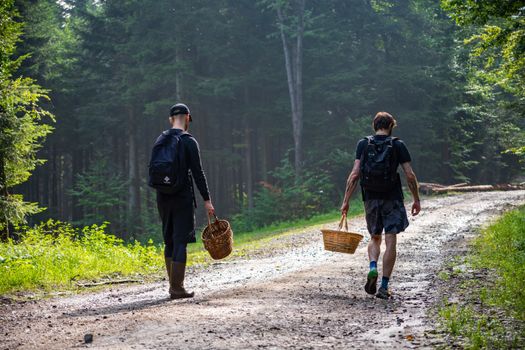
I stepped off the local rail at the edge of the Black Forest, and the air didn’t just hit me—it embraced me. It smelled of decomposing pine needles, ancient stone, and that unmistakable, sharp musk of wet earth that signals one thing to a forager: the flush is on.
For years, I’ve chased the "fruiting body" across continents. There is a primal electricity that zaps through your veins when you brush aside a layer of golden larch needles to reveal the fat, chocolate-brown cap of a Boletus edulis (the King Bolete). It’s not just about the food; it’s about the silence of the woods, the rhythm of the seasons, and the thrill of the hunt.
But not all forests are created equal. If you want the legendary hauls, you have to go where the mycelium has been weaving its magic for centuries. Here is the definitive guide to mushroom foraging in legendary forests experts are recommending right now.
1. The Emerald Cathedral: Olympic Peninsula, USA
The Pacific Northwest (PNW) is the undisputed heavyweight champion of North American foraging. Specifically, the Hoh Rainforest and the surrounding Olympic National Forest are currently the talk of the mycological world.
The Prize:
Pacific Golden Chanterelles (Cantharellus formosus) and the elusive, cinnamon-scented Matsutake.
The Insider Scoop:
Most tourists stick to the Hall of Mosses. Don't be that person. Head toward the Soleduck River valley. The "hidden entrance" to the best foraging ground is a non-descript gravel pull-off exactly 4.2 miles past the Salmon Cascades. Look for the stands of second-growth Douglas fir; that’s where the Chanterelles play hide-and-seek in the duff.
Pro-Tip:
PNW weather is fickle. If it hasn't rained in three days, don't bother. But 48 hours after a heavy soak? That’s when the "Gold Rush" begins.
2. The Black Forest (Schwarzwald), Germany
This isn't just the setting for Grimm’s Fairy Tales; it’s a high-altitude pantry. German "Pilzsammler" (mushroom hunters) are notoriously secretive, but the experts are currently pointing toward the Southern Black Forest near Feldberg.
The Prize:
Steinpilz (Porcini) and Pfifferlinge (Chanterelles).
The Insider Scoop:
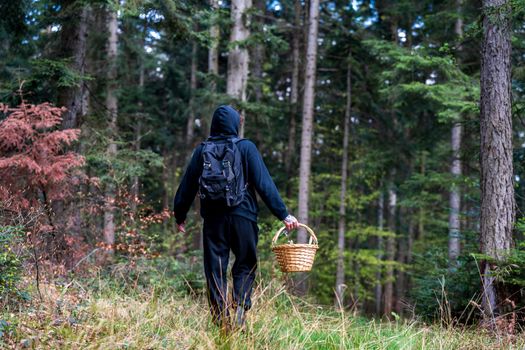
The locals use a "wicker-only" rule. Why? Because plastic bags make mushrooms sweat and turn into a slimy mess, whereas wicker baskets allow spores to drop back onto the forest floor as you walk, ensuring a harvest for next year. It’s the ultimate "leave no trace" move.
Pro-Tip:
Visit the village of Münstertal. There’s a small bakery there—look for the blue door—where the owner trades local foraging maps for a decent bottle of Riesling.
3. The Carpathian Mountains, Romania
Transylvania is home to some of Europe’s last truly wild forests. Experts are recommending this region because it remains largely untouched by industrial agriculture. The biodiversity here is staggering.
The Prize:
Black Truffles and massive Summer Porcini.
The Insider Scoop:
You don’t find truffles here by yourself; you find them with a dog (or a very talented pig). I spent a week in the Covasna County woods where the soil is rich and volcanic. The "legendary" status here comes from the scale—I’ve seen Porcini the size of dinner plates that are still firm and worm-free.
Pro-Tip:
Hire a local guide. Not just for the mushrooms, but because the Carpathians have the highest density of brown bears in Europe. You want to be looking for fungi, not running from a grizzly.
4. Val d’Aran, Spanish Pyrenees
While most foodies flock to San Sebastian, the real "dirt-under-the-fingernails" experts head to the high Pyrenees. The Val d’Aran is a linguistic and culinary enclave where foraging is a way of life.
The Prize:
Níscalo (Saffron Milk Cap). It’s a bright orange, funky-looking fungus that bleeds orange "milk" when cut. Grilled with garlic and parsley, it’s better than steak.
The Insider Scoop:
Focus on the pine forests above 1,500 meters. The locals look for "the hump"—a slight disturbance in the pine needles. If you see a bump, gently brush it away; there’s usually a Níscalo family underneath.
Pro-Tip:
The best time to visit is October. Stay in the town of Vielha and hit the "Pintxo" bars in the evening. If you see a basket of mushrooms on the counter, ask the bartender where they came from. They won't give you coordinates, but they’ll give you a valley name.
5. The New Forest, England
This was the royal hunting ground of William the Conqueror. While UK foraging laws are strict (always check local bylaws as some areas are "no-pick" zones), the New Forest remains a bucket-list destination for the sheer variety of species.
The Prize:
Penny Bun (Porcini) and the striking Wood Blewit.
The Insider Scoop:
Avoid the weekend crowds from London. Arrive on a Tuesday at 7:00 AM. Park near Brockenhurst and walk at least two miles away from the main roads. The best spots are where the ancient beech trees meet the heathland.
Pro-Tip:
Look for "fairy rings." In the New Forest, these circles of mushrooms are often Marasmius oreades. They are delicious, but ensure you aren't picking their poisonous lookalikes!
---
Quick Facts & Logistics
| Location | Best Time to Visit | Primary Target | Estimated Daily Cost ($) | Difficulty |
| :--- | :--- | :--- | :--- | :--- |
| Olympic Peninsula, USA | Sept – Nov | Chanterelles | $120 (Rental car + Gear) | Moderate |
| Black Forest, Germany | Aug – Oct | Steinpilz | $150 (Train + Lodging) | Easy |
| Carpathians, Romania | June – Oct | Truffles/Porcini | $70 (Guide included) | Hard (Terrain) |
| Val d’Aran, Spain | Sept – Nov | Níscalos | $130 (Food/Wine focus) | Moderate |
| New Forest, UK | Oct – Nov | Penny Buns | $110 (High transport cost) | Easy |
How to Get There:
* PNW: Fly into Seattle (SEA), rent a 4WD, and drive 3 hours west.
* Black Forest: Fly into Frankfurt or Zurich, take the DB train to Freiburg.
* Carpathians: Fly into Bucharest, take a regional train to Brașov, then hire a local driver.
* Val d’Aran: Fly into Toulouse (France) or Barcelona, then drive 3 hours into the mountains.
---
The Forager’s Code: Authenticity & Ethics
You don’t just walk into a legendary forest and start hacking away. True experts follow a code that separates the "extractors" from the "stewards."
- The 10% Rule: Never take more than 10% of what you find. Leave some for the forest creatures and some to drop spores for future generations.
- The Pinch or Cut: Use a sharp knife (like an Opinel No. 08) to cut the mushroom at the base of the stem. Pulling it out can damage the delicate mycelial network underground.
- Know Your Lookalikes: This isn't a game. In the PNW, don't confuse a Chanterelle with a Jack-o'-Lantern. One is a culinary delight; the other will have you in the ER by midnight. When in doubt, throw it out.
- The Gear: You need a breathable basket (willow or rattan), a soft-bristled brush (to clean the "forest floor" off your finds immediately), and a GPS app like Gaia GPS because it’s easy to lose your bearings when you’re staring at the ground.
Final Thoughts: The Magic of the Mycelium
There is a specific kind of silence in a "legendary" forest. It’s the sound of thousands of years of growth. When you find that perfect King Bolete, don't just toss it in the bag. Sit with it for a second. Smell the earth. Realize that you are tapping into a network that connects every tree in the forest.
Mushroom foraging in legendary forests experts are recommending isn't just a hobby—it’s a pilgrimage. Whether you’re in the shadows of the Pyrenees or the mists of the Hoh, the forest is waiting to give up its secrets. You just have to know where to look.
---