The Hook: Whispers of the Forest Floor
I stepped off the creaking train carriage, the air immediately thick with the scent of damp earth and pine needles. It was a smell I knew intimately, a primal perfume that always signaled a return to something ancient and wild. The locals called this region the "Whispering Woods," a place steeped in folklore and, as I was about to discover, an absolute goldmine for mushroom foragers. The mist hung low, kissing the tops of colossal oaks, and the only sound was the rustle of unseen creatures in the undergrowth and the distant, melodic call of a thrush. This wasn't just a walk in the woods; it was an immersion, a pilgrimage to a place where nature’s bounty was waiting to be unearthed.
The Meat: Unveiling the Forest's Edible Secrets
The allure of mushroom foraging in these legendary forests is undeniable. It’s a dance between the thrill of discovery and the quiet reverence for the ecosystem. These aren't manicured parks; they are wild, untamed realms where ancient trees stand sentinel and the forest floor is a vibrant tapestry of life. Foraging here is about more than just finding food; it's about connecting with nature on a profound level, understanding its rhythms, and respecting its generosity.
Section 1: The Enchanted Canopy - Where Legends Grow
These legendary forests are more than just collections of trees; they are living narratives. Think of the ancient Black Forest in Germany, where Grimm's fairy tales seem to have sprung to life, or the mystical Redwood forests of California, where giants touch the sky. Or perhaps the ancient Scots Pine forests of the Cairngorms, Scotland, where myths of kelpies and fairies still linger. These places possess a unique atmosphere, a palpable sense of history and magic that enhances the foraging experience immeasurably. The dappled sunlight filtering through impossibly old leaves, the gnarled roots that twist like ancient serpents – it all contributes to a feeling of stepping into another realm.
Pro-Tip:
Many of these legendary forests have specific "no-go" zones for conservation. Always check local forestry guidelines and respect marked trails. Look for areas with a mix of deciduous and coniferous trees, as this diversity often supports a wider variety of fungi.
Section 2: The Art of the Hunt - Beyond Just Looking
Mushroom foraging is a skill honed over time, a delicate balance of observation, knowledge, and patience. It's about learning to see what others miss, to notice the subtle signs that indicate a fungal fruiting. The distinctive smell of decaying leaves, the way light catches a certain patch of moss, the tell-tale ring of fairy circles in the grass – these are the clues that seasoned foragers learn to decipher.
Pro-Tip:
Carry a good field guide specific to your region. Don't rely solely on apps; the tactile experience of a book and the detailed illustrations can be invaluable. Learn to identify at least 5-7 common edible species in your target forest before you go.
Section 3: Identifying the Gems - What's Edible, What's Not?
This is the crucial part. Misidentification can have serious consequences. My first mentor, an old woodsman named Silas, used to say, "When in doubt, leave it out. No mushroom is worth a stomach ache, let alone worse." He taught me to look for key characteristics: the shape of the cap, the type of gills or pores underneath, the color of the spore print, and any distinctive smells or textures.
Pro-Tip:
Always perform a spore print test for any mushroom you're unsure about. To do this, place the cap, gill-side down, on a piece of white and black paper, cover with a bowl, and leave for a few hours. The color of the deposited spores is a vital identification clue. Never, ever eat a mushroom raw. Cook all wild mushrooms thoroughly.
Section 4: The Bounty of the Season - Timing is Everything
The "right now" in mushroom foraging is dictated by the seasons and the weather. After a good rain following a dry spell, especially in autumn, the forests come alive. But spring also offers its own treasures, with morels and other early-season delights. Legendary forests, with their diverse microclimates, can extend the foraging season in surprising ways.
Pro-Tip:
For autumn foraging, aim for late September through November. For spring, look from March to May. Keep an eye on local weather patterns; a few days of consistent rain after a warm spell is your cue.
Section 5: Ethical Foraging - Leave No Trace, Take Only What You Need
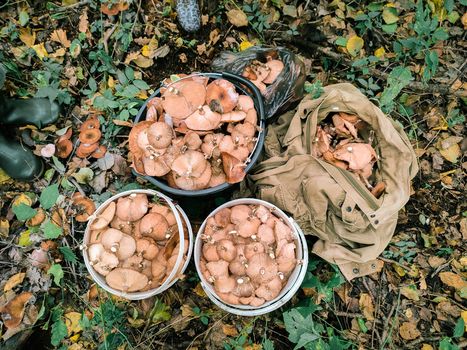
The magic of these forests is their wildness. Sustainable foraging is paramount. This means taking only what you can use, never over-harvesting, and minimizing your impact on the environment. Leave plenty for wildlife and for the fungi to reproduce.
Pro-Tip:
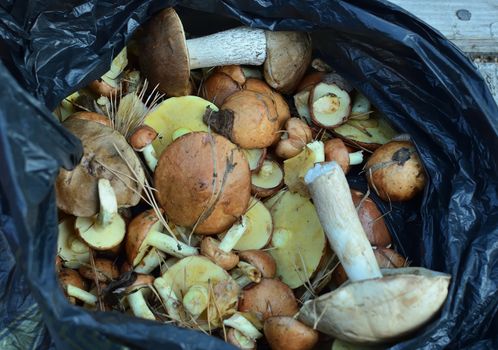
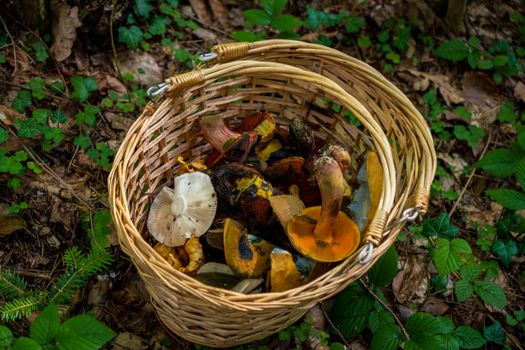
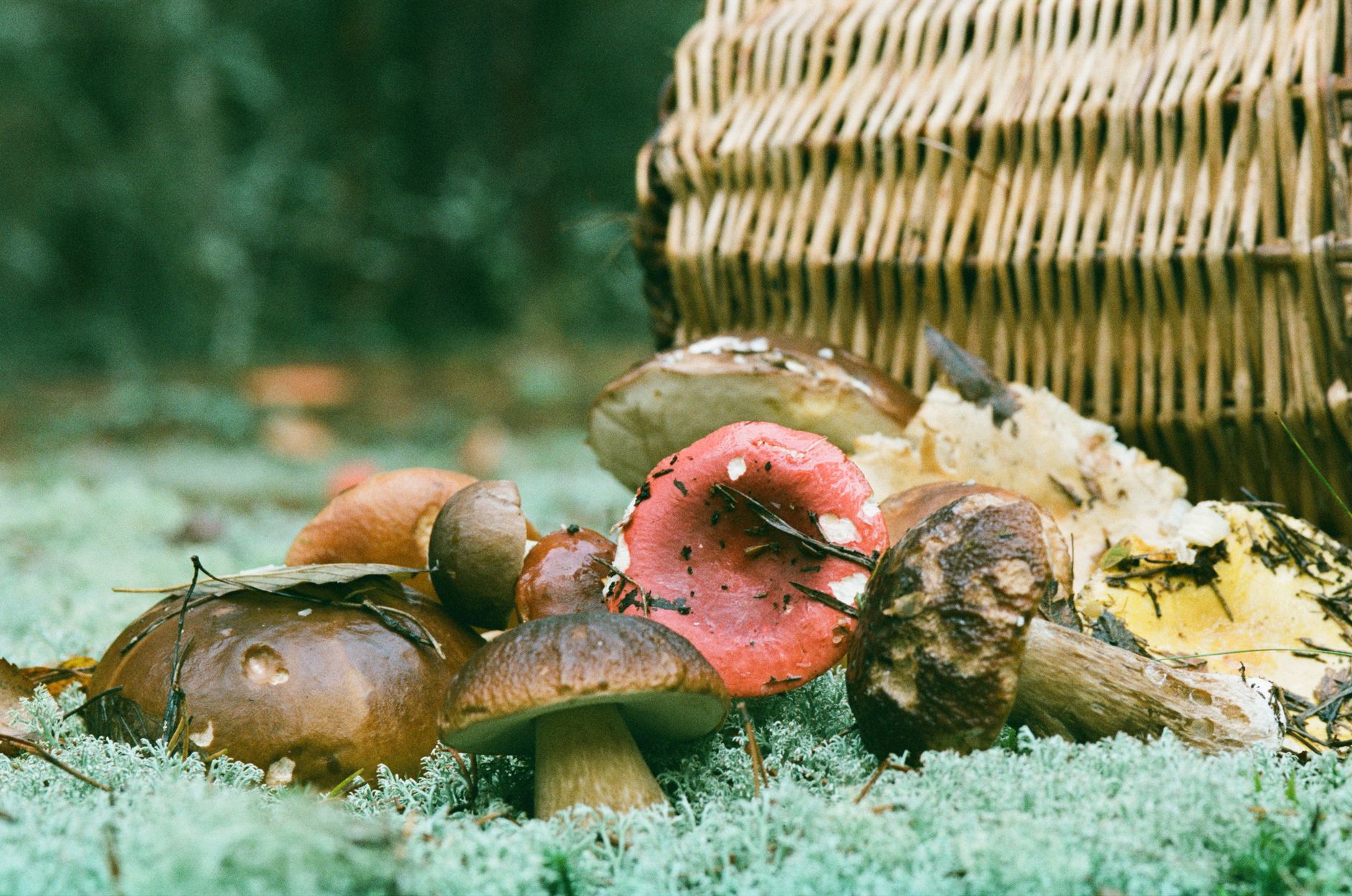
Use a basket, not a plastic bag, to carry your mushrooms. This allows spores to disperse as you walk. Never disturb the mycelium (the underground network of fungi) by digging. Gently cut the stem at the base.
Section 6: The Gourmet Experience - From Forest to Fork
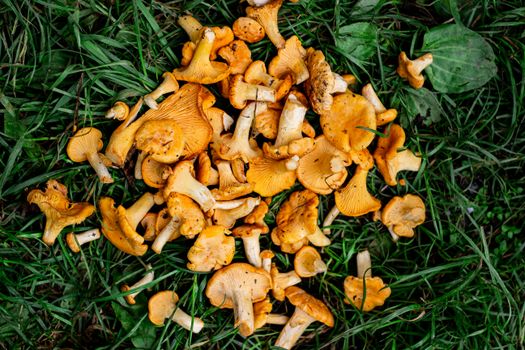
The taste of a freshly foraged mushroom is unparalleled. Imagine sautéing chanterelles in butter with a whisper of garlic, or adding a handful of oyster mushrooms to a hearty stew. These are flavors that can't be replicated by store-bought varieties.
Insider Tip:
For a true taste of the legendary forest, try a simple preparation that lets the mushroom’s natural flavor shine. A drizzle of local truffle oil (if you're incredibly lucky to find truffles!) or a sprinkle of wild herbs like wood sorrel can elevate your dish.
The Budget & Logistics: Your Foraging Expedition Blueprint
| Aspect | Details | Estimated Cost ($) |
| :--------------- | :------------------------------------------------------------------------------------------------------------------------------------------------------------------------------------------------------------------------------ | :----------------- |
| Best Time to Visit | Autumn: Late September to November (peak for many edibles like porcini, chanterelles). Spring: March to May (morels, spring boletes). Always check local conditions. | N/A |
| How to Get There | By Car: Most legendary forests are accessible by car. Research local roads and potential parking areas. Public Transport: Some may be accessible via regional trains or buses, followed by a hike. | $50 - $300 (Fuel/Tickets) |
| Accommodation | Camping: For the truly immersive experience. Local Guesthouses/B&Bs: Offers a taste of local life. Eco-Lodges: Often nestled within or near these forests. | $50 - $200 per night |
| Foraging Gear | Basket: Essential for spore dispersal. Knife: A good foraging knife with a brush. Field Guide: Region-specific. Gloves: For protection and grip. Waterproofs: Essential for unpredictable forest weather. | $50 - $150 (one-time purchase) |
| Guided Tours | Optional but Recommended for Beginners: Local guides offer invaluable knowledge and safety. | $100 - $300 per day |
| Food & Drink | Pack your own: Sandwiches, snacks, and plenty of water. Local Cuisine: Embrace the local fare for authentic flavors. | $20 - $50 per day |
Quick Facts:
- Legendary Forests: Black Forest (Germany), Redwood National Park (USA), Cairngorms National Park (Scotland), Epping Forest (UK), Hoh Rainforest (USA).
- Mushroom Season: Primarily Autumn, with a secondary Spring season.
- Difficulty: Moderate to Challenging (requires knowledge and physical ability).
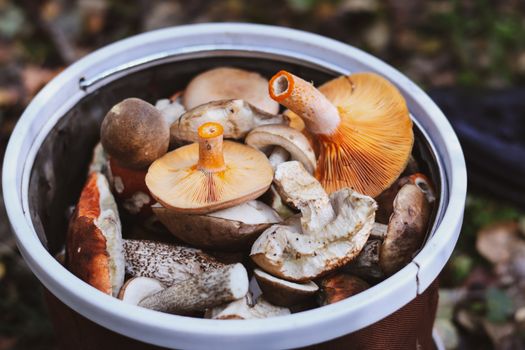
- Key Edibles (Vary by region): Porcini, Chanterelles, Morel Mushrooms, Oyster Mushrooms, Chicken of the Woods, Lion's Mane.
- Safety First: Always forage with a knowledgeable companion or guide if you are a beginner.
The Takeaway: A Taste of Wild Magic
Mushroom foraging in these legendary forests is an adventure that feeds the soul as much as it does the body. It’s a chance to disconnect from the digital noise and reconnect with the earth. The earthy aroma, the quiet rustle of leaves, the thrill of discovery – these are the elements that make this pursuit so intoxicating. So, lace up your boots, grab your basket, and step into the whispering woods. The forest floor is calling, and its edible treasures await.
---