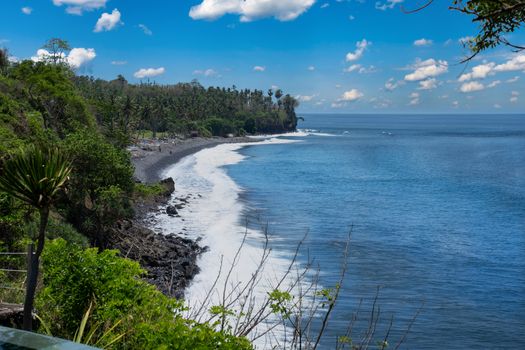
Bali has earned its fame. It offers surf breaks, rice terraces, temples, yoga studios, excellent food and a huge range of places to stay. It also gets busy, and some of its best-known coastal areas have the traffic, crowds and development that come with popularity. It is no surprise that many travellers go looking for a quieter alternative.
A word of honesty first. Headlines promising beaches that are "better than Bali" with a precise percentage fewer tourists are not meaningful. Nobody can fairly measure "better", and visitor numbers change by season, year and even day of the week. What can be said is that there are many beautiful coastlines where, in general, you will meet far fewer people than in Bali's busiest areas. This guide describes several, what makes each one different and what trade-offs to expect. Check current conditions, transport options and entry rules before you plan.
Decide What You Actually Want From a Bali Alternative
"Like Bali but quieter" can mean very different things. Before choosing a destination, think about which part of Bali you enjoy most.
- Surf culture. Do you want waves, surf schools and a laid-back social scene?
- Swimming and snorkelling. Do you need calm, clear water and coral?
- Culture and temples. Are you looking for a place with strong local traditions?
- Food and cafes. Do you want a wide choice of restaurants and good coffee?
- Wellness. Is yoga, spa and retreat culture part of the appeal?
- Scenery. Do you prefer green hills, volcanic landscapes or white sand and turquoise water?
- Infrastructure. How comfortable are you with simple accommodation, limited transport and patchy internet?
Quieter usually means fewer facilities. The more remote the beach, the less you can expect in terms of choice, nightlife, transport and medical care. Being clear about this will help you choose well.
Lombok and the Gili Islands, Indonesia
Lombok lies just east of Bali and is easy to combine with it. Its southern coast has wide bays, surf breaks and long beaches, and much of the island still feels relaxed. The Gili Islands, off Lombok's northwest coast, are small, car-free islands popular with divers, snorkellers and travellers who like to cycle or walk.
What to expect
- Southern Lombok. Places like Kuta Lombok, Selong Belanak and Tanjung Aan offer attractive beaches, surf lessons and simple guesthouses. The area has seen growing development, so conditions change.
- The Gilis. Gili Trawangan is the liveliest, Gili Air is more relaxed and Gili Meno is the quietest. Snorkelling with turtles is a popular activity.
- Culture. Lombok has a majority Muslim population, so dress and behaviour should be respectful away from beaches.
Practical notes
Boats from Bali are available but weather and sea conditions can affect them. Book through reputable operators and check safety standards. Be mindful of the environmental pressure on small islands, and avoid single-use plastics where you can.
Sumba and the Eastern Indonesian Islands
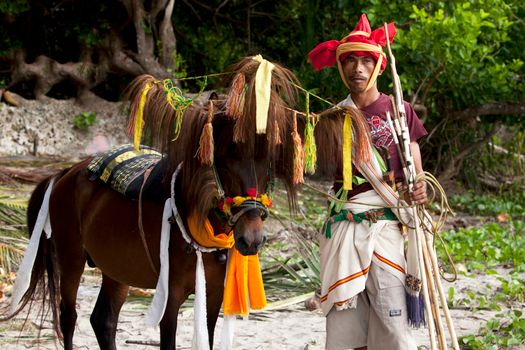
Further east, Sumba, Flores and nearby islands offer dramatic scenery, traditional villages and long, empty beaches. Sumba in particular has rolling savannah-like hills, megalithic tombs and surf breaks.
What to expect
- Limited infrastructure. Roads, accommodation and food choices are simpler than in Bali.
- Cultural interest. Traditional villages and ceremonies are a major draw, but visitors should behave respectfully and ask permission before taking photos.
- Travel time. Getting here often takes longer and costs more than a short hop from Bali.
For travellers who want a quieter coastline and accept less comfort, the eastern islands can be rewarding. Ask locally about safe swimming spots, as currents can be strong on exposed beaches.
Koh Lanta and the Andaman Coast, Thailand
Thailand's famous islands, such as Phuket and Koh Phi Phi, receive large crowds. Koh Lanta, further south on the Andaman coast, is longer, greener and generally quieter. Its west coast has a string of beaches with relaxed beach bars, and the old town on the east side has stilted wooden houses.
What to expect
- Seasons. The Andaman coast generally has a drier season roughly from late in the year through spring, and a wetter monsoon season in the middle of the year. Some businesses close or reduce service in the rainy months, and seas can be rough.
- Activities. Snorkelling and diving trips, kayaking in mangroves and exploring national park trails.
- Atmosphere. More of a family and long-stay traveller crowd than a party scene.
Check current weather patterns and ferry timetables before booking. Boat services may be limited in the low season.
Palawan and Smaller Philippine Islands
The Philippines has thousands of islands, and many have beaches that are spectacular and far less crowded than the headline destinations. Palawan, with El Nido and Coron, is famous for limestone cliffs and lagoons. It can be busy at peak times, but quieter pockets exist, particularly farther from the main hubs.
What to expect
- Island-hopping. Boat tours are the main way to see the scenery, and quality and safety vary. Choose licensed operators and look for those that follow environmental rules.
- Smaller alternatives. Islands in the Visayas and elsewhere offer calm beaches and local culture, such as Siquijor, Camiguin or Bantayan. Each has its own character and level of development.
- Weather. Typhoon seasons affect parts of the country. Check forecasts and local advice.
The Philippines rewards flexible travellers. Ferries and flights can be delayed by weather, so build slack into your schedule.
South Coast and East Coast Sri Lanka
Sri Lanka packs beaches, wildlife and cultural sites into a small area. The south coast, with towns like Mirissa, Unawatuna and Tangalle, is well known and can be busy in season. Quieter stretches lie further along the coast, around Tangalle, Rekawa and Dickwella. The east coast, including Arugam Bay and Passikudah, has a different monsoon pattern from the south and west.
What to expect
- Two coasts, two seasons. Sri Lanka's monsoon systems mean that one coast is typically in better condition than the other at a given time. Research the best season for your preferred stretch of coast.
- Wildlife. Whale watching, turtle hatcheries and national parks are popular. Choose responsible operators, since poorly run wildlife trips can harm animals.
- Food. Seafood, curries and hoppers are everyday delights.
Check the latest advice for travelling in Sri Lanka, including entry requirements and any local safety information.
Beyond Asia: Other Quiet Coasts With a Similar Feel
If you are open to different regions, a few other coastal areas offer relaxed beach life.
- Zanzibar's quieter shores and Pemba, Tanzania. Beautiful water and rich cultural history, though the busiest northern beaches can be crowded.
- The Alentejo and Algarve west coast, Portugal. Wild Atlantic beaches with a surf culture and a gentler pace outside summer.
- Sardinia's quieter bays, Italy. Clear water and rugged coastline, best visited outside peak summer.
- Pacific coast of Costa Rica and Nicaragua. Surf towns, wildlife and tropical scenery, with varying levels of development.
- Mozambique's coast. Long beaches and marine life, with simpler infrastructure.
Conditions vary significantly, so check seasonal weather, safety advice and health requirements for each.
How to Find Quiet Within Any Beach Destination
Sometimes the best way to avoid crowds is not a different country but a different approach.
- Travel in shoulder season. Just before or after the peak months often brings pleasant weather and fewer people. Check local climate patterns.
- Go early or late. Beaches are often quiet at sunrise and late in the afternoon.
- Stay away from the main strip. Walk or ride a few kilometres from the busiest area.
- Visit midweek. Weekend crowds, particularly from local visitors, can be large near cities.
- Use local knowledge. Ask guesthouse owners and boat operators where people go for a calm swim.
- Be flexible with plans. Weather and tides affect conditions, so keep a day or two spare.
Travelling Responsibly to Quiet Places
Quiet beaches are often fragile. A few habits help protect them.
- Carry out all rubbish, including small items like wrappers and cigarette butts.
- Use reef-safe sun protection where possible and avoid touching or standing on coral.
- Never remove shells, coral or sand unless allowed.
- Respect local customs and dress codes, particularly when leaving the beach.
- Support local businesses such as family guesthouses, small restaurants and community-run tours.
- Be mindful of water use on small islands, where freshwater supplies can be limited.
- Do not feed wildlife or disturb nesting turtles and birds.
Safety and Health Basics
This is general information, not medical advice. Check official sources for current travel advice.
- Swimming safety. Learn about rip currents and tides. Swim at patrolled beaches where available, and avoid swimming alone or after drinking alcohol.
- Sun protection. Use sunscreen, hats and shade, especially at midday.
- Water and food. Follow local guidance about drinking water.
- Insurance. Consider travel insurance that covers water activities, medical care and evacuation, and read the exclusions.
- Vaccinations and health. Speak to a travel health professional well before you go.
- Emergency access. In remote places, medical facilities can be far away, so note nearby hospitals and clinics.
Frequently Asked Questions
Are there beaches that are objectively better than Bali?
"Better" depends on what you value. Some beaches have clearer water, calmer swimming or fewer people, but Bali offers a unique combination of culture, food and variety. It is more useful to ask which place fits your priorities.
When is the best time to find quieter beaches?
Usually in shoulder seasons, when weather is still good but crowds have eased. Each region has a different pattern, so check local climate information.
Are quieter beaches more expensive to reach?
Sometimes. Remote places can require extra flights or boats, and fewer accommodation options can push prices up in peak times. Compare options for your dates.
Is it safe to travel to remote beaches on my own?
Many travellers do. Check current travel advice, tell someone your plans, keep emergency contacts handy and avoid isolated areas at night.
Summary
There is no beach that beats Bali for everyone, but there are plenty of coasts that offer a quieter pace. Lombok and the Gilis, Sumba, Koh Lanta, smaller Philippine islands and Sri Lanka's quieter stretches each offer a different mix of scenery, culture and simplicity. Decide what you value most, choose the right season, accept that fewer crowds often mean fewer facilities and travel responsibly to protect the places you love. Always check up-to-date information on weather, transport, health and safety before you go.