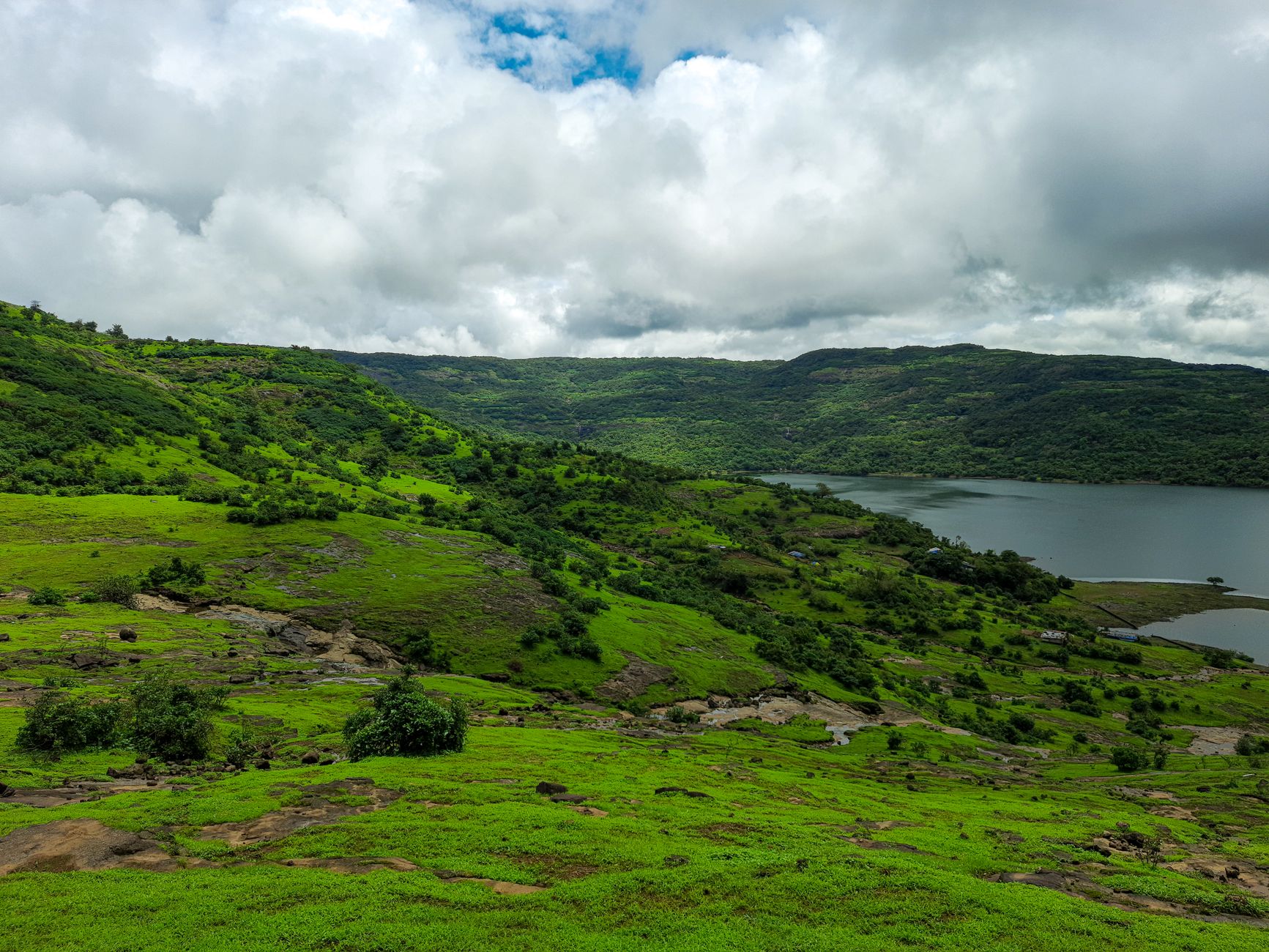
Monsoon season brings heavy rain to many regions, transforming landscapes into green and dramatic scenery. Travelers often avoid this period, yet it can offer quieter attractions, lower accommodation demand and a different kind of beauty. It also carries real risks, including flooding, landslides, road closures and transport delays. This guide explains how to weigh these trade-offs, what to prepare for and how to enjoy wet-season travel safely.
What monsoon weather is like
Monsoon systems typically bring a prolonged period of heavy rainfall, often concentrated in certain months. The intensity varies by region, with some areas receiving steady showers and others experiencing intense downpours that cause flash flooding. Humidity is usually high, and temperatures may remain warm. Skies can clear for hours or days between storms, which makes planning flexible days valuable.
Research the typical pattern for your destination and check current forecasts and official weather warnings as your trip approaches. Patterns vary from year to year, so treat historical information as a guide rather than a promise.
Potential benefits of wet-season travel
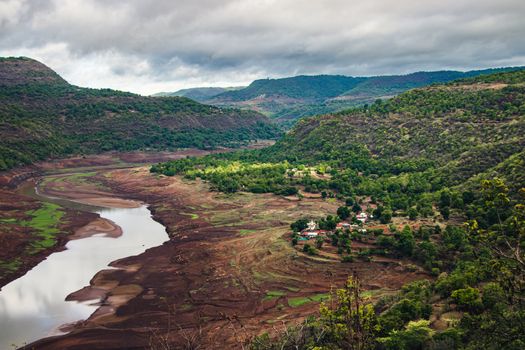
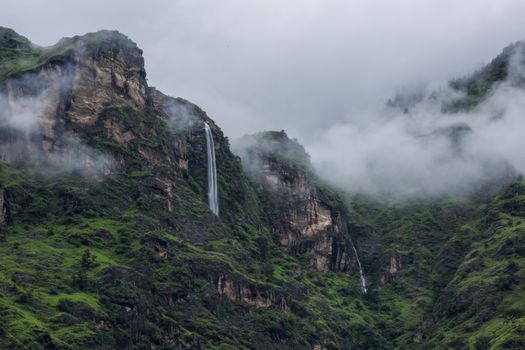
Monsoon periods can be quieter at many sights, and some trails, temples and waterfalls look especially striking after rain. Accommodation may be available at lower rates, though this is not guaranteed. Cultural festivals linked to the season are held in some regions, offering opportunities to see local traditions. Food markets, cafes and indoor museums can provide comfortable alternatives when weather turns.
Greenery, birdlife and water features are at their most vivid in many places during this time, which appeals to photographers and nature lovers.
Flooding, landslides and transport risks
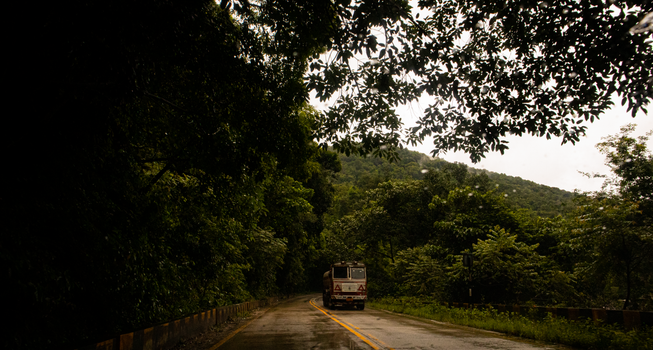
The main risks are flooding, landslides, slippery surfaces and disrupted transport. Roads may close without much notice, trains can be delayed or suspended, and flights may be canceled. Hill regions can be especially vulnerable to landslides, and river areas to rapid rises in water level. Avoid crossing flooded roads or bridges, and follow the instructions of local authorities.
Plan for the possibility that your schedule will change. Keep a buffer day in your itinerary, and avoid tight connections between flights, trains and tours.
Health, hygiene and insects
Wet conditions can increase the risk of waterborne illness, skin infections and insect-borne diseases. Drink safe or treated water, wash hands often and keep wounds clean and covered. Use insect repellent and appropriate clothing, and check current health guidance for the region, including any recommended vaccinations. Carry a basic first-aid kit with waterproof packaging for medications.
If you develop fever or other concerning symptoms after travel, seek medical advice promptly and mention your recent trip.
Packing and daily planning
Pack quick-drying clothing, a waterproof jacket, sturdy shoes with good grip and a dry bag for electronics and documents. An umbrella or poncho can be more practical than a standard raincoat in heavy downpours. Keep important papers in sealed plastic bags, and consider a waterproof phone case.
Plan activities by weather. Save outdoor walks or boat trips for drier windows and reserve indoor activities for stormy afternoons. Check local advice each morning before setting out.
Practical tips
Buy travel insurance that explicitly covers weather-related disruption, medical care and trip changes, and read the policy exclusions carefully. Keep a list of local emergency numbers and the location of your accommodation in case of evacuation. Avoid driving through floodwater and follow advice from local guides. Carry some cash, since power and card systems can fail during storms.
Stay in touch with your accommodation host, who often has up-to-date local knowledge about road and weather conditions.
Common mistakes to avoid
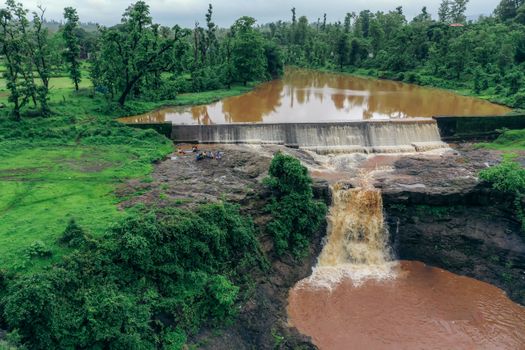
A common error is booking non-refundable accommodation or tours without a flexible option, which leaves little room if the weather turns. Choose bookings with free changes where possible, particularly for hill regions and river towns. Another mistake is swimming in rivers or waterfalls after heavy rain, when water levels can rise quickly and currents can be strong even in pools that look calm. Some travelers also hike on steep, muddy slopes after storms, when landslides and slips are more likely. Ignoring official advisories and assuming that a cloudy morning will stay dry is another frequent problem. Finally, underestimating how long journeys take on wet roads can cause missed meals, connections or check-in times. Allow extra time for every transfer and plan lighter days when rain is forecast.
Who this suits and who it doesn't
Monsoon travel can suit people who enjoy lush scenery, slower rhythms and indoor cultural activities such as museums, cooking classes and temple visits. Photographers who like moody skies and vivid greenery may find the season rewarding. It may be less suitable for people who need tight schedules, those with joint or mobility problems on slippery paths, and travelers who are sensitive to high humidity or damp conditions. People with respiratory conditions should discuss the season with a doctor before traveling. If your trip depends on specific outdoor highlights, consider timing it for the drier months instead. Travelers who choose to go may do well to stay in one base for several days, which reduces transfers in unpredictable weather.
Quick questions
Is monsoon travel always dangerous?
Not always, but it carries more risk than the dry season. Risk depends on the region, the specific weather and how carefully you plan and respond to official warnings.
Should you cancel if rain is forecast?
Not automatically. Check the official forecast and any warnings, then decide whether your plans remain sensible. Flexible bookings make this decision easier. A flexible itinerary with a spare day is usually easier to manage than a last-minute cancellation.
What if your flight or train is cancelled?
Contact the provider promptly, check your travel insurance terms and keep receipts for any extra costs. Your accommodation host may also help with local transport options.
Monsoon season does not need to be avoided entirely, but it requires respect for the weather and flexibility in your plans. Choose destinations and activities that suit wet conditions, prepare for disruptions and monitor official warnings closely. With those steps in place, a monsoon trip can offer green landscapes, quieter sights and experiences that many travelers never see during the dry months.