Monsoon Magic: Uncovering Adventures Influencers Hide!
Let me tell you a secret, one that the perfectly curated grids of Instagram influencers rarely reveal: some of the most profound, breathtaking, and utterly authentic travel experiences happen when the heavens open. While everyone else is chasing eternal sunshine and crowded beaches, a different, more vibrant world emerges under the monsoon skies. And trust me, it’s a world you absolutely need to explore.
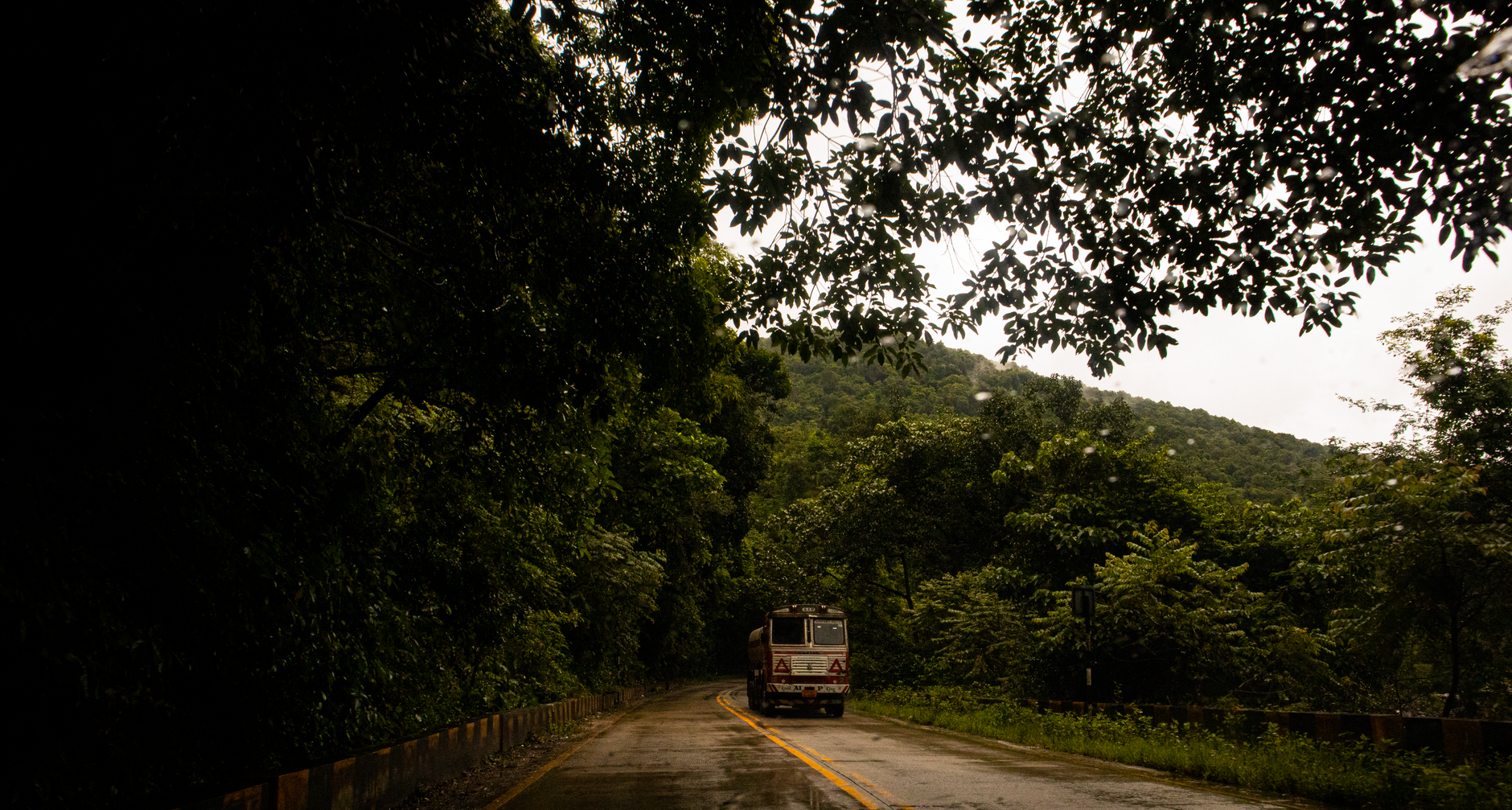
I remember my first "accidental" monsoon trip. It was supposed to be a sunny escape to Goa, India, in August – notoriously the peak of the rainy season. My friends had scoffed, predicting endless days stuck indoors. But what I found was pure magic. The parched earth drank deeply, transforming into a canvas of emerald green. Waterfalls roared to life, hidden streams gurgled, and the air hummed with a freshness I’d never experienced. The beaches, usually a chaotic mosaic of sunbathers, were almost deserted, offering vast stretches of solitude. I rode a scooter through winding, rain-kissed lanes, the smell of wet earth and frangipani filling my senses. That trip wasn’t just a holiday; it was a revelation. It taught me that sometimes, the most beautiful stories are written when you dare to dance in the rain.
This isn’t about gritty, uncomfortable travel. This is about embracing a different kind of beauty, a deeper connection, and adventures that most people—and certainly most influencers chasing optimal lighting—simply avoid. This is about discovering the raw, unfiltered pulse of a destination.
The Myth vs. The Magic: Why We Avoid, And Why We Shouldn't
The common narrative around monsoon season is often one of gloom, inconvenience, and cancelled plans. We’re told to expect torrential downpours, flooded streets, muddy trails, and a general dampness that makes exploration impossible. And yes, sometimes, you will get soaked. But that’s only half the story, and arguably, the less interesting half.
What this narrative misses is the incredible transformation that rain brings. It washes away the dust, revealing vibrant colours. It breathes life into dormant landscapes, turning dry hills into lush jungles. It cools the air, offering respite from scorching heat. And perhaps most importantly, it washes away the crowds.
Think about it: no jostling for the perfect selfie spot at Angkor Wat, no endless queues at the Taj Mahal, no fighting for a patch of sand in Bali. Instead, you get to experience these iconic locations in a rare state of tranquility, often with a mystical mist adding an ethereal filter that no Instagram preset can replicate. The local communities, less overwhelmed by mass tourism, are often more open, welcoming, and eager to share their culture. You become a traveler, not just another tourist.
Embrace the Green Canvas: Nature's Rebirth
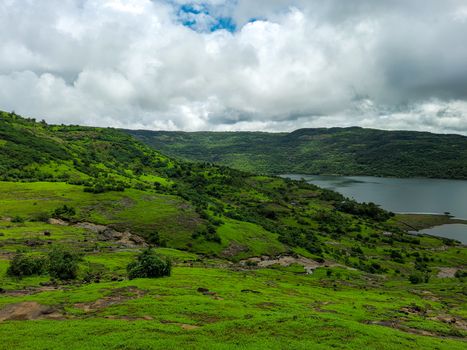
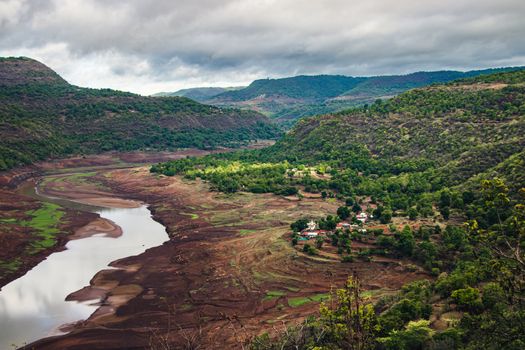
The most striking aspect of monsoon travel is arguably the dramatic transformation of nature. Landscapes that might seem parched and brown in the dry season burst into an unimaginable spectrum of greens.
India's Western Ghats
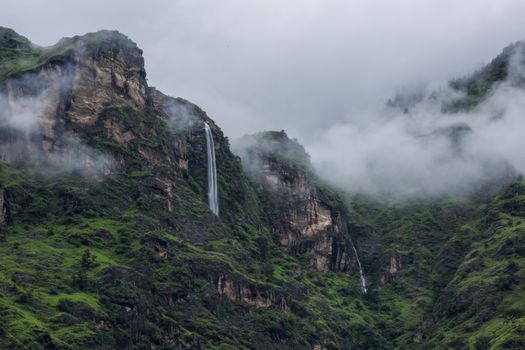
, for instance, become a UNESCO World Heritage site of unparalleled beauty. Think misty mountain passes, tea plantations shrouded in fog, and hundreds of waterfalls cascading down cliffs that were dry mere weeks before. Places like Lonavala and Khandala near Mumbai, or the entire state of Kerala with its backwaters and spice plantations, truly come alive. I once took a houseboat trip through the backwaters of Alleppey in Kerala during July. The rice paddies were a dazzling green, reflecting the grey skies, and the gentle patter of rain on the roof of the houseboat was the most soothing soundtrack imaginable. We saw local life unfold at a slow pace – kids playing in puddles, women washing clothes by the canals, fishermen casting nets – all against a backdrop of unparalleled natural beauty.
Further east, Vietnam's Sapa region or the stunning Ha Giang Loop are transformed into emerald masterpieces. Rice terraces glow with an almost incandescent green, and the clouds often descend, creating surreal, otherworldly vistas. While riding a scooter through the Ha Giang Loop in August, the mist rolled in and out, revealing dramatic peaks one moment and shrouding them in mystery the next. It was an exhilarating, slightly terrifying, and utterly unforgettable experience. Every turn offered a new, breathtaking view, made even more dramatic by the swirling clouds.
Even destinations known for beaches, like Bali, Indonesia, take on a different charm. While sunbathing might be limited, the island's interior becomes incredibly lush. Rice paddies are at their most vibrant, and the jungle trekking becomes an adventure through a truly thriving ecosystem. The waterfalls, like Tegenungan or Sekumpul, are at their most powerful and majestic.
Cultural Immersion, Unfiltered: Beyond the Tourist Trail
With fewer tourists, monsoon season offers an unparalleled opportunity for genuine cultural immersion. Local life unfolds at its natural rhythm, untainted by the demands of peak season tourism.
Imagine wandering through a local market in Chiang Mai, Thailand, where vendors are more relaxed and eager to chat, sharing stories about their produce or crafts. Or participating in a cooking class where the chef has more time to delve into the nuances of local ingredients. During a rainy spell in Ubud, Bali, I joined a traditional Balinese cooking class. The instructor, usually bustling with groups, had only a few students, and she shared intimate stories about her family recipes and the spiritual significance of food, making the experience deeply personal and memorable.
Monsoon can also coincide with unique local festivals. Many agricultural communities celebrate harvest festivals or rain-related rituals that are often overlooked by mainstream tourists. In Nepal, for example, the Indra Jatra festival, dedicated to the god of rain and good harvest, takes place around September, marking the end of the monsoon. Witnessing such raw, authentic celebrations, often involving vibrant processions and traditional music, is a privilege that few travelers experience.
You might find yourself sharing a cup of chai with a local shopkeeper as the rain pours outside, discussing life, politics, and everything in between – conversations that simply don't happen when everyone is rushing through. These moments of quiet connection are the true souvenirs of travel.
Budget Bliss & Exclusive Experiences: Your Wallet Will Thank You
Let’s talk money. Off-season travel is almost always significantly cheaper. Airlines often offer reduced fares, and accommodation prices plummet. A beachfront hut in Goa that might cost $100 a night in December could be had for $30-$40 in July or August. High-end resorts often run incredible promotions to attract guests, meaning you can experience luxury at a fraction of the cost.
Tour operators, guides, and even local transport providers are often more flexible with prices and more attentive to individual travelers. You might find you have a private guide for the price of a group tour, or that a driver is willing to take you to a hidden spot off the usual itinerary just because they have the time.
My trip to Meghalaya, India, during its infamous monsoon, was a testament to this. Known as "the wettest place on Earth," it's a monsoon wonderland. I hired a local guide to take me to the Double Decker Living Root Bridge. Instead of a crowded, rushed trek, we had the trail almost entirely to ourselves. He shared fascinating insights into the Khasi culture, pointed out rare flora, and even helped me navigate slippery sections. The cost for his day-long expertise was incredibly reasonable, and the personalized experience was priceless. We even found a small waterfall tucked away that wasn't on any map, just for me.
Gear Up & Go: Practical Tips for a Rainy Adventure
So, you’re convinced? Excellent! Now, let’s get practical. Monsoon travel isn't about ignoring the rain; it's about being prepared and embracing it.
- Waterproof Everything: This is non-negotiable.
- Rain Jacket & Pants: A good quality, breathable rain jacket is your best friend. Lightweight rain pants can also be a lifesaver.
- Waterproof Backpack Cover: Essential for protecting your electronics and clothes. Many backpacks come with one, or you can buy one separately for around $10-20.
- Dry Bags: Small dry bags (various sizes, $5-15 each) are perfect for phones, cameras, wallets, and anything else you absolutely cannot get wet.
- Waterproof Footwear: Good hiking sandals (like Chacos or Tevas) that dry quickly are often better than hiking boots, which can get waterlogged. Or waterproof hiking shoes.
- Umbrella: A compact, sturdy umbrella can be surprisingly useful for light showers or walking through towns.
- Quick-Drying Clothes: Leave the denim at home. Pack synthetic fabrics, merino wool, or quick-drying cotton blends. Layers are key.
- Insect Repellent: Rain often means more mosquitoes. Pack a strong repellent with DEET or picaridin.
- Power Bank: Power outages can be more common during heavy rains, so keep your devices charged.
- Flexibility is Key: Weather can be unpredictable. Be prepared for changes in plans, delayed transport, or spontaneous detours. Embrace it!
- Safety First: Be mindful of slippery surfaces, swollen rivers, and potential landslides in mountainous regions. Always check local conditions and heed advice from locals. If you're riding a scooter, drive extra carefully.
- Embrace the Mud: You will get muddy. It’s part of the adventure. Don’t wear your best white sneakers.
Monsoon Hotspots: Where to Get Your Rain Fix
Here are a few specific locations that truly shine during the monsoon, offering unique experiences:
- Meghalaya, India: As mentioned, the "abode of clouds" is phenomenal. Cherrapunji and Mawsynram are legendary for their rainfall. Explore living root bridges (like the Double Decker Root Bridge in Nongriat), powerful waterfalls (Nohkalikai, Seven Sisters), and crystal-clear rivers (Dawki). Trekking here is an experience like no other. A guided trek to the root bridges might cost around INR 1000-2000 ($12-25) for a full day.
- Kerala, India: The backwaters are serene, the spice plantations lush, and the Ayurveda treatments are often recommended during monsoon for their enhanced efficacy. Visit Munnar for tea gardens shrouded in mist or the beaches of Varkala for dramatic cliff views. Houseboat stays in Alleppey typically range from INR 8,000-20,000 ($100-250) per night, significantly cheaper than peak season.
- Goa, India: Forget the party scene; monsoon Goa is about tranquility, lush landscapes, and local life. Explore spice farms, visit Dudhsagar Falls (which roars to life), or simply enjoy quiet beach walks. Scooter rentals drop to INR 200-300 ($2.50-4) per day.
- Sapa, Vietnam: The rice terraces are at their most vibrant green. Trekking through the mist and clouds offers stunning, ethereal views. Homestays with local ethnic minorities provide authentic cultural insights. A multi-day trekking and homestay package can be found for $50-100.
- Angkor Wat, Cambodia: While it can get muddy, seeing the ancient temples emerge from the mist with fewer tourists is a truly spiritual experience. The moats are full, adding to the grandeur. The iconic sunrise over Angkor Wat is even more dramatic with swirling clouds. A 3-day pass is $62, and you'll share it with far fewer people.
- Costa Rica (Pacific Coast): The "green season" (May to November) brings rain but also incredible biodiversity. Rainforests are vibrant, waterfalls are powerful, and wildlife is abundant. You might see sloths, monkeys, and exotic birds more easily. Prices for eco-lodges are often lower.
Your Story, Unfiltered: The Ultimate Instagram-Worthy Experience
Influencers chase perfect light, clear skies, and pristine backdrops. You, the monsoon adventurer, will find something far more profound: authenticity. Your photos might have a moody, dramatic quality. Your videos might capture the soothing sound of rain. Your stories will be about overcoming challenges, witnessing raw beauty, and connecting with a place on a deeper level.
Imagine a photo of you, rain-kissed, standing before a roaring waterfall, or a misty mountain panorama, or a deserted temple complex. These aren't just pretty pictures; they're testaments to an experience. They tell a story of courage, curiosity, and a willingness to step outside the conventional. That, my friends, is truly Instagram-worthy – not because it's filtered to perfection, but because it's perfectly real.
So, next time you're planning a trip and see "monsoon season" listed, don't dismiss it. Instead, see it as an invitation. An invitation to discover a destination in its most natural, vibrant, and authentic state. An invitation to escape the crowds, save some money, and create memories that truly stand out.
Dare to embrace the rain. Dare to find the magic. Your most unforgettable adventure awaits.
---
What's your most unexpected travel memory? Have you ever dared to travel during the monsoon? Share your stories and tips in the comments below! Let's inspire more travelers to embrace the unconventional.
---