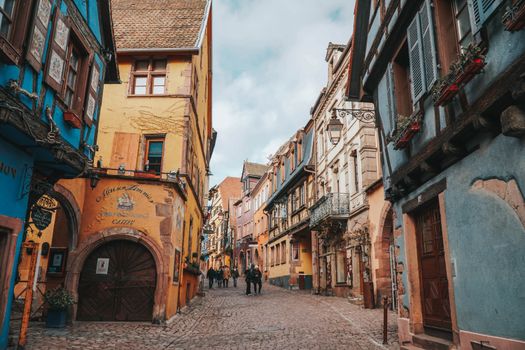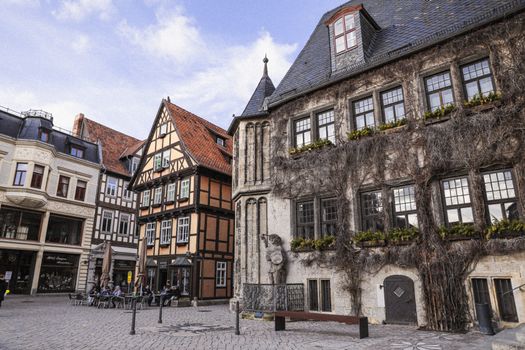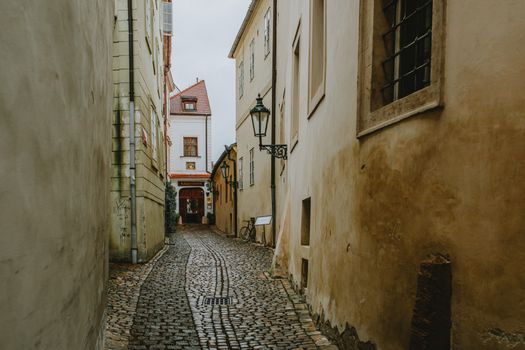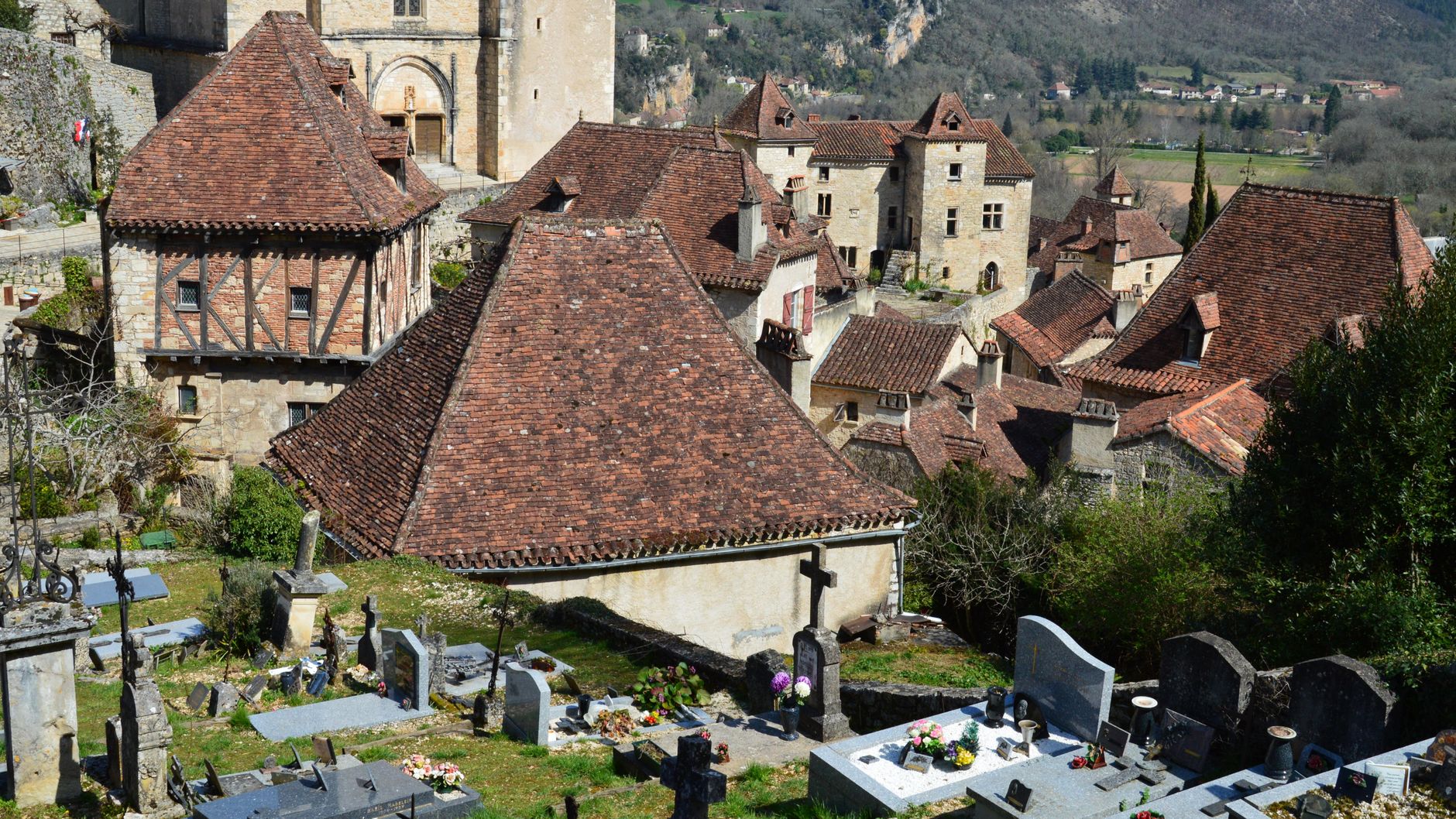
The Hook: A Whisper of Ages in a Cobblestone Embrace
I stepped off the train in Ghent, Belgium, not entirely knowing what to expect. The air, crisp with a hint of the nearby canals, carried the faintest scent of waffles and something more ancient – damp stone, perhaps, and centuries of stories. As I wandered towards the city center, the familiar buzz of a modern city gradually faded, replaced by the gentle clatter of my own footsteps on centuries-old cobblestones. Ahead, the towering spires of St. Bavo's Cathedral pierced the sky, bathed in the soft, diffused light of a late afternoon sun. It wasn't just beautiful; it felt alive, a living, breathing testament to a past that refused to be forgotten. This, I realized with a thrill, was the magic I’d been searching for – an echo of history so profound, it silenced the noise of the present. And it was just the beginning.
Beyond the Beaten Path: Unearthing Europe's True Medieval Soul
Prague. The name itself conjures images of gothic spires, astronomical clocks, and a fairytale romance etched in stone. And while it absolutely deserves its fame, for those of us yearning for a deeper, more intimate connection with history, the sheer volume of visitors can sometimes feel like a gilded cage. But fear not, intrepid traveler! Europe is brimming with medieval towns that offer that same intoxicating charm, that same whisper of ages, but with a more authentic, less crowded embrace. These are the places where you can truly get lost in time, where every corner turned reveals a new story, a new vista that feels like it's been waiting just for you.
1. Bruges, Belgium: The Venice of the North, Minus the Overrun Feeling
Bruges. Ah, Bruges. It’s often hailed as the "Venice of the North," and for good reason. Imagine gliding along tranquil canals, the reflections of gingerbread-esque guild houses dancing on the water. The air is thick with the sweet scent of chocolate and the distant chime of carillon bells. This is a town that feels plucked straight from a medieval manuscript.
Why it's More Charming (Right Now):
While Bruges is popular, it feels more contained, more manageable than Prague. The canals provide a natural buffer, and the sheer density of its beauty means you can find quiet corners even amidst the bustle. The pace of life here is slower, inviting you to linger over a Belgian beer or a steaming pot of mussels.
Insider's Take:
Forget the main squares for a moment. Wander down the Rozenhoedkaai (Rosebud Quay) at dusk – the light is pure magic, and the crowds thin out considerably. The Begijnhof, a tranquil courtyard founded in the 13th century, offers a serene escape and a glimpse into a unique historical way of life.
Pro-Tip:
Take a canal tour early in the morning (around 9 AM) before the larger groups arrive. You’ll have a more intimate experience and get those iconic photos with fewer people in the frame.
Quick Facts: Bruges
- Estimated Cost (per day, mid-range): $150 - $200 (accommodation, food, activities)
- Best Time to Visit: Spring (April-May) for blooming flowers and milder weather, or Autumn (September-October) for stunning fall foliage and fewer tourists.
- How to Get There: Easily accessible by train from Brussels (approx. 1 hour) or Amsterdam (approx. 3 hours).
2. Cesky Krumlov, Czech Republic: A Bohemian Fairytale Frozen in Time
Just a few hours south of Prague lies a town so perfectly preserved, it feels like a film set. Cesky Krumlov, a UNESCO World Heritage site, is a Bohemian jewel dominated by its magnificent castle, perched dramatically on a bend in the Vltava River. The sheer scale of the castle complex, with its ornate Renaissance and Baroque interiors and its stunning Baroque theatre, is breathtaking.
Why it's More Charming (Right Now):
While it's a popular day trip from Prague, staying overnight transforms Cesky Krumlov. As the day-trippers depart, the town settles into a magical quietude. The winding, narrow streets, illuminated by soft lamplight, feel like your own private discovery. The sheer density of medieval architecture packed into such a small area is overwhelming in the best possible way.
Insider's Take:
Climb to the Castle Tower for panoramic views that will steal your breath. Don't miss the Egon Schiele Art Centrum for a dose of modern art amidst the historical setting. For a truly local experience, find a "hospoda" (traditional pub) away from the main tourist drag and try some hearty Czech goulash.
Pro-Tip:
Explore the Latrán district below the castle. It’s less crowded than the main town square and offers incredibly picturesque streets and hidden courtyards.
Quick Facts: Cesky Krumlov
- Estimated Cost (per day, mid-range): $120 - $180
- Best Time to Visit: Late Spring (May-June) for pleasant weather and blooming nature, or early Autumn (September) for beautiful colors and fewer crowds.
- How to Get There: Direct buses from Prague (approx. 3 hours) are the most convenient. Trains are also an option but can be slower.
3. Rothenburg ob der Tauber, Germany: Stepping into a Living Medieval Postcard
If you’ve ever dreamed of a quintessential German medieval town, Rothenburg ob der Tauber is it. This walled city along the Romantic Road is a visual feast. Think timber-framed houses with flower-filled window boxes, a perfectly preserved medieval wall you can walk along, and charming cobblestone lanes that seem to go on forever. The scent of gingerbread and roasted almonds often fills the air.
Why it's More Charming (Right Now):
Rothenburg is a masterclass in preservation, and while it's a well-known stop on the Romantic Road, its compact size and the immersive experience of walking the ramparts make it feel incredibly authentic. The town has a unique way of making you feel like you've stepped back centuries, especially when you’re exploring its nooks and crannies after the day-trippers have left.
Insider's Take:
The Night Watchman's Tour is an absolute must. Led by a costumed guide, it’s a witty and informative journey through the town's history and legends after dark. Visit the Plönlein, a picturesque fork in the road with two charming towers, for that iconic photo.
Pro-Tip:
Walk the entire town wall. It’s free and offers constantly changing perspectives of the town and the surrounding Franconian countryside. Aim for a weekday visit if possible.
Quick Facts: Rothenburg ob der Tauber
- Estimated Cost (per day, mid-range): $140 - $190
- Best Time to Visit: Shoulder seasons (April-May, September-October) for pleasant weather and fewer crowds. The Christmas market season is magical but very busy.
- How to Get There: Train from major German cities like Munich or Frankfurt, usually with a change in Würzburg or Steinach.
4. Siena, Italy: Tuscan Grandeur and Medieval Might
Forget the rolling hills of Tuscany for a moment and picture its beating heart: Siena. This is a city that breathes medieval history. Dominated by the Piazza del Campo, a shell-shaped main square that slopes gently downwards, Siena’s architecture is a symphony of red brick and Gothic grandeur. The scent of Tuscan herbs and freshly baked bread wafts from trattorias.
Why it's More Charming (Right Now):
While Florence draws the lion's share of tourists, Siena offers a more concentrated, intense medieval experience. Its compact size means you can explore its labyrinthine streets and discover hidden courtyards with a real sense of discovery. The Palio horse race, a centuries-old tradition, is a testament to the city's enduring medieval spirit, but even outside of this event, the city vibrates with history.
Insider's Take:
Climb the Torre del Mangia in the Piazza del Campo for unparalleled views of the city and the surrounding Tuscan landscape. Explore the Duomo di Siena, a masterpiece of Italian Gothic architecture, and don't miss the Piccolomini Library within it. Seek out the smaller contrade (neighborhoods) for a glimpse into the city’s unique social fabric.
Pro-Tip:
Visit the Duomo early in the morning or late in the afternoon to avoid the largest tour groups. The light is also softer, making the intricate marble work even more stunning.
Quick Facts: Siena
- Estimated Cost (per day, mid-range): $160 - $220
- Best Time to Visit: Spring (April-May) and Autumn (September-October) offer ideal weather and fewer crowds. Avoid August if you dislike intense heat and crowds.
- How to Get There: Easily reachable by bus from Florence (approx. 1.5 hours). Trains are also available but often require a bus connection from the station to the city center.
5. Tallinn, Estonia: A Baltic Gem of Medieval Enchantment
Tallinn’s Old Town is a UNESCO World Heritage site, and for good reason. It’s one of the best-preserved medieval cities in Northern Europe. Walking through its cobblestone streets feels like stepping into a storybook, with colorful merchant houses, ancient churches, and imposing city walls punctuated by watchtowers. The air here carries a unique blend of sea salt and pine.
Why it's More Charming (Right Now):
Tallinn offers a different flavor of medieval charm – a more rugged, Baltic feel. It’s often overlooked by travelers heading to more Western European capitals, meaning you can experience its magic with a greater sense of personal discovery. The compact Old Town is easily walkable, and the views from Toompea Hill are simply spectacular.
Insider's Take:
Explore the Lower Town for its bustling market squares and merchant houses, then ascend to Toompea Hill to visit the impressive castle and enjoy panoramic views over the red rooftops. Don't miss the Kiek in de Kök Museum, housed in a 15th-century cannon tower, for a fascinating look at the city's defenses.
Pro-Tip:
Wander through the Kalamaja district just outside the Old Town for a taste of bohemian Tallinn, with its colorful wooden houses and trendy cafes. This offers a delightful contrast to the medieval core.
Quick Facts: Tallinn
- Estimated Cost (per day, mid-range): $130 - $180
- Best Time to Visit: Summer (June-August) for long daylight hours and pleasant temperatures, or early Autumn (September) for beautiful colors and fewer tourists.
- How to Get There: Direct flights from many major European cities. Ferry services are also available from Helsinki (approx. 2 hours).
The Verdict: Your Next Enchanting Escape Awaits
Prague is undoubtedly a magnificent city. But for travelers seeking that intoxicating blend of history, beauty, and authentic local life without the overwhelming crowds, these medieval towns offer a compelling alternative. They are places where you can truly breathe in the past, where every cobblestone and every spire tells a story, and where your own adventure feels uniquely yours. So, pack your bags, leave the well-trodden path behind, and prepare to be utterly charmed.