The Hook: Salt, Nitrogen, and the Whir of a Turbidimeter
I stepped off the battered wooden panga into knee-deep, crystalline water, the raw scent of wet brine and crushed volcanic basalt filling my lungs. The early morning mist off Baja’s East Cape had barely burnt off, but my hands were already cold, clutching a waterproof tablet and an underwater Secchi disk.
Around us, Cabo Pulmo’s surface looked calm, but five meters down lay a swirling cyclone of bigeye trevally so dense they blocked out the sun.
"We need the visibility reading before the thermal plume shifts," shouted Dr. Elena Morales over the rumble of the outbound tide. "Mark the GPS, drop the line, and watch for bull shark dorsal notches."
This wasn’t a standard tourist dive charter. I wasn't just paying to look; I was working. Over six days, my data on water clarity, apex predator sightings, and benthic cover would be uploaded directly into Mexico's national marine inventory.
A revolution is happening in ocean travel. As nations rush to meet global "30x30" conservation goals—protecting 30% of the world’s oceans by 2030—newly expanded Marine Protected Areas (MPAs) face a massive data deficit. They lack the funding and headcount to monitor millions of square kilometers of open water. Enter citizen science: structured, technology-driven monitoring programs where travelers replace passive sightseeing with active, high-impact conservation work.
Here are the top marine protected areas offering citizen science emerging this year where your holiday directly funds and gathers ecological science.
---
1. The Cabo Pulmo & Loreto Bay Corridor (Baja California Sur, Mexico)
The Mission: Apex Predator Photo-ID and Reef Recovery Metrics
Once decimated by overfishing, Cabo Pulmo is the poster child for marine regeneration, boasting a 463% increase in total fish biomass over two decades. This year, the focus expands into the corridor connecting Cabo Pulmo to Loreto Bay Marine Park. Emerging citizen science initiatives are mobilizing recreational divers to map the movement of apex predators along this biological highway.
What You’ll Do
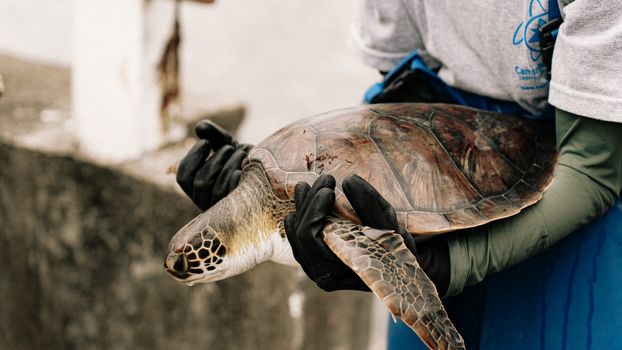
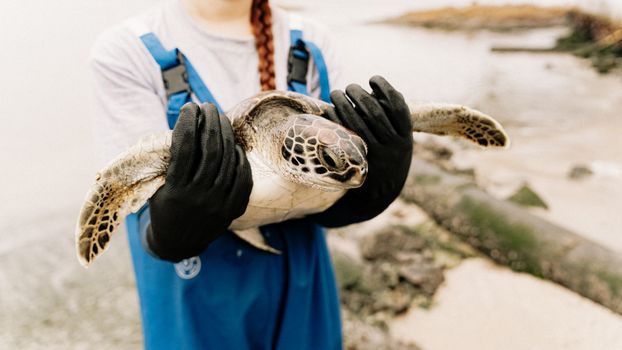
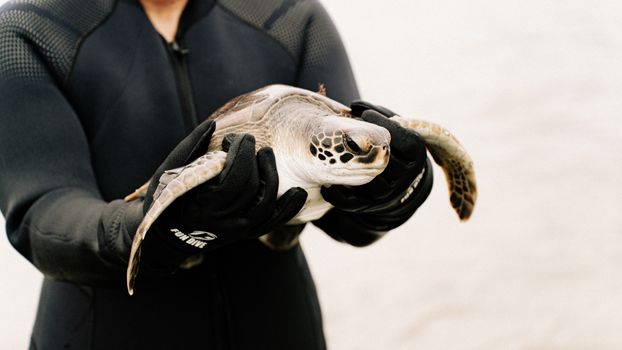
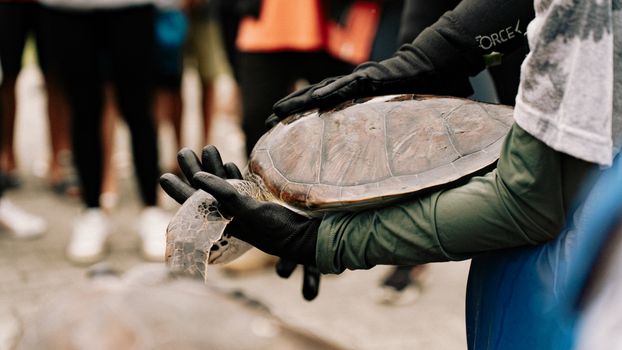
Equipped with wide-angle cameras and digital slates, citizen scientists log bull shark spot patterns, nurse shark length estimates, and sea turtle shell irregularities. You'll upload your photos to Wildbook for Sharks, an AI-driven database that matches individual animals by their unique markings. Additionally, travelers conduct line-transect surveys to measure the spread of invasive crown-of-thorns starfish (Acanthaster planci).
- The Vibe: Rustic off-grid eco-lodges, cold Pacifico beers, dusty dirt roads, and jaw-dropping underwater biomass.
- Pro-Tip: Book your boat slots six months out. To limit environmental stress, Cabo Pulmo strictly caps the number of divers per site each day. Head to Tacos Los Tigres in La Ribera afterward for local stingray tacos.
---
2. The Expanded Azores Marine Reserve Network (Portugal)
The Mission: Deep-Sea Cetacean Mapping and Open-Ocean Microplastic Surveys
In late 2024, the Autonomous Region of the Azores created the largest Marine Protected Area network in the North Atlantic, safeguarding over 287,000 square kilometers. Because this deep-water haven serves as a migratory gas station for blue, fin, and sperm whales, researchers rely heavily on ocean-going travelers to track oceanographic changes across vast spatial scales.
What You’ll Do
Joining pelagic monitoring trips out of Horta or Ponta Delgada, you will assist marine biologists by using hydrophones to record cetacean vocalizations and taking tail-fluke photographs for the Happywhale global tracking network. On surface intervals, travelers deploy manta trawls to skim for microplastics, sorting and categorizing synthetic polymers under boat-deck microscopes to measure Atlantic plastic density.
- The Vibe: Windswept Atlantic outposts, cobble-lined Portuguese alleys, rich volcanic soil, and fresh queijadas.
- Pro-Tip: Skip peak July. Visit in May during the spring baleen whale migration. The weather is crisp, but whale sightings spike dramatically, and the ocean research vessels are actively recruiting field volunteers.
---
3. Ningaloo Coast Marine Park Expansion (Western Australia)
The Mission: eDNA Sampling and Whale Shark Spotter Intelligence
Stretching 300 kilometers along Australia’s coral-fringed west coast, Ningaloo Reef offers a rare opportunity to step off the beach straight onto a thriving fringe reef. With new sanctuary zones coming under protected status, researchers are rolling out non-invasive Environmental DNA (eDNA) sampling programs that allow everyday visitors to help map unseen biodiversity.
What You’ll Do
Snorkelers carry simple, hand-pump filtration kits provided by local science partners. By pulling 1-liter water samples over targeted reef structures and preserving the filter paper, you collect shed skin cells, feces, and mucus. Back on land, labs sequence this eDNA to detect rare or cryptic species like guitarfish and sea snakes. You’ll also log spot patterns behind the gills of whale sharks using Sharkbook.
- The Vibe: Red dirt meets turquoise seas, wild emus on the beach, campervans, and endless coral gardens.
- Pro-Tip: Rent a 4WD campervan in Exmouth and head down to Cape Range National Park at 6:30 AM before the gates congest. The entry at Turquoise Bay offers an effortless drift dive with zero boat traffic.
---
4. The Portofino & Tuscan Archipelago Sanctuaries (Liguria/Tuscany, Italy)
The Mission: Mapping Posidonia Oceanica Meadows and Climate Indicator Species
While tropical reefs grab the headlines, the Mediterranean is quietly ground zero for ocean warming. Inside the Portofino Marine Protected Area and surrounding Tuscan waters, emerging citizen science initiatives focus on Posidonia oceanica (seagrass), the underwater forest that sequesters carbon at double the rate of tropical rainforests.
What You’ll Do
Armed with digital underwater thermometers and depth gauges, free-divers and snorkelers record the upper death-limits of endemic Mediterranean gorgonians (Paramuricea clavata). You will also participate in seagrass bed density counts by dropping 50x50 cm PVC quadrats and counting shoots per square meter, feeding real-time data to European marine heatwave monitoring systems.
- The Vibe: Espresso on stone harbors, cliffside lemon groves, terraced vineyards, and deep blue water.
- Pro-Tip: The hidden access point to Portofino's quietest shore-snorkeling site is located behind the blue door at the base of the stairs near San Fruttuoso Abbey. Arrive via the early morning ferry before the day-trippers land.
---
5. The Belize Barrier Reef Reserve System (Belize)
The Mission: Outplanting Heat-Resilient Corals and SCTLD Surveillance
The Mesoamerican Barrier Reef is racing against climate change and Stony Coral Tissue Loss Disease (SCTLD). Inside marine reserves like Laughing Bird Caye and Glover’s Reef, non-profit institutions have pioneered community-led coral nurseries. This year, they are opening their micro-fragmentation and outplanting pipelines directly to trained traveler-volunteers.
What You’ll Do
Following a half-day workshop on coral physiology, you dive into nursery sites to scrape algae off ropes suspending staghorn and elkhorn corals. Advanced volunteer divers use non-toxic marine epoxy to cement micro-fragments onto degraded reef substrate. Snorkelers conduct disease-surveillance drifts, using underwater cameras to flag fresh SCTLD white-lesion outbreaks for rapid treatment by park rangers.
- The Vibe: Caribbean breezes, Creole spiced seafood, garifuna drumming, and crystal-clear lagoon water.
- Pro-Tip: Base yourself in Placencia rather than San Pedro for shorter boat runs to the southern reef sites where coral nurseries are healthiest. Grab a morning fry jack at Omar’s Freelance Mess Hall.
---
6. Misool Private Marine Reserve & Raja Ampat Network (West Papua, Indonesia)
The Mission: Manta Ray Identification and Invasive Species Management
Located in the heart of the Coral Triangle, Raja Ampat holds the highest recorded marine biodiversity on Earth. While parts of Raja Ampat suffer from over-tourism, the Misool Marine Protected Area—a 1,220-square-kilometer private sanctuary network—runs an exemplary citizen science model targeting oceanic and reef manta rays (Mobula birostris and Mobula alfredi).
What You’ll Do
Divers spend safety stops documenting the unique spot patterns on the bellies of manta rays, submitting photographs directly to MantaMatcher.org. You will also participate in crown-of-thorns starfish removal operations using specialized injection tools, helping keep predator numbers low on delicate staghorn thickets.
- The Vibe: Emerald karst islands, phosphorescent night waters, utter remoteness, and incomparable coral density.
- Pro-Tip: Pack your own high-lumen dive light with a red-light mode. Red light allows you to observe night-time coral spawning and crustacean activity without disturbing animal behavior or bleached corals.
---
Quick Facts: Budget & Logistics Breakdown
| Destination | Target Species / Focus | Best Time to Visit | Est. Daily Cost ($USD) | How to Get There |
| :--- | :--- | :--- | :--- | :--- |
| Cabo Pulmo (Mexico) | Bull Sharks, Reef Biomass | Oct – Dec | $120 - $250 | Fly to San José del Cabo (SJD); rent a car for a 2-hour drive north. |
| Azores (Portugal) | Blue Whales, Microplastics | Apr – Jun | $140 - $280 | Fly direct to Ponta Delgada (PDL) from Boston, Lisbon, or London. |
| Ningaloo (Australia) | eDNA, Whale Sharks | Mar – Jul | $180 - $350 | Fly to Learmonth (LEA) via Perth; rent a campervan. |
| Portofino (Italy) | Posidonia Grass, Thermal Profiling | May – Sep | $160 - $320 | Train to Santa Margherita Ligure; local bus or ferry to Portofino. |
| Belize Barrier Reef | Coral Outplanting, SCTLD | Nov – May | $150 - $300 | Fly to Belize City (BZE); commuter flight to Placencia airstrip. |
| Misool (Indonesia) | Manta Rays, Benthic Audits | Oct – Apr | $350 - $700+ | Fly to Sorong (SOQ); 4-hour speedboat transfer to the island. |
---
Pro-Tips for the Conscious Citizen Scientist
- Audit Before You Book: Not all "eco-voluntourism" operators are created equal. Look for organizations partnered with accredited scientific institutions (e.g., PADI AWARE, Reef Check, iNaturalist, NOAA, or local universities). If an operator lets you touch, ride, or feed marine wildlife, walk away immediately.
- Download Offline Tech: Many emerging MPAs lack cellular service. Download offline mapping tools like Maps.me along with scientific recording apps like iNaturalist, Seek, and eBird before leaving your hotel Wi-Fi.
- Gear Up Responsibly: Non-nano mineral zinc sunscreens are non-negotiable. Chemical sunscreens containing oxybenzone or octinoxate are strictly banned in most emerging MPAs as they bleach soft corals and disrupt fish endocrine systems even at tiny concentrations.
- Master Your Buoyancy: The best citizen scientists leave no trace. If you knock off a decade of slow-growing brain coral with a careless fin kick, you undo all the good your survey data provides. Practice neutral buoyancy in a pool or calm bay before signing up for benthic transect surveys.
---
The Future of Travel Lies Beneath the Surface
We are moving past the era where travel is purely extractive. As ocean ecosystems face mounting pressures, our travel choices can become a force multiplier for conservation. By joining one of these emerging marine protected area initiatives, you donate more than your vacation dollars—you contribute your eyes, your time, and meaningful data to help save the ecosystems you came to admire.
Pack your mask, charge your underwater camera, and step off the boat ready to work. The ocean needs your science.
---