The Hook: A Symphony of Salt and Discovery
I stepped off the boat, the humid air thick with the scent of salt and something else… something wild and untamed. The rhythmic slap of waves against the hull was a lullaby, but my heart hammered with anticipation. Below the surface, a world pulsed with life, a vibrant kaleidoscope I’d only glimpsed in documentaries. This wasn't just a holiday; it was an invitation. An invitation to become a guardian, a data collector, a vital part of something bigger than myself. I was about to join a citizen science expedition in a marine protected area, and the ocean was calling.
The Power of the People: Why Citizen Science in MPAs Matters
Marine Protected Areas (MPAs) are the unsung heroes of ocean conservation. They're like national parks for our seas, offering refuge for vulnerable species and ecosystems. But their effectiveness hinges on constant monitoring and research. This is where we come in. Citizen science empowers everyday individuals – travelers like you and me – to contribute valuable data, from identifying fish species to tracking marine mammal movements. It’s a game-changer, transforming passive tourists into active stewards of our blue planet. Imagine contributing to the survival of a coral reef or the protection of a whale migration route simply by enjoying a breathtaking dive or snorkel. That’s the magic of citizen science in action.
H3: Beyond the Postcard: Real-World Impact
Forget just taking pretty pictures. Citizen science projects within MPAs offer a tangible way to contribute. You're not just observing; you're collecting data that scientists use to:
- Assess species populations: Are whale shark numbers increasing or decreasing?
- Monitor habitat health: Is that coral reef recovering after bleaching events?
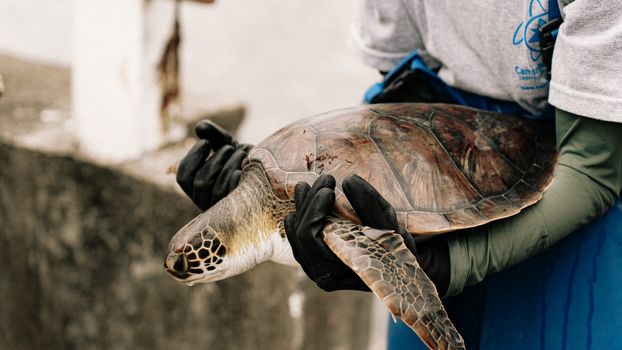
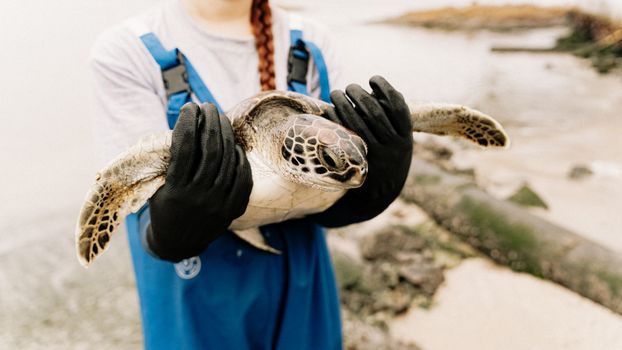
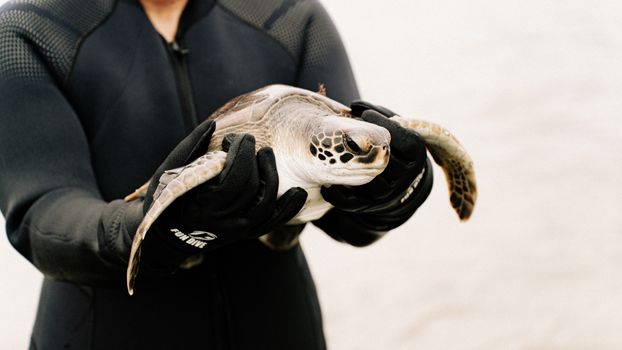
- Track migration patterns: Where are sea turtles heading and why?
- Identify threats: Are there signs of pollution or illegal fishing?
Your observations, no matter how small they seem, become crucial puzzle pieces in the grander picture of ocean conservation.
Where the Wild Things Are (And You Can Help Track Them!): Top MPA Citizen Science Hotspots
The world is brimming with incredible marine protected areas offering citizen science opportunities right now. Here are a few of my personal favorites, each offering a unique way to connect with and protect the ocean:
1. The Galapagos Islands, Ecuador: Darwin's Living Laboratory
The Vibe:
Surreal, prehistoric, and teeming with fearless wildlife. You’ll feel like you’ve stepped onto another planet. The air hums with the calls of sea lions and the salty spray kisses your face as you explore.
The Citizen Science:
The Galapagos Marine Reserve is a UNESCO World Heritage site and a biodiversity hotspot. Many organizations offer programs focused on:
- Marine Iguana Monitoring: Documenting their behavior and health.
- Sea Lion Census: Counting and identifying individual sea lions.
- Shark and Ray Surveys: Using underwater photography and visual surveys to record species and their locations.
- Plastic Pollution Patrols: Collecting and cataloging marine debris.
Pro-Tip:
Engage with local guides and researchers. They are treasure troves of information and often have direct connections to ongoing citizen science initiatives. Look for accredited eco-tour operators who incorporate these programs.
Quick Facts - Galapagos:
| Category | Details |
| :---------------- | :-------------------------------------------------------------------- |
| Estimated Cost | $$$$ (High – due to flights, park fees, and specialized tours) |
| Best Time to Visit | December to May (warm, calmer seas); June to November (cooler, richer marine life) |
| How to Get There | Fly into Baltra Airport (GPS) or San Cristóbal Airport (SCY) from mainland Ecuador. |
2. The Great Barrier Reef, Australia: A Coral Canvas
The Vibe:
An underwater metropolis of color and life. The sheer scale is breathtaking, with the gentle sway of anemones and the darting flash of angelfish creating a mesmerizing ballet.
The Citizen Science:
While facing challenges, the Great Barrier Reef Marine Park Authority and numerous research institutions are actively seeking citizen scientist contributions. Programs often include:
- Coral Bleaching Monitoring: Reporting on the health of coral reefs.
- Crown-of-Thorns Starfish Surveys: Helping to manage outbreaks of this coral predator.
- Fish Identification and Counts: Contributing to long-term biodiversity assessments.
- Dolphin and Whale Spotting: Logging sightings and behaviors.
Pro-Tip:
Join a reputable dive or snorkel tour that partners with a research organization. Many operators offer on-board briefings and data collection protocols. Even casual snorkelers can contribute by reporting unusual observations.
Quick Facts - Great Barrier Reef:
| Category | Details |
| :---------------- | :-------------------------------------------------------------------- |
| Estimated Cost | $$$ (Moderate to High – depends on location and tour type) |
| Best Time to Visit | June to October (dry season, lower humidity, good visibility) |
| How to Get There | Fly into Cairns (CNS) or Proserpine (PPP) for access to the northern and central reef. |
3. The Florida Keys National Marine Sanctuary, USA: A Backyard Ocean Gem
The Vibe:
Laid-back island charm meets vibrant underwater ecosystems. The water is often crystal clear, revealing a dazzling array of fish and coral right off the coast.
The Citizen Science:
This accessible MPA offers numerous opportunities:
- Reef Environmental Education Foundation (REEF) Programs: Participate in fish surveys, volunteer for outplanting efforts, and contribute to marine debris monitoring.
- Sea Turtle Patrols: In designated areas, volunteers help monitor nesting beaches and hatchlings.
- Water Quality Monitoring: Helping to track the health of nearshore waters.
Pro-Tip:
Many dive shops and eco-tour operators in Key West, Marathon, and Islamorada are involved in citizen science. Inquire directly when booking your activities. The REEF program is particularly well-established and welcoming to newcomers.
Quick Facts - Florida Keys:
| Category | Details |
| :---------------- | :-------------------------------------------------------------------- |
| Estimated Cost | $$ (Moderate – highly accessible and varied accommodation options) |
| Best Time to Visit | March to May (pleasant temperatures, lower humidity) |
| How to Get There | Drive south from Miami via the Overseas Highway (US-1). Fly into Key West International Airport (EYW). |
4. The Azores, Portugal: A Mid-Atlantic Marine Wonderland
The Vibe:
Dramatic volcanic landscapes meet a vibrant, active ocean. The deep blue waters are a playground for majestic marine mammals, and the underwater visibility can be astounding.
The Citizen Science:
Known for its whale and dolphin watching, the Azores also offers robust citizen science:
- Whale and Dolphin Watching Data Collection: While on boat tours, contribute to sighting logs, identifying species, and noting behaviors.
- Seabird Monitoring: Documenting populations and nesting sites.
- Underwater Photography for Species ID: Some operators work with researchers to catalog different marine life.
Pro-Tip:
Choose tour operators who are clearly committed to conservation and data sharing. Many Azorean whale watching companies are deeply involved in research and education. The islands of Pico, Faial, and São Miguel are prime locations.
Quick Facts - The Azores:
| Category | Details |
| :---------------- | :-------------------------------------------------------------------- |
| Estimated Cost | $$$ (Moderate – flights can be the biggest expense, but local costs are reasonable) |
| Best Time to Visit | April to October (whale watching is excellent, weather is generally mild) |
| How to Get There | Fly into Ponta Delgada (PDL) on São Miguel, or Pico (PIX) and Horta (HOR) on Faial. |
5. The Channel Islands National Park, USA: California's Galapagos
The Vibe:
Rugged islands with dramatic cliffs rising from the Pacific. The kelp forests teem with life, and the air is crisp with the scent of sea spray and coastal sage.
The Citizen Science:
This accessible sanctuary offers diverse opportunities:
- Kelp Forest Monitoring: Divers and snorkelers can help track the health and composition of these vital underwater forests.
- Seabird and Marine Mammal Surveys: Documenting populations of seals, sea lions, and various seabirds.
- Invasive Species Detection: Reporting sightings of non-native species that could threaten the ecosystem.
- Beach Cleanup Data: Participating in organized cleanups and cataloging debris.
Pro-Tip:
Many organizations, like Island Packers (ferry service) and local dive shops in Ventura and Santa Barbara, can connect you with citizen science projects. Look for opportunities to volunteer with park rangers or conservation groups.
Quick Facts - Channel Islands:
| Category | Details |
| :---------------- | :-------------------------------------------------------------------- |
| Estimated Cost | $$ (Moderate – ferry tickets and park access are the main costs) |
| Best Time to Visit | May to October (best weather, calmest seas, good visibility) |
| How to Get There | Take a ferry from Ventura Harbor or Channel Islands Harbor. Fly into Santa Barbara (SBA) or Los Angeles (LAX). |
Becoming a Citizen Scientist: Your Action Plan
Ready to trade your beach towel for a data sheet? Here’s how to dive in:
H3: Research and Choose Your Adventure
- Identify your interests: Are you passionate about whales, coral reefs, or plastic pollution?
- Consider your skills: Do you need to be a certified diver, or are there opportunities for snorkelers and even land-based volunteers?
- Look for reputable organizations: Check out the websites of the MPAs themselves, as well as well-known conservation groups like The Nature Conservancy, WWF, and local research institutions.
H3: Connect with Programs and Researchers
- Directly contact tour operators: Many dive shops, eco-lodges, and boat tour companies partner with researchers. Inquire about their citizen science initiatives.
- Explore dedicated citizen science platforms: Websites like SciStarter, Zooniverse, and Ocean Connect offer searchable databases of projects.
- Volunteer with local NGOs: Many organizations actively recruit volunteers for specific monitoring or cleanup events.
H3: Pack Smart and Be Prepared
- Essential Gear: Depending on the program, this might include a waterproof notebook, camera, binoculars, or specialized sampling equipment (often provided).
- Respect the Environment: Always follow Leave No Trace principles. Minimize your impact and be mindful of wildlife.
- Embrace the Learning Curve: You're there to learn and contribute. Be open to guidance and eager to understand the scientific protocols.
The Insider's Edge: Maximizing Your Citizen Science Experience
Beyond the core data collection, there are ways to elevate your citizen science journey:
- Learn the Local Lingo: Familiarize yourself with common species names and local ecological terms. It shows respect and enhances your understanding. For example, in the Galapagos, knowing the difference between a "blue-footed booby" and a "magnificent frigatebird" adds a layer of appreciation.
- Engage with Local Communities: Often, local fishermen and community members have invaluable traditional ecological knowledge. Strike up conversations (respectfully, of course!) and learn from them.
- Document Everything (Beyond the Data): Take notes on your personal observations, the weather, the feeling of the ocean. This can provide context for your data and make for a richer narrative later. What did the water smell like that day? Was the current strong or gentle?
- Share Your Story: Once back, share your experiences! Post on social media (using relevant hashtags like #CitizenScience #OceanConservation #MPA), write a blog post, or talk to friends and family. Inspiring others is a powerful form of contribution.
Your Legacy Beneath the Waves
Choosing to participate in citizen science in a marine protected area is more than just a vacation; it's an investment in our planet's future. You're not just a visitor; you become a vital part of the solution. The thrill of spotting a rare species, the satisfaction of contributing to scientific understanding, and the profound connection you forge with the ocean are rewards that last a lifetime. So, pack your sense of adventure, your curiosity, and your desire to make a difference. The ocean is waiting for you to become its next guardian.
---