I stepped off the small ferry onto the sun-drenched pier, the salty kiss of the Aegean Sea instantly invigorating. The air thrummed with the gentle lapping of waves against weathered wooden boats and the distant cries of gulls. This wasn't just another beach holiday; this was an immersion, a chance to become a temporary guardian of a precious underwater world. March 2026 promises an extraordinary opportunity to do just that, to step beyond the postcard views and actively contribute to the health of our planet's most vital ecosystems.
This guide is your definitive roadmap to the most incredible marine protected areas (MPAs) that are actively seeking citizen scientists in March 2026. Forget passive observation; we’re talking about hands-on involvement, contributing to crucial data collection, and experiencing the ocean in a way few ever do.
March 2026: Your Call to the Ocean's Frontlines
March is a sweet spot for many coastal destinations. The peak tourist crowds have thinned, the weather is often delightfully mild, and the marine life is stirring from its winter slumber, making it an ideal time for both exploration and impactful contribution. Citizen science isn't just about filling a gap; it's about fostering a deeper connection to the natural world and empowering individuals to become active stewards of our oceans.
1. The Aegean Sea's Ancient Secrets: Marine Life Monitoring in Greece
Imagine this: the scent of wild thyme mingling with the briny air as you glide through turquoise waters. Greece, with its archipelago of islands and deep-rooted connection to the sea, is a burgeoning hub for marine citizen science. In March, the waters are teeming with life, and several protected areas are gearing up for vital monitoring efforts.
H3: Focus: Cetacean Surveys & Seagrass Bed Health
Many initiatives here focus on understanding the migratory patterns of dolphins and whales that frequent these waters, as well as assessing the health of vital seagrass meadows, the nurseries of the Mediterranean.
Pro-Tip:
Look for programs based in the Cyclades or Dodecanese islands. These regions often have well-established research stations that welcome volunteers. Arrive a day early to acclimatize and explore the local village – the scent of grilled octopus and oregano is intoxicating.
H3: Your Role:
You might be tasked with recording dolphin sightings, identifying species, and noting their behavior. Other opportunities involve underwater surveys of seagrass, documenting species diversity and signs of stress. No prior experience is needed; passion and a willingness to learn are key.
Insider Lingo:
You’ll hear terms like "pelagic surveys" (open ocean observation) and "benthic sampling" (studying the seabed). Don't be intimidated; the researchers will guide you.
Quick Facts: Aegean Citizen Science
| Aspect | Details | Estimated Cost ($) | Best Time to Visit (March) | How to Get There |
| :--------------- | :------------------------------------------------------------------- | :----------------- | :--------------------------- | :------------------------------------------------------------------------------ |
| Location | Various islands, Greece (e.g., Naxos, Crete, Rhodes) | $1500 - $3000+ | Mid-March | Fly into Athens (ATH), then ferry or domestic flight to chosen island. |
| Activities | Dolphin/whale watching, seagrass monitoring, data recording | Included in program | Weekends are popular | Local buses, ferries, and walking. |
| Accommodation| Often provided by research stations or homestays | Varies | Early to Mid-March | Check program specifics for arrival instructions. |
| Duration | Typically 1-2 weeks | Varies | - | - |
2. The Galápagos's Living Laboratory: Marine Biodiversity in Ecuador
The Galápagos Islands are synonymous with unparalleled biodiversity, a living testament to evolution. While access is regulated, several organizations offer incredible opportunities for citizen scientists to contribute to the ongoing research in its protected marine zones. March falls within the warmer, wetter season, bringing increased marine activity.
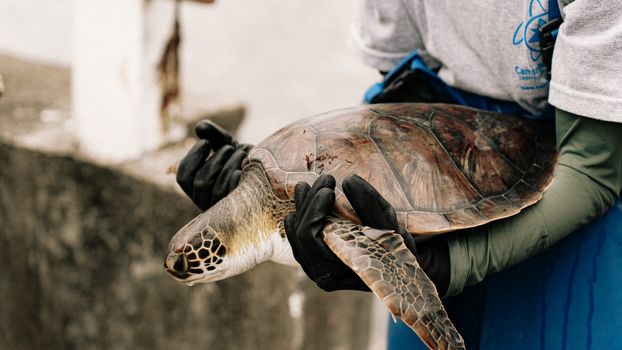
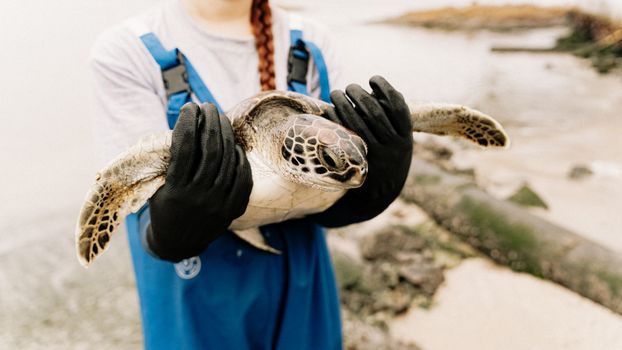
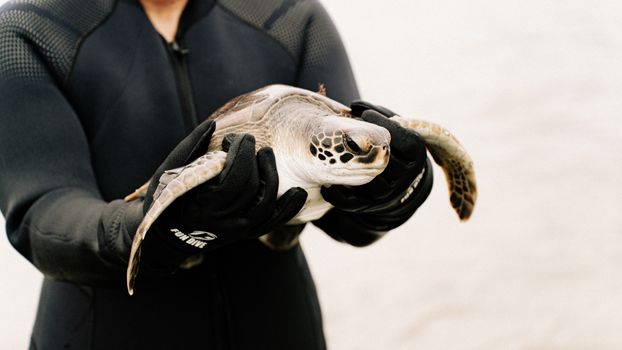
H3: Focus: Sea Turtle Nesting & Marine Iguana Counts
The focus here often shifts to critically important species like sea turtles and the iconic marine iguanas. Understanding their populations, nesting success, and feeding habits is crucial for their survival.
Pro-Tip:
Many programs are based on Santa Cruz or San Cristóbal islands. Book well in advance, as permits and spots are limited. The distinctive calls of blue-footed boobies will be your alarm clock.
H3: Your Role:
Imagine spending your days observing sea turtle nesting sites, helping to mark and protect nests, or assisting with marine iguana population counts along the coast. You might also be involved in data entry and photo-identification of marine mammals.
Insider Lingo:
You'll learn about "endemic species" (found nowhere else on Earth) and "food web dynamics." The scientific rigor here is immense, but the passion of the researchers is infectious.
Quick Facts: Galápagos Citizen Science
| Aspect | Details | Estimated Cost ($) | Best Time to Visit (March) | How to Get There |
| :--------------- | :------------------------------------------------------------------- | :----------------- | :--------------------------- | :------------------------------------------------------------------------------ |
| Location | Galápagos Islands, Ecuador (e.g., Santa Cruz, San Cristóbal) | $4000 - $7000+ | Mid-March | Fly into Quito (UIO) or Guayaquil (GYE), then domestic flight to Baltra (GPS) or San Cristóbal (SCY). |
| Activities | Sea turtle monitoring, marine iguana surveys, data collection, photography | Included in program | Mid-March | Flights to the islands are key. On-island transport is often arranged. |
| Accommodation| Research stations, eco-lodges, or homestays | Varies | Warm and wet season | Pre-booked flights and transfers are essential. |
| Duration | Typically 1-2 weeks | Varies | - | - |
3. The Mesoamerican Reef's Vibrant Heart: Coral Reef Health in Mexico
The Mesoamerican Barrier Reef System, the second-largest in the world, is a kaleidoscope of color and life. March offers excellent visibility for diving and snorkeling, making it an ideal time to contribute to its ongoing protection.
H3: Focus: Coral Bleaching Monitoring & Fish Diversity Surveys
Citizen scientists here play a crucial role in tracking the health of coral reefs, identifying signs of bleaching, and documenting the diversity of fish species that depend on these fragile ecosystems.
Pro-Tip:
Base yourself in the Riviera Maya region, near Puerto Morelos or Akumal. These areas have established marine parks with active research programs. The aroma of cochinita pibil wafting from local eateries is a must-try.
H3: Your Role:
You'll be diving or snorkeling alongside marine biologists, meticulously recording coral health using standardized protocols. You’ll also be identifying and counting fish species, contributing to crucial long-term biodiversity data.
Insider Lingo:
You'll become familiar with terms like "transect lines" (survey paths) and "quadrats" (sampling areas). The vibrant hues of parrotfish and angelfish will become your daily companions.
Quick Facts: Mesoamerican Reef Citizen Science
| Aspect | Details | Estimated Cost ($) | Best Time to Visit (March) | How to Get There |
| :--------------- | :------------------------------------------------------------------- | :----------------- | :--------------------------- | :------------------------------------------------------------------------------ |
| Location | Riviera Maya, Mexico (e.g., Puerto Morelos, Akumal) | $1200 - $2500+ | Mid-March | Fly into Cancún International Airport (CUN). |
| Activities | Coral reef health surveys, fish diversity counts, data entry | Included in program | Dry season, good visibility | Taxis, colectivos (shared vans), and organized tours. |
| Accommodation| Hotels, hostels, eco-lodges | Varies | Clear skies and calm seas | Book accommodation in advance, especially in popular areas. |
| Duration | Typically 1 week | Varies | - | - |
4. The Red Sea's Underwater Marvels: Marine Mammal Encounters in Egypt
Egypt's Red Sea coast is renowned for its crystal-clear waters, vibrant coral gardens, and abundant marine life, including a significant population of dugongs and dolphins. March offers excellent conditions for observation.
H3: Focus: Dugong & Dolphin Population Studies
Citizen scientists can contribute to vital research on these charismatic marine mammals, helping to track their movements, assess their health, and understand their habitat use.
Pro-Tip:
Consider programs operating near Marsa Alam or Hurghada. The desert landscape meeting the vibrant blue of the Red Sea is a stunning contrast. The aroma of cardamom-infused coffee is a morning ritual.
H3: Your Role:
You might be on boat-based surveys, spotting and identifying marine mammals, recording their locations and behaviors. Some programs involve underwater photography for identification purposes.
Insider Lingo:
You’ll learn about "respiratory patterns" of marine mammals and "habitat mapping." The sheer abundance of colorful reef fish is breathtaking.
Quick Facts: Red Sea Citizen Science
| Aspect | Details | Estimated Cost ($) | Best Time to Visit (March) | How to Get There |
| :--------------- | :------------------------------------------------------------------- | :----------------- | :--------------------------- | :------------------------------------------------------------------------------ |
| Location | Red Sea Coast, Egypt (e.g., Marsa Alam, Hurghada) | $1000 - $2000+ | Mid-March | Fly into Hurghada International Airport (HRG) or Marsa Alam International Airport (RMF). |
| Activities | Marine mammal spotting, data recording, photography, boat surveys | Included in program | Pleasant temperatures | Taxis, buses, and organized transfers. |
| Accommodation| Hotels, resorts, dive centers | Varies | Calm seas and good visibility| Book in advance, especially if traveling during peak season. |
| Duration | Typically 5-7 days | Varies | - | - |
5. The Great Barrier Reef's Resilience: Coral & Algae Monitoring in Australia
The Great Barrier Reef, despite its challenges, remains a marvel of biodiversity and a critical focus for conservation efforts. March is part of the wet season, but often offers clear days perfect for underwater work, and the post-cyclone recovery period can be a crucial time for monitoring.
H3: Focus: Coral Health & Algae Bloom Tracking
Citizen scientists are invaluable in collecting data on coral health, identifying different coral species, and monitoring for the presence and extent of algae blooms.
Pro-Tip:
Look for programs based in Cairns or Port Douglas. The humidity in March can be high, so stay hydrated. The scent of eucalyptus from the surrounding rainforest is distinct.
H3: Your Role:
You'll be involved in detailed coral surveys, identifying species and assessing their condition. You might also be trained to identify and quantify different types of algae, contributing to understanding reef dynamics.
Insider Lingo:
You’ll become familiar with terms like "bleaching thresholds" and "symbiotic algae." The sheer scale of the reef is humbling, and the diversity of its inhabitants is astonishing.
Quick Facts: Great Barrier Reef Citizen Science
| Aspect | Details | Estimated Cost ($) | Best Time to Visit (March) | How to Get There |
| :--------------- | :------------------------------------------------------------------- | :----------------- | :--------------------------- | :------------------------------------------------------------------------------ |
| Location | Great Barrier Reef, Queensland, Australia (e.g., Cairns, Port Douglas) | $2000 - $4000+ | Mid-March | Fly into Cairns Airport (CNS). |
| Activities | Coral surveys, algae monitoring, data collection, underwater photography | Included in program | Warm and humid | Flights to Cairns, then coaches or transfers to Port Douglas. |
| Accommodation| Hotels, hostels, resorts, liveaboard dive boats | Varies | Post-cyclone recovery period | Book accommodation and tours well in advance. |
| Duration | Typically 1 week (often combined with diving trips) | Varies | - | - |
Beyond the Dive: The Impact of Your Contribution
Participating in citizen science goes beyond a unique travel experience. You're directly contributing to scientific understanding, informing conservation strategies, and helping to protect these vital marine ecosystems for future generations. The data you collect can be crucial for identifying threats, tracking changes, and advocating for stronger protection measures.
Making Your March 2026 Adventure Count
- Research Thoroughly: Look for reputable organizations with clear scientific objectives and experienced field staff. Websites like SciStarter, iNaturalist, and specific university or NGO research pages are great starting points.
- Consider Your Skills: Are you a strong swimmer? A keen photographer? Comfortable with data entry? Match your skills to the program's needs.
- Budget Wisely: Citizen science trips can range from budget-friendly to luxurious. Factor in program fees, flights, accommodation, and personal expenses.
- Pack Smart: Think eco-friendly, quick-drying clothing, reef-safe sunscreen, a reusable water bottle, and any personal medications.
- Embrace the Experience: Be open to learning, enthusiastic about contributing, and ready to disconnect from the everyday and reconnect with the natural world.
March 2026 is calling. Answer it by becoming a guardian of our oceans. Your adventure awaits – one that’s not just about seeing the world, but about saving it.