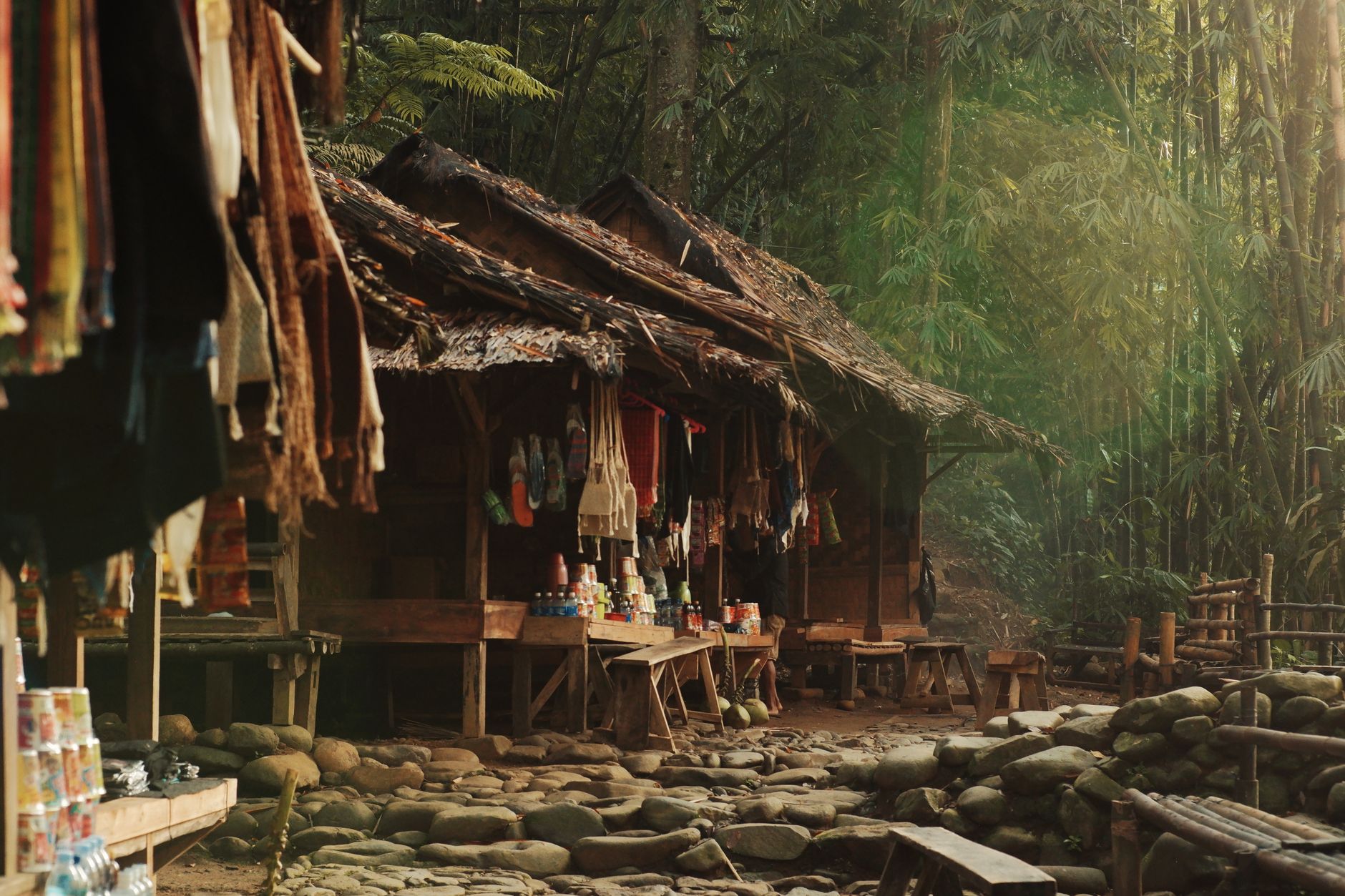
The Magic of the Undiscovered: Why Your Next Trip Should Be a Quest for the Unsung Heroes
I still remember the first time I felt it – that exhilarating rush of discovering something truly special, something that wasn't plastered across every guidebook or Instagram feed. It was a tiny, unassuming pho stall tucked down a narrow alley in Hanoi, Vietnam. The steam rose from enormous pots, swirling with the intoxicating aroma of star anise and simmering beef. An elderly woman, her face a roadmap of smiles and wrinkles, ladled broth into bowls with practiced ease. There were no English menus, no flashy signs, just locals hunched over their steaming bowls, lost in a symphony of flavors. I pointed, gestured, and somehow ended up with the most sublime bowl of pho I have ever tasted – rich, complex, utterly authentic, and costing less than a cup of coffee back home.
Fast forward a year, and I returned to that same alley. The pho stall was still there, but now there was a queue snaking down the street, a laminated English menu, and a buzz that, while exciting, had undeniably altered its intimate charm. It was still delicious, yes, but that sense of personal discovery, of unearthing a true hidden gem, had been diluted.
This experience crystallized a core philosophy for my travels: seek out and support local businesses before they become mainstream. It’s not about being a travel snob; it’s about preserving authenticity, fostering sustainable tourism, and enriching your own journey in ways that mass tourism simply can’t. It’s about experiencing the true pulse of a place, connecting with its people, and leaving a positive impact. And trust me, the stories you'll collect are far more compelling than any souvenir.
Why Go Local, Why Go Early? The Unseen Benefits of Off-the-Beaten-Path Support
Beyond the personal satisfaction of finding a secret spot, there are profound reasons why this approach to travel is so powerful, both for you and for the communities you visit:
- Authenticity on Tap: Mainstream tourist spots often cater to a lowest common denominator, sometimes sacrificing local flavor for broad appeal. Local businesses, especially those yet to hit the big time, offer the genuine article. Their food, crafts, and experiences are rooted in tradition, passion, and the unique identity of their culture. You're not just observing; you're participating in their way of life.
- Economic Empowerment: Your money goes directly into the pockets of the local community, supporting families, preserving traditional crafts, and fostering entrepreneurship. Instead of large, often foreign-owned corporations benefiting, you're helping individuals thrive and reinvest in their own neighborhoods. This is the bedrock of responsible tourism.
- Cultural Preservation: Many small businesses are keepers of cultural heritage – be it an ancient weaving technique, a grandmother's secret recipe, or a traditional music style. By supporting them, you're helping to ensure these invaluable traditions don't fade away under the homogenizing pressure of globalization. You're helping to keep their stories alive.
- Unique, Unforgettable Experiences: Let's face it, we all want those "I can't believe I found this!" moments. These are the stories you'll tell for years. The unassuming café where the barista remembered your order, the artisan who patiently explained their craft, the tiny bookshop where you found a rare first edition – these are the moments that truly define a trip.
- The "Bragging Rights" (the good kind!): There's a certain satisfaction in knowing you experienced something before it became a viral sensation. You were there when it was still raw, real, and truly special. It allows you to feel like a genuine explorer, not just another face in the crowd.
The Art of the Hunt: How to Unearth These Precious Gems
So, how do you find these hidden treasures before the tour buses roll in? It's an art, a game of patience, curiosity, and a willingness to step outside your comfort zone. Here are my tried-and-true methods:
- Ask the Locals (Seriously!): This is my number one tip. Forget the guidebooks for a moment. Instead, strike up conversations with:
- Hotel Staff: Not the concierge who pushes tour packages, but the cleaning staff, the bellhop, the breakfast attendant. They live there.
- Taxi/Ride-Share Drivers: They know every nook and cranny of the city. Ask them where they eat, where they buy gifts.
- Baristas & Bartenders: They're often plugged into the local scene. "Where do you go for a quiet coffee?", "What's a local secret for dinner?"
- Street Vendors & Market Sellers: These are the backbone of local commerce. A friendly smile and a simple question can unlock a wealth of information.
- The Golden Rule: Always ask for their favorite, not just "a good place."
- Wander Aimlessly (The Best Discoveries Are Often Lost): Put away your map and just walk. Turn down alleys that look intriguing. Explore neighborhoods away from the main attractions. Look for signs of local life – clothes hanging out to dry, children playing, a cluster of motorbikes outside an unmarked door. I found a phenomenal, ancient tea house in Kyoto by simply following a narrow path that looked like it led nowhere important.
- Leverage Social Media (Wisely):
- Local Hashtags: Search Instagram for #\[City]Local, #\[City]Eats, #\[City]HiddenGems, or even specific neighborhood hashtags like #OltrarnoFlorence. Look for posts with fewer likes or from accounts that aren't huge influencers.
- Geotags: Browse geotags for specific areas you're interested in. Look for places tagged by locals, not just tourists.
- Niche Travel Groups: Join Facebook groups dedicated to "slow travel," "authentic travel," or specific regions. Members often share insider tips.
- Look for "Non-Touristy" Indicators:
- Handwritten Signs: Often a good sign of a small, owner-operated business.
- Local Language Menus: If there's no English translation, it's probably for locals. Point and smile!
- Fewer English Speakers: While it can be a challenge, it's a strong indicator you're off the main drag.
- No Obvious Branding: Look for places that don't look like they're part of a chain or heavily marketed.
- Crowds of Locals: If a place is packed with residents, you've hit the jackpot.
- Explore Local Markets: Farmers' markets, flea markets, and artisan markets are goldmines. Not only do you find unique products, but you can also talk directly to the producers and artisans.
What Kinds of Businesses to Seek Out (Beyond the Obvious)
When you're on the hunt, expand your definition of "business." It's not just restaurants and souvenir shops.
- Food & Drink:
- Hole-in-the-Wall Eateries: These are often family-run, specializing in one or two dishes, made with generations of expertise. Think street food stalls, tiny noodle shops, or back-alley bakeries.
- Specialty Producers: Local coffee roasters, craft breweries, artisan bakeries, cheese makers, olive oil producers, or small vineyards. They often have tasting rooms or small shops.
- Family-Run Cafes: Look for places where locals linger, sipping coffee and reading the paper. These are community hubs.
- Wet Markets/Food Stalls: The vibrant heart of any food culture. Not just for buying ingredients, but often for incredibly fresh, cheap, and authentic prepared food.
- Artisan Crafts & Souvenirs:
- Workshops & Studios: Seek out places where you can see the artisan at work. This could be a potter, a weaver, a leatherworker, a painter, or a jeweler. The story behind the craft is often as valuable as the item itself.
- Independent Bookstores: Often curated by passionate owners, these are fantastic places to find local authors, unique editions, and get recommendations.
- Vintage/Second-Hand Shops: A great way to find unique, sustainable souvenirs with a story.
- Experiences & Services:
- Local Tour Guides: Instead of big tour companies, look for independent guides offering walking tours, food tours, or cultural experiences. Often found through local tourism boards or word-of-mouth.
- Cooking Classes in Local Homes: An unparalleled way to immerse yourself in a culture and learn traditional recipes directly from a family.
- Boutique Homestays or Guesthouses: Smaller, locally owned accommodations often provide more personalized service and valuable local insights than large hotels.
- Local Barbershops/Salons: While perhaps not for everyone, getting a haircut in a foreign country can be a surprisingly intimate and memorable cultural experience.
Making an Impact: How to Support Them Effectively
Finding these gems is only half the battle. Your support needs to be meaningful and mindful.
- Spend Your Money Directly: This is the most obvious, but crucial, step. Choose to buy that handmade scarf from the artisan, eat at the family-run restaurant, or stay at the local guesthouse. Every dollar (or euro, or peso) you spend here makes a direct difference.
- Leave Positive Reviews (and be specific!): A glowing review on Google Maps, TripAdvisor, or Yelp can be a game-changer for a small business. Mention specific dishes, the owner's kindness, the unique atmosphere. These reviews help others discover them too.
- Share on Social Media (Thoughtfully): Take beautiful photos, tag the business (if they have a handle), and use relevant hashtags like #TripsoraLocalGems, #SupportLocal, #HiddenGem. But here's the "thoughtfully" part: if it's an extremely tiny, fragile business that might be overwhelmed by sudden fame, consider sharing more generally or encouraging others to seek out similar places. The goal is to uplift, not to inadvertently destroy its charm.
- Engage with Owners/Staff: Take a moment to chat, learn their story, ask about their craft or their family recipes. These interactions are often the most rewarding part of the experience and can build lasting connections.
- Be Respectful of Their Culture and Practices: Understand that things might operate differently. Don't haggle aggressively (especially on artisanal goods), respect opening hours, and be patient. You are a guest.
- Buy Directly, Avoid Intermediaries: If you see an artisan selling their wares at a market, buy directly from them rather than from a reseller in a tourist shop who takes a significant cut.
My Own Adventures: Stories from the Front Lines of Discovery
To illustrate the magic, let me share a few more personal anecdotes:
1. The Florentine Leather Maestro (Florence, Italy):
Everyone goes to the Ponte Vecchio for leather in Florence, but I’d heard whispers of the Oltrarno district, known for its traditional artisans. Tucked away on a quiet side street, I stumbled upon a tiny workshop. Inside, a man in his late 60s, Marco, was meticulously hand-stitching a wallet. The air smelled of fine leather and patience. He spoke little English, but his hands told a story of decades of craftsmanship. I watched him work for a good twenty minutes, mesmerized. I bought a simple, exquisitely crafted cardholder for €40, a fraction of what I'd pay for a mass-produced, lower-quality item in the tourist traps. Marco beamed, and I walked away with a piece of true Florentine artistry, a story, and a feeling of genuine connection. It's still my favorite wallet.
2. Oaxaca's Mole Magic (Oaxaca, Mexico):
In Oaxaca, a city renowned for its culinary traditions, I wanted to learn about mole directly from a local family. Instead of booking a large, commercial cooking class, I asked my guesthouse owner for a recommendation. She connected me with a woman named Elena, who ran small, intimate classes from her home kitchen. For about $60 (including a market visit, all ingredients, and a full meal), I spent an entire day with Elena, her mother, and her daughter, learning to grind chiles and spices for a complex mole negro. It was loud, messy, filled with laughter, and tasted like pure love. We sat down to eat the fruits of our labor, sharing stories over mezcal. It wasn't just a cooking class; it was an invitation into their family, a profound cultural exchange that felt miles away from any tourist brochure.
3. The Secret Speakeasy (Lisbon, Portugal):
One evening in Lisbon, after a delicious dinner at a small, local seafood joint (again, recommended by my taxi driver), I asked the owner if there was a cool, non-touristy spot for a nightcap. He grinned and scribbled an address on a napkin, telling me to look for a red door with no sign. Following his cryptic instructions, I found myself knocking on a nondescript door in a dimly lit alley. A small peephole opened, then the door swung inward to reveal a vibrant, buzzing speakeasy, filled with locals, vintage décor, and incredible live Fado music. Cocktails were expertly crafted, the atmosphere electric. It was pure photo-op gold, but more importantly, it felt like I'd been let in on a wonderful secret. Prices were surprisingly reasonable for such quality – around €10-12 per cocktail. I spent hours there, feeling utterly immersed in Lisbon's nightlife, far from the bustling bars of the Bairro Alto.
The Ethics of Discovery: A Gentle Reminder
While the impulse to share these incredible finds is strong, it's vital to do so mindfully. The very act of "discovering" can, ironically, sometimes lead to the "mainstreaming" we aim to avoid.
- Be a Guest, Not Just a Consumer: Remember that these are people's livelihoods and homes. Treat them with respect and gratitude.
- Don't Over-Publicize Fragile Gems: If you find a truly tiny, unique spot run by an elderly couple who might be overwhelmed by a sudden influx of tourists, consider if a massive social media shout-out is truly beneficial for them. A quiet, heartfelt review might be more appropriate.
- Respect Pricing: Don't haggle excessively, especially for handmade items. These artisans pour their heart and soul into their work. Pay them fairly for their talent and time.
- Balance Sharing and Preserving: The goal isn't to keep all secrets to yourself, but to encourage a respectful, sustainable way of engaging with local businesses. Inspire others to seek out their own hidden gems, rather than just pointing them to yours.
Your Next Adventure Awaits: Be a Champion for the Local
The world is full of incredible, unsung heroes – the passionate bakers, the skilled artisans, the innovative chefs, the storytellers through their craft. They are waiting to share their gifts with you, offering experiences far richer and more authentic than any mass-produced tour.
By consciously choosing to support local businesses before they become mainstream, you're not just getting a better travel experience; you're becoming an active participant in sustainable tourism, a guardian of culture, and a champion for communities. You're transforming your trip from a mere vacation into a meaningful journey of connection and discovery.
So, on your next adventure, put away the typical guidebooks, open your mind, and let your curiosity lead the way. Go forth, explore, discover, and champion these incredible local businesses. Share your finds thoughtfully, inspire others, and help keep the magic of the undiscovered alive.
What hidden gems have you discovered on your travels? Share your stories and inspire fellow travelers using the hashtag #TripsoraLocalGems! Let’s build a community dedicated to authentic, impactful travel.
---