Remember that feeling? The one where you’ve just stepped off a plane, full of anticipation, only to find your "authentic cultural experience" is actually a staged performance for busloads of tourists, followed by a gift shop full of mass-produced trinkets? Yeah, I’ve been there too. More times than I care to admit.
My wake-up call came during a trip to a supposedly "remote" village in Southeast Asia. The brochure promised ancient traditions and untouched beauty. What I found was a line of identical souvenir stalls, a restaurant menu translated into six languages, and locals who seemed more jaded than genuinely welcoming. It felt… hollow. Like a beautiful shell with no pearl inside.
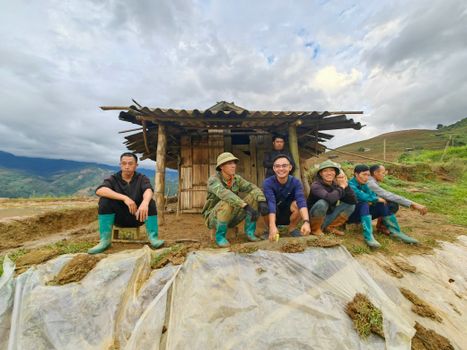
But then, a local guide, a quiet man named Kael, saw the disappointment in my eyes. He whispered, "There's another way." He led me off the paved path, down a dusty track, and into a small, vibrant community where laughter echoed from open doorways, children played with handmade toys, and the aroma of home cooking filled the air. We shared a meal with his family, learned to weave a traditional fabric, and listened to stories under a sky ablaze with stars. It wasn't advertised, it wasn't flashy, but it was real. It was a connection that transcended language barriers and left an indelible mark on my soul.
That experience fundamentally shifted how I travel. It introduced me to the transformative power of community tourism, a movement I'm now fiercely passionate about. It's about seeking out those hidden gems, those projects run by and for local communities, long before the tourist buses discover them and the magic risks being diluted. These aren't just trips; they're investments in authenticity, sustainability, and human connection. And trust me, you want to be part of this before it goes mainstream.
---
What Exactly is Community Tourism and Why Does It Matter (Now More Than Ever)?
Let's cut through the jargon. At its heart, community tourism is travel that is owned, managed, and operated by the local community, ensuring that the economic, social, and cultural benefits stay directly with the people who live there. It's the opposite of mass tourism, where often only a fraction of tourist dollars actually reaches the local population, with most profits siphoned off by international corporations.
Think about it: instead of staying at a global hotel chain, you're sleeping in a locally-run guesthouse. Instead of eating at a chain restaurant, you're sharing a meal cooked by a local family. Instead of buying from a duty-free shop, you're purchasing handcrafted goods directly from the artisans who made them.
This model is vital because it:
- Empowers Locals: It provides direct income, creates jobs, and builds entrepreneurial skills within communities that might otherwise lack economic opportunities.
- Preserves Culture: It incentivizes the continuation of traditional practices, languages, and art forms, as these become valuable assets for authentic tourist experiences. When a community sees value in its heritage, it works harder to protect it.
- Protects the Environment: Many community projects are deeply rooted in sustainable practices, understanding that their livelihoods depend on a healthy environment. They often lead eco-tourism initiatives and conservation efforts.
- Offers Authentic Experiences: You're not just observing; you're participating. You're getting a genuine glimpse into daily life, fostering meaningful connections, and creating memories that go far beyond a typical vacation.
- Redistributes Wealth: It spreads the economic benefits of tourism more equitably, often reaching marginalized groups and rural areas that are typically overlooked.
In an age where travel can often feel commodified and superficial, community tourism offers a refreshing antidote. It's about traveling with purpose, leaving a positive footprint, and returning home with stories that truly resonate.
---
The Magic of Connection: Beyond the Postcard Views
My most cherished travel memories aren't of famous landmarks (though I love a good cathedral as much as the next person!). They're of shared laughter over a steaming bowl of noodles in a tiny Vietnamese kitchen, the rhythmic thud of a loom as an artisan explained her craft in rural Guatemala, or the quiet reverence of learning an indigenous legend under a canopy of ancient trees. These are the moments you can't buy on a package tour.
Community tourism projects excel at facilitating these deep connections. When you're directly interacting with the people whose lives are being positively impacted by your visit, the experience becomes incredibly personal. You're not just a spectator; you're a welcomed guest.
I remember once, during a homestay in the mountains of northern Thailand, helping my host family plant rice seedlings. My efforts were clumsy and slow, prompting good-natured teasing, but there was a bond formed in that muddy field that no five-star resort could ever replicate. Later, we cooked dinner together, sharing stories with a mix of broken English and enthusiastic gestures. The food tasted sweeter, the company warmer, because we had built something together, however small.
These are the moments that truly make your Instagram feed pop – not just staged shots, but genuine smiles, hands-on experiences, and the vibrant tapestry of real life unfolding around you. The stories you bring back will be richer, more nuanced, and far more compelling than any snapshot of a crowded monument.
---
Hidden Gems: Projects I've Supported (and You Should Too!)
Now, for the exciting part! Based on my own adventures, here are a few examples of incredible community tourism projects that are thriving, impactful, and absolutely worth seeking out before they become household names. Remember, these types of projects often require a bit more research and planning than booking a resort, but the payoff is immense.
1. The Mayan Melipona Bee Sanctuary, Yucatán, Mexico
- Location: Various small communities around Tulum and Valladolid, Yucatán Peninsula, Mexico. One notable example is the "U Najil Caba" cooperative near Chemuyil.
- What it is: A project dedicated to preserving the ancient Mayan tradition of raising Melipona bees (stingless bees) for their unique honey and medicinal properties. This practice is run by indigenous Mayan communities, often women's cooperatives, who share their knowledge with visitors.
- My Experience: I stumbled upon a small sign near a cenote that led me to a humble, vibrant garden. A woman named Ixchel, with eyes that sparkled like the cenote waters, greeted me. She explained the sacred history of these tiny, stingless bees, showing me their intricate hives in hollowed logs. I learned how the honey is harvested, its incredible health benefits, and even tasted a spoonful – it was subtly floral, with a tangy kick, unlike any honey I'd ever had. I bought several small bottles, knowing every peso went directly to her family and the cooperative's efforts to keep this tradition alive. The sheer dedication and pride in their heritage were palpable.
- Details & Impact: Visitors typically pay a small entrance fee (around 100-200 MXN, ~$5-10 USD) for a guided tour and tasting. You can often purchase honey, propolis, and other bee products. This project directly supports Mayan families, preserves indigenous ecological knowledge, and protects a unique bee species crucial to the local ecosystem. It’s an intimate, educational experience that feels miles away from the bustling resorts of the Riviera Maya.
- Instagram-Worthy: Close-ups of the tiny Melipona bees, traditional Mayan beekeeping tools, Ixchel's warm smile, and the vibrant colors of the Yucatecan jungle.
2. Homestays & Trekking in Sapa's Valleys, Vietnam (Pre-Mass Tourism Boom)
- Location: Remote villages in the valleys surrounding Sapa, like Ta Van, Lao Chai, and Ban Ho, in northern Vietnam.
- What it is: Before Sapa became a major tourist hub with cable cars and luxury hotels, its magic lay in its homestays. Local Hmong and Red Dao ethnic minority families opened their traditional homes to trekkers, offering simple lodging, home-cooked meals, and an immersive cultural experience. While Sapa town itself has changed, genuine community homestays can still be found deeper in the valleys with careful research.
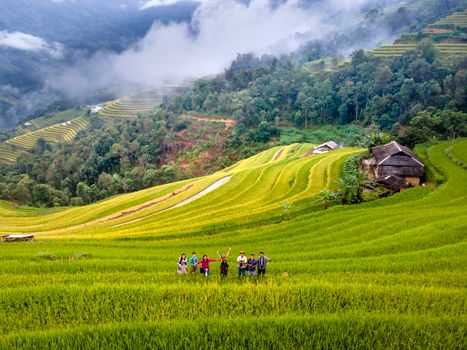
- My Experience: Years ago, I spent three days trekking through emerald rice terraces, guided by a young Hmong woman named Mai. Her English was broken but sufficient, her spirit indomitable. Each night, I stayed in a different family's home – sleeping on a mattress on the floor, sharing incredible meals of fresh vegetables and local pork, and learning simple phrases in Hmong. One evening, Mai's grandmother taught me to embroider a small piece of fabric by candlelight. The warmth, the simplicity, the genuine curiosity from both sides – it was profound. Waking up to the sounds of roosters and buffalo, with mist clinging to the mountains, felt like stepping back in time.
- Details & Impact: Expect to pay around $20-30 USD per night, which usually includes dinner and breakfast. Many guides can arrange these homestays directly. This model provides crucial direct income to ethnic minority families, preventing them from being displaced by larger tourism developments and helping them maintain their traditional way of life amidst modernization.
- Instagram-Worthy: Sweeping vistas of rice terraces, candid shots of shared meals, intricate Hmong textiles, children playing, and the genuine smiles of your host family.
3. Agritourism & Winemaking in Kakheti, Georgia (the Country!)
- Location: Kakheti region, Eastern Georgia. Think Sighnaghi, Telavi, and countless small villages.
- What it is: Georgia is the birthplace of wine, with an 8,000-year-old winemaking tradition using unique Qvevri (clay amphorae) buried underground. Many small, family-run vineyards and guesthouses offer agritourism experiences where you can participate in harvesting, winemaking, cooking classes, and traditional Supra (feasts).
- My Experience: I stayed at a small family farm near Telavi, the heart of Kakheti. The matriarch, Nana, welcomed me with open arms and a glass of homemade amber wine. I spent a day helping stomp grapes (the traditional way!), learning to make Khinkali (dumplings) from scratch, and even trying my hand at baking Shoti (traditional bread) in a tone oven. The evenings were filled with endless toasts during the Supra, led by the Tamada (toastmaster), where stories and laughter flowed as freely as the wine. It wasn't just a meal; it was a ritual, a celebration of life and hospitality.
- Details & Impact: Homestays or guesthouses on family farms typically cost $40-60 USD per night, often including meals and activities. This directly supports rural families, helps preserve ancient viticulture and culinary traditions, and provides an authentic alternative to larger, more commercial wineries. It’s a deep dive into Georgian culture.
- Instagram-Worthy: Qvevri emerging from the ground, golden amber wine in traditional bowls, hands-on cooking shots, the vibrant spreads of a Supra, and the incredible hospitality of your Georgian hosts.
4. The Tofino Indigenous Paddle Tour, Vancouver Island, Canada
- Location: Tofino, British Columbia, Canada, within the traditional territories of the Nuu-chah-nulth First Nations.
- What it is: Guided canoe tours led by local First Nations members, offering insights into their ancestral lands, cultural heritage, and deep connection to the coastal environment. These are often small-group experiences focusing on storytelling and ecological stewardship.
- My Experience: Gliding silently through the calm waters of Clayoquot Sound in a traditional dugout canoe, with a First Nations guide named Joe, was profoundly moving. Joe shared stories of his ancestors, explained the significance of the cedar trees to his people, and pointed out ancient village sites along the shore. We spotted seals, bald eagles, and even a distant whale spout. It wasn't just a wildlife tour; it was a journey through history and spirit, seen through the eyes of someone who has belonged to this land for millennia. His quiet pride and deep knowledge were infectious.
- Details & Impact: Half-day tours can range from $100-150 CAD. Booking directly with indigenous-owned and operated tour companies ensures the economic benefits flow back to the community. This project supports cultural revitalization, provides economic opportunities for First Nations individuals, and fosters a greater understanding and respect for indigenous perspectives on environmental conservation.
- Instagram-Worthy: Majestic coastal scenery, traditional canoes, candid shots of guides sharing stories, wildlife encounters, and the unique Pacific Northwest landscape.
---
How to Be a Responsible Community Tourism Traveler
Supporting these projects isn't just about showing up; it's about showing up mindfully. Here’s how you can be a truly responsible community tourism traveler:
- Do Your Research: Look for projects that are explicitly community-owned or have strong partnerships with local groups. Seek out certifications like Fair Trade Tourism or look for recommendations from reputable sustainable travel blogs. Direct booking is often best.
- Respect Local Culture & Customs: Learn a few basic phrases in the local language (even "hello" and "thank you" go a long way!). Dress appropriately, especially when visiting religious sites or conservative communities. Always ask permission before taking photos of people.
- Engage, Don't Just Observe: Be open to conversations, participate in activities, and show genuine interest. Ask questions (respectfully!), listen to stories, and be willing to step outside your comfort zone.
- Support Local Economies Directly:
- Pay Fair Prices: Don't haggle aggressively, especially for handmade crafts. Remember, this is someone's livelihood.
- Buy Local: Purchase souvenirs, food, and services directly from the community members you're visiting.
- Tip Appropriately: If tipping is customary, ensure your tips go directly to the individuals providing the service.
- Minimize Your Environmental Footprint: Follow "Leave No Trace" principles. Conserve water and energy, dispose of waste properly, and avoid single-use plastics. Many community projects are in fragile ecosystems.
- Be Flexible & Patient: Things might not always run on a strict schedule. Embrace the pace of local life and be open to unexpected changes. That's part of the adventure!
- Educate Yourself & Others: Share your experiences responsibly. Encourage others to seek out similar projects, but also emphasize the importance of mindful travel to avoid overwhelming these fragile destinations.
---
The Urgency: Why "Before They Go Mainstream" Matters
There's a bittersweet irony to discovering a truly special, off-the-beaten-path destination. You want to shout its praises from the rooftops, but you also want to protect its unique charm. This is the dilemma of "before they go mainstream."
The truth is, once a community tourism project gains significant popularity, it faces immense pressure. While increased visibility can bring more support, it can also lead to:
- Loss of Authenticity: The need to cater to larger crowds can dilute genuine cultural experiences, turning them into performances.
- Commercialization: Local artisans might be pressured to mass-produce goods, sacrificing quality and traditional methods for volume.
- Environmental Strain: Increased visitor numbers can put a heavy burden on fragile ecosystems, leading to waste management issues, habitat destruction, and resource depletion if not managed carefully.
- Cultural Erosion: The influx of external influences can sometimes challenge local traditions and values.
I’ve seen it happen. A pristine beach village I visited years ago, known for its small, family-run guesthouses, now boasts mega-resorts and fast-food chains. The quiet fishing boats have been replaced by jet skis, and the genuine smiles by hurried transactions. While development can bring prosperity, it often comes at the cost of the very essence that made a place special.
This isn't to say we shouldn't share these incredible experiences. Rather, it's a call to be pioneers. To seek out these nascent projects, support them in their early stages, and help them build sustainable models that can withstand future growth while retaining their soul. Your visit, now, can help solidify their foundation, allowing them to grow thoughtfully and responsibly, rather than being swept away by a tidal wave of mass tourism.
---
Your Next Adventure Awaits: Travel with Impact
The world is full of incredible places, but the most profound journeys are often found where human connection and cultural exchange are paramount. Community tourism offers a rare opportunity to travel deeply, to make a tangible difference, and to discover the heart of a destination in a way that few experiences can rival.
So, are you ready to go beyond the brochure? To trade the predictable for the profound? To become a conscious traveler who leaves a positive mark, not just footprints? Your next adventure isn't just a trip; it's a statement. A statement that you value authenticity, support local communities, and believe in a more responsible way to see the world.
Start researching, start planning, and embark on a journey that will not only transform your perspective but also empower the incredible people and places you encounter. The time to support these hidden gems is now, before they become mainstream. Let's make every trip count.
What community tourism projects have you supported? Share your stories in the comments below! And don't forget to share this post with your fellow conscious travelers – let's inspire more impactful journeys!
---