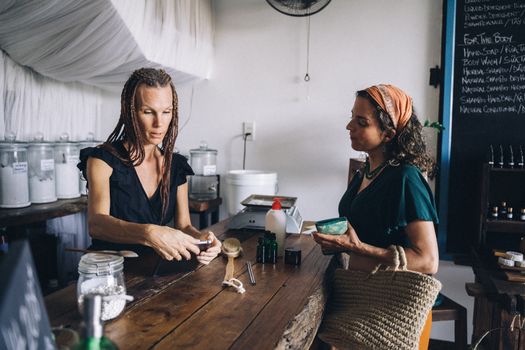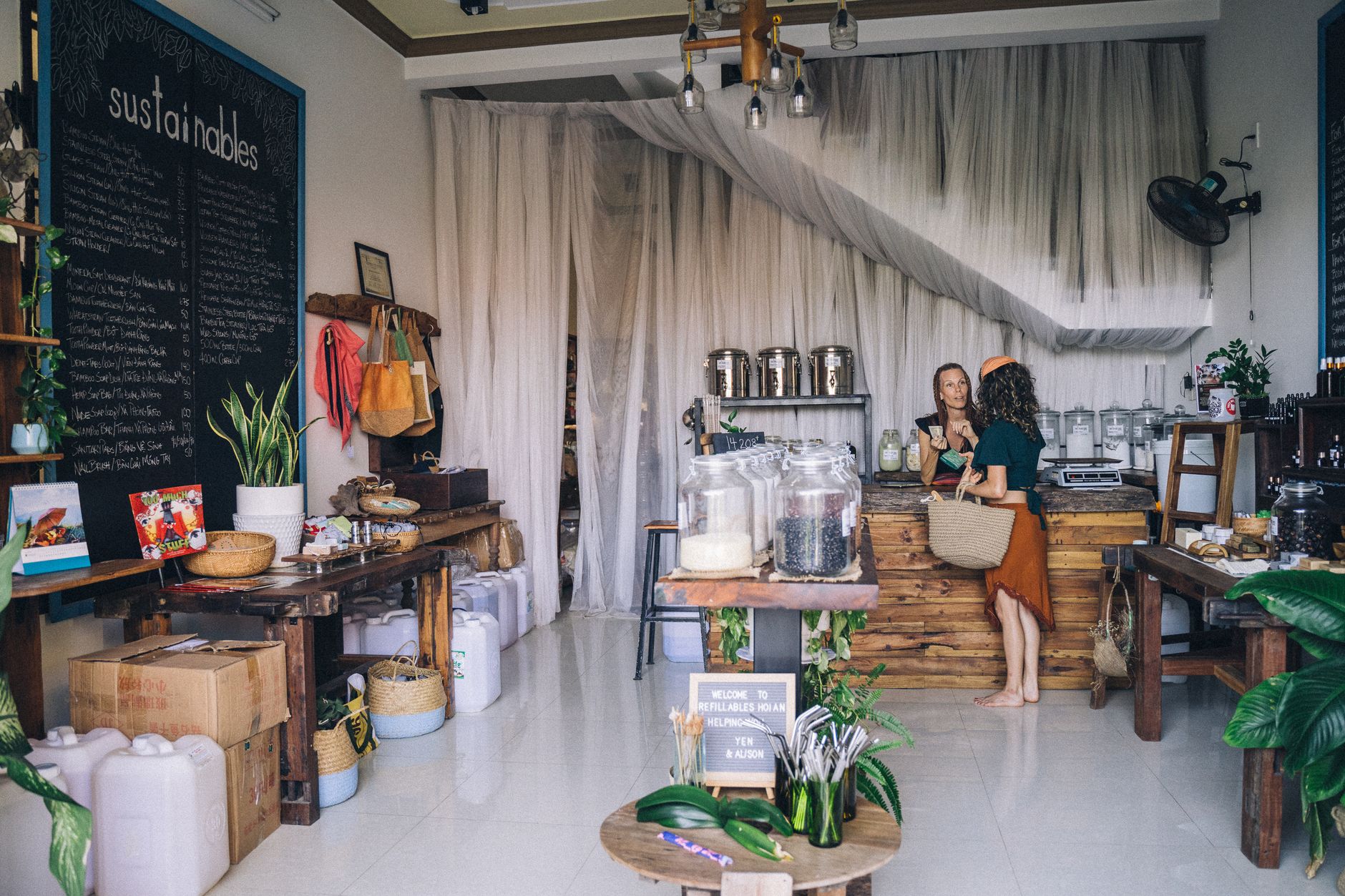
The scent of freshly baked bread mixed with exotic spices hit me the moment I stepped off the crowded main street of Marrakech's Djemaa el-Fna. Just moments before, I’d been jostling through a sea of selfie sticks and mass-produced souvenirs, feeling a distinct disconnect from the "authentic" Morocco I’d dreamed of. But then, a small, unassuming archway caught my eye. It led down a narrow, winding alley, barely wide enough for two people, and beckoned with the promise of something different.
Following my nose, I found myself in a tiny, family-run bakery. The air was thick with the aroma of mint tea and warm flatbread. An elderly woman, her hands dusted with flour, smiled warmly as she pulled a fresh batch of khobz from a traditional wood-fired oven. Her son, a young man with kind eyes, offered me a piece, still warm, with a dollop of local honey. It was simple, profound, and utterly delicious – a taste of true Morocco, served with a story and a genuine smile. That single interaction, away from the glitz and noise, was more impactful than any grand monument or bustling market square. It was then I truly understood: the heart of any destination beats strongest in its local businesses.
We travel to explore, to discover, to connect. But too often, we fall into the trap of chain stores and generic experiences, missing the very soul of a place. Supporting local businesses isn't just a feel-good gesture; it's an act of cultural preservation, economic empowerment, and personal enrichment. It’s how you unlock the real stories, taste the authentic flavors, and unearth the unique treasures that make a destination truly unforgettable. These are the experiences you need to have before you die – the ones that will reshape your understanding of travel and leave an indelible mark on your soul.
Ready to dive deeper? Let’s explore the kinds of local businesses that offer these soul-stirring experiences, complete with practical tips to find them and make them your own.
---
1. The Culinary Soul: Family-Run Eateries & Street Food Stalls
Taste the True Heart of a Destination
Forget Michelin stars for a moment (unless they’re for a tiny, family-owned spot!). The most authentic, mind-blowing culinary experiences often come from the humblest of kitchens: the bustling street food cart, the hole-in-the-wall noodle shop, the trattoria run by nonna and her grandkids. These are the places where recipes have been passed down through generations, where passion is the main ingredient, and where every bite tells a story.
My Anecdote:
I still dream about the bánh mì I had in Hoi An, Vietnam. It wasn't from a famous spot, but a small cart run by a woman with an infectious laugh, just off a side street. For about $1.50, I got a baguette bursting with succulent pork, fresh herbs, pickled veggies, and a secret sauce that made my taste buds sing. She’d been selling them for 30 years, and you could taste every single one of those years of dedication and love in that sandwich. It wasn't just lunch; it was a cultural immersion, a connection to a local legend.
Why You Need This:
- Authentic Flavors: Experience dishes prepared with local ingredients and traditional techniques, often unavailable elsewhere.
- Cultural Insight: Food is a huge part of culture. Eating locally connects you directly to the traditions and daily life of the community.
- Direct Impact: Your money goes straight to the family, helping them sustain their livelihood and preserve their culinary heritage.
How to Find & Support Them:
- Follow the Locals: If you see a long line of locals, join it! That’s usually the best indicator of good, authentic food.
- Ask Your Accommodation: Hotel staff, guesthouse owners, and even taxi drivers are often treasure troves of local food recommendations.
- Explore Markets: Local food markets are not just for shopping; they’re often brimming with incredible food stalls offering fresh, regional specialties.
- Look Beyond Main Streets: Wander down side alleys and smaller roads; that’s often where the real gems hide.
- Be Adventurous: Don't be afraid to try something new, even if you don't recognize all the ingredients. Embrace the unknown!
- Instagram-Worthy: Capture vibrant dishes, the bustling atmosphere, and the smiling faces of the vendors. Use hashtags like #EatLocal #StreetFoodAdventures #AuthenticEats.
Estimated Price Range:
$1-$15 per meal, depending on the location and type of food.
---
2. Hands of Heritage: Artisan Workshops & Craft Stores
Bring Home a Piece of Their Soul, Not Just a Souvenir
In an age of mass production, there's something profoundly beautiful about an object crafted by hand, imbued with the skill, history, and passion of its maker. Local artisan workshops and craft stores offer more than just souvenirs; they offer stories, traditions, and tangible pieces of a culture. Whether it’s hand-woven textiles, intricate pottery, bespoke jewelry, or carved wooden figures, these items carry the essence of a place in a way no factory-made trinket ever could.
My Anecdote:
In Cusco, Peru, I stumbled upon a small textile cooperative run by Quechua women. Instead of the usual tourist shops, this place showed the entire process: from shearing alpaca wool to dyeing it with natural plants, to the intricate weaving on backstrap looms. I bought a vibrant, hand-woven scarf from a woman named Maria, who explained the symbols woven into its pattern – each one telling a piece of her village's history. It wasn't just a scarf; it was a piece of art, a story, and a direct connection to an ancient craft. Every time I wear it, I remember Maria's smile and the mountains of Peru.
Why You Need This:
- Unique & Authentic: You'll acquire a one-of-a-kind item with a genuine story, far superior to generic souvenirs.
- Cultural Preservation: Your purchase directly supports the continuation of traditional crafts and the livelihoods of artisans.
- Ethical Shopping: Many local artisans use sustainable practices and fair wages, ensuring your purchase has a positive impact.
How to Find & Support Them:
- Visit Artisan Markets: Look for weekly or daily craft markets (often different from general tourist markets).
- Seek Out Cooperatives: Many indigenous or remote communities have co-ops that pool resources and ensure fair prices for their members.
- Look for Demonstrations: If you see artisans working in their shops, it's a great sign of authenticity and a chance to learn about their process.
- Ask About the Process: Engage with the artisans. Ask about their craft, materials, and the story behind their work.
- Don't Haggle Excessively: While bargaining can be part of some cultures, remember that this is someone's livelihood. Pay a fair price that reflects their skill and time.
- Instagram-Worthy: Showcase the intricate details of the crafts, the artisan at work, and the beautiful colors and textures. Use #HandmadeTravel #ArtisanCrafts #SupportLocalArtisans.
Estimated Price Range:
Varies wildly, from $5 for a small item to hundreds for a large, intricate piece.
---
3. The Storytellers: Independent Bookstores & Cozy Coffee Shops
Find Your Next Great Read and a Local Brew
There’s a special kind of magic in an independent bookstore – the curated shelves, the scent of old paper, the quiet hum of discovery. Pair that with a local coffee shop brewing beans roasted just down the street, and you’ve found a sanctuary. These places are often community hubs, where locals gather, ideas are exchanged, and a sense of belonging thrives. They offer a window into the intellectual and social pulse of a city, far removed from the sterile uniformity of global chains.
My Anecdote:
In Reykjavik, during a blustery afternoon, I ducked into a bookstore-café called Mál og Menning. I ordered a strong Icelandic coffee and got lost among shelves filled with Icelandic sagas and contemporary novels. I overheard conversations in Icelandic, watched locals catching up, and felt a profound sense of connection to the city's literary heart. I left with a novel by a local author I’d never heard of, which ended up being one of my favorite reads of the year, giving me an even deeper understanding of Iceland’s unique spirit.
Why You Need This:
- Cultural Immersion: Discover local authors, artists, and perspectives that you won't find in chain stores.
- Community Connection: These spots are often social centers, offering a chance to observe or even engage with local life.
- Unique Atmosphere: Escape the generic and enjoy the distinct personality and charm that only an independent establishment can offer.
- Support Local Talent: Your purchase supports local writers, artists, and small business owners.
How to Find & Support Them:
- Google Maps & Local Blogs: Search for "independent bookstore [city]" or "best local coffee shops [city]". Local travel blogs are excellent resources.
- Wander & Explore: Keep an eye out for charming storefronts with unique names, often tucked away on side streets.
- Check for Events: Many independent bookstores host author readings, poetry nights, or open mic sessions – a fantastic way to experience local culture.
- Buy a Book or a Brew: Simple as that! Even just buying a coffee or a postcard makes a difference.
- Engage with Baristas/Shop Owners: They often have fantastic recommendations for other local spots.
- Instagram-Worthy: Capture the cozy ambiance, stacks of interesting books, and beautifully crafted latte art. Use #IndieBookstore #LocalCoffee #TravelAndRead.
Estimated Price Range:
Coffee $3-$6, Books $10-$30.
---
4. Adventure Architects: Local Tour Guides & Boutique Operators
Unlock Hidden Depths with True Insiders
When it comes to exploring, ditch the big bus tours with canned narratives. The real magic happens with local, independent tour guides and boutique operators. These are the people who grew up in the area, know every hidden trail, every secret story, and every local shortcut. They offer personalized experiences, deeper insights, and a level of flexibility that large companies simply can't match. From a food tour led by a chef to a hiking trip with a local naturalist, these guides turn a sightseeing trip into an unforgettable adventure.
My Anecdote:
In the highlands of Scotland, instead of joining a large group bus to Loch Ness, I booked a private tour with a local Highlander named Hamish. He drove a battered Land Rover, told ancient tales of clans and fairies, and took me to viewpoints only locals knew. We hiked to a secluded waterfall, shared a flask of whisky, and he even taught me a few words of Gaelic. It wasn't just a tour; it was an education, a storytelling session, and a truly authentic connection to the spirit of Scotland, far beyond Nessie.
Why You Need This:
- Authentic Insights: Gain a deeper understanding of the local culture, history, and environment from someone who lives it.
- Personalized Experiences: Enjoy tailored itineraries, smaller groups, and the flexibility to explore at your own pace.
- Direct Economic Impact: Your payment goes directly to the individual or small company, supporting their family and community.
- Access to Hidden Gems: Discover places and experiences not listed in guidebooks or offered by larger operators.
How to Find & Support Them:
- Online Research: Look for small, highly-rated local tour companies on platforms like TripAdvisor (filtering by "small group" or "private tours") or through local tourism boards' websites.
- Ask Locals: Your hotel, guesthouse, or even the coffee shop barista might recommend a fantastic independent guide.
- Check for Niche Tours: Look for specialized tours like birdwatching, photography, cooking classes, or historical walks led by passionate locals.
- Communicate Directly: Reach out to guides with specific questions about their tours and local connections.
- Leave Reviews & Share: If you have an amazing experience, leave a glowing review and share it on social media to help others discover them.
- Instagram-Worthy: Capture candid moments with your guide, unique perspectives of famous landmarks, and off-the-beaten-path discoveries. Use #LocalAdventures #TravelWithLocals #HiddenGems.
Estimated Price Range:
Varies widely, from $25 for a walking tour to $200+ for a full-day private experience.
---
5. Sustainable Style: Eco-Conscious Boutiques & Upcycled Goods
Shop with Purpose, Wear with Pride
The fashion and retail industries can have a significant environmental and social footprint. But in many destinations, you'll find incredible local boutiques dedicated to sustainable practices, ethical sourcing, and upcycling. These businesses offer unique, high-quality clothing, accessories, and home goods that not only look good but also do good. From organic cotton garments made by local artisans to furniture crafted from reclaimed materials, these stores allow you to shop with a conscience and bring home truly meaningful pieces.
My Anecdote:
In Lisbon, I stumbled upon a small boutique called "Re-Use It." Everything in the shop was made from upcycled materials – bags from old sails, jewelry from discarded electronics, and stunning home decor from salvaged wood. I bought a chic tote bag made from an old coffee sack. The owner explained how each piece was handmade by local artists, providing them with a fair wage and diverting waste from landfills. It was a purchase that felt good on every level – stylish, sustainable, and supportive of local talent.
Why You Need This:
- Ethical Consumption: Support businesses committed to fair labor practices and environmental responsibility.
- Unique Finds: Discover one-of-a-kind items with a story, often reflecting local design aesthetics and materials.
- Reduce Environmental Impact: Contribute to a circular economy and support businesses that prioritize sustainability.
- Empower Local Designers: Help local artists and designers thrive by purchasing their creations.
How to Find & Support Them:
- Search Online: Use terms like "sustainable fashion [city]," "eco-friendly shopping [city]," or "upcycled goods [city]".
- Visit Local Design Districts: Many cities have specific neighborhoods known for independent designers and boutiques.
- Look for Certifications: Some shops display certifications for organic materials, fair trade, or sustainable practices.
- Ask About Materials & Production: Don't hesitate to ask shop owners about where their products come from and how they are made.
- Invest in Quality: Sustainable items are often made to last, so consider them an investment rather than a quick purchase.
- Instagram-Worthy: Showcase stylish outfits, unique home decor, and the story behind the products. Use #SustainableTravel #EthicalFashion #UpcycledFinds.
Estimated Price Range:
Varies, from $20 for accessories to $100+ for clothing or larger home goods.
---
6. Wellness Wonders: Holistic Healers & Local Spas
Rejuvenate Your Body & Soul with Ancient Traditions
Travel can be exhilarating, but also exhausting. Instead of hitting a generic hotel spa, seek out local wellness centers that embrace traditional healing practices. Many cultures have rich histories of natural remedies, therapeutic massages, and holistic treatments passed down through generations. Supporting these local practitioners not only offers a deeply authentic and often more effective path to rejuvenation but also helps preserve ancient healing arts.
My Anecdote:
In Bali, after weeks of intense travel, I booked a traditional Balinese massage at a small, unassuming spa in Ubud. It wasn't a fancy resort; it was a serene, open-air pavilion surrounded by lush rice paddies. My therapist, a local woman named Wayan, used a blend of local oils and ancient techniques that left me feeling completely re-energized and spiritually grounded. She even offered me a homemade herbal tonic afterward, explaining its benefits. It was more than a massage; it was a cultural ritual that connected me to Bali's spiritual essence.
Why You Need This:
- Authentic Healing: Experience traditional methods and natural ingredients unique to the local culture.
- Deeper Relaxation: Often, these practices are deeply rooted in holistic well-being, offering profound relaxation and rejuvenation.
- Cultural Insight: Learn about local beliefs surrounding health, wellness, and the power of nature.
- Support Local Practitioners: Help preserve ancient healing arts and provide livelihoods for traditional healers.
How to Find & Support Them:
- Ask Locals: Your guesthouse host, a local shopkeeper, or even a taxi driver can often recommend reputable traditional healers or spas.
- Research Traditional Practices: Before you go, research the specific wellness traditions of your destination (e.g., Ayurveda in India, Balinese massage, Turkish hammams).
- Read Reviews Carefully: Look for reviews that emphasize authenticity, skilled practitioners, and a genuine cultural experience.
- Be Open-Minded: Some traditional treatments might be different from what you're used to, but embrace the experience.
- Book in Advance: Popular local spots can fill up quickly.
- Instagram-Worthy: Capture the serene ambiance, natural ingredients, and the feeling of blissful relaxation (respectfully, of course!). Use #TravelWellness #LocalHealing #AuthenticSpa.
Estimated Price Range:
Varies, from $15 for a simple massage to $100+ for a full ritual or specialized treatment.
---
7. Community Connectors: Local B&Bs, Guesthouses & Homestays
Live Like a Local, Not Just Visit Like a Tourist
While not strictly "businesses" in the retail sense, choosing local B&Bs, guesthouses, or even homestays over international hotel chains is one of the most impactful ways to support a local economy and enrich your travel experience. These accommodations are often family-owned, providing direct income to the community and offering a level of personal connection and insider knowledge that no chain hotel can match.
My Anecdote:
During a trip to Puglia, Italy, I stayed in a masseria – a traditional fortified farmhouse – converted into a charming B&B. The owner, Francesca, cooked incredible breakfasts using ingredients from her garden, shared stories of her family's history in the region, and gave me the best tips for exploring the surrounding towns. She invited me to watch her make fresh pasta, and I spent an evening chatting with her and other guests over local wine. It felt like staying with family, not just renting a room.
Why You Need This:
- Direct Economic Impact: Your money directly supports a local family or small business.
- Authentic Experience: Live like a local, even if just for a few days, gaining deeper insight into daily life.
- Insider Knowledge: Hosts often provide invaluable local tips, recommendations, and even personal stories.
- Personal Connection: Forge meaningful connections with your hosts and potentially other travelers.
How to Find & Support Them:
- Booking Platforms: Use sites like Booking.com or Airbnb, but specifically filter for "guesthouse," "B&B," "homestay," or "local host."
- Local Tourism Websites: Many regional tourism boards list local, family-run accommodations.
- Read Reviews: Look for reviews that highlight the hospitality of the hosts, the authenticity of the experience, and local insights.
- Engage with Your Hosts: Ask questions, share stories, and be open to their recommendations.
- Respect Their Home: Remember you are a guest in someone's home or a small, intimate business.
- Instagram-Worthy: Showcase charming interiors, delicious homemade breakfasts, and candid moments with your gracious hosts. Use #LocalStay #HomestayAdventures #GuesthouseLife.
Estimated Price Range:
Varies widely, from $30/night for a basic guesthouse to $150+ for a boutique B&B.
---
Your Journey to Impactful Travel Begins Now
The true essence of travel isn't found in ticking off famous landmarks or collecting generic souvenirs. It's found in the quiet moments of connection, the unexpected conversations, and the shared smiles with the people who call a place home. By consciously choosing to support local businesses, you’re not just spending money; you’re investing in communities, preserving cultures, and creating memories that are rich, authentic, and profoundly meaningful.
These aren't just businesses; they are the beating heart of a destination, offering experiences that will enrich your life, broaden your perspective, and stick with you long after you've returned home. These are the experiences you truly need to have before you die.
So, on your next adventure, challenge yourself. Step off the beaten path, ask a local, and seek out the independent spirit of your destination. You'll be amazed at what you discover, and the positive impact you'll make.
What local business has left the biggest impression on you during your travels? Share your stories and discoveries in the comments below using #TripsoraLocalGems! Let's inspire each other to travel deeper and support the incredible people who make our journeys so special.
---