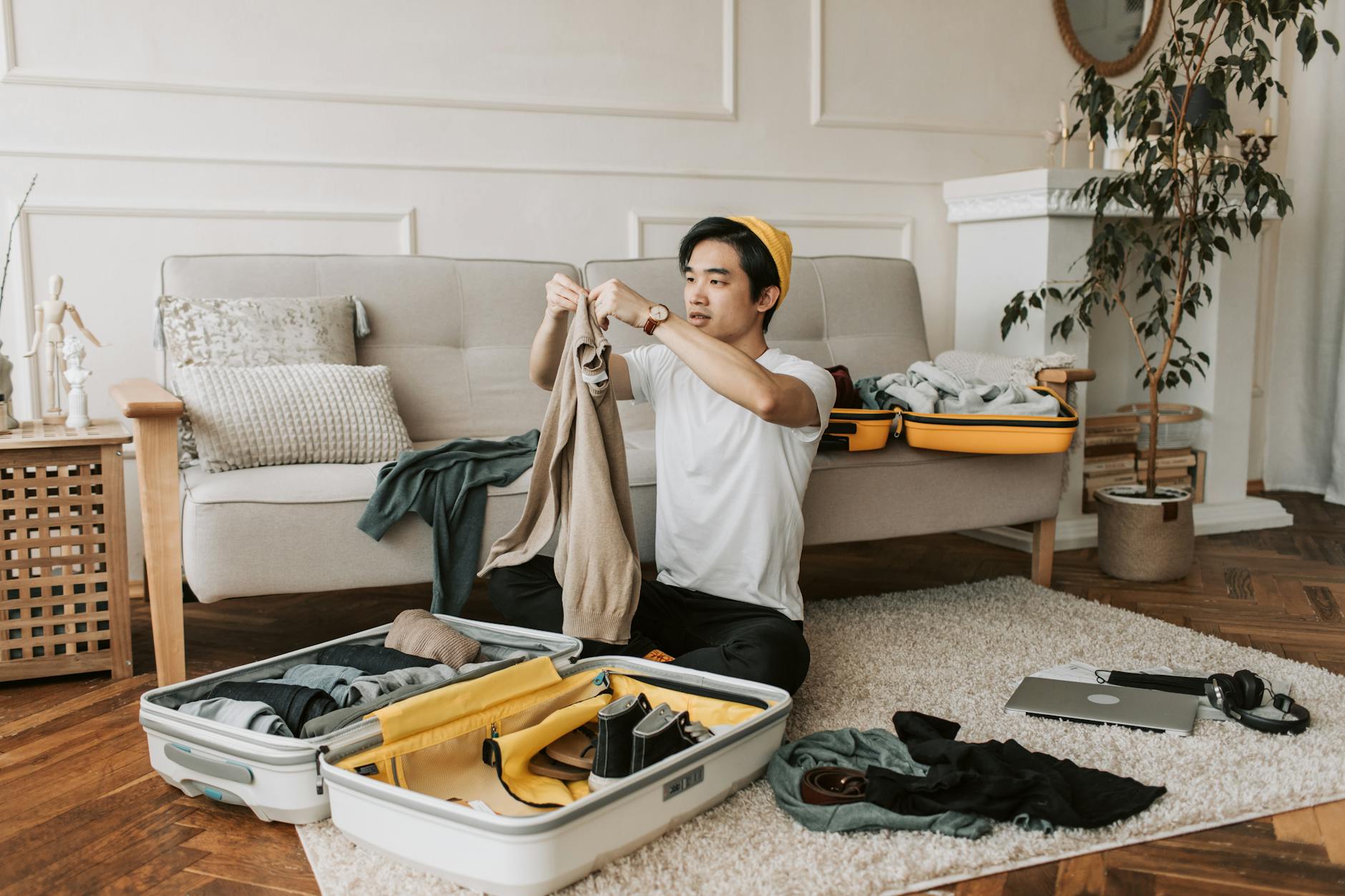
The Baggage Fee Blues: My €75 Ryanair Rant & How I Swore Off Overpaying Forever
I remember it like it was yesterday: standing at the Ryanair check-in counter in Dublin, passport in hand, a smug grin plastered across my face. My flight to Krakow was a steal—just €19.99! I thought I was the savviest traveler on the planet, ready to explore Poland's historic charm on a shoestring budget. Then came the dreaded question: "Is that your only bag, sir?"
My trusty backpack, which had served me well on countless adventures, suddenly felt like a lead weight. I’d optimistically stuffed it with a week's worth of clothes, a bulky camera, and a few too many souvenirs from my previous stop. The agent, with a smile that barely reached her eyes, placed it on the scale. BEEP! "That'll be €75 for overweight baggage, sir." Seventy-five euros! More than triple the cost of my flight! My smug grin evaporated faster than a puddle in the Sahara. I paid it, of course, seething internally, vowing that this would be the last time an airline ever extorted me for the privilege of carrying my own belongings.
That day marked a turning point. It was the moment I dedicated myself to mastering the art of baggage fee avoidance. And let me tell you, it's not just possible—it's a game-changer. Forget the stress, the last-minute repacking, and the wallet-draining charges. I’ve spent years refining these strategies, and I'm here to share the top 7 trending hacks that will ensure you never pay baggage fees again. Get ready to travel lighter, smarter, and with a fatter wallet.
1. The Carry-On & Personal Item Power Play: Your Unsung Heroes
This is the cornerstone of baggage fee avoidance, and it's trending harder than ever as airlines continue to nickel-and-dime travelers. Most airlines allow you one carry-on bag (which goes in the overhead bin) and one personal item (which fits under the seat in front of you) for free. The trick? Maximizing these allowances to their absolute limit.
Practical Tips & Actionable Advice:
- Know Your Dimensions (and Weight!): This is non-negotiable. Every airline has slightly different rules for carry-on and personal item sizes. Before you even think about packing, visit your airline's website. Screenshot or jot down their exact measurements (e.g., 22x14x9 inches for carry-on, 18x14x8 inches for personal item). Pay attention to weight limits too; some international carriers are stricter than domestic ones.
- Invest in the Right Bags: Not all bags are created equal. My absolute go-to for a carry-on is the Osprey Farpoint 40L (or the Fairview for women). It's designed to fit within most airline carry-on limits, opens like a suitcase for easy packing, and converts into a backpack, leaving your hands free. For a personal item, look for a spacious "underseat" bag or a convertible travel backpack (like the Nomatic Travel Bag or a sturdy weekender). The key is flexibility and maximizing every cubic inch.
- The "Stuff-It" Personal Item Hack: Your personal item is your secret weapon. Think of it as an extension of your carry-on. My personal item, a sleek travel backpack, often holds my laptop, camera, a book, and crucially, any overflow items from my carry-on. If my carry-on feels a bit tight, a few t-shirts or my toiletry bag might find a temporary home in my personal item until I'm past the gate agents.
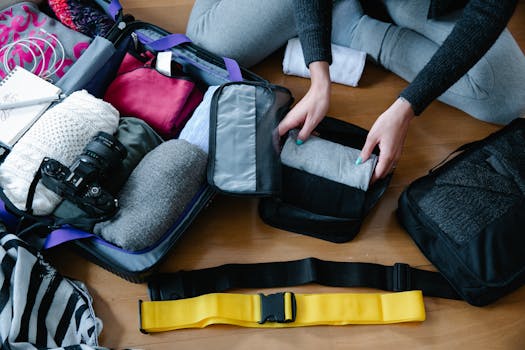
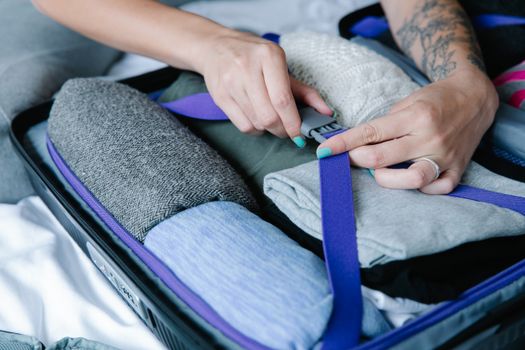
- Packing Cubes are Your Best Friends: Seriously, if you're not using packing cubes, you're missing out. They compress your clothes, keep them organized, and make it incredibly easy to transfer items between your carry-on and personal item if needed. I use a set of Eagle Creek Pack-It Cubes for everything from shirts to socks.
Personal Anecdote:
I once flew with EasyJet from London to Berlin, notoriously strict with their bag policies. I had my Osprey Farpoint 40L as my carry-on and a sturdy tote bag as my personal item. Despite having enough clothes for a five-day trip, I breezed past the gate. The secret? I had meticulously measured both bags beforehand and used packing cubes to compress everything. I saw countless travelers being forced to pay €50+ at the gate for oversized personal items, while I walked on, smug and €50 richer. It felt like I'd cracked a secret code!
2. The Wearable Wardrobe: Your Secret Weapon Against Weight Limits
This hack is pure genius, especially during colder months or when you absolutely need to bring that extra pair of shoes. If it’s on your body, it’s not in your bag, and therefore, it doesn’t count towards your baggage allowance.
Practical Tips & Actionable Advice:
- Layer Up, Buttercup: Heading somewhere cold? Wear your bulkiest jacket, your heaviest sweater, and even multiple shirts. I’ve been known to wear two pairs of pants (one over the other) on a flight to save space. Yes, you might look a bit like the Michelin Man for a few minutes, but it's temporary, and it saves you cold hard cash.
- Heavy Footwear on Your Feet: Those hiking boots or chunky sneakers? Wear them on the plane! Don't pack them. This is one of the easiest ways to shed significant weight and bulk from your luggage.
- The "Travel Vest" or Multi-Pocket Jacket: This is an old-school trick making a massive comeback. Brands like SCOTTeVEST specialize in jackets with dozens of hidden pockets designed to hold everything from tablets to cameras, phones, and even light clothing. If a gate agent questions your bag size, you can quickly offload heavier items into your jacket pockets. Even a regular utility vest with a few large pockets can be a lifesaver.
- The "Pillow" Hack: This one is brilliant and trending on TikTok! Take an empty neck pillow cover (or a soft, compressible bag). Before you board, stuff it with lighter clothing items like t-shirts, underwear, or socks. Zip it up, and boom—you have a "travel pillow" that holds extra clothes, completely free of charge. Just make sure it looks like a legitimate pillow!
Personal Anecdote:
Flying from Iceland with a budget airline, I knew my souvenir-heavy bag was pushing the limit. At the gate, they started doing random weight checks. I quickly donned my bulky winter jacket, stuffed my camera into its deep pockets, and even tied an extra sweater around my waist. The agent glanced at my bag, then at me (looking very cozy in my layers), and waved me through. The relief was palpable, and the €40 saved bought me a delicious Icelandic hot dog later!
3. Loyalty & Plastic Power: How Credit Cards & Status Save You Big
This is where smart financial planning meets savvy travel. Many travelers overlook the incredible baggage benefits offered by certain credit cards and airline loyalty programs.
Practical Tips & Actionable Advice:
- Airline Co-Branded Credit Cards: If you fly frequently with a specific airline (e.g., United, Delta, American, Southwest), get their co-branded credit card. Most of these cards offer the first checked bag free for you and often several companions on the same reservation. This alone can save you $60-$100 per round trip, easily offsetting the annual fee. Examples: United Explorer Card, Delta SkyMiles Gold American Express Card, Southwest Rapid Rewards Plus Card.
- Premium Travel Credit Cards: Cards like the Chase Sapphire Reserve, American Express Platinum Card, or Capital One Venture X Rewards Credit Card often come with travel credits, airport lounge access, and sometimes even airline fee credits that can be used for baggage fees. While their annual fees are higher, the benefits often far outweigh the cost for frequent travelers.
- Airline Elite Status: Even low-tier elite status (e.g., Silver Medallion with Delta, Premier Silver with United) often includes a free checked bag. How do you get status without flying a ton? Some airline credit cards offer "status-boosting" spending tiers, or you can qualify through a combination of flying and credit card spending. Always sign up for frequent flyer programs, even if you only fly once a year – it's free, and points can add up.
- Military Benefits: Many U.S. airlines offer free checked bags for active-duty military personnel and their families. Always inquire and present your military ID.
Personal Anecdote:
My parents frequently fly domestically to visit family. For years, they paid for checked bags. I convinced them to get the United Explorer Card. Now, for a modest annual fee, they get their first checked bag free, priority boarding, and lounge passes. On their last trip to Florida, they saved $70 just on baggage fees for two bags roundtrip. They were kicking themselves for not doing it sooner! It's an easy win that most people simply don't consider.
4. The Smart Packer's Playbook: Efficiency is Everything
This isn't just about fitting more; it's about bringing less and making every item count. A minimalist mindset is trending, not just for aesthetics, but for practicality and cost savings.
Practical Tips & Actionable Advice:
- Digital Packing Lists: Ditch the pen and paper. Apps like PackPoint are fantastic. You input your destination, dates, activities, and even laundry preferences, and it generates a smart packing list. It helps you avoid overpacking and ensures you don't forget essentials.
- Multi-Purpose Items are Gold:
- Versatile Clothing: Think neutral colors that can be mixed and matched. A scarf can be a blanket, a head covering, or an accessory. Quick-dry fabrics are a lifesaver for sink laundry.
- Travel-Sized Toiletries: Don't bring full-sized bottles! Use reusable silicone travel bottles and only pack what you need. Better yet, buy solid shampoo/conditioner bars or travel soap sheets.
- Universal Chargers/Adapters: One adapter for all your devices, rather than multiple bulky ones.
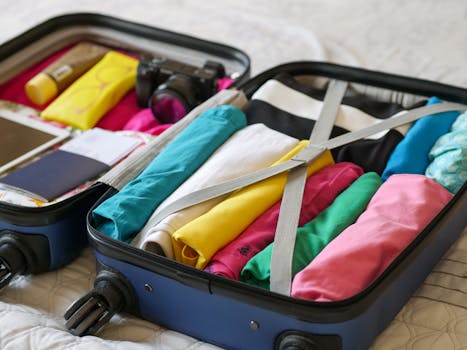
- Rolling vs. Folding: While some argue for folding, I'm a firm believer in rolling clothes tightly. It often saves more space and minimizes wrinkles. Experiment to see what works best for your specific garments.
- Do Laundry on the Go: For trips longer than a week, plan to do laundry. Many accommodations offer laundry services, or you can easily handwash essentials in a sink with travel detergent sheets. This dramatically reduces the amount of clothing you need to pack.
- The "Do I Really Need This?" Test: Before packing anything, hold it up and ask yourself: "Have I used this on my last three trips?" "Can I buy this cheaply at my destination?" "Is there a lighter/smaller alternative?" Be ruthless.
Personal Anecdote:
For a two-week backpacking trip through Southeast Asia, I challenged myself to travel with just a carry-on and a daypack. I packed five outfits, all quick-dry, and committed to doing laundry every few days. I bought a small bar of laundry soap locally for less than a dollar. Not only did I save hundreds on baggage fees across multiple flights, but I also felt incredibly light and free, never lugging a heavy suitcase through busy streets or up endless hostel stairs. It completely changed my perspective on packing.
5. Beyond the Baggage Belt: Alternative Solutions for the Savvy Traveler
Sometimes, no matter how hard you try, you just can't fit everything, or you have specific items that don't belong in a carry-on. That's when you need to think outside the box, and these trending alternatives can save you a fortune.
Practical Tips & Actionable Advice:
- Shipping Your Stuff: For longer trips, moving abroad, or bringing home significant souvenirs/gifts, consider shipping items ahead of time or back home. Services like LuggageForward specialize in this, but even standard postal services (USPS, FedEx, DHL) can be cost-effective, especially for heavier items where airline fees would be astronomical. Compare prices carefully, as it can be cheaper than multiple checked bags.
- Rent at Your Destination: Traveling with a baby? Rent a stroller and crib. Going skiing? Rent skis and boots at the resort. Need specialized camera gear? Rent it locally. Many items are cheaper and less hassle to rent on location than to drag them across continents and pay exorbitant baggage fees.
- Buy Locally, Donate/Discard Later: For basic items like toiletries, a cheap t-shirt, or an umbrella, consider buying them upon arrival. If you're traveling for an extended period, you might even buy a cheap piece of clothing, use it, and then donate it before you leave. This keeps your outgoing luggage light.
- Consolidate with a Travel Buddy: If you're traveling with a companion and one of you has a free checked bag (e.g., via a credit card or elite status), consolidate your items into their bag. Just be sure to coordinate and ensure you don't exceed their allowance.
Personal Anecdote:
During a trip to Japan, I went a little overboard with souvenirs (who can resist those adorable Ghibli goods?!). My carry-on was bursting, and I knew I'd face an overweight fee. Instead of paying a hefty airline charge, I went to the local post office in Tokyo and mailed a box of my purchases home via EMS (express mail service). It cost me about $60, which was less than the airline's fee, and my items arrived safely a week later. Plus, it meant I could enjoy the rest of my trip without lugging extra weight.
6. Know Your Enemy: Mastering Airline Policies (They Change!)
The travel landscape is constantly shifting, and airline policies are no exception. What was true yesterday might not be true today. This hack is about proactive research and staying informed.
Practical Tips & Actionable Advice:
- Always, Always Check the Airline's Website: This cannot be stressed enough. Before you book, check their baggage policy. Before you pack, check it again. Don't rely on what you "think" an airline's policy is or what it was last year. Budget airlines (like Spirit, Frontier, Ryanair, Wizz Air) are notorious for strict and often confusing rules.
- Budget vs. Full-Service: Understand the difference. Full-service carriers (e.g., Delta, Lufthansa, Singapore Airlines) often include a checked bag on international flights, or at least a generous carry-on allowance. Budget airlines rarely do, and their fees are often higher at the airport than if purchased online in advance.
- Weight vs. Dimensions: Be aware of both. Some airlines are stricter on weight, others on dimensions. My travel luggage scale is one of my most prized possessions. It's tiny, lightweight, and has saved me from countless surprises at the check-in counter. Weigh your bag at home!
- Buy Allowance Online (if you must): If you absolutely cannot avoid checking a bag, purchase the allowance online during booking or well in advance of your flight. It is almost always cheaper than paying at the airport gate or check-in counter. Sometimes, the difference can be as much as 50-100%.
- Print It Out: For budget airlines, having a printout or screenshot of your purchased baggage allowance can save you a headache if there's a discrepancy with the agent.
Personal Anecdote:
I was flying a relatively new budget airline in Europe for the first time. I usually just rely on my standard carry-on, but a quick check of their website revealed their personal item dimensions were unusually small – smaller than my usual underseat bag. If I hadn't checked, I would have been hit with a hefty fee at the gate. Instead, I swapped out my personal item for a smaller, more compliant backpack. It took five minutes of research but saved me €45 and a lot of frustration. Never assume!
7. Embrace the Minimalist Mindset: The Ultimate Freedom
This isn't just a hack; it's a lifestyle shift that's gaining huge traction among travelers. The ultimate way to avoid baggage fees is to simply not need to check a bag. It's about recognizing that true freedom in travel comes not from having more, but from needing less.
Practical Tips & Actionable Advice:
- Digitalize Everything: Books, magazines, maps, itineraries – they can all be on your phone or tablet. This saves significant space and weight.
- Capsule Wardrobe: Plan your outfits around a "capsule" of interchangeable items. Pick a core color palette (e.g., black, grey, white, denim) and ensure all tops, bottoms, and layers can be mixed and matched to create multiple looks.
- "One In, One Out" Rule: If you buy a new piece of clothing or souvenir, consider if you can discard or donate an old item to maintain your luggage weight.
- Focus on Experiences, Not Possessions: Shift your focus from what you take with you to what you experience there. The memories will last longer than that extra pair of shoes.
Personal Anecdote:
After years of refining my packing skills, I now routinely travel for weeks, sometimes even months, with just a single carry-on. The feeling of breezing past the baggage carousel, straight to customs, is unparalleled. I remember a trip to Thailand where my friends were waiting 45 minutes for their luggage, while I was already outside, hailing a taxi. That's not just saving money; it's saving precious travel time and sanity. It's truly liberating.
Ready to Ditch the Fees Forever? Your Journey Starts Now!
The days of dreading the check-in counter and feeling ripped off by exorbitant baggage fees are officially over. With these trending hacks—from mastering your personal item to leveraging credit card perks and embracing a minimalist approach—you have all the tools you need to travel smarter, save money, and enjoy a stress-free journey.
Imagine the freedom: breezing past endless queues, confident in your perfectly packed carry-on, knowing that extra cash is staying in your pocket for delicious local food, unforgettable experiences, or that spontaneous souvenir. This isn't just about saving money; it's about reclaiming your travel autonomy.
So, what are you waiting for? Start implementing these strategies on your next adventure. Your wallet (and your sanity) will thank you.
What's your favorite baggage fee hack? Have you tried any of these strategies? Share your wisdom and travel stories in the comments below! And don't forget to share this guide with your travel squad—let's make baggage fees a thing of the past for everyone!
---