The year was 2018. I was excitedly checking in for a flight from Paris to Rome, ready for a week of pasta, ancient ruins, and gelato. My budget was tight, meticulously planned to cover every espresso and museum ticket. Then, the airline agent, with a smile that felt a little too practiced, informed me that my perfectly normal-sized carry-on was "too large" for their specific dimension checker. The verdict? A €60 gate-check fee. Sixty euros! That was two days' worth of gelato, a Colosseum ticket, or a charming little souvenir for my mom. My heart sank, and my carefully crafted budget crumbled faster than a stale croissant.
That moment was my villain origin story. Or, rather, my hero origin story for smarter travel. From that day on, I vowed: never again. And I haven't. Not once.
Fast forward to October 2025, and airline fees are still a major pain point for travelers worldwide. In fact, they’re only getting more prevalent and more expensive. But what if I told you that you could completely eliminate baggage fees from your travel budget? What if you could stride through the airport, light as a feather, knowing that every penny you saved is going straight into your adventure fund?
Welcome to the ultimate guide to never paying baggage fees again. Whether you’re planning a cozy autumn escape to New England, an exotic beach getaway, or a bustling city break, these strategies, honed over years of globetrotting, will ensure your money stays where it belongs: in your pocket. Get ready to transform your travel experience from financially frustrating to fabulously free!
The Golden Rule: Embrace the Carry-On (and Master the Personal Item)
This isn't just a tip; it's a philosophy, a lifestyle, a sacred oath. The single most effective way to avoid baggage fees is to simply not check a bag. Full stop. Most airlines allow one carry-on bag (that fits in the overhead bin) and one personal item (that fits under the seat in front of you) for free. This is your golden ticket.
Understanding Dimensions is Non-Negotiable:
Every airline has slightly different size limits. A carry-on that flies free on Delta might be too big for Ryanair. Before you even think about packing, head to your airline's website and look up their specific dimensions for both carry-on and personal items. Print it out. Screenshot it. Tattoo it on your arm if you must.
- Standard Legacy Carriers (e.g., United, American, British Airways): Generally allow a carry-on around 22 x 14 x 9 inches (56 x 36 x 23 cm) and a personal item like a backpack or purse.
- Budget Airlines (e.g., Spirit, Frontier, Ryanair, EasyJet): This is where it gets tricky. Many budget airlines only include a small personal item for free. A standard carry-on often incurs a fee. For example, Ryanair's free personal item is a tiny 40x25x20cm. EasyJet is 45x36x20cm. Spirit often has similar tight restrictions. Always double-check!
Choosing the Right Bag: Your Travel Companion:
Forget bulky suitcases. Invest in a high-quality, lightweight carry-on backpack or a soft-sided duffel bag. These are often more forgiving in those dreaded airport dimension checkers than rigid suitcases. My personal favorites include the Osprey Farpoint/Fairview 40L (for ultimate carry-on capacity) or the Nomatic Travel Bag for its organization. For a sleek, professional look, the Away Carry-On is fantastic, but be mindful of its hard shell and potential for being just over on some stricter airlines.
The Power of the Personal Item:
This is your secret weapon, your Mary Poppins bag. While a purse or laptop bag is standard, you can push the limits. A large tote bag, a spacious camera bag, or even a smaller, un-stuffed backpack can qualify. I once saw a traveler with a guitar case as their personal item (it fit under the seat, barely!). Maximize this space with essentials, electronics, a change of clothes, and anything heavy or bulky you don't want in your main carry-on. Think of it as your overflow locker. On my last trip to Lisbon in May, my trusty Everlane ReNew Transit Backpack (which fits perfectly under the seat) held my laptop, camera, a book, and even a light sweater, leaving my main carry-on for clothes. It was a lifesaver.
The Art of Strategic Packing: Compression, Capsule Wardrobes, and Clever Gadgets
So, you’ve got your perfectly sized bags. Now, how do you fit a week (or even two!) of essentials into them? This is where strategic packing comes in. It’s less about magic and more about mindful choices.
Mastering the Pack:
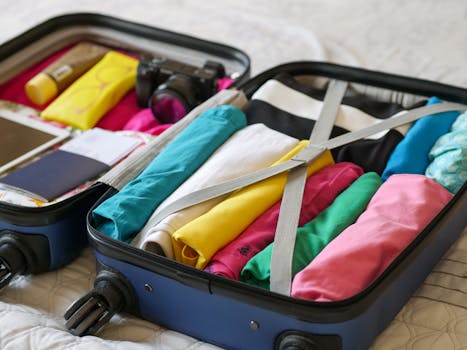
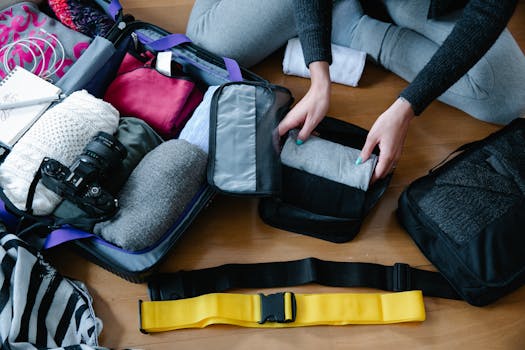
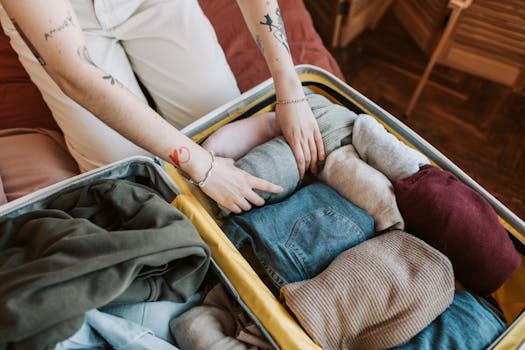
* Compression Cubes are Your Best Friends: Seriously, if you don't use them, you're missing out. Brands like Eagle Creek or Peak Design offer fantastic options. They don't reduce weight, but they drastically reduce volume. Rolling clothes tightly also helps, but compression cubes take it to another level. For a week-long trip to the Greek Islands last July, I fit seven outfits, two swimsuits, and pajamas into two medium compression cubes. It felt like a superpower.
* The Capsule Wardrobe Approach: Plan your outfits so every top can go with every bottom, and layers are key. Stick to a color palette (e.g., neutrals with one or two accent colors). This means fewer items, more outfits. Do you really need those five different pairs of shoes? Probably not. Two versatile pairs (one walking, one dressier/sandal) are usually sufficient.
* Solid Toiletries are Gold: Liquids take up space, are heavy, and are subject to TSA 3-1-1 rules. Switch to solid shampoo, conditioner, toothpaste tablets, and solid deodorant. Not only are they travel-friendly, but they also last longer and reduce plastic waste.
* Wear Your Bulkiest Items: This is a classic for a reason. Wear your heaviest shoes/boots, your thickest jacket, and your bulkiest sweater onto the plane. Airlines don't weigh you, just your bags. That puffy winter coat for your October trip to Vermont? Wear it! You can always take it off once you're on board.
Clever Gadgets & Multi-Purpose Items:
* Travel Towels: Ditch the bulky cotton. A microfibre travel towel dries quickly and packs down to nothing.
* Universal Chargers & Adapters: One multi-port USB charger can handle all your devices.
* Convertible Clothing: Pants that zip off into shorts, scarves that double as blankets, or dresses that can be styled multiple ways are incredibly useful.
* Digital Everything: Load books onto an e-reader, use digital boarding passes, and keep copies of documents on your phone or in the cloud.
Loyalty Programs & Credit Card Perks: Your Secret Weapons
Sometimes, even with the best packing skills, you just need that extra bag – perhaps for specialized gear, a longer trip, or bringing back souvenirs. This is where airline loyalty programs and co-branded credit cards become invaluable. These aren't just for fancy business travelers; savvy budget travelers can leverage them too!
Airline Elite Status:
Even the lowest tiers of airline elite status often come with a free checked bag. How do you get it?
* Flying Miles/Segments: Consistently fly with one airline alliance. Even a few round trips a year can get you to the first tier.
* Status Challenges: Some airlines offer "status challenges" where you can fast-track to elite status by flying a certain number of segments or spending a certain amount within a limited timeframe.
* Credit Card Spend: Many airline credit cards offer "status-boosting" spend targets.
I remember once flying United from Denver to Chicago for a conference. I hadn't flown United much that year, but a quick check of my MileagePlus account revealed I was just a few hundred miles short of Silver status. A last-minute decision to upgrade my flight (which earned more miles) pushed me over. On the return trip, I effortlessly checked a bag with my newly acquired status, saving me $35. It felt like I'd gamed the system!
Airline Co-Branded Credit Cards:
This is perhaps the easiest and most accessible way to get a free checked bag. Many airline-specific credit cards offer a free first checked bag for the cardholder and often a set number of companions on the same reservation.
* Examples:
* United Explorer Card: Free first checked bag for you and one companion.
* Delta SkyMiles Gold American Express Card: Free first checked bag for you and up to eight companions.
* Citi® / AAdvantage® Platinum Select® World Elite Mastercard®: Free first checked bag for you and up to four companions.
* Southwest Rapid Rewards® Plus Credit Card: Southwest already offers two free checked bags for everyone, but their cards often come with bonus points and other perks.
The annual fee for these cards (often around $95) can easily be offset by the baggage savings alone. If you take just two round-trip flights a year and check a bag each time (typically $30-$40 per bag, per direction), you've already broken even or come out ahead. Plus, you get other benefits like priority boarding, airport lounge access, or bonus miles. Always read the fine print for specific benefits and annual fees.
The "Wear It All" & "Ship It Ahead" Maneuvers
When all else fails, or you simply must bring more, these are your backup strategies.
The "Wear It All" Strategy:
This is the ultimate emergency hack, often seen in hilarious viral videos but genuinely effective.
* Layer Up, Buttercup: If you have multiple sweaters, shirts, or even a couple of pairs of pants, wear them on the plane. You can always peel off layers once you're seated. I once flew from a cold Canadian winter to a warm Mexican spring, wearing a winter coat, a sweater, and two long-sleeved shirts. I looked like the Michelin Man, but my carry-on was blissfully light.
* The Travel Vest/Jacket: Companies like Scottevest specialize in jackets with dozens of hidden pockets. These aren't just for looking cool; they're designed to hold tablets, phones, passports, and even small clothing items, effectively turning your outerwear into an extension of your personal item. It's a fantastic way to carry heavy electronics or dense items without adding to bag weight.
The "Ship It Ahead" Option:
This strategy is less about avoiding fees and more about managing bulk, especially for longer trips, specific gear, or souvenirs.
* When It Makes Sense: If you're traveling for an extended period, moving, or purchasing bulky souvenirs (like that beautiful hand-woven rug from Marrakech), shipping can sometimes be cheaper or more convenient than paying exorbitant overweight/oversize baggage fees.
* Cost Comparison: Research the cost of shipping via services like USPS, FedEx, UPS, or local postal services versus the airline's checked bag fees (especially for excess or overweight bags). For international shipping, factor in customs duties and taxes.
* Timing: Ship well in advance, as delivery times can vary. Ensure someone is available to receive the package at your destination. I once shipped a box of books and gifts from Paris back to the US via the French postal service. It took a few weeks, but the cost was significantly less than an overweight luggage fee would have been, and it saved me the hassle of lugging it through airports.
Know Your Airline: Policies, Pitfalls, and Pro-Tips
The travel landscape is constantly shifting, and airline policies are no exception. What was true last year might not be true for October 2025. Diligence is your best defense.
Research, Research, Research (and then Research Again!):
* Before Booking: Always check the specific baggage allowance for your chosen fare class before you book. Basic Economy fares, especially on legacy carriers, often restrict even carry-on bags to just a personal item. Don't assume!
* Before Packing: Re-check the policy a week before your flight. Airlines can and do change policies without much notice.
* Specific Airlines to Watch:
* Budget European Carriers (Ryanair, EasyJet, Wizz Air): These are notorious for strict personal item dimensions and high fees for anything else. Be extremely vigilant.
* US Ultra-Low-Cost Carriers (Spirit, Frontier): Similar to their European counterparts, they charge for nearly everything beyond a tiny personal item.
* Full-Service Carriers (Delta, United, American, Lufthansa, Air France, Qantas): Generally more generous with carry-on allowances, but fees for checked bags are standard unless you have status or a co-branded credit card.
Pitfalls to Avoid:
* Gate Check Fees: If your carry-on is deemed too large at the gate, the fee is often significantly higher than if you had paid for a checked bag online in advance. Don't risk it!
* Overweight Bags: Even if your bag is within dimensions, if it's too heavy, you'll pay. Invest in a portable luggage scale (they're cheap and invaluable) and weigh your bag at home.
* Connecting Flights with Different Airlines: Be especially careful if you're flying different airlines on a multi-leg journey, especially if they're not partner airlines. The baggage policy of your first flight might not apply to your second, leaving you with unexpected fees.
Pro-Tips for a Smooth Journey:
* Check-in Online: Always check in online and get your boarding pass digitally. This reduces interaction at the counter where agents are more likely to scrutinize your bags.
* Be Prepared to Consolidate: If you're just slightly over, have a plan B. Can you stuff a few heavy items into your personal item? Can you wear that extra sweater?
* Dress the Part: While not a strict rule, appearing calm, confident, and like a seasoned traveler (i.e., not struggling with multiple overflowing bags) can sometimes subtly influence an agent's scrutiny.
October 2025 Specifics: What's New on the Horizon?
As we look ahead to October 2025, the trend of increasing ancillary fees (including baggage fees) shows no signs of slowing down. Airlines are constantly looking for new revenue streams.
- Stricter Enforcement: Expect even stricter enforcement of personal item and carry-on dimensions. Those metal sizers at the gate? They're not just for show. Some airlines are even deploying AI-powered scanners and gate agents equipped with measuring tools.
- Dynamic Pricing for Bags: Just like airfares, baggage fees might become more dynamically priced based on demand, route, and time of booking. Booking your bag fee online and in advance will almost certainly remain cheaper than at the airport.
- Sustainability Push: There's a growing conversation around the environmental impact of heavier planes. While not directly leading to fees, it reinforces the airline's incentive to encourage lighter packing.
- Digital Solutions: Look out for more airline apps offering pre-paid baggage options, virtual sizers (using your phone's camera), and real-time updates on baggage policies.
The core strategies outlined above – mastering the carry-on, strategic packing, leveraging loyalty, and knowing your airline – will remain timeless and essential. October 2025 is often a beautiful shoulder season for travel, meaning potentially fewer crowds and better weather in many destinations. Don't let baggage fees cast a shadow over your autumn adventure!
Your Baggage-Free Future Awaits!
There you have it. The secret isn't a secret at all; it's a combination of smart planning, strategic packing, and leveraging the tools at your disposal. That €60 fee in Paris was a tough lesson, but it forged a commitment to smarter travel that has saved me hundreds, if not thousands, of dollars since. Imagine what you could do with that extra cash – a Michelin-star meal in Paris, a private gondola ride in Venice, an unforgettable safari experience, or simply extending your trip by a few days.
This October 2025, don't just travel; travel smart. Pack with purpose, fly with freedom, and arrive at your destination with more money in your pocket and less stress on your shoulders. The world is waiting, and it’s time to explore it unburdened.
What’s your ultimate baggage fee hack? Share your tips and tricks in the comments below! Let’s build a community of baggage fee dodgers. And don't forget to tag #TripsoraTravelHacks on your next carry-on adventure! Happy travels!
---