The Future is Now: Unlocking Carbon-Neutral Transportation Before Everyone Else Does
I remember it vividly. Standing on a pristine beach in Palawan, the kind you see on postcards, my toes sinking into powder-soft sand, the turquoise water lapping gently. It was paradise, until I noticed it – a plastic bottle bobbing in the tide, then another, and another. My heart sank. Here I was, having flown thousands of miles, enjoying the beauty of our planet, yet acutely aware of the footprint I was leaving behind. That moment was a wake-up call. It sparked a question that has since guided my travels: What if we could experience the world's wonders without contributing to its woes?
For too long, sustainable travel felt like a compromise – less comfortable, less convenient, less adventurous. But what if I told you that the future of travel is not only green but also incredibly exciting, immersive, and dare I say, luxurious in its own unique way? We're on the cusp of a transportation revolution, and some groundbreaking carbon-neutral options are already here, quietly reshaping how we explore. This isn't about giving up your wanderlust; it's about upgrading it. It's about being a pioneer, discovering these incredible ways to traverse the globe before they hit the mainstream. Let's dive in, shall we?
The Silent Glide: Electric & Solar-Powered Journeys Beyond the Car
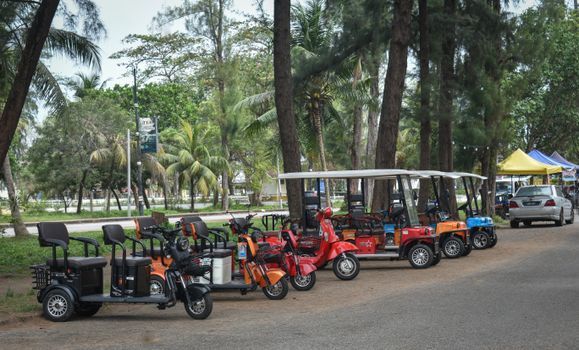
When you hear "electric vehicle," your mind probably jumps to cars. But the world of electric and solar-powered transport is so much richer and more diverse, offering incredible ways to explore without a tailpipe in sight. From cityscapes to serene waterways, these options are already making waves.
My Experience:
I first truly appreciated the magic of electric mobility during a trip to Lisbon. Instead of battling the city's infamous hills on foot or cramming into a bus, my partner and I rented electric scooters. Zipping up and down the cobbled streets, the silent hum of the motor was exhilarating. We covered more ground, found hidden viewpoints, and felt a genuine connection to the city without contributing to air pollution or noise. It was liberating!
But it goes further than scooters. Imagine:
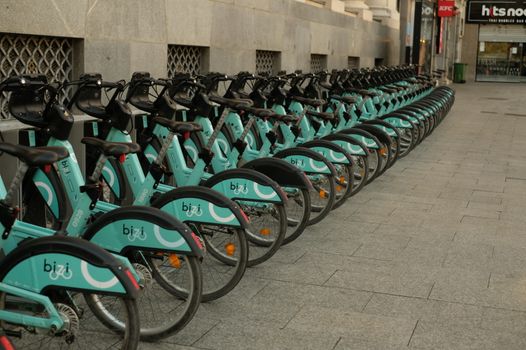
- Electric Bikes (E-Bikes): These are a game-changer for exploring hilly regions or covering long distances without exhaustion. From wine country tours in France's Loire Valley to coastal routes in California, e-bikes open up possibilities for all fitness levels. Many European cities now have extensive e-bike rental networks. I recently spent a week cycling through Tuscany on an e-bike, effortlessly conquering rolling hills that would have otherwise been a grueling challenge. The wind in my hair, the scent of cypress trees, and zero guilt – pure bliss.
- Practical Tip: Look for local rental shops in popular tourist destinations. Prices typically range from €20-€50 per day. Always check battery range and plan your charging stops, especially if venturing into more remote areas.
- Electric Boats & Ferries: Forget noisy, fuel-guzzling engines. Electric boats offer a serene way to experience lakes, rivers, and coastal areas. Picture yourself gliding silently across Lake Bled in Slovenia in an electric "pletna" boat, or exploring the canals of Amsterdam in an emission-free vessel. Even larger electric ferries are becoming more common in places like Norway's fjords, offering breathtaking views with minimal environmental impact.
- Practical Tip: Search for "electric boat rentals" in your desired destination. Many eco-lodges situated on lakes or rivers offer these as part of their experience. Small, self-drive electric boats are often available for hourly rentals in scenic spots.
- Solar-Powered Trains: While still a niche, the Byron Bay Solar Train in Australia is a fantastic example of what's possible. This heritage train, retrofitted with solar panels, runs entirely on solar power and battery storage, offering scenic trips along the coast. It’s a glimpse into the future of rail travel.
- Practical Tip: Keep an eye on local news and sustainable travel initiatives in your chosen destinations. These pioneering projects often pop up in unexpected places and offer unique experiences.
Wind-Powered Wanderlust: Sailing into a Greener Horizon
For centuries, wind powered our global explorations. Now, as we seek truly carbon-neutral options, sailing is making a powerful comeback – not just for luxury yachts, but for adventurous, immersive travel. This isn't just a mode of transport; it's a lifestyle, a skill, and an unparalleled way to connect with the ocean.
My Experience:
My most memorable sailing adventure was a week-long bareboat charter (meaning we rented the boat and navigated it ourselves, with a skipper for the first day) around the Croatian islands. Waking up to the gentle rocking of the boat, a sunrise painting the sky, and knowing our journey for the day would be powered by the wind alone was profound. We learned to read the currents, hoist the sails, and navigate by the stars. Docking in secluded coves, swimming in crystal-clear waters, and exploring ancient fishing villages felt like stepping back in time, completely disconnected from the rush of modern life. It was challenging, exhilarating, and entirely carbon-neutral.
Consider these options:
- Sailing Charters & Flotillas: You don't need to own a boat! Charter companies offer everything from crewed luxury yachts to bareboat rentals (if you have sailing experience) in stunning locations like the Greek Islands, the Caribbean, or the Mediterranean. Flotilla holidays allow you to sail independently but with the support of a lead boat and other travelers, perfect for first-timers.
- Practical Tip: Research companies like The Moorings, Sunsail, or smaller local operators. Prices vary wildly depending on boat size, destination, and season. A week-long bareboat charter for a group can be surprisingly affordable when split among friends. Look for "eco-sailing" or "sustainable yacht charter" options.
- Cargo-Passenger Sailing Ships: This is truly niche but incredibly exciting for the slow-travel purist. Companies like TransOceanic Wind Transport (TOWT) are reviving traditional sailing routes for cargo, but some also take passengers. Imagine crossing the Atlantic on a modern schooner, feeling the raw power of the wind, and being part of a working crew. It's a profound journey, not just a destination.
- Practical Tip: These experiences require significant flexibility and a true adventurous spirit. They are not scheduled like commercial flights. Search for "sail cargo passenger" or "wind-powered passenger transport" to find operators and routes. Be prepared for longer travel times and a more rustic experience.
- Learning to Sail: The ultimate step towards carbon-neutral ocean travel is learning to sail yourself. Many sailing schools offer courses that combine instruction with liveaboard experience, giving you the skills to eventually charter your own vessel.
Human-Powered Adventures: The Ultimate Zero-Emission Trek
Sometimes, the most revolutionary options are the oldest. Walking, cycling, kayaking, and paddleboarding represent the purest form of carbon-neutral travel. They force you to slow down, engage all your senses, and connect deeply with your surroundings. This isn't just about getting from A to B; it's about the journey itself becoming the adventure.
My Experience:
One of my most transformative trips was a multi-day hike along a section of the Camino de Santiago in Spain. Each step was a deliberate act, carrying only what I needed on my back. The rhythm of walking, the shared camaraderie with fellow pilgrims, the simple joy of a hot meal at the end of the day – it stripped away all distractions. I saw landscapes change, felt the weather shift on my skin, and experienced a profound sense of accomplishment. It was a journey of physical endurance and mental clarity, leaving absolutely no carbon footprint.
Embrace these immersive experiences:
- Long-Distance Hiking & Trekking: From the iconic Appalachian Trail to the scenic trails of Patagonia, or cultural routes like the Kumano Kodo in Japan, hiking offers unparalleled access to nature and local cultures.
- Practical Tip: Start with well-marked trails. Invest in good quality gear (boots, backpack, waterproofs). Learn about "Leave No Trace" principles to minimize your impact. Consider guided tours for more challenging terrain or solo trips for ultimate self-reliance. Always inform someone of your route and expected return.
- Multi-Day Cycling Tours: Imagine cycling through the vineyards of Italy, along the Danube River in Austria, or exploring the backroads of Vietnam. Cycling tours allow you to cover significant ground, experience local life up close, and enjoy delicious regional cuisine.
- Practical Tip: Choose tours that match your fitness level. Many companies offer supported tours with luggage transfers, making it easier. If going solo, plan your route carefully, considering accommodation and bike repair shops. E-bikes can extend your range and make hills manageable.
- Kayaking & Paddleboarding Expeditions: Explore coastlines, lakes, and rivers from a unique perspective. A multi-day kayaking trip in the fjords of Norway or around the islands of the Pacific Northwest offers incredible wildlife viewing and a profound sense of peace.
- Practical Tip: Always prioritize safety. Wear a life vest, check weather conditions, and be aware of currents. For multi-day trips, consider guided tours or go with experienced companions. Pack essentials in dry bags.
Hydrogen Hype & Biofuel Breakthroughs: The Future on the Horizon
While electric and human-powered options are here now, the next wave of carbon-neutral transportation is already being developed, promising to revolutionize longer-distance travel. These technologies are still in their infancy for widespread consumer use, but they represent a vital step towards a truly green future.
My Experience:
I recently visited a transport innovation exhibition in Berlin, where they showcased prototypes of hydrogen-powered buses and even a model of a hydrogen-electric aircraft. Seeing these technologies up close, understanding the engineering challenges and the incredible potential, filled me with immense hope. While I haven't yet traveled on a hydrogen-powered passenger train, I know it's only a matter of time before these become viable options for us all.
- Hydrogen-Powered Transportation: Hydrogen fuel cells produce electricity with water as the only byproduct, making them incredibly clean.
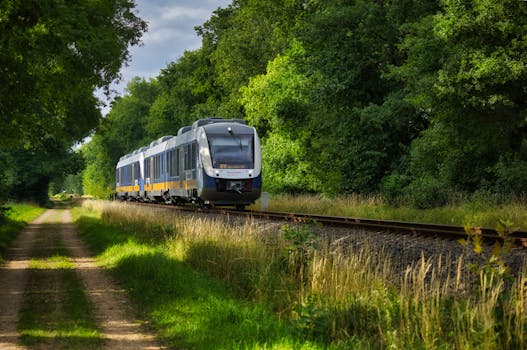
- Trains: Germany is already piloting hydrogen-powered passenger trains on regional routes. These trains offer a zero-emission alternative to diesel, especially on lines not yet electrified.
- Buses & Ferries: Many cities are testing hydrogen buses, and hydrogen ferries are in development for maritime routes.
- Aircraft (Long-Term): Airbus and other manufacturers are heavily investing in hydrogen aircraft, aiming for commercial flights by the mid-2030s. This is the holy grail for long-haul carbon-neutral travel.
- Practical Tip: Stay informed! Follow news from major transportation companies and environmental innovation hubs. When these options become available, they will likely be announced with much fanfare and offer unique "first-of-its-kind" travel experiences.
- Sustainable Aviation Fuels (SAFs) & Biofuels: While not entirely carbon-neutral in production, SAFs made from waste oils, algae, or agricultural residues can significantly reduce aviation's carbon footprint (up to 80% lifecycle emissions). Many airlines are beginning to blend SAFs into their jet fuel.
- Practical Tip: When booking flights, check if airlines offer options to contribute to SAF purchases or if they publicly commit to increasing their SAF usage. It's not a perfect solution, but it's a step in the right direction for unavoidable long-haul flights.
The "Slow Travel" Ethos: Making Every Journey Count
At the heart of carbon-neutral transportation lies the philosophy of slow travel. It's about savoring the journey, embracing serendipity, and fostering deeper connections with places and people. And when it comes to low-carbon, long-distance travel, trains are king.
My Experience:
There's something undeniably romantic about train travel. I took an overnight train from Paris to Venice once, and it remains one of my favorite travel memories. Drifting off to sleep as the lights of France blurred past, then waking up to the first glimpse of the Italian countryside, eventually pulling into Santa Lucia station with the canals greeting us directly – it was magical. No airport hassle, no security lines, just pure, unadulterated travel. The journey itself became an integral part of the adventure.
- Scenic Train Journeys: Europe's extensive rail network is a paradise for slow travelers. Think high-speed electric trains connecting major cities, or scenic routes like the Glacier Express through the Swiss Alps, or the coastal trains of Italy. Asia also boasts incredible high-speed rail networks (Japan's Shinkansen, China's extensive system).
- Practical Tip: Invest in a rail pass (like Interrail or Eurail for Europe) if you plan multiple train journeys. Book sleeper cabins for overnight routes – it's an experience in itself! Always book in advance, especially for popular routes.
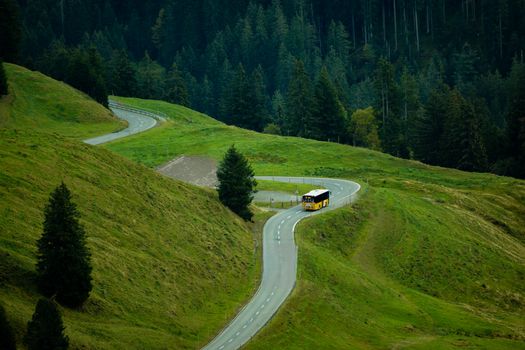
- Bus & Coach Travel: Modern long-distance buses, especially in regions with good infrastructure, can be a surprisingly comfortable and affordable low-carbon option, particularly for crossing borders. Many now offer Wi-Fi, power outlets, and reclining seats.
- Practical Tip: Check companies like FlixBus in Europe or various national operators. Look for direct routes to minimize transfers. Pack a good book and snacks!
- Embrace the Detour: Slow travel encourages you to break up long journeys. Instead of flying directly, take a train to a mid-point city, spend a day or two exploring, then continue your journey. This turns transit time into added adventure.
Beyond Transportation: The Holistic Eco-Traveler
While focusing on how we get there is crucial, being a carbon-neutral traveler extends beyond the vehicle. It's a mindset.
- Offsetting Unavoidable Emissions: For those longer flights or necessary car rentals, consider offsetting your carbon footprint through reputable organizations that invest in renewable energy projects, reforestation, or carbon capture technologies. It’s not a license to pollute, but a responsible last resort.
- Pack Light: Less weight means less fuel consumed, whether by plane, train, or even your own two feet.
- Choose Eco-Friendly Accommodation: Look for hotels or guesthouses committed to sustainability (e.g., using renewable energy, water conservation, local sourcing).
- Support Local: Spend your money with local businesses, which often have a smaller environmental footprint and directly benefit the communities you visit.
- Leave No Trace: Whether hiking or just visiting a beach, ensure you leave no rubbish behind and respect natural environments.
The Journey Ahead: Be a Pioneer
The movement towards carbon-neutral transportation is gaining momentum, but these cutting-edge options are still far from mainstream. This is your chance to be a pioneer, to experience travel in a more profound, responsible, and uniquely adventurous way. Imagine the stories you'll tell – sailing across an ocean, cycling through ancient vineyards powered by your own two legs (and perhaps a little e-assist), or quietly gliding across a lake in a solar-powered boat.
These experiences aren't just about reducing your carbon footprint; they're about enriching your travel life. They offer a deeper connection to the world, a slower pace, and a sense of accomplishment that a quick flight simply can't provide.
So, what are you waiting for? Start planning your next carbon-neutral adventure. Share your discoveries with us in the comments below, or tag #TripsoraGreenTravel on Instagram. Let's inspire each other to explore the world responsibly, one silent, emission-free journey at a time. The future of travel isn't just green; it's exhilarating.
---