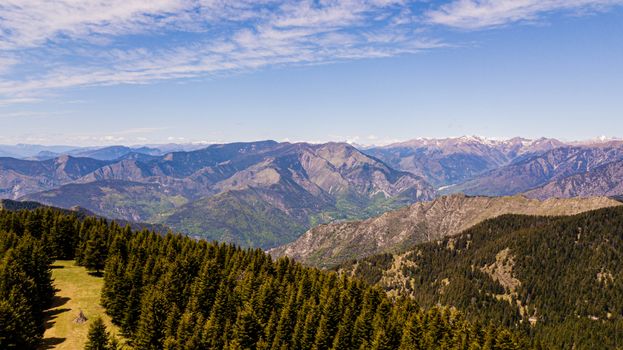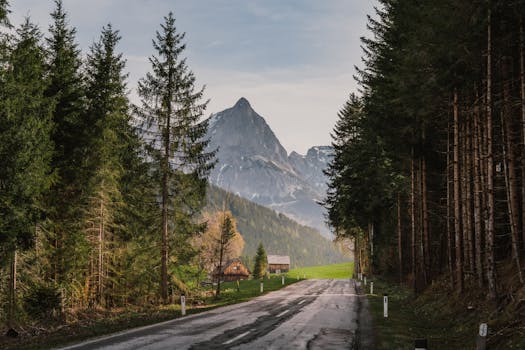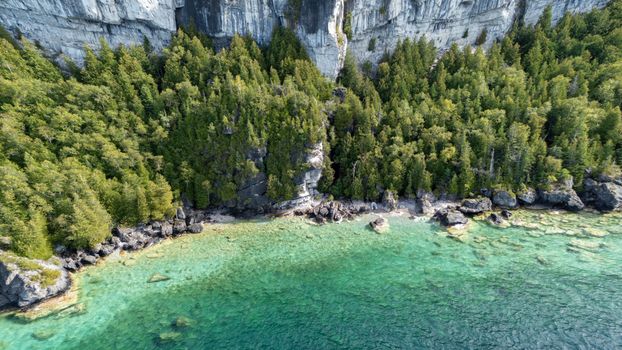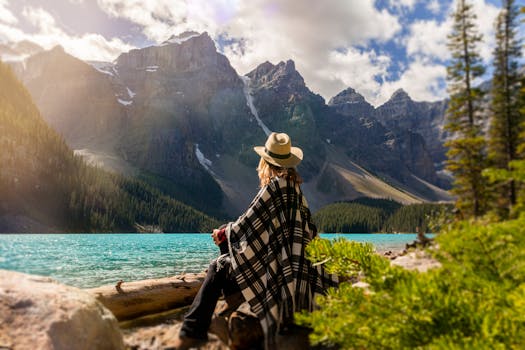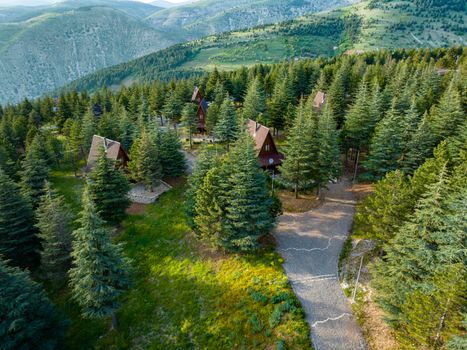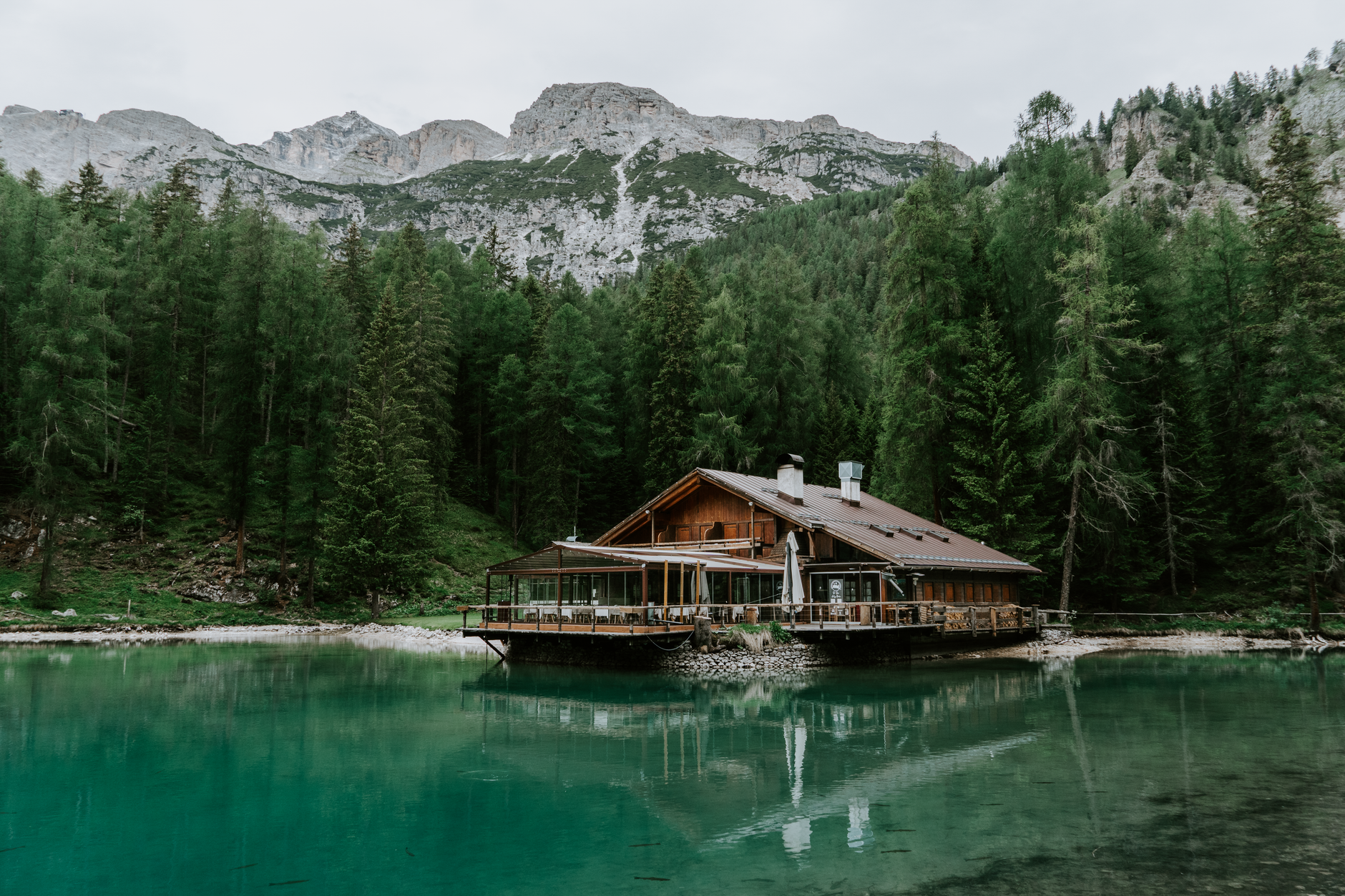
Alright, fellow adventurers, let's have a little heart-to-heart. You know the drill. You scroll through Instagram, see a breathtaking mountain vista, a crystal-clear lake reflecting jagged peaks, and you think, "That's it! That's my summer escape!" Then you get there, and it’s a human carpark. A queue for the "iconic" photo spot. A sea of tripods and meticulously curated outfits. Sound familiar?
I’ve been there. My moment of truth came at a supposedly "hidden" waterfall in Southeast Asia. The photo on my feed showed a serene cascade, untouched jungle. What I found was a line of about fifty people, all waiting for their turn to pose in front of it, complete with a makeshift changing tent. My soul, which craved the quiet majesty of nature, silently wept. That’s when I vowed: no more. No more chasing algorithm-approved backdrops. No more contributing to the overtourism of fragile ecosystems just for a like.
And that, my friends, is how I embarked on a mission. A mission to uncover the real hidden gems. The mountain destinations so spectacular, so serene, so utterly authentic, that the mainstream influencers haven’t (yet) descended upon them like a swarm of perfectly coiffed locusts. These are the places where the air tastes crisper, the views hit harder, and your photos will tell a story that's truly yours, not just a copy-paste of someone else's feed.
Welcome to Tripsora’s exclusive guide to summer mountain escapes that influencers don’t want you to know about. Because once you find these, you won't want to share them either. (But please do, responsibly!)
The Allure of the Uncharted Peak: Why Go Off-Grid?
Before we dive into the specifics, let's talk about why seeking out these less-trodden paths is more rewarding. It’s not just about avoiding crowds (though that’s a huge bonus!). It’s about:
- Authenticity: Experiencing the local culture, food, and way of life without it being diluted or commercialized for mass tourism.
- Serenity: Finding true peace and quiet, where the loudest sound is the wind through the pines or the rush of a mountain stream.
- Unique Perspectives: Capturing genuinely original content that stands out, not because it’s a rehash of a trending spot, but because it’s truly novel.
- Sustainable Travel: Helping to distribute tourist dollars to areas that need it, rather than concentrating it in a few over-saturated locations.
- Personal Growth: The challenge of discovering something new, navigating unfamiliar terrain, and truly connecting with nature can be incredibly transformative.
The "influencer effect" often leads to a monoculture of travel experiences. We're breaking free from that. We're going for the wild, the wonderful, and the truly unforgettable.
Europe's Best-Kept Alpine Secrets: Beyond the Swiss Postcards
Europe’s mountains are legendary, but beyond the well-trodden paths of the Alps, lie breathtaking ranges that offer all the grandeur with a fraction of the crowds.
1. Slovenia's Julian Alps: Emerald Lakes & Alpine Serenity
Forget Lake Bled's crowded shores. Just a stone's throw away, the Julian Alps within Triglav National Park offer a raw, untamed beauty that feels like stepping into a fairytale. My first visit here was purely by chance, a detour from a planned trip to Italy, and it utterly captivated me.
- Why it's a hidden gem: While Bled gets all the glory, Lake Bohinj, nestled deeper in the Julian Alps, is larger, less developed, and infinitely more peaceful. The surrounding valleys are crisscrossed with trails that see more local hikers than international tourists.
- What to do:
- Hike around Lake Bohinj: Start your day with a sunrise stroll when the mist still hugs the water. Rent a kayak or paddleboard and glide across its emerald surface, feeling like you have the entire lake to yourself.
- Conquer Mount Vogel: Take the cable car up for panoramic views of Triglav National Park. From there, countless hiking trails await, ranging from easy walks to challenging multi-day treks.
- Explore the Savica Waterfall: A short, uphill walk leads to one of Slovenia's most iconic waterfalls, less crowded than many others due to its slightly more remote location.
- Rafting/Canyoning on the Soča River: The vibrant turquoise waters of the Soča are perfect for adrenaline junkies, offering stunning scenery alongside the thrill.
- Where to stay/eat: Stay in one of the charming guesthouses or traditional farm stays around Bohinj. Look for "gostilna" (traditional Slovenian restaurants) for hearty, authentic meals like jota (bean and sauerkraut stew) or štruklji (rolled dumplings). I once had the most incredible homemade apple strudel at a tiny hut after a hike – the kind of simple pleasure you dream about.
- Best time to visit: June to September offers ideal hiking weather, with wildflowers blooming in early summer.
- Budget estimate: Mid-range. Accommodation and food are generally more affordable than in Austria or Switzerland.
- Instagram-worthiness: Think lush green valleys, dramatic limestone peaks, and impossibly clear rivers. Capture the serene reflections on Lake Bohinj at dawn, or the vibrant hues of the Soča River. The best shots here are about the vastness and tranquility.
2. Bulgaria's Rila Mountains: Spiritual Peaks & Seven Glacial Lakes
Eastern Europe holds some of the continent's most spectacular and underrated mountain ranges. The Rila Mountains in Bulgaria are a prime example, offering dramatic landscapes steeped in history and spirituality. My hike to the Seven Rila Lakes was a pilgrimage of sorts, and the reward was beyond words.
- Why it's a hidden gem: While the Seven Rila Lakes are known within Bulgaria, they remain largely off the radar for most international tourists, who often flock to Western European hotspots. The trails are well-maintained but never feel overly commercialized.
- What to do:
- Hike the Seven Rila Lakes: This is the absolute must-do. Take the chairlift from Panichishte to the Rila Lakes Hut, and from there, a network of trails leads you past the seven glacial lakes, each named for a characteristic feature (e.g., "The Eye," "The Kidney"). The views are progressively more stunning as you ascend. Allow a full day.
- Visit the Rila Monastery: A UNESCO World Heritage site, this magnificent Eastern Orthodox monastery, with its vibrant frescoes and intricate architecture, is nestled in a Rila Valley and offers a profound cultural experience after your mountain adventures.
- Explore Musala Peak: For serious hikers, Mount Musala is the highest peak in the Balkans. It's a challenging climb but offers unparalleled panoramic views.
- Where to stay/eat: Stay in Sapareva Banya (known for its hot springs) or Panichishte. Enjoy traditional Bulgarian cuisine: Shopska salad, banitsa (cheese pastry), and grilled meats. I vividly remember a hearty lentil soup after a long day of hiking, warming me from the inside out.
- Best time to visit: July and August for the best weather to hike the Seven Rila Lakes. Some snow can linger in early summer.
- Budget estimate: Budget-friendly. Bulgaria is one of Europe's most affordable destinations.
- Instagram-worthiness: The Seven Rila Lakes offer an incredible visual spectacle, with varying shades of blue and green against rugged peaks. Capture the winding trails, the unique shapes of the lakes, and the occasional wild horses. The Rila Monastery itself is a photogenic masterpiece.
3. Italy's Dolomites (Val di Funes): Postcard Perfection without the Push
Yes, the Dolomites are famous. But some corners remain relatively untouched by the relentless march of tourism. Val di Funes (Villnöss Valley) is one such place. It's the valley you see in all those iconic postcard shots of the jagged Geisler/Odle peaks rising behind quaint churches – but without the crushing crowds of more popular areas like Cortina or Tre Cime.
- Why it's a hidden gem: While the images are iconic, many tourists don't know where these specific shots are taken or how to access them without venturing into the more congested parts of the Dolomites. Val di Funes is a quieter, more agricultural valley focused on sustainable tourism.
- What to do:
- Hike to Geisler Alm: This is where you get that shot – the stunning view of the Odle peaks. Several well-marked trails lead to this beautiful alpine hut, where you can enjoy traditional South Tyrolean food with an unbeatable backdrop.
- Visit Santa Maddalena Church: The small, picturesque church of Santa Maddalena set against the towering Odle peaks is the quintessential Dolomites image. Go early morning for the best light and fewest people.
- Explore St. Johann in Ranui Church: Another incredibly photogenic church, nestled in a meadow with the mountains behind it.
- Wander through the Puez-Odle Nature Park: Countless trails for all levels, offering diverse landscapes from lush meadows to dramatic rock formations.
- Where to stay/eat: Stay in one of the charming family-run guesthouses or "agriturismo" farms in Val di Funes. Indulge in local specialties like Schlutzkrapfen (spinach and ricotta ravioli), speck (cured ham), and apple strudel. I remember a farm-fresh breakfast with homemade jams and cheeses – a true taste of the region.
- Best time to visit: June to early October. July and August are peak summer, but Val di Funes generally remains quieter. September offers stunning autumn colors.
- Budget estimate: Mid-range to splurge-worthy. The Dolomites are not cheap, but Val di Funes offers good value compared to other areas.
- Instagram-worthiness: The iconic views of the Odle peaks are unparalleled. Focus on capturing the interplay of light and shadow on the jagged rock faces, the charming churches in the foreground, and the vibrant green meadows. Early morning or late afternoon light is your best friend here.
North America's Rugged & Raw Retreats: Beyond the National Park Frenzy
The US and Canada boast incredible mountain ranges, but many of the major national parks can feel like theme parks in summer. Let's look at places where the wild still feels wild.
4. Colorado's San Juan Mountains: Gold Rush Ghost Towns & High-Altitude Thrills
While Colorado's Rockies are popular, the San Juan Mountains in the southwestern part of the state offer a different kind of rugged beauty. This is a land of towering 14,000-foot peaks, historic mining towns, and some of the most spectacular scenic drives in the country, often feeling far more remote than other ranges.
- Why it's a hidden gem: Many tourists stick to the Denver/Boulder corridor or the more accessible parts of Rocky Mountain National Park. The San Juans require a bit more effort to reach, and their sheer vastness means you can quickly find solitude.
- What to do:
- Drive the Million Dollar Highway: This legendary stretch of US-550 between Ouray and Silverton offers jaw-dropping, white-knuckle views. It's not for the faint of heart, but the scenery is unforgettable.
- Hike to Alpine Lakes: Trails around Telluride, Ouray, and Silverton lead to pristine alpine lakes nestled in cirques. Consider trails to Blue Lakes, Ice Lakes Basin (can be popular, so go early or on weekdays), or lesser-known routes around Ophir Pass. I once spent an entire afternoon hiking near Engineer Pass without seeing another soul, just marmots and towering peaks.
- Explore Ghost Towns: The region is dotted with remnants of its gold and silver mining past. Animas Forks is a well-preserved ghost town accessible via a scenic drive.
- Via Ferrata in Ouray: For an adrenaline rush, try the Ouray Via Ferrata, a protected climbing route that offers incredible views of the canyon.
- Where to stay/eat: Quaint historic towns like Ouray, Silverton, and Telluride offer a range of accommodations from charming B&Bs to luxury hotels. Enjoy hearty mountain fare – think bison burgers, craft beers, and chili.
- Best time to visit: Late June to September. Wildflowers peak in July and August. Be prepared for afternoon thunderstorms.
- Budget estimate: Mid-range to splurge-worthy (especially Telluride). However, camping and hiking are free, making it accessible for various budgets.
- Instagram-worthiness: The San Juans offer dramatic, rugged beauty. Capture the sheer scale of the peaks, the vibrant wildflowers, the historic charm of the mining towns, and the incredible gradients of the Million Dollar Highway. Drone shots (where permitted) can be spectacular here.
Beyond the Usual: Unique Mountain Adventures Globally
Let's cast our net wider for some truly unique mountain experiences that will blow your mind and your feed (in a good way!).
5. Iceland's Fjallabak Nature Reserve: The Land of Rainbow Mountains
Everyone goes to Iceland, but most stick to the Ring Road and the Golden Circle. Venture into the Highlands, specifically the Fjallabak Nature Reserve around Landmannalaugar, and you'll discover a landscape so otherworldly, it feels like another planet.
- Why it's a hidden gem: The Highlands are less accessible, requiring a 4x4 vehicle (or guided tours) and are only open a few months a year. This naturally limits visitor numbers and keeps the area pristine.
- What to do:
- Hike in Landmannalaugar: This area is famous for its rhyolite mountains, which display an incredible spectrum of colors – reds, oranges, yellows, greens, and blues. Countless hiking trails weave through this geological wonderland.
- Bathe in Natural Hot Springs: After a long hike, soak in the geothermal hot springs at Landmannalaugar itself – a truly unforgettable experience.
- Explore the Laugavegur Trail: While the full multi-day trek is famous, even hiking a section of it offers incredible views of black obsidian fields, steaming vents, and vivid mountains. My first glimpse of the "rainbow mountains" was utterly breathtaking; I couldn't believe such colors existed in nature.
- Drive the F-Roads: The journey itself is an adventure, crossing unbridged rivers and navigating rugged terrain.
- Where to stay/eat: Accommodation is limited to mountain huts (book well in advance!) or camping. Bring your own food as options are scarce.
- Best time to visit: Late June to early September. Roads are typically closed outside these months due to snow.
- Budget estimate: Splurge-worthy. Iceland is expensive, and accessing the Highlands often involves guided tours or 4x4 rentals.
- Instagram-worthiness: The colors of Landmannalaugar are unparalleled. Capture the swirling patterns of the rhyolite mountains, the steam rising from hot springs, and the dramatic contrast of black lava fields against vibrant peaks. Wide-angle shots are essential to convey the scale.
6. Colombia's Valle de Cocora: Giant Palms & Cloud Forest Mystique
For a truly unique mountain experience that combines lush cloud forest with surreal landscapes, head to Valle de Cocora near Salento, Colombia. This isn't your typical jagged peak mountain, but a verdant, misty wonderland where the world's tallest palm trees pierce the sky.
- Why it's a hidden gem: While Salento is on the backpacker trail, Valle de Cocora is still relatively unknown to mass tourism, especially compared to South American destinations like Patagonia or the Inca Trail. It offers a distinct ecosystem and cultural experience.
- What to do:
- Hike through the Wax Palm Forest: This is the main draw. Walk among the towering Quindío wax palms, some reaching over 60 meters (200 feet) tall, creating an almost Dr. Seuss-like landscape. There are various loop trails, including one that leads to Acaime, a hummingbird sanctuary. The mist rolling through the valley adds to the magic.
- Visit a Coffee Farm: Salento is the heart of Colombia's coffee region. Take a tour to learn about the coffee-making process from bean to cup, and enjoy fresh samples.
- Explore Salento: This colorful, charming town is a delight to wander, with its traditional architecture and vibrant artisan shops.
- Where to stay/eat: Salento offers numerous hostels, boutique hotels, and guesthouses. Enjoy fresh trout (trucha) from the local rivers, patacones (fried plantains), and, of course, some of the world's best coffee.
- Best time to visit: December to March and July to August are generally drier, but expect rain year-round as it's a cloud forest.
- Budget estimate: Budget-friendly. Colombia is very affordable for travelers.
- Instagram-worthiness: The sheer scale of the wax palms against the misty cloud forest is incredibly photogenic. Capture the dramatic vertical lines of the palms, the vibrant greenery, and the atmospheric mist. Look for unique angles looking up through the palms.
Your Guide to Unlocking These Secret Summits: Practical Tips for the Discerning Traveler
So, you’re ready to ditch the crowds and embrace the authentic? Here’s how to make your secret summer mountain escape a reality:
- Research Beyond the Grid: Don't just type "best mountains to visit" into Google. Dig deeper. Look for local tourism boards, niche hiking blogs, and even academic papers on specific regions. Use tools like Google Earth to scout out less-traveled areas. Read reviews from people who mention "no crowds."
- Timing is Everything: Even in these lesser-known spots, peak weekends can draw more locals. If possible, travel during the shoulder seasons (late May/early June, September/early October) or on weekdays. Start your hikes at sunrise – not only for the best light but for true solitude.
- Support Local, Stay Local: Opt for family-run guesthouses, local guides, and small businesses. Not only does this provide a more authentic experience, but your money directly benefits the community rather than large, impersonal corporations. Ask locals for their favorite hidden spots – they know best!
- Pack Smart & Be Prepared: Mountain weather is notoriously unpredictable. Layers are your best friend. Always carry a waterproof jacket, sturdy hiking boots, plenty of water, snacks, a first-aid kit, and navigation tools (map, compass, or reliable GPS app). Even in summer, temperatures can drop rapidly at higher elevations.
- Master the "Un-Influencer" Shot: How do you get stunning photos without looking like you're trying too hard? Focus on the landscape, not just yourself. Capture moments of genuine awe, the play of light, the vastness. Use natural light. Embrace imperfections – a little mist, a stray cloud, a messy bun – it all adds to the authenticity. And for goodness sake, put down the selfie stick and engage with your surroundings!
- Leave No Trace, Always: This is paramount. Pack out everything you pack in. Stay on marked trails. Do not disturb wildlife or pick wildflowers. Respect local customs and regulations. These places are beautiful because they are preserved; let's keep them that way for future generations. Your responsibility as a traveler is to be a steward, not just a visitor.
Your Mountain Adventure Awaits!
There you have it, fellow Tripsora explorers – a curated list of mountain escapes where the air is fresh, the views are genuinely jaw-dropping, and the only "influencer" you'll encounter is your own sense of wonder. These are the places that remind you why you fell in love with travel in the first place: for the discovery, the challenge, the profound connection with nature, and the stories that are uniquely your own.
So, which secret summit will you conquer this summer? Will it be the emerald serenity of Slovenia, the spiritual peaks of Bulgaria, the colorful landscapes of Iceland, or the towering palms of Colombia? The mountains are calling, and they’re waiting for you, away from the crowds.
Share your own secret mountain escapes in the comments below! And don't forget to tag #TripsoraSecrets when you find your perfect, crowd-free view. Let's inspire each other to explore more authentically.
---