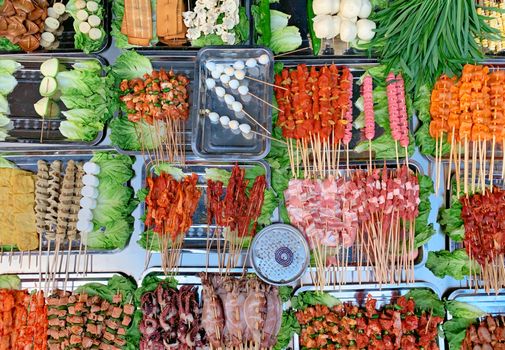
How to Eat Like a Local for Pennies That Changed My Life Forever
I still remember the bland, overpriced pasta I ate in Rome. Not in a charming, hidden trattoria, mind you, but in a brightly lit, tourist-trap restaurant just steps from the Pantheon. It cost me €18, tasted like something I could whip up from a jar at home, and left me feeling deflated, ripped off, and utterly disconnected from the vibrant culinary heart of Italy. This wasn't the "Eat, Pray, Love" experience I'd envisioned.
For years, this was my travel food reality. I’d dutifully consult guidebooks, pick out restaurants with English menus and glossy photos, and inevitably end up paying too much for something distinctly mediocre. My food budget was always the first to evaporate, leaving me scrambling for cheap groceries or, worse, skipping meals entirely.
Then came Southeast Asia. Specifically, my first solo trip to Thailand.
I was sitting on a plastic stool in a bustling market in Chiang Mai, nursing a lukewarm beer, watching a stream of locals devour steaming bowls of noodles, vibrant curries, and exotic fruits. The air hummed with conversation, the sizzle of woks, and the intoxicating scent of lemongrass and chili. Every dish looked incredible, every face was beaming, and the prices? They were almost comically low.
It hit me then, like a splash of fiery nam prik: I was doing it all wrong. I was actively avoiding the very essence of local food culture, driven by a misguided fear of the unknown, a lack of confidence, and an ingrained habit of seeking out the familiar. That day, something shifted. I decided to ditch the guidebooks, forget the fancy restaurants, and embark on a culinary adventure that would not only save me thousands of dollars but fundamentally change the way I traveled forever.
This isn't just about saving money (though you will, buckets of it!). This is about unlocking a deeper, richer, more authentic travel experience. It's about tasting the true soul of a destination, connecting with its people, and creating memories that will linger long after the last bite. Are you ready to dive in?
1. The Epiphany: From Tourist Trap to True Taste – My Thai Awakening
That day in Chiang Mai, I decided to take the plunge. I pointed to a woman expertly stirring a huge wok full of what looked like Pad See Ew. She smiled, nodded, and within minutes, handed me a plate piled high with wide rice noodles, tender chicken, crisp gai lan, and a perfect balance of sweet, savory, and smoky flavors. It cost me 40 baht – less than $1.50. It was, without exaggeration, one of the best things I had ever eaten.
The experience was more than just delicious food; it was an immersion. I watched her cook, felt the warmth of the steam, heard the chatter of the market, and tasted the genuine flavors of Thailand, not a diluted version for Western palates. It was raw, real, and utterly exhilarating.
From that moment on, my travel philosophy transformed. I realized that the best, most authentic, and cheapest food wasn't hidden away; it was right there, out in the open, being enjoyed by the locals. My "aha!" moment taught me that:
- Authenticity lives on the streets and in local markets: Not in air-conditioned establishments catering to tourists.
- Fear is the biggest barrier: Most "risks" are perceived, not real.
- The best way to connect is through shared meals: Food is a universal language.
This single realization saved my budget and enriched my travels beyond measure. It wasn't just about food anymore; it was about embracing the unfamiliar, trusting my instincts, and allowing myself to be truly present in a new culture.
2. Market Magic: Your First Stop for Flavor & Funds
The local market is your culinary playground, your budget's best friend, and a sensory explosion you won't soon forget. Forget the sterile supermarket aisles; this is where the pulse of a city truly beats.
Why Markets are Your Best Bet:
- Freshness: Produce is often picked that morning, seafood caught hours ago. You're getting the absolute freshest ingredients.
- Price: Buying directly from vendors, especially seasonal produce, is almost always cheaper than restaurants or grocery stores.
- Variety: Discover fruits, vegetables, spices, and prepared foods you've never seen before.
- Atmosphere: The sights, sounds, and smells are an experience in themselves. It’s a photographer’s dream and a cultural immersion.
- Prepared Food: Many markets have sections dedicated to ready-to-eat meals, often cooked right in front of you.
My Market Mastery Tips:
- Go Early: For the best selection and to avoid the biggest crowds (though some markets come alive later).
- Wander First, Buy Later: Get a lay of the land, see what’s available, and compare prices.
- Look for Locals: If a stall is swarming with local shoppers, it’s a good sign of quality and fair prices.
- Don't Be Afraid to Sample: Many vendors will offer samples of fruit, cheese, or prepared snacks. It’s a great way to try before you buy.
- Learn Basic Phrases: Even "hello," "thank you," and "how much?" in the local language can make a huge difference in connection and price.
- Haggle (Gently): In some cultures, it’s expected, but always be respectful and friendly. If buying small amounts, sometimes it's not worth it.
- Picnic Power: Buy fresh bread, cheese, cured meats, fruits, and make your own gourmet picnic for a fraction of restaurant cost. I once bought a whole wheel of artisanal cheese, fresh focaccia, and local olives in a market in Florence for €7, enough for two lunches! We ate it by the Arno, feeling like kings.
- Ask for Recommendations: Point to something delicious a local is eating and ask the vendor what it is.
Personal Anecdote: In the Mercado de San Juan in Mexico City, I discovered exotic fruits I’d never heard of – mamey, guanábana, chirimoya. A vendor, seeing my curiosity, offered me samples of each, patiently explaining their flavors. I walked away with a bag full of unique tastes for just a few dollars, and a memory of genuine warmth.
3. Street Food Savvy: Where the Real Chefs Live
If markets are the heart, street food is the soul of a city's culinary scene. This is where generations of recipes are perfected, often by a single family, passed down through the ages. It's fast, fresh, flavorful, and incredibly cheap.
Why Street Food is a Game-Changer:
- Authenticity: This is what locals eat every day. It's the real deal.
- Speed: Perfect for a quick, delicious bite on the go.
- Price: Often the cheapest hot meals you can find. A full meal can cost less than a bottled water in a tourist cafe.
- Experience: Watching the food being prepared is part of the fun. The sizzle, the aromas, the theatrical flair of a skilled vendor.
My Street Food Survival Guide:
- Follow the Crowd: The longest queue is usually for the best (and safest) food. Locals know where to find the good stuff.
- Look for High Turnover: If food is being cooked and sold quickly, it means it’s fresh and popular.
- Observe Hygiene: While not every stall will be spotless, look for vendors who handle food with care, use clean utensils, and have fresh ingredients on display.
- Eat Where It's Cooked Fresh: Avoid anything that looks like it's been sitting out for hours.
- Don't Be Afraid to Point: If you don't speak the language, pointing at what others are eating or directly at ingredients is perfectly acceptable. A smile goes a long way.
- Carry Small Bills/Coins: Makes transactions quicker and easier.
- Be Adventurous (Within Reason): Try something new! That mysterious skewer or unusual pastry might be your new favorite.
- Stay Hydrated: Always carry bottled water, especially in hot climates.
Personal Anecdote: I once stumbled upon a tiny stall in Hanoi, Vietnam, tucked away down a narrow alley. The only thing they served was Bún Chả. The aroma of grilled pork and fresh herbs was irresistible. I sat on a tiny plastic stool, shared a table with a family, and devoured the most incredible bowl of noodles, grilled pork patties, fresh herbs, and a savory dipping sauce. It cost me about $2. It was a symphony of flavors, a true culinary masterpiece, and a memory I cherish more than any Michelin-starred meal.
4. Beyond the Menu: Decoding Local Eateries
Sometimes, you want a sit-down meal, but still want to avoid the tourist traps. This requires a bit of detective work, but the rewards are immense.
How to Spot an Authentic Local Eatery:
- No English Menu (or very limited): A good sign it caters to locals.
- Full of Locals: This is your number one indicator. If the place is bustling with local families and workers, you're on the right track.
- Simple Decor: Often, the best food comes from places that put their effort into the kitchen, not the interior design. Think plastic chairs, worn tables, maybe a TV showing a local soap opera.
- Daily Specials/Limited Menu: A small, focused menu often means they do a few things exceptionally well. Look for handwritten signs.
- Location: Often slightly off the main tourist drag, down a side street.
- Look for Lunch Crowds: Locals often eat out for lunch, so a busy lunch service is a great sign.
My Tips for Navigating Local Restaurants:
- Google Translate is Your Best Friend: Use the camera function to translate menus on the fly. It's a lifesaver.
- Point and Gesture: Don't be shy! Point at dishes on other tables that look good, or at ingredients you recognize.
- Ask for "The Local Dish": "What's typical here?" or "What do you recommend?" can lead to amazing discoveries.
- Embrace the Set Menu (Menu del Día/Plat du Jour): Many local restaurants offer incredibly value-packed set lunch menus that include multiple courses and a drink for a fixed, low price. In Spain, a "Menu del Día" can be €10-€15 for three courses and a drink!
- Don't Expect Five-Star Service: Service might be gruff or slow, but it's part of the experience. Focus on the food.
- Be Mindful of Tipping Culture: Research local customs to avoid over or under-tipping.
Personal Anecdote: In Lisbon, I was tired of touristy bacalhau. I wandered away from the main square, down a steep cobbled street, and found a tiny place with a handwritten menu taped to the door. Inside, it was packed with older Portuguese couples. I used Google Translate to decipher "arroz de pato" (duck rice). It was slow-cooked, rich, comforting, and utterly delicious. With a glass of house wine, it cost me €9. I felt like I'd stumbled into a family's secret kitchen.
5. The Art of Asking: Your Local Food Gurus
You are surrounded by experts! Locals know where to find the best food, often at the best prices. Don't be afraid to ask.
Who to Ask and How:
- Hotel/Hostel Staff: They live there! Ask the receptionist, the cleaning staff, or even the bartender. "Where do you go for a good, cheap meal after work?" is a great opener.
- Shopkeepers: Particularly friendly ones in non-touristy areas. Ask the fruit vendor or the baker.
- Taxi/Ride-Share Drivers: They spend all day driving around and often know the hidden gems.
- Fellow Travelers (if they seem experienced): Especially those who've been in town for a while.
- Tour Guides: They are literally paid to know the area.
- Learn Key Phrases: "Where is a good, cheap restaurant?" (e.g., ¿Dónde hay un buen restaurante barato? in Spanish) or "What's a local specialty?"
- Be Specific: Instead of "Where's good food?", try "Where can I get the best [local dish] for a good price?"
A Word of Caution:
Sometimes, locals might recommend places they think tourists want, or places they have a connection to. Always cross-reference with your own observations (i.e., are other locals eating there?).
Personal Anecdote: In Medellín, Colombia, I asked my Airbnb host where he got his favorite empanadas. He drew me a crude map on a napkin to a tiny, unmarked shop. The empanadas were crispy, savory, and served with a vibrant ají sauce. I bought five for the price of one at a tourist cafe. He also told me about a specific juice stall in a local market that served the best lulo juice – a fruit I'd never tried. These recommendations led to some of my most memorable culinary moments.
6. DIY Delicious: Picnics, Potlucks, and Pantry Hacks
While eating out is part of the fun, sometimes the cheapest, most satisfying meals are the ones you make yourself. This strategy is golden for long-term travel or when your budget is really tight.
Embrace Self-Catering:
- Hostels with Kitchens: Many hostels offer communal kitchens. This is a fantastic way to save money, meet other travelers, and even share cooking duties.
- Airbnb with Kitchenettes: When booking accommodation, filter for places with kitchens. Even a microwave and a mini-fridge can make a huge difference.
- Local Grocery Stores: Explore them! They're often cheaper than convenience stores and offer a glimpse into local staples. Look for sales.
- Picnics are Your Power Move: As mentioned with markets, assembling a picnic is a wonderfully affordable and romantic way to dine. Grab some local bread, cheese, fruit, olives, and a bottle of wine. Find a scenic spot – a park, a beach, by a river – and enjoy. I’ve had some of my most cherished meals picnicking by the Eiffel Tower (with groceries from a local Carrefour for under €10), or overlooking the ocean in Portugal.
- "Traveler's Potluck": If you're staying in a hostel, suggest a potluck with fellow travelers. Everyone contributes an ingredient or a dish, and you share a delicious, diverse, and incredibly cheap meal. I've had incredible nights sharing stories and food from around the world this way.
- Instant Meals (with a twist): Instant noodles can be elevated with fresh market veggies, an egg, or some leftover protein. Don't knock the humble instant ramen until you've jazzed it up with local ingredients!
Personal Anecdote: During a month-long trip through Italy, I rented Airbnbs with kitchens wherever possible. This allowed me to buy fresh pasta, local vegetables, and incredible sauces from small shops. Cooking a simple, authentic Italian meal with ingredients bought that day, often with a glass of local wine, became one of the highlights of my evenings. It connected me to the rhythm of Italian life in a way restaurants never could.
7. Embrace the Unknown: Adventures in Eating
The biggest barrier to eating like a local for pennies is often psychological. We're conditioned to seek comfort and familiarity, especially when traveling. But truly life-changing food experiences often lie just beyond that comfort zone.
Shed Your Culinary Inhibitions:
- Try the "Weird" Stuff: That unusual fruit, the strange-looking street snack, the dish with an unfamiliar name. You might discover a new favorite. My first taste of durian in Malaysia (the notoriously smelly fruit) was an adventure. I didn't love it, but I tried it, and it was a story!
- Don't Judge a Book by Its Cover: Or a restaurant by its plastic chairs. The best flavors often come from the humblest settings.
- Be Open to New Flavors and Textures: Some spices might be stronger, some textures softer or chewier than you're used to. That's part of the adventure.
- Ask for Recommendations (even if you can't translate the menu): "What's popular?" or "What's good today?"
- Stay Hydrated & Trust Your Gut: If something looks or smells off, politely decline. But don't let paranoia stop you from trying new things.
- Document Your Journey: Take photos! Share your discoveries. Not only does it make for great Instagram content, but it also helps you remember your culinary triumphs (and occasional hilarious missteps).
Personal Anecdote: In Cambodia, I was offered bai sach chrouk (pork and rice) from a street vendor. I had no idea what to expect. It was a simple dish, but the pork was perfectly marinated and grilled, served with pickled vegetables and a clear broth. It was nourishing, flavorful, and incredibly cheap. It wasn't something I would have picked from a menu, but it became my go-to breakfast. Each new "unknown" I tried chipped away at my inhibitions, opening up a world of flavor I never knew existed.
The Life-Changing Impact
Eating like a local for pennies isn't just a budget hack; it's a philosophy that has fundamentally changed how I travel. It’s taught me to be more observant, more adventurous, and more connected to the cultures I visit. I've met incredible people, learned snippets of new languages, and tasted the authentic soul of countless destinations.
My food budget, once a source of stress, is now a joyful exploration. I spend less, eat better, and feel richer for the experience. The bland, overpriced pasta of my past is a distant memory, replaced by vibrant street food, bustling market feasts, and heartwarming home-cooked meals.
This approach transformed my travel life forever, turning every trip into a delicious, affordable, and deeply authentic adventure. It can do the same for you.
---
Are you ready to ditch the tourist traps and eat your way through your next destination like a true local? Share your favorite cheap eat discoveries in the comments below! What's the most amazing local dish you've tried for pennies?
---