Golden Hour Magic: My Life-Changing Sunset & Sunrise Spots Around the World
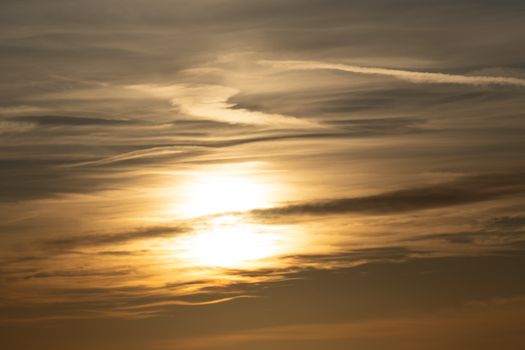
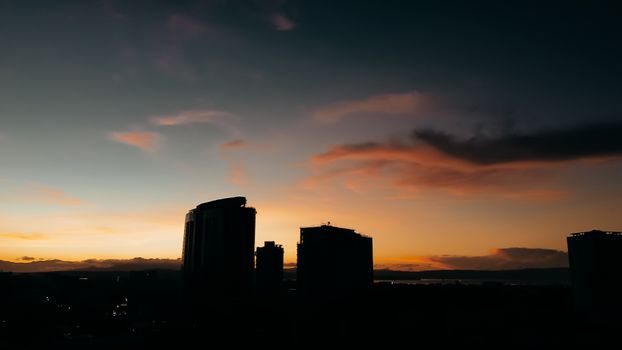
There’s a specific kind of magic that descends upon the world twice a day, painting the sky with hues that seem to defy reality. It’s a fleeting, ethereal beauty known as golden hour – that precious window just after sunrise and just before sunset when the sun casts a soft, warm, golden glow over everything. For me, it’s more than just beautiful light; it’s a moment of profound connection, a pause button on life’s relentless pace, and often, a catalyst for introspection.
My obsession with golden hour started quite by accident during a backpacking trip through Southeast Asia years ago. I was sitting on a dusty beach in Thailand, nursing a cheap beer, watching the sun dip into the Andaman Sea. The sky exploded in a symphony of oranges, purples, and fiery reds. In that moment, surrounded by the gentle lapping of waves and the hushed awe of fellow travelers, something clicked. It wasn't just a pretty sunset; it was a visceral experience that made me feel utterly alive, connected to something ancient and vast. Since then, chasing golden hour has become an integral part of my travel philosophy, a guiding star that has led me to some of the most spectacular, soul-stirring locations on Earth.
These aren't just beautiful spots; these are places where the light, combined with the landscape and the atmosphere, created moments that truly changed me. They taught me about beauty, resilience, spirituality, and the sheer wonder of our planet. So, pack your bags (and your camera!), because I'm about to share the golden hour locations that etched themselves into my soul forever.
1. Santorini, Greece: The Classic Dream We All Chase
Let's start with a classic, shall we? Santorini. Specifically, Oia. You’ve seen the photos: whitewashed villages clinging to volcanic cliffs, sapphire domes, and an Aegean Sea that shimmers like a thousand diamonds. But nothing, absolutely nothing, prepares you for the sheer spectacle of a Santorini sunset in person.
My first time in Oia, I arrived hours early, elbowing my way through the growing crowd to secure a prime spot near the Byzantine Castle ruins. The air buzzed with anticipation, a collective holding of breath. As the sun began its descent, painting the sky in ever-deepening shades of orange, pink, and violet, it felt like the entire island was breathing with me. The light played tricks on the eyes, making the caldera walls glow with an otherworldly warmth, turning the distant islands into silhouettes, and setting the iconic windmills ablaze. The moment the sun finally dipped below the horizon, a spontaneous applause erupted from the crowd – a truly unique, shared moment of pure, unadulterated joy. It felt like watching a masterpiece unfold, live, before my very eyes.
Why it changed me:
It was a reminder that some clichés are clichés for a reason – they are universally breathtaking. It taught me the power of shared beauty and the simple, profound joy of witnessing something truly spectacular.
Practical Tips for Your Santorini Golden Hour:
* Arrive Early: Seriously, early. At least 2-3 hours before sunset, especially in peak season (June-August). The best spots (Byzantine Castle ruins, Oia's main pedestrian street, specific restaurant terraces) fill up fast.
* Consider a Sunset Cruise: For a different perspective and fewer crowds, book a catamaran cruise. You'll watch the sunset from the water, often with dinner and drinks included. Prices typically range from €100-€150 per person.
* Where to Eat: Many restaurants in Oia offer caldera views, but they come with a premium. For a more budget-friendly option, grab a gyro from a street vendor and find a spot on the steps.
* Photography: Bring a wide-angle lens for sweeping shots and a tripod if you're serious about long exposures after sunset. The light is incredibly dynamic.
* Stay the Night: While most people leave Oia immediately after sunset, staying in one of the cave hotels allows you to experience the magical morning light and enjoy the village before the day-trippers arrive. Expect to pay €300+ for a decent cave hotel in Oia.
2. Bagan, Myanmar: A Spiritual Awakening at Dawn
While sunsets often steal the limelight, sunrises hold a special, sacred place in my heart, and nowhere is this more true than in Bagan, Myanmar. Imagine hundreds, even thousands, of ancient temples and pagodas rising from a misty plain, silhouetted against a sky that transitions from inky black to soft indigo, then vibrant orange and fiery red. Now, add hot air balloons gently ascending into this spectacle, their burners occasionally flaring, painting fleeting streaks of light against the dawn. That's Bagan sunrise.
I remember waking up in the pre-dawn chill, jumping on my rented e-bike (electric scooter) in complete darkness, guided only by the faint glow of my phone. The air was thick with the scent of dust and ancient stone. I found a lesser-known, taller temple, climbed its worn steps, and settled in with a handful of other adventurers. As the first sliver of light appeared, the world slowly revealed itself. The mist began to lift, unveiling the countless brick structures that dotted the landscape as far as the eye could see. Then, the balloons started to appear, like giant, colorful lanterns floating towards the heavens. It was a moment of profound peace and awe, a feeling of being transported back in time, witnessing something truly eternal. The silence, broken only by the distant hum of balloon burners and the chirping of birds, amplified the spiritual weight of the experience.
Why it changed me:
Bagan taught me the immense power of quiet contemplation and the beauty of history etched into the land. It was a deeply spiritual experience that grounded me and reminded me of humanity's enduring legacy.
Practical Tips for Your Bagan Golden Hour:
* E-bike is Key: Rent an e-bike (around 5,000-8,000 Kyat/day, approx. $3-5 USD) to explore the temples independently. It gives you the freedom to find your own hidden spots.
* Best Viewing Spots: While some temples are now restricted for climbing, local guides can often point you to still-accessible ones with great views. Shwesandaw Pagoda used to be famous but is now often closed. Ask locals for the best alternatives. Alternatively, consider a designated sunrise viewing mound.
* Hot Air Balloon Ride: If your budget allows (approx. $300-$400 USD), a balloon ride over Bagan is an unparalleled experience, offering a bird's-eye view of the magic. Book well in advance.
* Bagan Archaeological Zone Fee: There's a mandatory entry fee of 25,000 Kyat (approx. $16 USD) for the archaeological zone, valid for 3-5 days. Keep your ticket handy.
* Photography: A zoom lens is excellent for capturing the balloons and distant temples. A wide-angle is great for the overall landscape. Be prepared for low light.
3. Serengeti National Park, Tanzania: Wild Encounters at Dusk
From ancient temples to untamed wilderness, my next golden hour revelation took place in the vast plains of the Serengeti. There's nothing quite like a safari sunset or sunrise, where the raw beauty of nature is amplified by the incredible light.
I was on a game drive, the dusty Land Rover bumping along the tracks, when our guide suddenly stopped. "Sunset," he whispered, pointing to the horizon. The sky was already a canvas of fiery oranges and deep purples, but what made this moment unforgettable was the silhouette. A lone acacia tree, perfectly framed against the blazing sky, and beneath it, a pride of lions, their powerful forms stark and majestic against the light. Later, during a sunrise game drive, I watched as a herd of wildebeest, part of the Great Migration, moved across the plains, their breath visible in the cool morning air, illuminated by the first golden rays. The vastness, the silence, the sheer power of nature unfolding before my eyes – it was humbling beyond words. The air was thick with the scent of wild grasses and the distant calls of unseen animals.
Why it changed me:
The Serengeti golden hour stripped away all pretenses. It was a profound reminder of our place in the natural world, the delicate balance of ecosystems, and the breathtaking beauty of wild, untamed life. It made me feel small, yet incredibly connected.
Practical Tips for Your Serengeti Golden Hour:
* Choose a Reputable Tour Operator: A good guide is crucial for finding the best spots and understanding animal behavior. Expect safari prices to range from $300-$700+ per person per day, depending on luxury and length.
* Best Time of Year: For the Great Migration, aim for June-October (western corridor and northern Serengeti) or December-March (southern Serengeti for calving season).
* Camera Gear: A good telephoto lens (200mm-400mm+) is essential for wildlife photography. Don't forget a wide-angle for those epic landscape shots, and a sturdy beanbag or monopod for stability in the vehicle.
* Pack Layers: Early mornings and evenings can be surprisingly chilly, even in Africa, but daytime temperatures are hot.
* Stay in a Tented Camp: For the ultimate immersive experience, stay in a tented camp within the park. Waking up to the sounds of the bush and seeing the sunrise from your 'tent' is truly special. Park fees are included in safari packages.
4. The Dolomites, Italy: Alpine Glow and Soul-Stirring Peaks
From the plains of Africa to the jagged, ethereal peaks of the Italian Dolomites. Here, golden hour takes on a unique, almost mythical quality known as "Enrosadira" – the alpenglow. This phenomenon sees the pale, dolomitic rock faces ignite with shades of pink, orange, and red as the sun rises or sets, a spectacle that feels like the mountains themselves are blushing.
I embarked on a multi-day hike, staying in charming mountain huts (rifugios). One evening, after a challenging ascent, I found myself at a viewpoint overlooking the iconic Tre Cime di Lavaredo. As the sun began to dip, the already dramatic peaks started to change. First, a soft peach, then a fiery rose, deepening into a rich crimson before fading into a gentle purple against the twilight sky. The air was crisp, carrying the scent of pine and damp earth. There was a profound silence, broken only by the occasional distant cowbell. It wasn't just the visual spectacle; it was the feeling of accomplishment after the hike, the crisp mountain air, and the sheer, overwhelming majesty of these ancient giants that made the moment truly transcendent. It felt like standing on the edge of the world, witnessing a secret performance by nature.
Why it changed me:
The Dolomites taught me the immense satisfaction of earning a view. It was a lesson in perseverance, the beauty of rugged landscapes, and the incredible reward that comes from pushing your physical limits to witness nature's grandeur.
Practical Tips for Your Dolomites Golden Hour:
* Hiking is Key: Many of the best alpenglow spots require a hike. Research trails suitable for your fitness level. Popular spots include Tre Cime di Lavaredo, Seceda, and Lago di Braies.
* Stay in a Rifugio: For the most immersive experience, book a night in a mountain hut (rifugio). This allows you to witness both sunset and sunrise without rushing. Prices vary but expect around €50-€80 for a bed in a dorm, including half-board (dinner and breakfast). Book well in advance, especially for popular huts.
* Check Weather Forecasts: Mountain weather can change rapidly. Be prepared for all conditions, even in summer.
* Photography: A wide-angle lens is perfect for capturing the vastness of the peaks. A polarizing filter can help enhance the colors. A tripod is essential for low-light shots.
* When to Go: Late spring (June) or early autumn (September) offer beautiful colors and fewer crowds than peak summer.
5. Kyoto, Japan: Serene Reflections in a Golden Hue
Japan's ancient capital, Kyoto, might not be the first place that comes to mind for golden hour, but its serene temples, traditional gardens, and bamboo groves take on an almost mystical quality under the soft, warm light. It’s a completely different kind of golden hour – one of introspection and quiet beauty.
My most memorable experience was at Fushimi Inari-taisha, the iconic shrine with thousands of vermillion torii gates winding up a mountain. I decided to visit late in the afternoon, hoping to catch the sunset. As the sun began to dip, the light filtering through the dense canopy of trees and between the torii gates cast long, dramatic shadows. The vibrant orange of the gates seemed to glow from within, creating an endless tunnel of light and shadow. The crowds thinned considerably as I ascended, and I found moments of complete solitude, the only sound being the rustling leaves and the distant chirping of cicadas. The air was cool and carried a faint scent of incense. It was a meditative experience, walking through this sacred space as the world around me softened into gold.
Why it changed me:
Kyoto's golden hour taught me the beauty of subtle light, the power of quiet contemplation, and how even in a bustling city, moments of profound peace can be found. It deepened my appreciation for cultural aesthetics and mindfulness.
Practical Tips for Your Kyoto Golden Hour:
* Fushimi Inari-taisha: Go late afternoon (around 1.5-2 hours before sunset) to experience the thinning crowds and magical light. The shrine is free to enter and open 24/7.
* Arashiyama Bamboo Grove: Visit early morning (just after sunrise) or late afternoon. The light filtering through the tall bamboo stalks creates an ethereal glow. Be aware that it can still be crowded.
* Kinkaku-ji (Golden Pavilion): While you can't enter the pavilion, seeing its golden facade shimmer on the pond during golden hour is breathtaking. Entry fee is 400 JPY (approx. $3 USD).
* Gion District: Stroll through the historic geisha district just before sunset. The traditional wooden machiya houses and lantern-lit streets take on a romantic glow.
* Photography: Look for reflections in water features at temples and gardens. Use the soft light to capture intricate details of architecture and nature.
6. Atacama Desert, Chile: Otherworldly Hues in a Barren Land
Finally, let's journey to one of the driest places on Earth, a landscape so alien it feels like another planet: the Atacama Desert in Chile. Here, golden hour is not just beautiful; it's utterly surreal, painting the stark, mineral-rich terrain in colors you never thought possible.
My most vivid memory is from Valle de la Luna (Valley of the Moon). I joined a sunset tour, and as we drove through the incredibly sculpted landscape of salt and rock formations, it felt like being on Mars. We hiked up a dune, found a spot overlooking the vast valley, and waited. The sun began to dip, and the already dramatic landscape transformed. The beige and ochre rocks turned fiery orange, then deep red, contrasting sharply with the long, blue shadows stretching across the valley floor. The sky above transitioned through every shade of pink, purple, and gold imaginable, eventually giving way to a velvety black punctuated by the most brilliant stars I’ve ever seen. The silence was profound, broken only by the gentle desert wind. It was a humbling experience, realizing the sheer geological artistry of our planet.
Why it changed me:
The Atacama golden hour was a stark reminder of Earth's incredible diversity and resilience. It made me confront the vastness of time and space, fostering a deep sense of wonder and insignificance in the most beautiful way. It also taught me the profound beauty that can exist in seemingly barren landscapes.
Practical Tips for Your Atacama Golden Hour:
* Book a Tour: Most people visit Valle de la Luna (Valley of the Moon) and Valle de Marte (Valley of Mars, also known as Death Valley) via organized tours from San Pedro de Atacama. These usually cost around 15,000-25,000 CLP (approx. $15-25 USD) and include transport and a guide.
* Entry Fees: There's usually a separate entry fee for Valle de la Luna (approx. 3,000 CLP / $3.50 USD).
* What to Wear: The desert gets surprisingly cold after sunset, even if it's hot during the day. Dress in layers, including a warm jacket, hat, and gloves.
* Hydration: Always carry plenty of water. The altitude and dryness can be challenging.
* Photography: A wide-angle lens is essential for capturing the expansive landscapes. A tripod is a must if you plan to stay for stargazing, as the Atacama is one of the best places in the world for astrophotography.
* Stay for the Stars: After the sunset, don't rush off. The Atacama sky is unparalleled for stargazing. Many tours combine sunset with a stargazing session.
The Everlasting Glow: A Call to Chase the Light
These golden hour moments, spread across continents and cultures, have not just been beautiful photographs; they have been lessons, revelations, and profound connections to the world and to myself. They’ve taught me to slow down, to appreciate the fleeting nature of beauty, and to seek out those magical transitions that mark the beginning and end of each day.
There's a universal language in the way the sun kisses the earth goodbye, or greets it with a gentle embrace. It's a reminder that no matter where you are, a moment of breathtaking beauty is often just around the corner, waiting for you to notice.
So, I urge you, fellow traveler: make golden hour a priority on your next adventure. Set that alarm for sunrise, stay out a little longer for sunset. Find a quiet spot, put your phone away for a few minutes (after you've snapped your epic shot, of course!), and just be. Let the light wash over you, let the colors seep into your soul, and see how it changes your perspective.
What's your most unforgettable golden hour experience? Share your stories and photos with us on social media using #TripsoraGoldenHour. Let's inspire each other to chase the light!
---