Unleash Flavor: How to Eat Like a Local for Pennies You Need to Experience Before You Die
I remember standing on a bustling street corner in Ho Chi Minh City, the air thick with the intoxicating aroma of lemongrass, grilling pork, and the sweet promise of a perfect meal. For less than a dollar, I held a bowl of Bún Thịt Nướng – vermicelli noodles, crispy spring rolls, fresh herbs, and succulent grilled pork, all swimming in a vibrant, tangy sauce. Each bite was an explosion of flavor, a symphony of sweet, salty, sour, and spicy. It wasn't just food; it was an immersion, a conversation with the city itself. And it cost me pennies.
That moment, right there, solidified my travel philosophy: the best food experiences aren't found in Michelin-starred restaurants or swanky hotel dining rooms. They're discovered on plastic stools, at rickety market stalls, or in unassuming hole-in-the-wall eateries where locals gather. These are the moments that linger, the tastes that define a trip, the culinary adventures you absolutely need to experience before you die. And guess what? They’re incredibly budget-friendly.
If you’re ready to ditch the bland tourist menus and unlock a world of authentic, mouth-watering flavors without breaking the bank, you’ve come to the right place. This isn't just about saving money; it's about enriching your travel soul, connecting with cultures, and discovering the true essence of a place, one delicious, dirt-cheap bite at a time. Let's dive in.
Why "Pennies" Taste Richer: Beyond the Budget
Let's be honest, saving money on the road is always a win. But eating like a local for pennies offers so much more than just a fatter wallet. It's about a profound, authentic connection that expensive, curated experiences simply can't deliver.
1. Cultural Immersion at its Finest:
Food is the universal language. When you eat what the locals eat, where they eat, you’re not just fueling your body; you're participating in their daily life. You're observing customs, hearing conversations, and tasting history. That $2 bowl of pho in Hanoi tells a story far richer than any $20 "authentic" dish served in a tourist trap.
2. Unadulterated Authenticity:
Tourist restaurants often dilute flavors, adjust spices, or simplify dishes to cater to a broader, sometimes less adventurous, palate. Eating locally means experiencing the true, uncompromised flavors of a region. It’s spicy when it should be spicy, rich when it should be rich, and utterly unforgettable.
3. The Thrill of Discovery:
There’s an undeniable rush that comes with finding that hidden gem – the tiny taqueria with the best carnitas, the unassuming warung serving mind-blowing nasi campur, or the market stall with the most fragrant spices. These are the stories you'll tell for years, far more exciting than recounting a predictable meal at a chain restaurant.
4. Connect with Real People:
When you buy from a street vendor or a market stall, you're interacting directly with the people who prepare your food. A smile, a simple "thank you" in the local language, or even just pointing can spark a genuine, memorable connection that transcends words. These are the moments that make travel truly special.
So, are you ready to trade that bland, overpriced hotel breakfast for a vibrant, flavorful, and incredibly cheap local feast? Let's get started.
The Street Food Safari: Your Ticket to Flavor Town
Street food is the undisputed king of eating like a local for pennies. It’s fast, fresh, flavorful, and incredibly affordable. But how do you navigate the bustling stalls and find the real treasures?
How to Spot the Best Street Food Stalls:
* Follow the Crowds (Especially Locals): This is the golden rule. If a stall has a line of locals, it’s a good sign of deliciousness and often, hygiene. High turnover means ingredients are fresh.
* Observe the Cooking Process: Can you see the food being prepared? Is it cooked fresh to order? Visible cooking stations are a huge plus, indicating transparency and freshness.
* Simple Menus, Done Well: The best street food vendors often specialize in just a few dishes, and they do them exceptionally well. Don't be swayed by stalls with extensive, overwhelming menus.
* Look for Cleanliness (Relatively): While street food isn't a sterile environment, observe if the vendor is generally tidy, uses fresh utensils, and handles food properly. Trust your gut.
Hygiene Hacks & Safety Tips:
* Eat Cooked Food: Prioritize dishes that are cooked thoroughly and served hot.
* Bottled Water Only: Always drink bottled water or filtered water.
* Peel it, Boil it, Cook it, or Forget it: A classic traveler’s mantra. Stick to fruits you can peel yourself and cooked vegetables.
* Sanitize Your Hands: Carry hand sanitizer and use it before eating.
My Street Food Revelation:
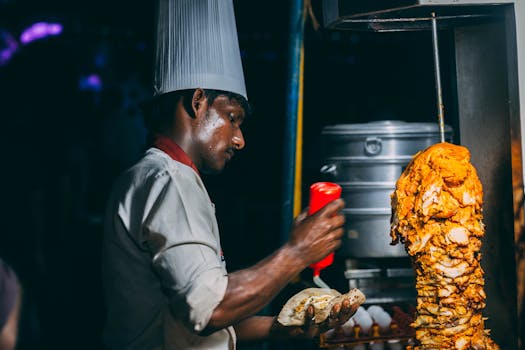
I’ll never forget my first Tacos al Pastor in Mexico City. I found a bustling stand, no English in sight, just the hypnotic spin of the vertical spit piled high with marinated pork. For about 15 pesos (less than a dollar!) per taco, I devoured three – each a perfect blend of savory pork, fresh pineapple, cilantro, and onion, served on a warm corn tortilla. It was messy, glorious, and tasted like pure joy. In Bangkok, a vibrant bowl of Pad See Ew for 50 baht ($1.50) from a cart on Yaowarat Road felt like I’d won the culinary lottery. These are not just meals; they are experiences etched into your memory.
Actionable Tip:
Don't be afraid of the language barrier. Pointing, smiling, and using Google Translate's camera feature to read menus are your best friends. A simple "thank you" (kob khun ka/krap in Thai, gracias in Spanish, cám ơn in Vietnamese) goes a long way.
Market Magic: Your Culinary Playground
Local markets are a sensory explosion and an absolute goldmine for budget-conscious foodies. From bustling wet markets overflowing with fresh produce and seafood to vibrant night markets offering ready-to-eat feasts, these are places where the heart of a community beats.
Navigating the Market Maze:
* Go Early (or Late): For fresh produce, an early morning visit is best. For prepared food, night markets come alive as the sun sets.
* Wander and Observe: Take your time. Watch what locals are buying, how they interact with vendors, and what looks most appealing.
* Engage with Vendors: Even if you don't speak the language, a smile and a nod can open doors. Many vendors are proud of their produce and happy to offer samples.
* Bring Small Bills/Coins: This makes transactions smoother and is often appreciated by vendors who may not have much change.
What to Buy & How to Eat it:
* Fresh Produce: Grab exotic fruits you’ve never seen before (dragon fruit, mangosteen, rambutan!). They're usually incredibly cheap and make for a healthy, delicious snack or breakfast.
* Local Snacks & Delicacies: Look for pre-made snacks, pastries, or small savory bites. These are perfect for trying new flavors without committing to a full meal.
* Ready-to-Eat Meals: Many markets have dedicated food sections where you can find full meals – curries, noodle dishes, grilled meats – often for a fraction of restaurant prices. I once bought an entire roasted chicken in a Peruvian market for under $5!
* Cook Your Own (If You Can!): If you're staying in an Airbnb or hostel with kitchen facilities, hitting a local market for ingredients is an incredible experience. Imagine creating a gourmet meal from fresh, local produce for just a few dollars. My partner and I once made a delicious pasta dish in Rome with market-fresh tomatoes, basil, and cheese for less than €8 total.
Anecdote:
In a small village market in Laos, I bought a bag of perfectly ripe mangoes for about $0.50. I sat on a bench, peeling and devouring them, the juice running down my chin. It was simple, pure bliss, and a moment of genuine connection with the rhythm of local life.
Actionable Tip:
Don't be afraid to try samples if offered! It's a great way to taste before you buy and discover new favorites. While bargaining is common in some markets, do so politely and with a smile, especially for larger purchases. For a handful of fruit, it’s often best to just accept the price.
Beyond the Guidebook: Unearthing Hidden Gems & Hole-in-the-Walls
The most authentic and often cheapest meals are rarely found in the glossy pages of a guidebook or on the main tourist thoroughfare. They're hidden away, tucked down side streets, or in unassuming buildings that might not even have a visible sign. These are the true "hole-in-the-wall" eateries, and they are glorious.
How to Spot an Authentic Local Eatery:
* Follow Your Nose & the Locals: This is key. If you smell something incredible wafting from a doorway, and you see locals streaming in and out, you’ve likely found a winner.
* Look for Simplicity: Often, the best places have simple decor, plastic tables and chairs, and a no-frills atmosphere. The focus is entirely on the food.
* Limited/No English Menu: This is often a strong indicator that the place caters to locals. Don't let it intimidate you! Use Google Translate or point at what others are eating.
* "Menu del Día" or Lunch Specials: In many countries (especially in Latin America and Southern Europe), local eateries offer incredible value "lunch of the day" sets. For example, Spain's Menu del Día or Colombia's Menu del Corriente often include a starter, main, drink, and sometimes dessert for a fixed, low price (e.g., $5-10). These are designed for local workers and are an absolute steal.
Ask the Experts (Locals!):
* Your Hostel Staff/Airbnb Host: They live there; they know the best spots. Ask them where they eat.
* Shopkeepers/Taxi Drivers: These people interact with the community all day. A friendly "Where's your favorite place to eat around here?" can lead to an unforgettable discovery.
* Fellow Travelers (the Savvy Ones): Strike up conversations with other backpackers or budget travelers; they often have great tips.
My Hole-in-the-Wall Discovery:
In Tokyo, a city notorious for its high prices, I stumbled upon a tiny ramen shop near my hostel. It had no English sign, just a faded red curtain and a line of salarymen spilling out the door. Intrigued, I joined the queue. Inside, the space was tiny, dominated by a counter where a chef meticulously prepared bowls of ramen. I pointed at a picture, paid about $8 (which is cheap for Tokyo!), and was served the most intensely flavorful, perfectly balanced bowl of ramen I'd ever tasted. It was a symphony of rich broth, springy noodles, tender pork, and perfectly soft-boiled egg. It wasn't just a meal; it was an authentic slice of Japanese culinary culture.
Actionable Tip:
Don't be shy! Take a chance on that unassuming place. The worst that can happen is an average meal, but the best could be a lifelong memory.
Embrace the Unknown: A Taste of True Culture
Part of eating like a local for pennies is being adventurous. Stepping out of your comfort zone and trying unfamiliar dishes is where the real magic happens.
Be Adventurous, But Smart:
* Research "Must-Try" Local Dishes: A quick Google search for "[City/Country Name] local dishes" can give you a good starting point. This helps you identify what to look for on menus (even if you don't understand the rest).
* Ask for Recommendations: If you're at a local eatery and the menu is a mystery, point to a dish someone else is enjoying and ask "What is that?" or use Google Translate.
* Try Seasonal & Regional Specialties: What's in season is often freshest and cheapest. Also, look for dishes unique to that specific town or region – these are often culinary gems.
* Don't Be Afraid to Say No: If something truly doesn't appeal, or you have dietary restrictions, it's okay to politely decline. But try to be open-minded!
Local Drinks for Local Prices:
* Coffee & Tea: Ditch the expensive chain coffees. Try local brews! Vietnamese ca phe sua da (iced coffee with condensed milk) for $1, strong Turkish tea, or a simple cafecito in Latin America for pennies.
* Fresh Juices: Many countries offer incredible fresh fruit juices for very little money. Mango, papaya, passion fruit – often blended on the spot.
* Local Beer/Wine: If you enjoy alcohol, local beers and wines are often significantly cheaper than imported options. A cold Chang in Thailand or a local pilsener in Colombia can be a refreshing and budget-friendly treat.
My Adventurous Bite:
In El Salvador, I was introduced to pupusas – thick corn tortillas stuffed with cheese, beans, or pork, grilled, and served with curtido (a fermented cabbage slaw) and salsa. I'd never heard of them before, but they were everywhere, served from humble roadside stalls. For about $0.50-$1 each, I could have a ridiculously filling and delicious meal. The first bite was a revelation – crispy, cheesy, savory, with the tangy crunch of the curtido. It became my go-to cheap eat, a truly unique taste of El Salvador that I'd have missed if I'd stuck to what I knew.
Actionable Tip:
Keep an open mind and an open palate. Some of the most memorable flavors come from the dishes you've never encountered before. Take a picture of the dish, look up the ingredients later, and learn!
Mastering the Art of the "Local Price" Game
While many local eateries already offer fantastic prices, there are still ways to ensure you're getting the best deal and avoid accidentally paying the "tourist price."
1. Observe First, Then Act:
Before ordering, discreetly observe what locals are paying. If there's a price board, check it. If not, listen for the prices being quoted to others. This gives you a baseline.
2. Where to Bargain (and Where Not To):
* Bargain in Markets & Street Stalls: This is often expected and part of the cultural experience.
* Don't Bargain in Established Restaurants/Shops: It's generally considered rude to haggle over prices in places with fixed menus or price tags.
* Be Polite and Smile: If you do bargain, do it with a friendly demeanor. Don't be aggressive or demanding. A good starting point is often to offer about 30-50% less than the initial asking price, then meet somewhere in the middle.
* Walk Away Power: Sometimes, the best negotiation is to politely say "no thank you" and walk away. If the vendor wants your business, they might call you back with a better offer.
3. Learn Basic Phrases:
Even just "How much?" (¿Cuánto cuesta? in Spanish, Bao nhiêu? in Vietnamese, Tuk-rai? in Thai) and "Too expensive" (Muy caro, Mắc quá, Paeng mak) can be incredibly useful. Knowing numbers helps too!
4. Avoid Tourist Traps:
* Restaurants with English Menus Outside & Touts: If someone is actively trying to pull you in from the street, it's usually a sign it's catering to tourists, and prices will be inflated.
* Prime Locations: Eateries directly in front of major attractions or in highly commercialized areas almost always charge more. Walk a few blocks away, down a side street, and you'll often find better quality and prices.
* Fancy Decor: While sometimes justified, elaborate decor often translates to higher prices. Simple is usually better for budget eating.
My Bargaining Lesson:
In a bustling market in Marrakech, I eyed a beautiful leather bag. The vendor quoted me a price that I knew was astronomical. I smiled, offered about a third, and started to walk away. He called me back, and after a friendly back-and-forth (and a shared cup of mint tea!), we settled on a price that was fair for both of us. It wasn't just about saving money; it was an engaging cultural interaction. This applies to food too – sometimes, a friendly negotiation for a large fruit purchase or a street snack can be part of the fun.
Actionable Tip:
Always have small denominations of local currency. It's easier for vendors, and you avoid situations where they might "not have change" for a large bill.
Your Culinary Adventure Awaits!
Eating like a local for pennies isn't just a budget hack; it's a philosophy, a way of traveling that deepens your connection to the world. It's about tasting the true essence of a place, experiencing genuine hospitality, and creating unforgettable memories that resonate far beyond the plate. From the sizzling street food of Bangkok to the hearty pupusas of El Salvador, the world is full of incredible, affordable flavors just waiting to be discovered. These are the culinary experiences you absolutely need to have before you die.
So, pack your bags, bring an adventurous spirit, and get ready to embark on the most delicious, authentic, and wallet-friendly journey of your life. Your taste buds, your travel stories, and your bank account will thank you.
Now, I want to hear from you! What's the most incredible, cheap local meal you've ever had on your travels? Share your stories and tips in the comments below – let's inspire each other to eat like locals for pennies around the globe!
---