Eat Like a Local for Pennies: The Secret Food Hacks Tourists Miss (Until Now!)
I remember my first trip to Rome. Wide-eyed and hungry, I stumbled out of the Colosseum and straight into the nearest trattoria, lured by a chalkboard promising "Authentic Roman Pasta!" Two hours and €40 later, I was still hungry, slightly disappointed, and my wallet felt significantly lighter. The pasta was fine, but it wasn't special. It wasn't the Rome I'd seen in movies, the one where nonnas cooked with love and locals lingered over espresso.
Fast forward a few years, and I found myself in a bustling back alley of Trastevere, guided by a tip from a friendly barista. There, tucked between a laundry mat and a tiny artisan shop, was a hole-in-the-wall spot serving supplì (fried rice balls) for €1.50 each. Crispy on the outside, gooey with mozzarella and rich tomato ragu on the inside – it was pure, unadulterated Roman magic. I ate three, washed them down with a €2 bottle of local beer, and felt more connected to the city than I had in a week of "fine dining." That, my friends, was the moment I truly understood: the best food, the most authentic experiences, and the biggest savings, lie just beyond the tourist radar.
This isn't just about saving money (though you'll save a lot). It's about unlocking the soul of a destination through its food. It's about tasting the real culture, meeting genuine people, and creating unforgettable memories that no five-star restaurant can ever replicate. Locals have their secrets, their favorite spots, their ingenious ways of eating incredibly well without breaking the bank. And today, I'm going to share them with you. Consider this your insider's guide to eating like a local for pennies – the secrets they don't want tourists to know.
Ready to embark on a culinary adventure that will tantalize your taste buds and keep your wallet fat? Let’s dive in!
1. The Undisputed King: Embrace the Glorious World of Street Food
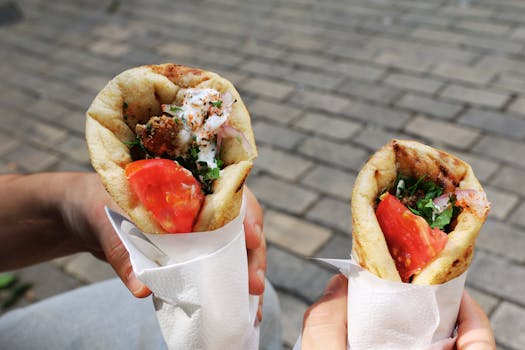
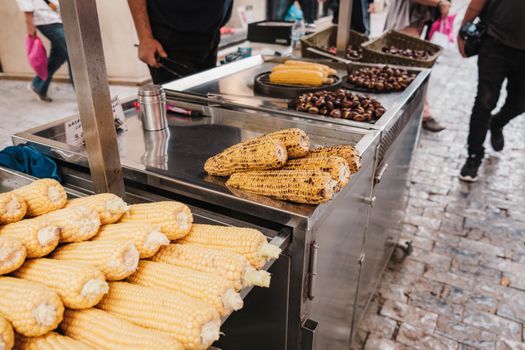
Forget white tablecloths and hushed conversations. The heart of a city's culinary scene often beats loudest on its streets. Street food isn't just cheap; it's a vibrant, delicious, and often theatrical experience that offers a direct line to local flavors and traditions.
Why Street Food Reigns Supreme:
* Authenticity: This is often the food that locals eat every day. It's unpretentious, made with fresh, seasonal ingredients, and cooked with generations of expertise.
* Price: This is where your pennies truly shine. A full, satisfying meal on the street can cost as little as $1-5 USD in many parts of the world.
* Variety: From savory skewers to sweet crepes, noodle soups to stuffed pastries, the options are endless and constantly changing.
* Speed: Perfect for a quick, delicious bite on the go while you're exploring.
How to Master the Street Food Scene:
* Follow the Crowds: This is your golden rule. A bustling stall with a long line of locals is a strong indicator of freshness, popularity, and deliciousness. Avoid empty stalls unless they're just opening.
* Look for High Turnover: Stalls that are constantly cooking and serving mean ingredients aren't sitting around getting old. Freshness is key for both taste and safety.
* Observe Hygiene (Discreetly): While street food isn't always spotless, you can still look for common sense indicators: clean surfaces, cooks wearing gloves (if applicable), fresh oil, and well-maintained equipment.
* Be Adventurous (But Smart): Try new things, but if you have a sensitive stomach, ease into it. Start with cooked dishes and peeled fruits.
* Learn a Few Local Phrases: Even "hello," "thank you," and "one of these, please" can go a long way in building rapport and sometimes getting a better experience.
My Personal Street Food Hauls:
* Bangkok, Thailand: I once devoured a plate of Pad See Ew (wide rice noodles stir-fried with chicken and Chinese broccoli) from a street vendor near the Khao San Road area for just 50 Baht (approx. $1.50 USD). It was smoky, savory, and perfectly balanced – a meal I still dream about. Don't forget the mango sticky rice for dessert, often just 30-60 Baht.
* Mexico City, Mexico: My go-to was tacos al pastor. These succulent pork tacos, shaved from a vertical spit and topped with pineapple, cilantro, and onion, are a revelation. You can get three or four for 30-50 Mexican Pesos (approx. $1.50-2.50 USD) from a good taquería cart.
* Hanoi, Vietnam: The iconic Phở Bò (beef noodle soup) from a sidewalk stall, often served on tiny plastic stools, is an absolute must. For 30,000-50,000 VND (approx. $1.20-2.00 USD), you get a steaming bowl of fragrant broth, tender beef, and fresh herbs. Pure bliss.
Snap photos of the vibrant stalls, the colorful dishes, and the bustling atmosphere – your Instagram followers will be drooling!
2. Market Maven: Your Passport to Freshness and Unbeatable Value
Beyond the ready-to-eat street food, local markets are a treasure trove for budget-conscious foodies. These aren't just places to buy groceries; they're often community hubs where you can find incredible prepared foods, fresh produce, and unique local delicacies at prices far below what you'd pay in a restaurant.
Unlocking Market Magic:
* Farmers' Markets & Wet Markets: Seek out the ones where locals actually shop. Avoid the overly polished, tourist-centric markets that have high markups. Ask your hostel staff or a local shopkeeper for their favorite "real" market.
* Prepared Food Stalls: Many markets feature stalls selling hot, ready-to-eat meals. Think skewers, empanadas, dumplings, fresh salads, and soups. These are often made with the freshest market ingredients and are incredibly affordable.
* Picnic Perfection: Grab fresh bread, local cheeses, cured meats, olives, and seasonal fruits from different vendors. Assemble your own gourmet picnic for a fraction of restaurant cost and enjoy it in a beautiful park or by a scenic landmark.
* Haggle (When Appropriate): In some cultures, polite haggling is expected, especially towards the end of the day. Start with a friendly smile and a lower offer, but always be respectful. If prices are clearly marked, don't haggle.
My Market Discoveries:
* Barcelona, Spain (with a caveat): While La Boqueria is famous, it's become a major tourist trap. Instead, I ventured to Mercat de Sant Antoni or Mercat de la Llibertat. At Sant Antoni, I found an amazing stall selling freshly carved jamón serrano and local cheeses for a fraction of the cost you’d find on La Rambla. I assembled a feast for €7-10 that would have cost three times that in a restaurant.
* Florence, Italy: Mercato Sant'Ambrogio is less touristy than Mercato Centrale. Here, I’ve snagged incredible focaccia with local ham and cheese for €4-5, and a small bottle of local wine for another €3. The atmosphere is electric, and the food is pure Tuscan bliss.
* Luang Prabang, Laos: The Morning Market is a sensory overload. I bought a huge bag of exotic fruits (mangosteen, rambutan) for less than $2 USD and a delicious sticky rice and grilled pork skewer for $1. It was simple, fresh, and utterly delicious.
Don't forget to capture the vibrant colors, the bustling energy, and the unique produce – market photos are always a hit!
3. Lunch is the New Dinner: The Midday Meal Magic
This is perhaps one of the most consistently overlooked budget hacks. In many cultures, lunch is a substantial meal, and restaurants offer incredible deals that simply don't exist in the evening.
The "Menu del Día" Phenomenon:
* "Menu del Día," "Plat du Jour," "Business Lunch," "Set Lunch": These are your magic words. Many restaurants, even upscale ones, offer a fixed-price, multi-course lunch menu that is significantly cheaper than their dinner offerings.
* What You Get: Often includes an appetizer, main course, dessert, and sometimes even a drink (wine, beer, or water).
* Quality for Less: You're getting the same quality of ingredients and cooking from the same kitchen, just at a fraction of the price.
My Midday Feasts:
* Spain: The Menu del Día is legendary. In Seville, I once had a three-course meal with wine and bread at a charming local restaurant for €12. It included a fresh gazpacho, perfectly grilled fish with vegetables, and a creamy flan for dessert. Had I ordered the same à la carte at dinner, it would have been €30+.
* France: Look for the "Formule Midi" or "Plat du Jour." In a small bistro in Lyon, I enjoyed a hearty main course and a decadent dessert for €15, a meal that easily would have been €30-40 in the evening.
* Japan: Teishoku (set meals) are common for lunch. For ¥800-1500 (approx. $5-10 USD), you can get a balanced meal with a main dish (fish, tempura, tonkatsu), rice, miso soup, and pickles. I’ve had some of my best Japanese meals this way.
Plan your main meal for lunch, and then opt for a lighter, cheaper dinner like street food, market finds, or a picnic. Your taste buds and your wallet will thank you.
4. Beyond the Main Drag: Venture Off the Beaten Path
Tourist traps are called "traps" for a reason. They're often located right next to major attractions, have inflated prices, mediocre food, and aggressive touts. To truly eat like a local, you need to escape the gravitational pull of the main squares and famous landmarks.
How to Find the Real Gems:
* Walk a Few Blocks: Even just two or three blocks away from a major tourist site can lead you to vastly different (and better) restaurants. The further you go, the more authentic and affordable it usually gets.
* Observe Locals (Again!): Look for places packed with local families, workers on their lunch breaks, or groups of friends chatting loudly. If you see only tourists, keep walking.
* Look for Subtle Clues:
* No English Menu (or a poorly translated one): A good sign it caters to locals.
* Simple Decor: Often, the best local spots aren't fancy. Worn tables, plastic chairs, and unassuming exteriors can hide culinary gold.
* Handwritten Specials: A chalkboard with daily specials in the local language indicates fresh, seasonal ingredients.
* Google Maps & Local Apps: Search for restaurants using the local language (e.g., "ristorante Roma" instead of "restaurants Rome"). Look at photos and reviews, prioritizing ones from local guides or non-English speakers. Zoom in on residential areas.
* "Alimentari" or "Epicerie" (Deli/Grocery): In Italy or France, these small shops often make incredible sandwiches or offer prepared foods for takeaway at fantastic prices.
My Off-the-Beaten-Path Treasures:
* Rome, Italy: After my initial Colosseum flop, I learned. Wandering through the residential streets near Piazza Vittorio Emanuele II, I found a tiny, family-run pizzeria al taglio (pizza by the slice) where a massive, delicious slice of pizza cost €2-3. It was crisp, flavorful, and a world away from the soggy, overpriced slices near the Pantheon.
* Lisbon, Portugal: Instead of the crowded spots in Baixa, I explored the Alfama district's winding alleys. I stumbled upon a small tasca (traditional Portuguese tavern) where a hearty bowl of Caldo Verde (potato and kale soup) and a grilled sardine dish cost me €8-10. The owner barely spoke English, but the food spoke volumes.
* Berlin, Germany: Beyond the touristy currywurst stands, I ventured into Kreuzberg and found a Turkish bakery selling amazing Börek (flaky pastry with cheese or spinach) for €2-3 and fresh baklava for even less. It was a delicious, multicultural experience.
Don't be afraid to get a little lost. Some of the best food memories come from unexpected discoveries down quiet side streets.
5. Befriend a Local (or Pretend To): The Power of Asking
Sometimes, the best food hacks come directly from the source: the locals themselves. But you need to know who to ask and how to ask.
Who to Ask & How:
* Avoid Concierges: Hotel concierges often have deals with tourist-centric restaurants or receive commissions.
* Ask Non-Tourist Facing Staff:
* Baristas: They know the neighborhood's best breakfast and lunch spots.
* Shopkeepers: Owners of small, independent shops (boutiques, bookstores, bakeries) are often proud of their local area and happy to share.
* Taxi/Ride-Share Drivers: They drive all over the city and usually have strong opinions on where to eat.
* Hostel Staff (if applicable): Especially if it's a smaller, locally-run hostel.
* Learn Key Phrases: A simple "Do you have a favorite local spot for [dish type]?" or "Where do you eat lunch?" in their language (or a polite attempt) can open doors.
* Spanish: "¿Dónde comen los locales?" (Where do the locals eat?) or "¿Cuál es su restaurante local favorito?"
* French: "Où mangent les locaux?" or "Quel est votre restaurant préféré ici?"
* Italian: "Dove mangiano i locali?" or "Qual è il suo ristorante preferito?"
* Be Specific: Instead of "cheap food," ask for "authentic [local dish]" or "best street food."
My Local-Led Discoveries:
* Chiang Mai, Thailand: I asked the owner of a small guesthouse where she went for Khao Soi (Northern Thai curry noodle soup). She pointed me to a tiny, nondescript eatery just around the corner. The Khao Soi was rich, creamy, and spicy – the best I'd ever tasted, and it cost me 40 Baht (just over $1 USD). I never would have found it on my own.
* Budapest, Hungary: A friendly bartender recommended a small kürtőskalács (chimney cake) stand tucked away in a courtyard, far from the main tourist drag. It was freshly baked, warm, and coated in cinnamon sugar for 900 HUF (approx. $2.50 USD), half the price of the ones near the Chain Bridge.
* Dublin, Ireland: My Airbnb host told me about a fantastic carvery lunch at a local pub outside the city center. For €10-12, I got a massive plate of roast meat, potatoes, and vegetables – a hearty, authentic Irish meal that kept me full all day.
Locals are often delighted to share their city's secrets with genuinely curious travelers. It’s a fantastic way to connect and get truly authentic recommendations.
6. Supermarket Savvy & Picnic Perfection
Sometimes, the best way to eat like a local for pennies is to skip the restaurant entirely and head straight to the supermarket or a local alimentari (deli/grocery store).
The Supermarket Strategy:
* Breakfast & Snacks: Save a fortune by buying local bread, pastries, yogurt, fruit, and coffee for breakfast. A croissant and coffee in Paris from a boulangerie and then eaten in your accommodation will be a fraction of the price of a café.
* DIY Lunch/Dinner: Grab local cheeses, cured meats, fresh produce, olives, and a bottle of wine. Head to a beautiful park or a scenic spot and enjoy a truly memorable (and cheap) picnic. This is especially fantastic in Europe.
* Local Delicacies: Supermarkets are great places to discover local snacks, sweets, and drinks that you might not find elsewhere.
* Water & Drinks: Buying large bottles of water and other beverages from supermarkets will save you a ton compared to buying them from convenience stores or tourist kiosks.
My Supermarket Splurges (that felt like steals):
* Paris, France: A baguette from a local boulangerie (€1), a block of delicious camembert (€3), a packet of cured ham (€2.50), and a bottle of decent red wine (€5) from a Monoprix. A picnic by the Seine for two, costing less than €12-15, was infinitely more romantic and memorable than any overpriced bistro.
* Rome, Italy: I'd often pop into a small alimentari for a panino (sandwich) made to order with fresh mortadella, provolone, and sun-dried tomatoes on crusty bread for €4-5. Paired with a cheap local soda, it was the perfect fuel for exploring.
* Reykjavik, Iceland (where everything is expensive!): Even here, I saved a fortune by hitting up the Bonus supermarket (the one with the pink pig logo). I bought skyr (Icelandic yogurt), local bread, cheese, and smoked salmon for breakfast and snacks. This cut my daily food budget by at least 50% in a notoriously pricey country.
This hack is not only budget-friendly but also offers a wonderful opportunity to experience the local pace of life and enjoy your meals in stunning outdoor settings.
7. Embrace the Unexpected & Be Open
Finally, the most important "secret" of all: approach your culinary journey with an open mind, a sense of adventure, and a willingness to step outside your comfort zone. The best food experiences are often the ones you didn't plan for.
- Try Everything (Within Reason): Don't dismiss a dish because it looks unfamiliar or has ingredients you don't usually eat. You might discover your new favorite food!
- Learn Basic Food Etiquette: A quick Google search on local dining customs (e.g., using chopsticks, eating with your hands, tipping culture) can prevent awkward moments and show respect.
- Don't Be Afraid to Get it Wrong: You might order something you don't like, or end up in a less-than-stellar spot. It's all part of the adventure! These moments often make for the best stories.
- Engage with Vendors: A smile, a nod, or a simple "delicious!" (in the local language) can lead to friendly interactions, extra servings, or even a deeper insight into the local culture.
My most memorable food moments have often come from these unexpected encounters. Like the time I shared a tiny table with an elderly couple in a ramen shop in Kyoto, communicating only through smiles and gestures, or when a street vendor in Vietnam insisted I try a strange-looking fruit for free just because I showed interest. These are the moments that truly make travel special.
Your Culinary Adventure Starts Now!
Eating like a local for pennies isn't just a budget hack; it's a philosophy of travel. It's about immersion, discovery, and truly connecting with the heart and soul of a destination. It's about ditching the tourist traps and embracing the authentic, delicious, and incredibly affordable world that locals cherish.
So, next time you plan a trip, put down that guide to fancy restaurants. Instead, lace up your walking shoes, charge your phone (for Google Maps and those Instagram-worthy shots!), and prepare to embark on a culinary adventure that will change the way you travel forever. Your taste buds will sing, your wallet will rejoice, and you'll come home with stories that no expensive meal could ever buy.
Now it's your turn! What are your favorite budget food hacks from your travels? Share your tips and personal stories in the comments below! Let's build the ultimate community guide to eating like a local for pennies.
---