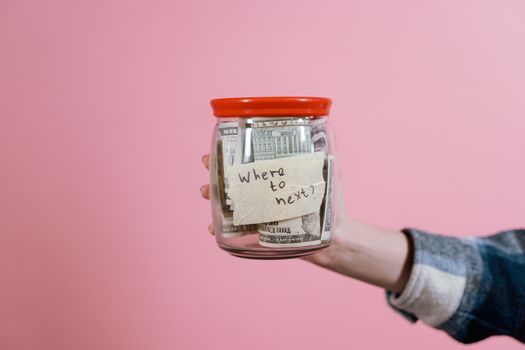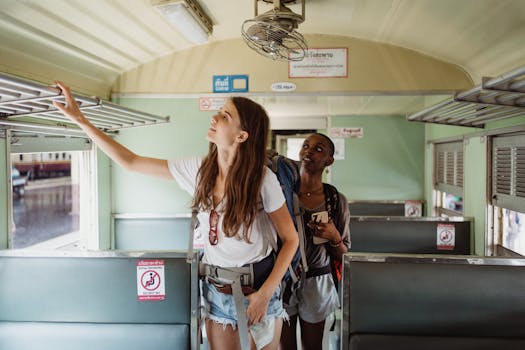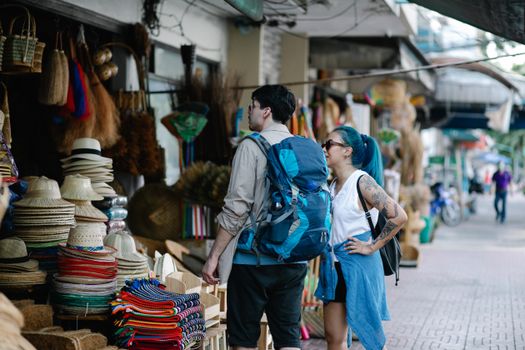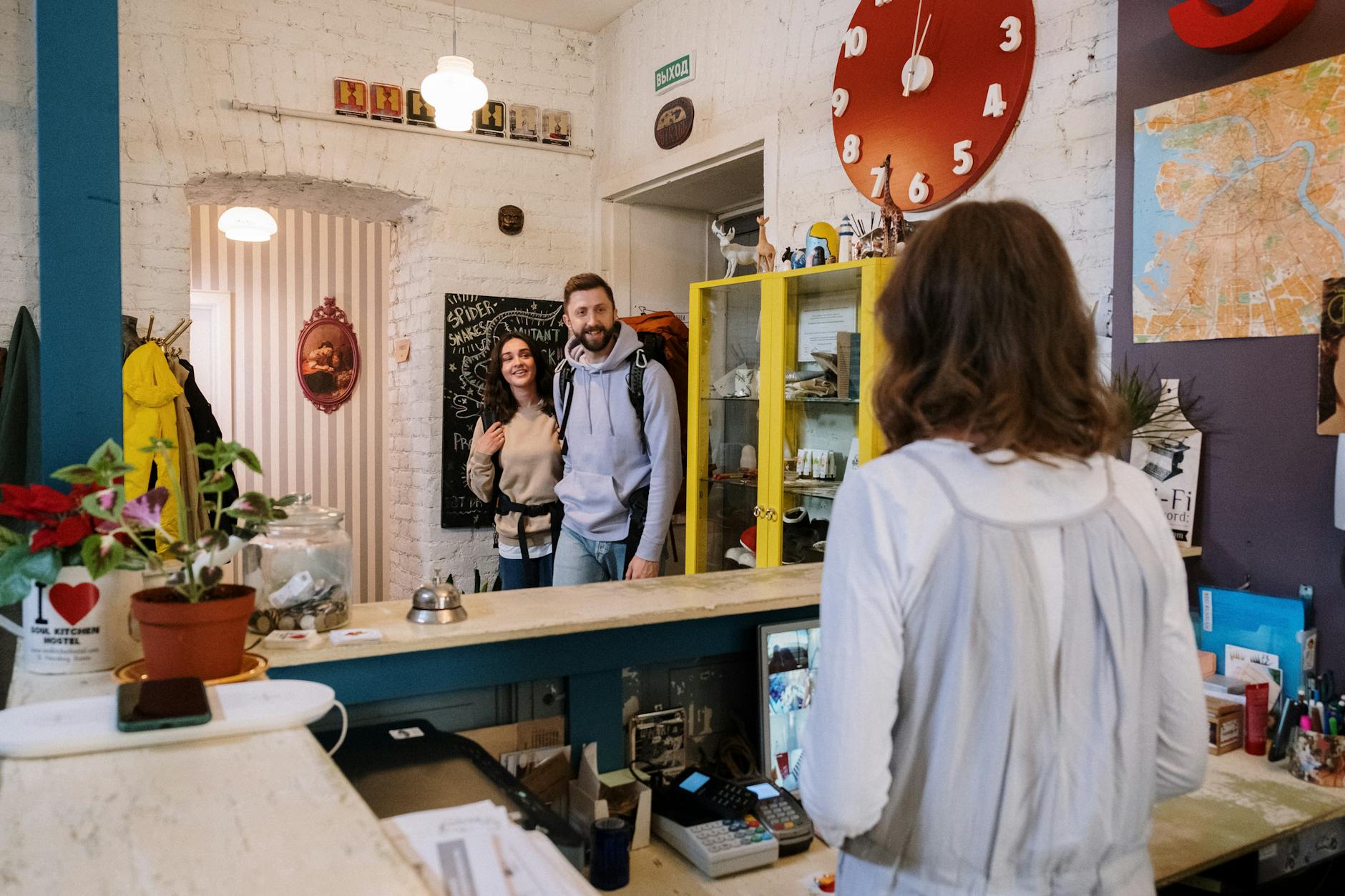
Alright, fellow wanderlusters, let's get real for a minute. I’ve been there. We’ve all been there. That moment when you’re standing in a bustling square, clutching an overpriced souvenir, munching on mediocre food, and watching a "traditional" performance that feels about as authentic as a three-dollar bill. You look around at the sea of other tourists, all doing the exact same thing, and a little voice in your head whispers, "Is this... it? Is this what I flew thousands of miles for?"
My moment of reckoning came in Venice. My first time, a starry-eyed newbie, I fell head over heels for the romance of St. Mark's Square. I shelled out a small fortune for a gondola ride that lasted precisely twelve minutes, ending with a "serenade" that was less operatic and more off-key mumbling. I then paid €15 for a tiny slice of pizza near the Rialto Bridge that tasted like cardboard. Don't even ask about the "authentic Murano glass" trinket I bought for a ridiculous sum, only to find the exact same thing (stamped "Made in China") at a market back home.
I felt... duped. And honestly, a little foolish. But that experience wasn't a failure; it was a powerful lesson. It ignited a fire in me to never again fall victim to the tourist trap. It propelled me to learn how to travel like a pro, to seek out the real heart and soul of a destination, to find those truly unforgettable experiences you need to have before you die. And trust me, once you master this art, your travels will never be the same.
This isn't just about saving a few bucks (though you absolutely will!). It's about unlocking genuine cultural immersion, connecting with locals, discovering hidden gems, and creating memories that are rich, meaningful, and truly your own. So, ditch the crowded, overpriced clichés and let's dive into how you can avoid tourist traps like a seasoned pro.
The Art of Pre-Trip Reconnaissance: Your Digital Detective Toolkit
Before your boots even hit the ground, your adventure begins. The internet is a double-edged sword: it can lead you straight to the traps, or it can be your most powerful weapon against them. The key is knowing how to wield it.
1. Go Beyond the First Page of Google:
Everyone searches "things to do in [city name]." That's exactly what tour operators and tourist trap purveyors want you to do. Instead, dig deeper.
* Local Blogs & Forums: Search for "[city name] local blog," "[city name] best kept secrets," or "[city name] what locals do." Look for blogs written by residents, not just travel agencies. Forums like Reddit (e.g., r/travel, r/[city name]) are goldmines for unfiltered advice and specific questions. I once found an incredible, family-run trattoria in Rome's Testaccio neighborhood through a Reddit thread, completely off the main tourist circuit, serving the most divine cacio e pepe for a fraction of the price of places near the Colosseum. The owner even shared his secret ingredient!
* Instagram & TikTok (Wisely): Don't just follow the popular hashtags. Seek out local creators. Look for geotags of specific, lesser-known neighborhoods. See what they are eating, where they are hanging out. But a word of caution: if a spot is suddenly blowing up on TikTok, it might already be losing its authenticity. Be an early adopter, not a follower of the masses.
* Google Maps & Street View: This is my secret weapon. Before I go, I "walk" the streets on Google Street View, especially around my accommodation and potential attractions. I look for local businesses, small cafes, non-chain restaurants, and signs written in the local language. If every shop sign is in English and advertising "authentic souvenirs," red flags should be flying.
2. Time Your Visit Like a Ninja:
Crowds are the lifeblood of tourist traps. Avoid them.
* Off-Peak Season: This is obvious but often overlooked. Visiting Paris in November or Kyoto in February means fewer crowds, often lower prices, and a more authentic feel. You might sacrifice perfect weather, but you gain so much more.
* Off-Peak Hours: Even in high season, you can beat the rush. Want to see the Mona Lisa without a thousand selfie sticks? Go right when the Louvre opens or an hour before closing. Want to experience the Trevi Fountain's magic? Go at sunrise. I once had the entire Pantheon almost to myself at 7 AM in Rome, bathed in the soft morning light – an experience that felt sacred and truly mine, far superior to jostling with hundreds at midday.
Mastering the Local Interaction: Your Gateway to Authenticity
Once you're on the ground, your biggest asset isn't your guide book; it's the people who call this place home.
1. Learn Basic Phrases (Seriously!):
A simple "hello," "please," "thank you," and "do you speak English?" in the local language goes an incredibly long way. It shows respect, breaks down barriers, and often unlocks a warmer, more helpful interaction. In Marrakech, after struggling with a pushy vendor in the main Jemaa el-Fnaa square, I wandered into a quieter side street. A small artisan workshop caught my eye. I greeted the elderly craftsman in basic Darija, and his face lit up. We had a broken but beautiful conversation, and I ended up buying a stunning, unique leather wallet at a fair price, directly from the maker, with a cup of mint tea to seal the deal. That's an experience you can't buy in a souvenir shop.
2. Ask the Right People the Right Questions:
* Hotel/Hostel Staff (Cautiously): They can be helpful, but remember they might have affiliations. Ask, "Where do you go for dinner?" or "Where do you buy groceries?" rather than "What's a good restaurant nearby?"
* Shop Owners & Baristas: The local coffee shop owner, the person running the corner store – these are your goldmines. They live and breathe the neighborhood. "I'm looking for a place to eat that's not for tourists, where locals go," is my go-to line.
* Avoid Taxi Drivers (for recommendations): While some are genuinely helpful, many are incentivized to take you to specific, overpriced establishments. Trust your gut and your research over a taxi driver's "best restaurant in town."
* Be Approachable: Smile, make eye contact, be open to conversation. Sometimes, the best tips come from an unexpected chat on a park bench or in a queue.
3. Spot the Red Flags in Real-Time:
* Aggressive Tout/Sales Pitch: If someone is practically dragging you into their shop or restaurant, run. Genuine quality speaks for itself.
* Menus in 5+ Languages (with photos): A dead giveaway for a tourist trap. Local eateries often have menus in the local language (maybe English), and they rarely need glossy photos of every dish.
* "Traditional" Performances on Demand: If a "traditional" dancer or musician appears out of nowhere specifically for your group, it's likely staged and overpriced. Seek out genuine local festivals, community events, or established cultural venues.
* "Free" Gifts/Tours: Often a prelude to a high-pressure sales pitch. Nothing is truly free.
Decoding the "Authenticity" Myth: What Real Local Experiences Look Like
Authenticity isn't a commodity you can buy; it's an environment you immerse yourself in. It’s about experiencing life as locals do, not as a curated show for visitors.
1. Eat Where the Locals Eat:
This is perhaps the easiest and most delicious way to avoid traps.
* Markets: Forget the fancy restaurants near major attractions. Head to a local food market (like Chatuchak Weekend Market in Bangkok or La Boqueria in Barcelona, but then venture beyond the main tourist-facing stalls). This is where you'll find incredible, fresh, cheap, and authentic food. Look for stalls with long lines of locals.
* Street Food: In many cultures, street food is the cuisine. Don't be afraid to try it (just use common sense for hygiene). The best pad thai I ever had was from a tiny cart in a Bangkok alley, not a restaurant on Khao San Road.
* Small, Unassuming Restaurants: The best spots often don't have flashy signs or prime locations. They're tucked away, perhaps a bit worn, but buzzing with local chatter. In Lisbon, I once stumbled upon a tiny, non-descript tasca down a cobbled alley. There was no menu, just a chalkboard with the day's specials. The owner barely spoke English, but the grilled sardines and house wine were sublime, and the atmosphere was pure, unadulterated Portugal.
2. Wander Off the Beaten Path (Safely):
* Neighborhoods, Not Just Landmarks: Instead of just visiting the Eiffel Tower, spend an afternoon exploring Le Marais or Montmartre (but avoid the main tourist drag there too!). In Rome, after seeing the Colosseum, venture into Trastevere for its charming, winding streets and local vibe.
* Public Transport: Ditch the hop-on-hop-off bus. Take the local bus, metro, or tram. It's cheaper, gives you a glimpse into daily life, and takes you to areas tourists rarely see. Plus, navigating public transport in a foreign city is an adventure in itself!
* Seek Out Green Spaces: Parks and gardens are often local gathering spots. They offer a peaceful respite and a chance to observe local life unfold.
3. Embrace Cultural Activities, Not Just "Shows":
* Cooking Classes: A fantastic way to learn about local cuisine and culture directly from a local. In Chiang Mai, I took a cooking class where we went to a local market first, learned about ingredients, and then prepared a feast. It was hands-on, educational, and delicious.
* Local Festivals & Events: Research if any local festivals, parades, or community events are happening during your visit. These are genuine celebrations and offer incredible insight into the culture.
* Museums & Galleries (Beyond the Mainstream): While world-famous museums are a must, also seek out smaller, specialized museums or local art galleries that showcase regional artists and history.
Navigating the Digital Landscape: Apps, Reviews & Social Media
The digital world can be your guide, but you need to know how to interpret its signals.
1. Leverage Review Sites (with a Grain of Salt):
TripAdvisor, Yelp, Google Reviews – they all have their place. But remember:
* Look for patterns: If multiple reviews mention "authentic," "local," "hidden gem," and aren't from one-time reviewers, it's a good sign.
* Filter by Language: Read reviews written in the local language (use Google Translate if needed). Locals often have different criteria and expectations than tourists, providing a more accurate picture.
* Beware of "Influencer" Reviews: If a place is suddenly plastered across every travel influencer's feed, it might be more about aesthetics than substance, and likely overpriced.
* Look at the Bad Reviews: Sometimes a "bad" review from a tourist ("too loud," "no English menu," "not enough vegetarian options") can actually be a positive indicator that it's a truly local spot!
2. Essential Apps for the Pro Traveler:
* Google Maps (Offline): Download offline maps for navigation without data. Use it to find bus routes, walk to those hidden eateries, and avoid getting lost.
* Translation Apps: Google Translate or DeepL are lifesavers for communicating with locals and understanding menus.
* Local Ride-Sharing/Taxi Apps: If available (e.g., Grab in Southeast Asia, Uber/Bolt in many cities), use them. They offer transparent pricing and avoid common taxi scams. My first night in Hanoi, I nearly got scammed by a meter-rigging taxi. After that, Grab was my best friend – fixed prices, no haggling, and a clear route.
* Currency Converter: Always know the real exchange rate.
The Budget Traveler's Secret Weapon: Saving Money, Gaining Value
Avoiding tourist traps isn't just about authenticity; it's intrinsically linked to budget travel. Traps are designed to extract maximum money for minimum value.
1. Eat Smart, Not Just Cheap:
* Picnics: Grab local produce, cheeses, bread, and wine from a market or supermarket and have a picnic in a beautiful park. It's incredibly authentic, delicious, and budget-friendly. Imagine a baguette, brie, and a bottle of vin rouge under the Eiffel Tower – far better than a €30 tourist menu.
* Lunch Deals: Many restaurants, even upscale ones, offer more affordable lunch menus (prix fixe) than dinner.
* Cook Your Own Meals: If your accommodation has a kitchen, hit up local grocery stores. This is a fantastic way to immerse yourself in local food culture and save a fortune.
2. Accommodation Beyond the Main Drag:
* Stay in Local Neighborhoods: Instead of right next to the Colosseum, consider a charming Airbnb or boutique hotel in a more residential area. You'll often find better value, more authentic local businesses, and a quieter experience.
* Hostels: Don't dismiss them! Many offer private rooms, and their common areas are great for meeting other travelers and sharing tips (often the best kind of tips!).
3. Free Activities Are Your Best Friends:
* Walking Tours (Free/Tip-Based): Many cities offer free walking tours (you tip the guide what you think it was worth). These are fantastic for getting an overview, learning history, and getting local recommendations.
* Parks, Public Gardens, Viewpoints: Often offer stunning views and a chance to relax without spending a dime.
* Window Shopping & People Watching: Simply wandering through a local neighborhood, observing daily life, and soaking in the atmosphere is an invaluable experience.
Embracing the Unexpected (Safely): The Joys of Getting a Little Lost
Sometimes, the best experiences aren't planned at all. They happen when you let go, trust your intuition, and allow yourself to get a little bit lost.
1. The "Turn Left Here" Rule:
After visiting a major landmark, instead of following the crowds to the obvious next spot, make an arbitrary turn down a less-traveled street. See what you discover. This is how I found a hidden courtyard cafe in Venice, far from St. Mark's, where elderly locals played cards and the coffee was perfect.
2. Be Open to Spontaneity: If a local invites you for a coffee, or you stumble upon a small, impromptu street performance, embrace it! These are the moments that truly make a trip memorable.
3. Safety First: While embracing the unexpected, always prioritize safety.
* Trust Your Gut: If a situation feels off, it probably is.
* Inform Someone: Let a friend or family member know your general whereabouts, especially if you're venturing far off the grid.
* Stay Aware: Keep an eye on your surroundings, especially in crowded areas or at night.
The Ultimate Reward: Experiences You'll Cherish Forever
Avoiding tourist traps isn't just a strategy; it's a mindset. It's about being an active participant in your travels, not just a passive observer. It's about seeking out genuine connections, savoring authentic flavors, and discovering the true essence of a place.
Imagine watching the sunrise over the ancient temples of Bagan, Myanmar, from a quiet, less-known spot, sharing the moment with just a handful of locals, rather than jostling with hundreds at the "prime" viewpoint. Or finding a tiny, family-run izakaya in Tokyo, where the ramen is made with generations of love, instead of a chain restaurant in Shibuya Crossing. These are the experiences that stick with you, the stories you'll tell for years, the ones that transform a simple vacation into a life-altering adventure. These are the experiences you absolutely need to have before you die.
So, next time you plan a trip, don't just book a flight and a hotel. Become a travel detective. Be curious. Be brave. Be open. And most importantly, be present. Your future self will thank you for it.
Now it's your turn! What's the best local secret you've ever uncovered? Share your tips in the comments below and let's build a community of pro travelers who know how to truly experience the world! And don't forget to share this guide with your travel squad – let's help everyone ditch the traps and embrace authentic adventure!