Ancient Trades: My 1-Day Journey That Changed Everything!
There’s a common narrative among travelers, isn't there? We land in a new city, consult our meticulously planned itineraries, and dutifully check off the "must-sees." The iconic monuments, the bustling markets, the renowned museums – each a snapshot for our social feeds, a story for our friends back home. For years, this was my travel mantra. I’d seen the Eiffel Tower sparkle, walked the Great Wall, and marveled at the pyramids. Yet, despite the endless wonders, a subtle unease began to creep in. Was I truly connecting with these places, or merely observing them from behind a camera lens?
The answer, I slowly realized, was often the latter. I was a tourist, a consumer of experiences, but not a participant. My travels, while spectacular on the surface, lacked a deeper, more visceral engagement. I yearned for authenticity, for a tangible link to the cultures I was so privileged to visit. And then, quite by accident, I stumbled upon a revelation that would fundamentally transform my entire approach to travel: the magic of ancient trades.
It began on a whim in a dusty alleyway in Fes, Morocco. Instead of another guided tour, I found myself drawn to the rhythmic thump-thump-thump of a small workshop. What started as curiosity quickly evolved into a profound, life-altering journey. I discovered that in countless corners of the world, ancient crafts, passed down through generations, weren't just relics of the past – they were living, breathing traditions, and many could be learned, or at least intimately experienced, in just a single day. These weren't just workshops; they were portals to understanding, to patience, to a different way of seeing the world. They didn’t just teach me a skill; they taught me about myself, about human ingenuity, and about the enduring spirit of craftsmanship.
Here are five ancient trades I’ve had the immense privilege to learn (or deeply explore) in a day, each leaving an indelible mark on my soul and forever changing how I travel.
1. The Earth in My Hands: Pottery in Fes, Morocco
My first foray into ancient trades was, as mentioned, in the labyrinthine medina of Fes. The city itself feels like a living museum, a place where time has slowed, and traditions thrive. Beyond the famous tanneries, Fes is renowned for its ceramics. I'd always admired Moroccan pottery – the intricate geometric patterns, the vibrant blues and greens, the sheer artistry. But to actually make it? The thought was thrilling.
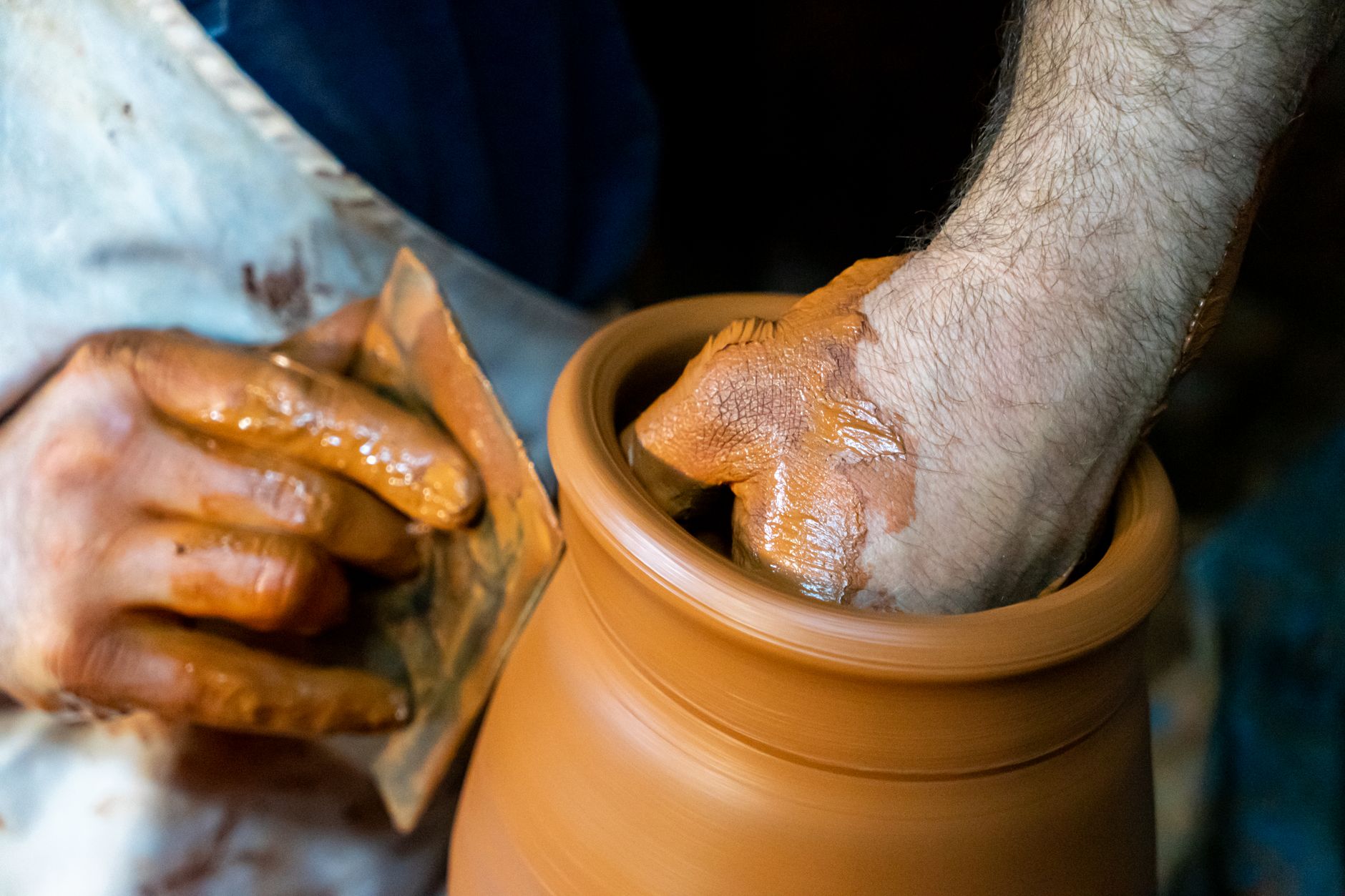
I found a small, family-run workshop tucked away from the main thoroughfare. There was no fancy sign, just a humble entrance and the inviting scent of damp clay. The artisan, a kind man named Abdul, spoke little English, but his hands, calloused and wise, spoke volumes. For a full afternoon, he guided me through the basics of the potter's wheel. It wasn't about perfection; it was about the process. The feel of the wet clay spinning, the challenge of centering it, the delicate pressure required to coax it upwards into a rudimentary bowl. My first attempts were wobbly, collapsing messes, eliciting gentle chuckles from Abdul. But with each try, I felt a deeper connection to the earth, to the raw material, and to the generations of craftspeople who had done this exact same thing for centuries.
The Transformation:
Beyond the tangible (a lopsided but proud little bowl I now cherish), this experience taught me immense patience and humility. It stripped away my need for instant gratification and forced me to slow down, to feel, to listen to the material. It was a meditation in motion, a reminder that beauty often emerges from imperfection and perseverance. I left not just with a piece of pottery, but with a profound respect for the hands that shape the world around us.
Practical Details:
* Location: Fes, Morocco (many workshops in the medina and Ain Nokbi pottery quarter).
* Duration: Half-day (3-4 hours) to full-day.
* Price: Typically 300-600 MAD (approx. $30-60 USD) depending on the workshop, materials, and duration. Often includes tea and a small snack.
* How to Find: Ask your riad host, local guides, or simply wander through the pottery quarter and look for active workshops. Many will be happy to accommodate walk-ins or short-notice bookings.
* Instagram-Worthy Moment: A close-up shot of your hands covered in clay on the spinning wheel, or your proud, albeit imperfect, first creation. The vibrant colors of the finished pottery in the workshop make for stunning backdrops.
2. The Alchemy of Color: Indigo Dyeing in Chiang Mai, Thailand
From the earthy tones of clay, my journey led me to the vibrant world of natural dyes in Northern Thailand. Chiang Mai, known for its temples and bustling night markets, also holds a secret: a rich tradition of textile arts, particularly indigo dyeing. I'd always been fascinated by the deep, almost mystical blue of indigo, but I had no idea of the intricate, ancient process behind it.
I booked a one-day workshop at a small farm outside the city, a peaceful oasis where the air smelled of fresh leaves and fermentation. Our instructor, a soft-spoken woman named Noi, explained the magic of the indigo vat. It wasn't just a dye; it was a living organism, a delicate balance of plant matter, ash, and water, carefully nurtured for weeks. We learned various Shibori techniques – folding, tying, and clamping fabric to create intricate patterns before dipping it into the mesmerizing green-blue liquid. The most astonishing part was watching the fabric emerge from the vat, a pale green, only to slowly transform into brilliant indigo blue as it oxidized in the air. It felt like true alchemy.
The Transformation:
This experience was a powerful lesson in natural processes and patience. It highlighted the beauty of sustainable practices and the ingenuity of ancient cultures who harnessed nature's bounty. I gained a deep appreciation for the clothes we wear, understanding the labor and artistry that can go into a simple piece of fabric. It made me question fast fashion and seek out ethically produced textiles.
Practical Details:
* Location: Chiang Mai, Thailand (many farms and eco-tourism centers offer workshops outside the city center, e.g., Studio Naenna, The Craft Studio).
* Duration: Full-day (6-8 hours), often including lunch.
* Price: 1,500-3,000 THB (approx. $45-90 USD), usually includes all materials and takes home a scarf or t-shirt.
* How to Find: Search "indigo dyeing workshops Chiang Mai" online, check Airbnb Experiences, or ask at local guesthouses. Booking in advance is recommended.
* Instagram-Worthy Moment: Holding up your freshly dyed, still-green fabric as it transforms to blue in the sunlight, or a flat lay of your finished Shibori patterns. The lush green surroundings of the farm provide a serene backdrop.
3. The Soul of a Nation: Traditional Pasta Making in Florence, Italy
Italy. The land of art, history, and, perhaps most importantly, food. While not a "trade" in the sense of crafts, traditional pasta making is an ancient culinary art, a cornerstone of Italian culture passed down through generations. I’d eaten countless plates of pasta, but I’d never truly understood the soul behind it until I spent a day in a Florence kitchen.
My workshop was held in a charming, rustic kitchen in the Oltrarno district, led by an effervescent Italian nonna (grandmother) named Elena. The ingredients were deceptively simple: flour, eggs, a pinch of salt. But the technique? That was where the magic lay. We kneaded, rolled, and cut pasta by hand, learning to feel the dough, to understand its elasticity. Elena shared stories of her own grandmother, of making pasta for large family gatherings, of food as a language of love. We learned to make tagliatelle, ravioli, and tortellini, filling them with fresh ricotta and spinach. The aroma of simmering tomato sauce mingled with the scent of fresh dough, creating an atmosphere of pure joy and communal spirit.
The Transformation:
This wasn't just about cooking; it was about heritage, connection, and the profound role food plays in culture. It taught me that the simplest ingredients, handled with care and tradition, can create extraordinary things. It deepened my appreciation for slow food and the act of sharing a meal, transforming dinner from a necessity into a celebration of life and history. I returned home with a newfound confidence in the kitchen and a desire to explore more traditional culinary arts around the world.
Practical Details:
* Location: Florence, Italy (numerous cooking schools and private chefs offer workshops throughout the city).
* Duration: Half-day (3-4 hours) to full-day (5-6 hours, often including a meal).
* Price: 80-150 EUR (approx. $85-160 USD), typically includes all ingredients, instruction, and the meal you prepare, often with wine.
* How to Find: Look for "pasta making class Florence" on Google, Airbnb Experiences, or TripAdvisor. Many culinary schools like Florence Food Studio or Mama Florence offer excellent options.
* Instagram-Worthy Moment: A shot of perfectly rolled pasta dough, a colorful array of fresh ingredients, or your finished plate of pasta, perhaps with a glass of Tuscan wine. Capturing the communal laughter and warmth of the kitchen is also key.
4. The Art of the Brush: Calligraphy in Kyoto, Japan
Japan has always captivated me with its blend of ancient traditions and cutting-edge modernity. During a visit to Kyoto, a city steeped in history and spiritual serenity, I sought an experience that would allow me to tap into its artistic soul. Calligraphy, or shodō, seemed like the perfect fit. It's more than just writing; it's a meditative art form, a discipline of mind and body.
I found a small, traditional studio in a quiet neighborhood, where an elderly sensei, with an aura of calm and wisdom, greeted me. We sat on tatami mats, surrounded by delicate scrolls. The tools were simple: a brush, an ink stone, ink, and rice paper. But the task was anything but. The sensei guided me through the basic strokes, emphasizing posture, breathing, and the delicate balance between pressure and grace. Each stroke was a deliberate act, a moment of focused presence. I learned to write simple characters, like "peace" (平和) and "beauty" (美), feeling the ink flow from the brush, the subtle resistance of the paper. It was incredibly challenging, requiring a level of concentration I rarely achieved in my fast-paced daily life.
The Transformation:
This day was a profound lesson in mindfulness and precision. It forced me to slow down, to pay meticulous attention to detail, and to find beauty in simplicity. The sensei's quiet guidance taught me that true mastery comes not just from skill, but from a deep internal stillness and respect for the process. It instilled in me a greater appreciation for Japanese aesthetics and the power of focused intention. I left feeling a sense of inner peace and a desire to bring more intentionality into my everyday actions.
Practical Details:
* Location: Kyoto, Japan (many cultural centers, private studios, and temples offer shodō experiences).
* Duration: Half-day (2-3 hours).
* Price: 3,000-6,000 JPY (approx. $20-40 USD), usually includes materials and a take-home piece.
* How to Find: Search "Kyoto calligraphy workshop" on Google, Airbnb Experiences, or through local tourism offices. Booking in advance is highly recommended, especially for English-speaking instructors.
* Instagram-Worthy Moment: A close-up of your hand guiding the brush, a neatly arranged set of calligraphy tools, or your finished shodō piece drying on a traditional mat. The serene studio environment makes for beautiful, calming visuals.
5. Weaving Stories: Basketry in Palawan, Philippines
My final, and perhaps most grounding, ancient trade experience took me to the lush islands of Palawan in the Philippines. Here, amidst the stunning natural beauty, I discovered the ancient art of basket weaving, a craft deeply embedded in indigenous cultures worldwide. It’s a testament to human ingenuity, turning natural fibers into functional, beautiful objects.
I joined a small community workshop near El Nido, where local women, their fingers nimble and wise, taught me the basics. We worked with dried palm leaves, soaked and softened, then meticulously woven together. It was a slow, repetitive process, but deeply satisfying. I learned about the different types of weaves, the patterns, and the significance of each design to their culture. As my fingers fumbled with the strands, I felt a connection to the earth, to the plants providing the material, and to the generations of artisans who had woven not just baskets, but also their stories and resilience into these functional pieces of art. The women shared laughter and wisdom, their hands moving with effortless grace, while I, a clumsy beginner, slowly coaxed a small, sturdy coaster into existence.
The Transformation:
Basket weaving was a powerful lesson in sustainability, resourcefulness, and the beauty of natural materials. It highlighted the importance of traditional knowledge and the incredible skill involved in creating everyday objects from scratch. It made me reflect on our modern disposable culture and instilled a deeper appreciation for handmade items and the stories they carry. I left with not just a woven coaster, but with a profound respect for indigenous craftsmanship and the sustainable wisdom embedded in their practices.
Practical Details:
* Location: Palawan, Philippines (look for community-based tourism initiatives or local craft cooperatives, especially around El Nido or Coron). Similar workshops can be found in other parts of Southeast Asia, Central, and South America.
* Duration: Half-day (3-4 hours).
* Price: 800-1,500 PHP (approx. $15-30 USD), often supporting local communities directly. Includes materials and your finished piece.
* How to Find: This often requires more local inquiry. Ask at your accommodation, local tour operators, or seek out community tourism projects online. Booking might be less formal but equally rewarding.
* Instagram-Worthy Moment: A close-up of hands weaving natural fibers, a collection of finished baskets, or a shot of the workshop set against the backdrop of lush tropical scenery. The natural textures and earthy tones are incredibly photogenic.
Why Ancient Trades Will Change Your Life (and Your Travels) Too
These experiences, seemingly small and focused on a single day, have had a monumental impact on my life and how I choose to travel. Here’s why I believe you should seek them out:
- Deeper Cultural Immersion: You don't just observe a culture; you participate in it. You learn its history, its values, and its ingenuity through the hands-on act of creation.
- Mindfulness and Presence: In our hyper-connected world, these crafts force you to slow down, focus, and be fully present in the moment. It's a digital detox for the soul.
- Support Local Artisans: By paying for a workshop, you directly contribute to the livelihoods of local craftspeople, helping to preserve ancient traditions and support sustainable tourism.
- Tangible Souvenirs with Stories: Forget mass-produced trinkets. You'll leave with a handmade item imbued with your own effort and a powerful story.
- Personal Growth and Skill Development: You might discover a hidden talent, learn patience, or simply gain a new perspective on problem-solving.
- Connection Beyond Language: The shared act of creation often transcends language barriers, fostering a unique and profound human connection.
Your Guide to Finding Your Own Ancient Trade Adventure
Ready to embark on your own transformative journey? Here’s how you can find these incredible opportunities:
- Local Tourism Boards & Cultural Centers: Often have lists of workshops or can point you in the right direction.
- Airbnb Experiences: Increasingly popular for unique, local activities, many of which are craft-based.
- Google Search: Use specific terms like "[city name] craft workshop," "traditional [craft] class," or "artisan experience [country]."
- Ask Locals: The best advice often comes from the people who live there. Your hotel staff, guesthouse owner, or even a friendly shopkeeper might know of hidden gems.
- Look for NGOs & Community Projects: Many organizations work to preserve traditional crafts and offer workshops to support local communities.
- Be Flexible & Open: Sometimes the best experiences are found by simply wandering and being open to serendipity.
Don't just see the world; feel it. Don't just tick off landmarks; create memories with your own hands. Find your own ancient trade, allow yourself to be immersed, and let it change your life forever. I promise, it will be the most authentic, rewarding, and truly unforgettable souvenir you'll ever bring home.
---