Alright, fellow wanderlusters, let's get real for a moment. We've all been there. That moment when you're standing in front of a "traditional" restaurant, lured in by a smiling host and a menu translated into ten languages, only to be served an overpriced, mediocre meal that tastes suspiciously like a microwave dinner. Or perhaps you've shelled out a small fortune for a "unique local souvenir" only to find the exact same mass-produced trinket three stalls down for half the price. My moment of reckoning? It hit me hard in Venice.
I was on my first solo trip to Italy, starry-eyed and brimming with romantic notions. I’d seen the iconic photos of gondolas gliding through picturesque canals, and I desperately wanted that postcard-perfect moment. So, I paid a hefty €80 for a 25-minute gondola ride that felt more like a conveyor belt than a romantic journey, jostling for space with 20 other identical gondolas. Later that day, I stumbled into a "gelateria" near St. Mark's Square, paid €7 for a scoop of what tasted like artificial flavoring, and watched as a local walked past, enjoying a massive, delicious-looking cone from a tiny, unassuming shop tucked away on a side street for a mere €2.50. That's when it clicked: I wasn't experiencing Venice; I was experiencing the tourist version of Venice.
That day marked a turning point in my travel philosophy. I vowed never again to fall victim to the allure of the obvious, the overpriced, or the inauthentic. I started researching, observing, and experimenting, developing a sixth sense for sniffing out genuine experiences before they become Instagram sensations and attract the inevitable hordes. And today, I’m sharing those hard-won secrets with you. Because true travel isn't about ticking off a list; it’s about discovery, connection, and those unexpected moments that etch themselves into your soul.
So, how do you travel like a seasoned pro, finding those hidden gems before they go mainstream? Let's dive in.
1. The Art of Pre-Trip Reconnaissance: Your Digital Sherpa
Before you even book your flight, your journey to authenticity begins with deep-dive research. Forget the glossy travel brochures and the top-10 lists from major travel sites – those are often ground zero for future tourist traps.
Actionable Tips:
- Go Beyond Google's First Page: Dig deep into search results. Look for obscure travel blogs, expat forums, local community websites, and even academic papers about your destination. These often contain insights from people who truly live or deeply study the area. For example, when planning my trip to Kyoto, I found a small blog written by a Japanese history student that detailed lesser-known temples and gardens, like the serene Gio-ji Temple, which was almost empty compared to the bustling Kinkaku-ji.
- Leverage Reddit & Niche Forums: Subreddits like r/travel, r/solotravel, r/digitalnomad, and specific city/country subreddits (e.g., r/Rome, r/Portugal) are goldmines. Ask specific questions like "Where do locals eat authentic [cuisine] near [landmark]?" or "What's a truly local experience in [city] that isn't in guidebooks?" The responses are often raw, honest, and incredibly helpful. I once found a tiny, family-run ramen shop in Tokyo through a Reddit thread that served the most incredible tonkotsu ramen for ¥800 (about $5.50), a fraction of what I'd pay in a touristy area for something inferior.
- Google Maps: Your Secret Weapon: Don't just look at the map; explore it. Use Street View to virtually walk down potential streets. Look for signs of local life – laundromats, small markets, non-English signage, people sitting outside cafes. Use satellite view to spot hidden courtyards or parks not visible on the main map. Check out photos uploaded by users (filter by "latest" to see what's current, not just old, popular shots). This is how I discovered a stunning, virtually empty rooftop bar in Seville, tucked away on a side street, offering better views and half-priced drinks compared to the famous ones.
- Reverse Image Search: See a beautiful photo on Instagram? Do a reverse image search to find its true location and context. Often, popular spots are edited or misrepresented, and this can help you find the real, less crowded version or understand if it's worth the hype.
- Watch Local Vlogs (Non-English): Search YouTube for vlogs by locals in their native language. Even if you don't understand the language, you can observe where they go, what they eat, and how they interact with their surroundings. This visual cue can be incredibly powerful.
2. Befriend the Locals: Your Human GPS
Once you're on the ground, the best way to avoid traps is to connect with the people who call the place home. They hold the keys to truly authentic experiences.
Actionable Tips:
- Learn Basic Phrases: Even a few words like "hello," "thank you," "please," "excuse me," and "delicious" in the local language can open doors. It shows respect and a willingness to connect, making locals far more likely to engage and help.
- Stay in Local Accommodations: Opt for Airbnbs with genuine local hosts (read reviews carefully!), small guesthouses, or boutique hotels run by families. Engage with your hosts! Ask them where they eat, where they relax, where they buy groceries. My host in Lisbon pointed me to a tiny, unassuming tasca where I had the best Bacalhau à Brás of my life for €10, surrounded by Portuguese families, not tourists.
- Frequent Local Haunts: Instead of heading straight for the main square, find a small, local cafe or bakery away from the tourist drag. Become a regular for a few days. The baristas, shopkeepers, and fellow patrons are often friendly and a great source of information once they recognize you.
- Ask Non-Tourism Workers: Avoid asking hotel concierges (unless it's a small, independent hotel) or tour guides for "local" tips, as they often have affiliations or are trained to direct you to tourist-friendly spots. Instead, ask a barista, a shop owner, a librarian, or even a taxi driver (if they seem trustworthy and not overly pushy). I once asked a bookseller in Edinburgh for a good pub that wasn't full of students or tourists, and he directed me to a centuries-old inn down a dark alley, where I enjoyed a pint by a roaring fire, listening to local gossip – pure magic.
- Use Local Transport: Hopping on a local bus or metro isn't just budget-friendly; it's an immersion experience. You’ll see parts of the city tourists rarely do and observe daily life unfold. Plus, you might overhear conversations or spot interesting places to explore.
3. Decoding the "Authenticity" Signal: Spotting the Red Flags
You're on the ground, exploring. How do you tell the difference between a genuine local spot and a cleverly disguised tourist trap? It's all about observation and recognizing the subtle (and not-so-subtle) cues.
Actionable Tips:
- The Language Test: Are all the menus translated into 5+ languages? Is the staff aggressively trying to speak English to you? Do you hear more English (or your native language) than the local tongue among patrons? These are huge red flags. A truly local spot will likely have a menu primarily in the local language, with perhaps a simple English translation, and the staff might speak limited English.
- The Price Discrepancy: Compare prices. If a coffee costs €5 in a cafe near a major attraction, but you find a similar cafe a few blocks away selling it for €1.50, you've likely found a trap. This is especially true for food. In Rome, I saw pasta dishes for €18-€25 near the Colosseum. A short walk into Trastevere revealed equally delicious, authentic pasta for €8-€12.
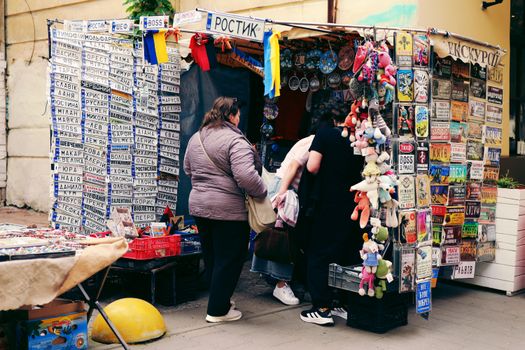
- The Souvenir Saga: Are the "local handicrafts" identical to those you saw in every other shop, often with "Made in China" labels tucked away? Do they all glow in the dark or feature cheesy caricatures? True artisans are often found in specific markets, workshops, or small, independent boutiques. Look for unique pieces, slight imperfections, and don't be afraid to ask about the creation process.
- Aggressive Touting & "Free" Offers: Anyone aggressively trying to pull you into their shop, restaurant, or tour is usually selling something you don't want or need. Be wary of "free" offers, especially for tea ceremonies, art galleries, or demonstrations – they often lead to high-pressure sales pitches for overpriced goods. My experience in Istanbul with a "free" tea ceremony quickly turned into a relentless carpet sales pitch that lasted over an hour, despite my clear disinterest.
- The "Traditional" Facade: Is the restaurant overly decorated with stereotypical "local" items, perhaps even looking a bit too clean or staged? Real local spots are often unassuming, sometimes a bit worn, and prioritize good food/service over flashy decor.
- Crowd Composition: Look around. Are most people tourists with cameras, fanny packs, and guidebooks? Or do you see families, elderly locals, and people in business attire? The latter is usually a good sign.
4. Embrace the Uncomfortable: The Path Less Traveled
Sometimes, avoiding tourist traps means stepping outside your comfort zone and embracing a bit of the unknown. The most rewarding experiences often lie just beyond the well-trodden path.
Actionable Tips:
- Wander Aimlessly (Safely!): Pick a direction and just walk. Turn down intriguing side streets. Let your curiosity guide you. You'll stumble upon hidden courtyards, local markets, street art, and small shops that no guidebook would ever mention. Always be aware of your surroundings and trust your gut, but a little planned aimlessness can lead to incredible discoveries. In Porto, I once wandered away from the Douro Riverfront and found a vibrant, bustling indoor market, Mercado do Bolhão, where I bought fresh produce and local pastries for pennies, surrounded by the sounds of daily life.
- Get Lost (on Purpose): Sometimes, taking a wrong turn leads to the right place. Don't be afraid to deviate from your carefully planned itinerary. The best stories often come from unexpected detours. Just make sure you have a charged phone with offline maps as a backup!
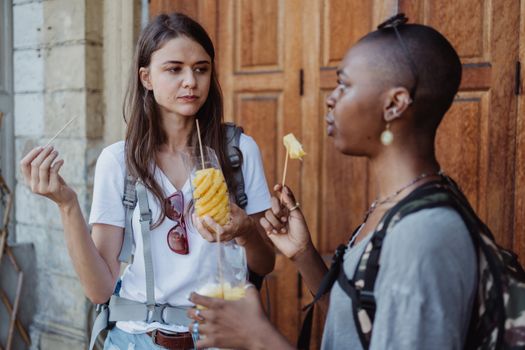
- Eat Street Food (Wisely!): Street food is often the most authentic and affordable culinary experience. Look for stalls with long lines of locals, high turnover of food, and visible cooking. Avoid anything that looks like it's been sitting out for hours. In Mexico City, I ate incredible tacos al pastor from a street vendor for MXN$15 (less than $1) each, a flavor explosion that far surpassed any sit-down restaurant.
- Visit Local Markets, Not Souvenir Markets: Head to the markets where locals buy their groceries, clothes, and everyday items. These are vibrant hubs of activity, full of authentic sights, sounds, and smells. They're also great for people-watching and finding unique, genuinely local products.
- Attend Local Events: Check local listings for festivals, concerts, sporting events, or community gatherings. These are fantastic opportunities to experience the culture alongside locals, often for free or at a minimal cost. I once stumbled upon a traditional folk dance festival in a small village in Bavaria, a truly unforgettable and immersive experience.
5. The Power of Timing & Patience: Your Secret Weapon
When you visit a place and how you approach it can dramatically impact your experience, often helping you sidestep the worst of the tourist traps and crowds.
Actionable Tips:
- Travel During Shoulder Season or Off-Season: While the weather might not always be perfect, traveling during the shoulder season (just before or after peak season) or off-season means fewer crowds, lower prices on flights and accommodation, and a more relaxed atmosphere. You'll often find locals are more open and less stressed. I visited Cinque Terre in late October, and while some shops were closing, the trails were blissfully quiet, and the villages felt more authentic without the summer crush.
- Go Early, Go Late: For popular attractions that you do want to see, arrive right at opening time or an hour before closing. You'll experience them with significantly fewer people, better photo opportunities, and a more peaceful atmosphere. Visiting the Vatican Museums at 7 AM on a private tour before the general public poured in was a game-changer – I saw the Sistine Chapel in near solitude. Similarly, a late-night stroll through the usually bustling Spanish Steps in Rome felt magical and intimate.
- Weekdays vs. Weekends: Many local attractions, markets, and even restaurants can be significantly less crowded during the week compared to weekends, when both tourists and local families are out and about.
- Embrace the Siesta/Quiet Hours: In many cultures, there are specific times of day when locals retreat for a siesta or quiet period. Use this time to explore less popular areas, relax in a park, or visit indoor attractions that might be less affected by the heat or quiet hours.
6. Mindset Matters: Travel Like a Curious Explorer, Not a Consumer
Ultimately, avoiding tourist traps is as much about your mindset as it is about your strategy. It's about approaching travel with curiosity, flexibility, and a desire for genuine connection.
Actionable Tips:
- Manage Expectations: Not every moment will be perfect or postcard-worthy. Embrace the imperfections, the unexpected detours, and the occasional misstep. Those are often where the best stories come from.
- Be Open-Minded and Flexible: Don't stick rigidly to your itinerary. If a local recommends something spontaneous, or you stumble upon an intriguing event, be willing to pivot. Some of my favorite travel memories come from unplanned detours, like joining a spontaneous street party in Medellín.
- Embrace the "Less is More" Philosophy: You don't need to see every single famous landmark. Sometimes, spending an afternoon people-watching in a local park, sipping coffee, or simply observing daily life is far more enriching than rushing through a crowded museum.
- Prioritize Experience Over Instagram: While we all love a good photo, don't let the pursuit of the "perfect shot" dictate your entire trip. Focus on being present, engaging with your surroundings, and truly experiencing the moment. The most Instagram-worthy moments often happen organically when you're not trying too hard.
- Be a Responsible Traveler: Support local businesses, respect local customs, minimize your environmental impact, and be mindful of how your presence affects the local community. This not only makes you a better traveler but also helps preserve the very authenticity you seek.
Avoiding tourist traps isn't about shunning all popular attractions; it's about being discerning, doing your homework, and consciously seeking out experiences that offer genuine insight into a place and its people. It's about trading the manufactured for the authentic, the crowds for connection, and the overpriced for the invaluable.
So, next time you're planning an adventure, remember these tips. Dare to wander, connect with locals, and trust your instincts. The world is full of incredible, untainted experiences just waiting to be discovered, and with a little savvy, you can be among the first to find them.
What are your go-to strategies for avoiding tourist traps? Share your best tips and hidden gems in the comments below! Let's build a community of savvy travelers who explore the world authentically.
---