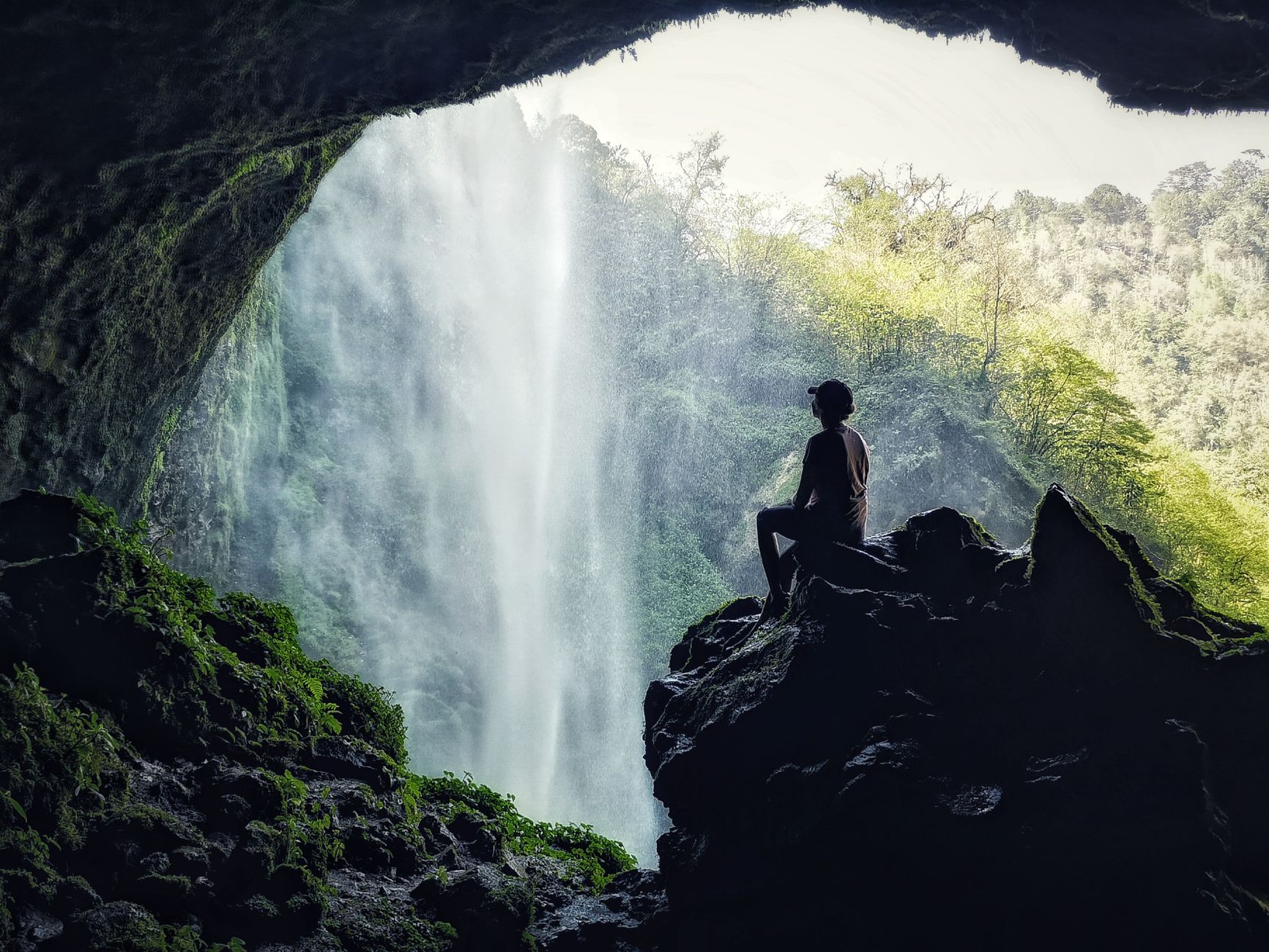
The Call of the Unseen: Chasing Earth's Most Secret Waterfalls
There’s a moment etched into my memory, clear as the water in a pristine mountain spring. It was deep in the jungles of Palawan, after hours of trekking through muddy trails, guided by a local who spoke more with his eyes than his words. The air was thick with the scent of damp earth and exotic flora. Then, through a curtain of vines, I heard it – a gentle, rhythmic roar that grew louder with every step. And there it was: a cascade of pure, icy water tumbling into an emerald pool, untouched by human hands, save for the occasional hunter or the rare, intrepid traveler. No crowds, no selfie sticks, just me and the raw, untamed power of nature.
That’s the magic of a hidden waterfall. It’s not just about the beauty; it’s about the journey, the discovery, the feeling that you’ve stumbled upon a secret whispered only to the most determined adventurers. In a world increasingly explored and documented, finding these pockets of pristine wilderness feels like discovering a forgotten piece of Eden.
For years, I've chased these liquid jewels across continents, enduring long hikes, bumpy rides, and the occasional leech, all for that unparalleled moment of awe. If you're anything like me – a soul yearning for authentic experiences, a heart that beats faster at the thought of wild beauty, and a spirit ready to leave the well-trodden path behind – then this guide is for you. These aren't just waterfalls; they're experiences that will cleanse your spirit, challenge your body, and leave an indelible mark on your soul. These are the hidden waterfalls you absolutely need to experience before you die.
1. Kaieteur Falls, Guyana: The Untamed Giant of the Amazon
Location:
Potaro-Siparuni region, Guyana, South America
Why it's Hidden: Extremely remote, accessible primarily by chartered flight, and requires significant planning.
Forget Niagara or Victoria; Kaieteur Falls is in a league of its own. Tucked away deep within the Amazon rainforest of Guyana, this single-drop waterfall is roughly five times taller than Niagara Falls and twice the height of Victoria Falls, with a colossal volume of water plunging over its sandstone cliffs. It's not just a waterfall; it's a force of nature, a thunderous roar that vibrates through your chest, a spectacle of raw, untamed power.
My first glimpse of Kaieteur was from the window of a tiny prop plane, banking sharply over the dense, unbroken canopy. Below, a colossal gap in the emerald sea, and then, the majestic plume of spray rising hundreds of feet. Landing on a small airstrip nearby, the journey continued on foot through a short, well-maintained trail. The air was thick with humidity, the calls of exotic birds echoing through the trees.
Standing at the edge of the precipice, looking down into the abyss where the Potaro River plunges, was an almost spiritual experience. The sheer scale is dizzying, the mist refreshing, and the vibrant orange rocks contrasting against the dark green jungle and the white foam are a photographer’s dream. You might even spot the tiny, golden "cock-of-the-rock" birds nesting in the cliffs, adding to the magic.
Practical Tips for Kaieteur:
* Getting There: Almost exclusively via chartered flight from Georgetown (Eugene F. Correia International Airport - Ogle). Tour operators consolidate passengers for these flights, typically 1-day return trips. Expect a hefty price tag (approx. $250-400 USD per person), but it's worth every penny.
* Best Time to Visit: The rainy season (May to August) offers the most powerful flow, but the dry season (September to April) provides clearer skies for flying and less slippery trails.
* What to Bring: Lightweight rain jacket, sturdy walking shoes, insect repellent, high-SPF sunscreen, wide-brimmed hat, plenty of water, and a good camera with a wide-angle lens.
* Permits/Guides: Your tour operator will handle all necessary permits and provide an experienced local guide, which is mandatory.
* Instagram Moment: The main viewpoint, "Johnson's View," offers a breathtaking panoramic shot of the entire falls. Capture the scale by including a person (safely!) in the frame.
2. Tukuran Falls, Oriental Mindoro, Philippines: A Local's Secret Paradise
Location:
San Teodoro, Oriental Mindoro, Philippines
Why it's Hidden: Requires a jeepney ride, a river trek, and is primarily known to locals and adventurous backpackers.
The Philippines is famous for its beaches, but its interior holds countless natural wonders. Tukuran Falls, nestled in the mountains of Oriental Mindoro, is one such gem. This isn't one grand cascade, but a series of smaller, enchanting waterfalls and natural pools, each more inviting than the last. It’s an adventure that feels truly off-the-grid, offering a glimpse into authentic Filipino rural life.
My journey to Tukuran started with a bumpy jeepney ride from Puerto Galera to San Teodoro, followed by hiring a local guide. The trek involved wading through a gentle river, the water cool against my skin, with lush jungle on either side. We passed small villages, children playing by the riverbanks, and water buffalo grazing peacefully. The air was filled with the chirping of cicadas and the distant sound of rushing water.
The "falls" themselves are a series of small, tiered cascades, creating natural swimming pools perfect for a refreshing dip. The water is crystal clear, revealing smooth river stones below, and the surrounding jungle provides a serene, almost mystical atmosphere. We spent hours swimming, picnicking on a bamboo raft, and simply soaking in the tranquility. It felt like being invited into a secret garden.
Practical Tips for Tukuran:
* Getting There: From Puerto Galera, take a jeepney or tricycle to San Teodoro (approx. 1-1.5 hours). From San Teodoro, you'll need to hire a local guide and a "habal-habal" (motorbike taxi) or trek to the falls. Expect to pay around ₱500-₱1000 ($10-20 USD) for a guide and transportation for the day.
* Best Time to Visit: The dry season (November to May) is ideal for easier river trekking and clearer waters.
* What to Bring: Water shoes/sandals, swimwear, dry bag, insect repellent, sun protection, packed lunch/snacks (there are very basic local stalls), and plenty of water.
* Local Experience: Embrace the journey! Interact with the locals, they are incredibly friendly and welcoming.
* Instagram Moment: Capture the multi-tiered pools with sunlight filtering through the dense canopy. A wide-angle shot of yourself relaxing in one of the natural pools is a must.
3. Salto del Agrio, Neuquén, Argentina: A Volcanic Masterpiece
Location:
Copahue-Caviahue Provincial Park, Neuquén Province, Patagonia, Argentina
Why it's Hidden: Located in a remote volcanic region of Patagonia, far from major tourist routes, requiring a drive on unpaved roads.
Patagonia is renowned for its majestic mountains and glaciers, but few know about its hidden waterfalls, especially those with such a dramatic geological backstory as Salto del Agrio. This waterfall is a spectacle of nature's artistry, where the Agrio River plummets over a cliff face sculpted by ancient volcanic activity, creating a vibrant, multi-hued landscape.
My journey to Salto del Agrio was an adventure in itself, driving for hours through the rugged, almost lunar landscape of the Andes foothills in Neuquén. The roads turned from paved to gravel, then to rough dirt tracks, with only the occasional guanaco or condor for company. The anticipation built with every mile, knowing I was heading to a place few international travelers ever see.
When it finally appeared, it was breathtaking. The water of the Agrio River, rich in minerals from the nearby active Copahue volcano, cascades over dark volcanic rock, creating a stunning contrast of colors. The rocks are painted in shades of ochre, rust, and deep red, stained by iron and other minerals, while the water itself often takes on a slightly milky, turquoise hue. The main fall is impressive, but the smaller cascades and pools around it, framed by rugged cliffs, make it a truly unique experience. It felt like stepping onto another planet, sculpted by fire and water.
Practical Tips for Salto del Agrio:
* Getting There: Best accessed by rental car from the city of Zapala or from the nearby resort towns of Caviahue or Copahue. Be prepared for unpaved, sometimes challenging roads. A 4x4 vehicle is recommended, especially after rain.
* Best Time to Visit: Spring (October-November) or Autumn (March-April) offer pleasant weather and vibrant colors. Winter can be challenging due to snow.
* What to Bring: Warm layers (weather can change quickly in Patagonia), sturdy hiking boots, water, snacks, and a camera to capture the unique colors.
* Explore: Don't just stick to the main viewpoint. There are trails around the falls that offer different perspectives and photo opportunities.
* Instagram Moment: Focus on the vibrant colors of the mineral-stained rocks against the powerful white water. A long exposure shot can really highlight the movement and texture.
4. Cascada de Tamul, San Luis Potosí, Mexico: The Turquoise Giant
Location:
Huasteca Potosina, San Luis Potosí, Mexico
Why it's Hidden: Requires a boat trip up the Tampaón River, making the journey an integral part of the adventure.
Mexico's Huasteca Potosina region is a treasure trove of turquoise rivers and stunning waterfalls, but Cascada de Tamul stands out as its crown jewel. This magnificent waterfall, plummeting 105 meters into the Tampaón River, is renowned for its breathtaking beauty and the vibrant, almost surreal turquoise color of its waters. Getting there is an adventure in itself, often involving a traditional "panga" boat ride against the current, adding to the sense of discovery.
My trip to Tamul began in the small town of La Morena, where I boarded a wooden canoe, or panga, with a group of fellow adventurers. Our local guide, strong and skilled, navigated the boat upstream, sometimes paddling, sometimes using a long pole to push us against the gentle current. The river meandered through lush canyon walls, the air filled with the calls of jungle birds. We even stopped to swim in some of the smaller, crystal-clear pools along the way, jumping from low cliffs into the refreshing water.
Finally, after about an hour of paddling, the river opened up, and there it was: Tamul, a colossal curtain of water cascading into the impossibly blue river below. The sheer power and beauty were overwhelming. We couldn't go directly under the falls due to the force, but we paddled close enough to feel the exhilarating spray. It’s a truly immersive experience, combining adventure, natural beauty, and a taste of local culture.
Practical Tips for Cascada de Tamul:
* Getting There: Tours typically depart from Ciudad Valles or nearby towns like Tanchachín or La Morena. You'll need to hire a boat with a local guide. Prices for a boat (shared among 6-10 people) can range from $100-150 USD, so join a group to split costs.
* Best Time to Visit: The dry season (November to May) ensures the vibrant turquoise color of the water. During the rainy season, the water can become muddy.
* What to Bring: Swimsuit, water shoes (essential for walking on slippery rocks), dry bag for electronics, sunscreen, hat, plenty of water, and snacks.
* Combine with Cueva del Agua: Many tours combine Tamul with a visit to the nearby Cueva del Agua, a stunning cenote-like cave where you can swim.
* Instagram Moment: Get a shot from the panga looking up at the falls, capturing its scale and the incredible turquoise water. A selfie with the powerful cascade in the background is also a classic.
5. Tinago Falls, Iligan City, Philippines: The "Hidden" Gem of the South
Location:
Iligan City, Lanao del Norte, Mindanao, Philippines
Why it's Hidden: While known locally as the "City of Majestic Waterfalls," Tinago (meaning "hidden" in Tagalog) requires a challenging descent of over 500 winding steps to reach its base.
Iligan City boasts over 20 waterfalls, earning it its nickname, but Tinago Falls remains one of its most alluring and, true to its name, somewhat hidden. Its beauty is legendary among Filipino travelers, but its demanding access keeps it from becoming overly crowded, preserving its pristine allure.
My journey to Tinago was a test of endurance. After a short motorcycle ride from Iligan City, I stood at the top of a seemingly endless staircase, carved into the cliff face. The descent was steep, winding, and a little slippery, each step bringing me closer to the roar that grew steadily louder. But with every step down, the anticipation built, and the lush, verdant surroundings became more immersive.
Finally, at the bottom, the sight took my breath away. Tinago is a majestic, curtain-like waterfall, its waters cascading gracefully into a deep, emerald-green plunge pool. The water is incredibly cold and refreshing, perfect for swimming after the arduous climb down. You can even swim behind the main curtain of the falls into a small cave, feeling the immense power of the water from a unique perspective. It felt like stepping into a mythical realm, a reward for the effort expended.
Practical Tips for Tinago:
* Getting There: Take a jeepney or habal-habal (motorbike taxi) from Iligan City center. The ride takes about 30-45 minutes. The entrance fee is minimal (approx. ₱50-100 / $1-2 USD).
* Best Time to Visit: The dry season (November to May) offers safer steps and clearer water. Avoid heavy rain, as the steps can become very slippery.
* What to Bring: Good walking shoes for the steps (you can change into water shoes at the bottom), swimwear, dry bag, towel, plenty of water, and snacks.
* Physical Fitness: Be prepared for the 500+ step descent and ascent. It's challenging but rewarding.
* Instagram Moment: Capture the entire cascade from the main swimming area. Get a shot of yourself swimming in the emerald pool or venturing behind the waterfall for a unique perspective.
6. Havasu Falls, Arizona, USA: The Desert Oasis Dream
Location:
Havasupai Indian Reservation, Grand Canyon, Arizona, USA
Why it's Hidden: Located within the remote Havasupai Indian Reservation, access is strictly controlled by permits, requiring a challenging 10-mile hike or helicopter ride.
While perhaps the most "famous" on this list, Havasu Falls is undeniably off-the-beaten-path due to its extreme remoteness and the rigorous permit system. It's a true desert oasis, an almost unbelievable vision of vibrant turquoise water contrasting with the fiery red rocks of the Grand Canyon. This isn't just a waterfall; it's an entire experience, a pilgrimage to one of Earth's most surreal landscapes.
My journey to Havasu was years in the making, navigating the notoriously difficult permit lottery. Once secured, the adventure began with a grueling 10-mile hike from Hualapai Hilltop down into Havasu Canyon. The desert sun beat down, the trail was dusty, but the promise of what lay ahead fueled every step. The first sight of the vibrant blue-green water of Havasu Creek, after miles of arid landscape, was like finding a mirage come to life.
Havasu Falls itself is breathtaking: a single cascade plunging over a 100-foot cliff into a series of travertine pools. The water's unique color comes from high concentrations of calcium carbonate. Swimming in these surreal pools, surrounded by the towering red walls of the Grand Canyon, felt like entering a dream. The entire Havasupai experience, including Mooney Falls and Beaver Falls further down, is an unforgettable immersion in a sacred, stunning natural wonder.
Practical Tips for Havasu Falls:
* Permits are Mandatory: This is the most crucial step. Permits are released annually, usually in February, and sell out in minutes. Check the official Havasupai Tribe website for details and dates. No walk-ins are allowed.
* Getting There: The hike starts at Hualapai Hilltop. It's a 10-mile hike to Supai Village, then another 2 miles to the campground. A helicopter service is available (check schedule and availability, often first-come, first-served).
* Best Time to Visit: Spring (April-May) and Fall (September-October) offer more moderate temperatures for hiking. Summer (June-August) is extremely hot.
* What to Bring: Backpacking gear (tent, sleeping bag, cooking equipment), plenty of water (filtration system recommended), sturdy hiking boots, water shoes, swimwear, dry bag, headlamp, first-aid kit, and all "Leave No Trace" essentials. Pack out everything you pack in.
* Respect the Havasupai Tribe: You are guests on their land. Be respectful of their culture, rules, and privacy. Alcohol and drones are prohibited.
* Instagram Moment: The classic shot of Havasu Falls from the main viewpoint, capturing its vibrant color against the red rock. Explore Mooney Falls and Beaver Falls for more unique angles.
Essential Gear for the Waterfall Chaser
Chasing hidden waterfalls isn't a walk in the park (usually!). Being prepared is key to a safe and enjoyable adventure. Here's a quick checklist of must-have gear:
- Sturdy Hiking Boots/Water Shoes: You'll likely encounter uneven terrain, slippery rocks, and river crossings.
- Dry Bag: Essential for protecting your electronics, wallet, and other valuables from water and humidity.
- Lightweight Rain Jacket: Weather in jungle or mountainous regions can change rapidly.
- Insect Repellent: Especially in tropical climates, mosquitoes and other biting insects can be a nuisance.
- Sun Protection: Hat, sunglasses, and high-SPF sunscreen are crucial, even on cloudy days.
- Swimwear & Quick-Dry Towel: For those irresistible plunge pools.
- First-Aid Kit: Blisters, cuts, and scrapes are common. Include pain relievers, antiseptic wipes, and bandages.
- Water Bottle/Hydration Pack: Stay hydrated! Consider a water filter/purifier for remote locations.
- Snacks: Energy bars, nuts, and fruit are great for long treks.
- Camera Gear: Waterproof camera or phone case, extra batteries, and a wide-angle lens for capturing the grandeur.
- Local Currency: Many remote areas operate on cash only.
- Headlamp/Flashlight: If you're hiking early morning or late evening.
Leaving No Trace: Protecting Our Pristine Paradises
The beauty of these hidden waterfalls lies in their untouched nature. As adventurers, we have a responsibility to keep them that way. Always adhere to the "Leave No Trace" principles:
- Plan Ahead and Prepare: Know the regulations and unique concerns for the area you're visiting.
- Travel and Camp on Durable Surfaces: Stick to existing trails to avoid disturbing vegetation.
- Dispose of Waste Properly: Pack it in, pack it out – everything, including food scraps.
- Leave What You Find: Don't remove rocks, plants, or historical artifacts.
- Minimize Campfire Impacts: Use existing fire rings or pack a stove.
- Respect Wildlife: Observe from a distance and never feed animals.
- Be Considerate of Other Visitors & Locals: Keep noise down, yield to others, and support local communities responsibly.
Your Waterfall Adventure Awaits
The world is full of wonders, and while many are celebrated on postcards, the true magic often lies in the hidden corners, waiting for those brave enough to seek them out. These waterfalls are more than just beautiful sights; they are destinations that offer profound experiences, challenging you, rewarding you, and connecting you to the raw, untamed spirit of our planet.
From the thundering power of Kaieteur to the serene turquoise pools of Havasu, each of these hidden gems offers a unique story, a personal challenge, and an unforgettable memory. So, what are you waiting for? Stop dreaming and start planning. Life's too short for crowded tourist traps. Go find your own secret waterfall, feel the mist on your face, and let the roar of the wild awaken something primal within you.
Which of these hidden waterfalls calls to you the most? Have you discovered another secret cascade that should be on this list? Share your thoughts and experiences in the comments below! Let's inspire each other to explore the unseen.