The Unexpected Adventure: How to Keep Kids Entertained During Delays Locals Don't Want Tourists to Know
The air was thick with frustrated sighs, the gate agent’s voice a muffled drone announcing yet another delay. My two little tornadoes, Leo (6) and Maya (4), were already bouncing off the walls, fueled by airplane snacks and the sheer injustice of being confined. We were stuck in Lisbon, our connecting flight to Marrakech pushed back by four agonizing hours. My carefully planned itinerary, my arsenal of pre-downloaded shows, my perfectly packed activity bag – all felt suddenly inadequate. This wasn’t just a delay; it was a crisis in the making.
Then, a quiet elderly woman, observing my growing panic, offered a small, knowing smile. "It's a beautiful day," she said in broken English, gesturing towards the large windows. "Go outside. There is a small jardim just two stops on the metro. My grandchildren love it."
And just like that, a seed was planted. We ventured out, found the metro, and within 20 minutes, we were in a sun-drenched local park, watching Leo and Maya chase pigeons with local kids, their laughter echoing against the backdrop of vibrant Portuguese tiles. We bought fresh pastries from a tiny bakery, shared a quiet bench, and watched life unfold. That unexpected detour, born out of a frustrating delay, became one of the most cherished memories of our trip. It taught me a profound lesson: the best travel experiences often happen when you embrace the unexpected and dive into the local rhythm, far from the tourist traps.
Locals have a way of navigating their cities that we, as tourists, often miss. They know the quiet corners, the hidden gems, the free fun that keeps their own kids happy. They don't advertise these spots to us because they're simply a part of their daily lives. And that, my fellow travel parents, is where the magic lies.
Section 1: The Great Escape – Ditching the Delay Zone for Local Life
The first rule of delay survival? If you have the time and the option, get out. Airports, train stations, and bus terminals are designed for transit, not for joyful child entertainment. They're expensive, crowded, and utterly devoid of local charm.
The Local Secret:
Locals don't spend hours in airports unless they absolutely have to. They know the nearest neighborhood, the quickest way to a breath of fresh air, or a real coffee.
- Actionable Tip: Before you even leave home, do a quick Google Maps search for "parks near [airport/station name]" or "cafes near [airport/station name]." Look for local transportation options – a metro, a bus route, or even a short taxi ride to the nearest residential area. Often, just a few stops away, you'll find a completely different world.
- Personal Anecdote: During a six-hour train delay in Bologna, Italy, instead of stewing in the station, we took a 10-minute bus ride to a quiet residential area. We found a small piazza with a fountain, a gelato shop that had clearly been there for decades, and a few kids playing soccer. My kids got to run, we savored authentic gelato, and I got to watch the rhythm of Italian life unfold. It was imperfect, a little chaotic, but infinitely better than staring at a departure board.
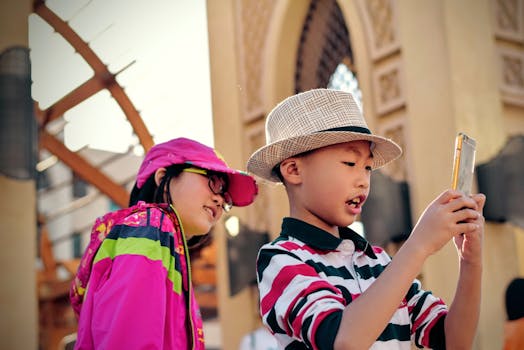
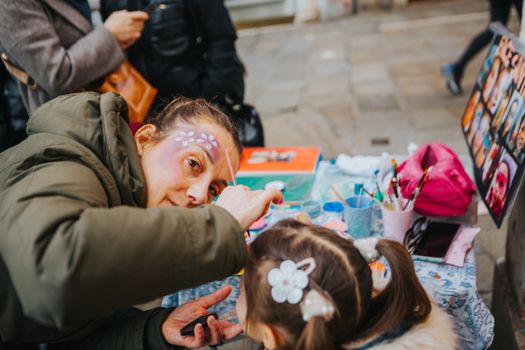
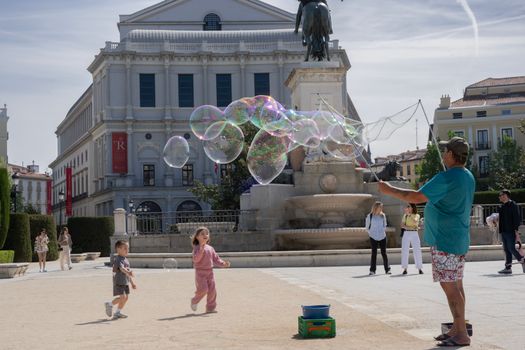
- Instagram-Worthy Moment: A candid shot of your kids marveling at a local street performer, or sharing a smile with a local elder in a park. Use hashtags like #LocalDiscoveries #TravelDelayAdventures #AuthenticTravel.
Section 2: Unearthing the "Hidden" Playgrounds & Green Havens
Every city, no matter how dense, has its green spaces. But not all parks are created equal, and many of the most charming ones are not listed in tourist guides. These are the places where local families gather, where kids run free without the pressure of performance or the crowds of famous landmarks.
The Local Secret:
Locals know the small, often un-signposted, neighborhood parks and community gardens. These aren't grand, manicured tourist attractions; they're functional, beloved spaces for everyday life.
- Actionable Tip:
- Google Maps Satellite View: Zoom in on residential areas near your delay point. Look for green patches, especially those with small structures that might be playgrounds.
- Ask a Local: This is gold. Approach a parent with kids, a shopkeeper, or even your taxi driver (if they seem friendly) and ask, "Where do local children play around here?" Learn a few basic phrases in the local language ("Where is a park for children?" - ¿Dónde hay un parque para niños?, Où est un parc pour enfants ?, Wo ist ein Park für Kinder?).
- Look for Clues: Keep an eye out for small signs pointing to "Jardim," "Parque," or "Plaza" in residential areas.
- Personal Anecdote: In Seoul, during an unexpected bus delay, we wandered a few blocks from the bus stop into a bustling residential area. Following the sounds of children's laughter, we stumbled upon a fantastic, colorful playground tucked between apartment buildings. It had unique Korean-style swings and slides, and my kids quickly joined a game of tag with some local children, despite the language barrier. No entry fee, no queues, just pure, unadulterated play.
- Instagram-Worthy Moment: Your kids making friends with local children on a unique playground structure, or a serene shot of them exploring a quiet community garden. Tag the city and #HiddenGems #LocalPlaytime #TravelWithKids.
Section 3: The Culinary Compass – Navigating Local Bites & Market Magic
Food is the ultimate cultural immersion, and a delay offers the perfect opportunity to ditch the chain restaurants and dive into authentic local flavors. This isn't just about eating; it's about experiencing the vibrant heart of a community.
The Local Secret:
Locals don't eat at tourist traps. They know the best street food vendors, the bustling daily markets, and the small, family-run eateries where the food is incredible and often surprisingly affordable.
- Actionable Tip:
- Find a Local Market: Use Google Maps for "Mercado," "Market," or "Food Market" near your location. These are sensory feasts, full of colors, smells, and sounds. Let your kids pick out a strange-looking fruit, watch a baker at work, or sample some local cheese.
- Street Food Adventure: Look for queues of locals – that's your sign for good street food. Try a local pastry, a savory snack, or a unique drink. Be adventurous!
- Small Eateries: Avoid places with English menus plastered outside. Look for small, unassuming restaurants filled with locals. Point to what looks good, or use a translation app.
- Specific Details: In Mexico City, a delay near the Merced Market meant we spent two hours exploring its vibrant chaos, sampling tacos al pastor for less than a dollar each and buying colorful handmade crafts. In Kyoto, a short walk from a delayed train led us to a tiny mochi shop where the owner, delighted by my kids' curiosity, showed them how the sticky rice cakes were made.
- Instagram-Worthy Moment: Kids holding exotic fruits from a vibrant market, a close-up of a delicious, authentic street food snack, or a shot of your family sharing a meal in a tiny, bustling local restaurant. Use #EatLikeALocal #FoodAdventures #TasteOf[CityName].
Section 4: The Unseen Cultural Hubs – Libraries & Community Centers
Libraries and community centers are often overlooked by tourists, but they are goldmines for local interaction and free (or very cheap) entertainment, especially during bad weather or long delays.
The Local Secret:
Locals use these facilities constantly. They host children's story times, craft workshops, local art exhibits, and offer a quiet, warm, and welcoming space.
- Actionable Tip:
- Google Search: Look for "public library [city name]" or "community center [city name]." Many have websites with event calendars.
- Walk In and Ask: Don't be shy! Most librarians and community center staff are incredibly helpful. Ask if there's a children's section, any upcoming activities, or even just for a quiet corner to read.
- Local Bulletin Boards: Keep an eye out for posters outside these places, or in local cafes, advertising events.
- Personal Anecdote: During a torrential downpour and a flight delay in Glasgow, Scotland, we found a local library just a short bus ride from the airport. They had a fantastic children's section, complete with beanbags and a small play area. My kids spent an hour engrossed in Scottish picture books, and Maya even joined a spontaneous sing-along with a local group. It was a cozy, enriching experience that cost us nothing.
- Instagram-Worthy Moment: Kids surrounded by books in a beautiful foreign library, a candid shot of them participating in a local craft session, or a quiet moment of learning. Use #LibraryLove #CommunityConnect #CulturalImmersion.
Section 5: The Language of Play – Bridging Gaps with Simple Games
Sometimes, getting out isn't an option, or the delay is too short. This is when you need to be creative and engage your kids with the world around them, turning observation into play.
The Local Secret:
Locals know how to make fun out of nothing, using their surroundings and simple interactions. They don't rely solely on screens.
- Actionable Tip:
- "I Spy" with a Twist: Instead of just colors, use shapes, patterns, or specific cultural elements (e.g., "I spy something with a dragon," "I spy something in a traditional pattern"). This encourages observation of local details.
- People Watching Storytelling: Make up stories about the people you see. "That man with the big hat, where do you think he's going? What's his secret mission?" This sparks imagination and observational skills.
- Mini Scavenger Hunt: Give them a list of things to find (e.g., "a red flower," "something shiny," "a bird," "a specific local symbol"). This can be done in a park, a market, or even a large waiting area.
- Universal Games: Charades, rock-paper-scissors, tic-tac-toe (on a napkin) – these are universally understood and can even be used to initiate friendly interaction with local children or adults.
- Personal Anecdote: Stuck in a tiny airport in rural Peru, with no Wi-Fi and nothing but a few benches, we started a game of "Airport Bingo." I drew little pictures of things we might see: "a person with a big backpack," "a pilot," "a snack cart," "a plane taking off." The kids were so engaged, meticulously scanning the small terminal, that the time flew by. They even pointed out a local woman in traditional dress, which sparked a conversation about her beautiful textiles.
- Instagram-Worthy Moment: A close-up of a child's intense focus during an "I Spy" game, a drawing created on a napkin, or a photo of kids laughing during a game of charades. Hashtag #TravelGames #NoScreensNeeded #FamilyFun.
Section 6: The Local Storyteller – Engaging with the Community
This is perhaps the most rewarding "secret" of all: locals are often delighted to share their world, especially if you approach them with genuine curiosity and respect. These interactions create the most profound memories.
The Local Secret:
Locals are proud of their heritage and often appreciate genuine interest from visitors, especially when it involves their children. They might share a tip, a story, or a small gesture of kindness that makes your day.
- Actionable Tip:
- Learn Basic Phrases: A simple "Hello," "Thank you," "Please," and "Excuse me" in the local language goes a very long way.
- Smile and Make Eye Contact: A warm, open demeanor is universal.
- Ask Simple Questions: "Where is the best [local pastry/coffee]?" or "What is that beautiful building?" can open doors. If you see a local child, a simple "Hello" (in their language) and a smile can sometimes lead to an impromptu playdate.
- Be Prepared to Share: Bring a small, culturally neutral toy (like a small car or a ball) that your child can share if they encounter other kids.
- Personal Anecdote: During a bus breakdown in rural Vietnam, we were invited by a local family to share some tea and fresh fruit in their small home while we waited for the replacement bus. My kids, initially shy, were soon playing with their children, despite the language barrier. They taught each other simple games, shared toys, and communicated through laughter. It was an unplanned, profound moment of human connection that transcended words.
- Instagram-Worthy Moment: A genuine smile shared between your child and a local, a photo of hands exchanging a small gift or a shared snack, or a wide shot of your family interacting with a local family. Use #HumanConnection #TravelStories #GlobalFamily.
Embrace the Detour, Discover the Delight
Travel delays, while initially frustrating, are often disguised opportunities. They force us to slow down, to look beyond our carefully curated itineraries, and to truly connect with the places we visit. By embracing the "local secrets" – getting out, finding hidden playgrounds, tasting authentic street food, exploring community hubs, and engaging with people – you transform a moment of stress into an adventure of discovery.
These aren't just ways to pass the time; they are ways to enrich your family's travel experience, fostering adaptability, curiosity, and a deeper appreciation for the world. So next time a delay looms, take a deep breath, flash a knowing smile, and remember: the best stories often begin with an unexpected detour.
What are your favorite "local secrets" for entertaining kids during travel delays? Share your amazing stories in the comments below! And if you found these tips helpful, don't forget to share this post with your fellow travel parents!
---