The Roar of Silence: How Hidden Waterfalls Redefined My World
There was a time when my life felt like a relentless current, pulling me along without much say in the direction. I was caught in the mundane, the predictable, chasing deadlines and fleeting moments of digital gratification. I yearned for something more, a deeper connection, a pause button on the relentless hum of modern existence. It was in this state of quiet desperation that I stumbled upon an idea, or rather, the idea found me: hidden waterfalls.
Not the famous, postcard-perfect falls teeming with selfie sticks and tour buses. No, I was after the elusive ones, the whispers on a local's lips, the faint blue dots on a satellite map – the ones that demanded effort, resilience, and a willingness to get delightfully lost. What I found wasn't just stunning scenery; I found a profound sense of peace, a raw connection to the planet, and ultimately, a new direction for my own life. These aren't just stories of water and rock; they're tales of transformation, of finding my truest self amidst the roar of nature's secret sanctuaries.
1. The Emerald Veil of Serra Negra, Brazil: A Solitary Baptism
My first true quest for a hidden waterfall took me deep into the heart of Brazil, far from the bustling beaches and vibrant cities. I'd heard whispers of a place called "Cachoeira da Serra Negra" – the Black Mountain Waterfall – nestled within a remote section of the Serra da Mantiqueira mountains, near a tiny village called São Bento do Sapucaí. Most tourists flock to better-known falls, but a local guesthouse owner, a wise old woman named Dona Rosa, drew me a crude map on a napkin, her eyes sparkling with a secret.
The journey was as much a part of the experience as the destination itself. It involved a bone-jarring 4x4 ride down a dirt track, followed by a two-hour hike through dense Atlantic Forest. The air was thick with the scent of damp earth and exotic flowers, the sounds of unseen birds and insects creating a natural symphony. I remember thinking, this is it, this is what I came for.
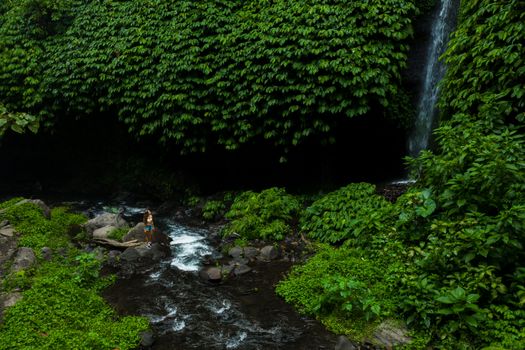
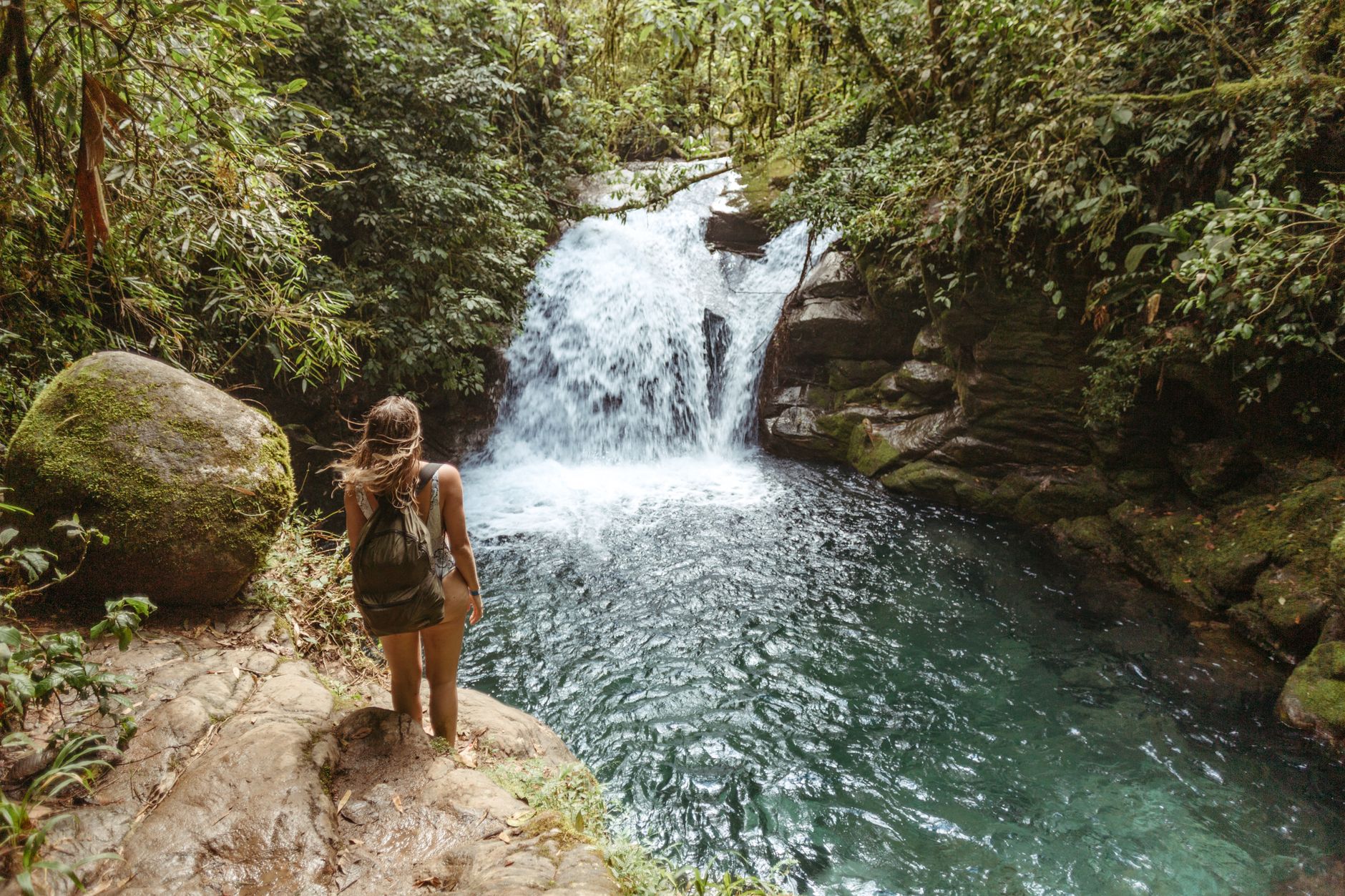
Then, I heard it. A low, resonant rumble that grew steadily louder, vibrating through the ground beneath my feet. As I rounded a final bend, the forest canopy parted, revealing a sight that stole my breath. Tucked into a natural amphitheater of emerald-green moss-covered rock, Cachoeira da Serra Negra plunged over 100 feet into a deep, dark pool. The water, surprisingly warm, was a rich, peaty brown from the surrounding soil, yet utterly clean. There wasn't another soul in sight.
I stripped down and plunged into the pool, the powerful spray of the falls a natural massage. The sheer force of the water, the feeling of being utterly insignificant yet completely connected to something ancient and immense, washed over me. It was a baptism of sorts, shedding the anxieties of my old life and embracing the wild, untamed spirit of the world. I spent hours there, just swimming, meditating, and feeling the energy of the place.
Practical Details:
* Location: Serra da Mantiqueira, near São Bento do Sapucaí, Minas Gerais, Brazil. (Approx. 3-4 hours from São Paulo).
* Getting There: Best to rent a 4x4 or hire a local guide/driver from São Bento do Sapucaí. The hiking trail is moderately challenging.
* Cost: Local guide/driver for the day: R$200-300 (approx. $40-60 USD). No entrance fee to the waterfall itself.
* Best Time to Visit: Dry season (May to September) for easier hiking, though the falls are less powerful. Rainy season (October to April) for spectacular flow but challenging trails.
* Local Tip: Stay at a pousada (guesthouse) in São Bento do Sapucaí and ask the owners for directions or guide recommendations. Many offer delicious home-cooked meals.
2. Whispering Falls of the Sapa Valley, Vietnam: A Lesson in Humility
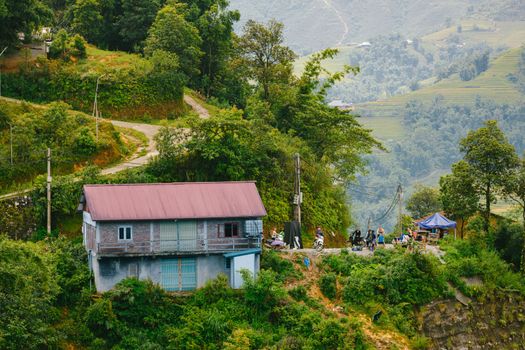
My next transformative encounter was in the misty, terraced mountains of Northern Vietnam, an area famous for its breathtaking landscapes but also increasingly for its tourism. I was determined to find a place untouched. After a grueling overnight train from Hanoi to Lào Cai and a local bus to Sapa, I bypassed the main tourist trails and ventured out with a Hmong guide named Mai, whose family had lived in these mountains for generations.
Mai promised me a waterfall "where the spirits sing," a place known only to her village. Our trek began at dawn, winding through rice paddies shimmering with morning dew, past water buffalo grazing peacefully, and through bamboo forests so dense, they felt like living tunnels. The air was cool and crisp, carrying the scent of damp earth and woodsmoke. We hiked for nearly five hours, ascending steep, muddy paths that tested my resolve.
When we finally arrived, the "Whispering Falls" (as I've come to call them) weren't a single, thunderous cascade, but a series of delicate, multi-tiered drops, fanning out over smooth, dark rocks. The water was crystalline, forming several small, inviting pools. The sound wasn't a roar, but a gentle, continuous murmur, like a thousand hushed voices. It was profoundly peaceful.
Mai explained that this place was sacred to her people, a site for quiet reflection and offerings. We sat in silence for a long time, just listening to the water, feeling the cool mist on our faces. She shared stories of her ancestors, of the resilience of her community, and the deep respect they held for the land. It was a powerful lesson in humility and the quiet strength of indigenous cultures. I realized that true beauty isn't always about grandeur; sometimes, it's about the delicate, persistent flow of life itself.
Practical Details:
* Location: Remote Sapa Valley, Lào Cai Province, Northern Vietnam. (Specific location is best found with a local guide).
* Getting There: Overnight train from Hanoi to Lào Cai, then a local bus or private car to Sapa. Hire a local Hmong or Dao guide for a multi-day trek.
* Cost: Multi-day trek with a local guide (including homestay, meals): $50-100 USD per day, depending on group size and duration. This directly supports local families.
* Best Time to Visit: September to November (harvest season, clear skies) or March to May (planting season, lush green). Avoid rainy season (June-August).
* Local Tip: Book a homestay in a remote village (like Ta Van or Lao Chai) and ask your host about lesser-known trails and waterfalls. Always hire a local guide; it's safer and ensures you contribute directly to the community. Bring small gifts for children if you visit villages.
3. The Lost Siren's Song, Guaviare, Colombia: A Dive into the Unknown
My most adventurous waterfall discovery came in a region of Colombia few tourists ventured to until recently: Guaviare. This area, once synonymous with conflict, is now emerging as an eco-tourism frontier, particularly for its unique geological formations and pristine nature. I heard about a series of "cascadas escondidas" (hidden waterfalls) deep within the jungle, accessible only by river and then a challenging hike.
With a local guide named Mateo, whose infectious enthusiasm matched his encyclopedic knowledge of the jungle, we set off from San José del Guaviare. Our journey involved a small motorboat navigating the winding Guaviare River, the banks alive with monkeys, caimans, and an astounding array of birds. The heat was intense, the humidity palpable, but the sheer vibrancy of the ecosystem was mesmerizing.
After two hours on the river, we disembarked onto a muddy bank and began our trek. This wasn't a maintained trail; it was a path Mateo seemed to conjure from the dense undergrowth. We pushed through thick vines, navigated slippery rocks, and even waded through a shallow stream. The air was thick with the scent of wet earth and unknown flowers.
Finally, after what felt like an eternity, the jungle opened up to a sight that defied description. Not one, but three waterfalls cascaded down a massive, ancient rock face, forming a series of natural, multi-level pools of an astonishing emerald green. Mateo called it "El Canto de la Sirena Perdida" – The Lost Siren's Song – because of the ethereal sound the water made as it fell. The water was cool and invigorating, a perfect antidote to the jungle heat.
What made this place truly life-changing was the backdrop: the rock formations around the falls were covered in ancient petroglyphs, some thousands of years old, depicting animals and human figures. Swimming in these sacred pools, surrounded by the raw power of nature and the silent stories of ancient civilizations, was an overwhelmingly spiritual experience. It felt like I had stepped back in time, connected to something primordial. It was a reminder of the vast, untold histories that lie hidden beneath the surface of our planet.
Practical Details:
* Location: Guaviare Department, Colombia, accessible from San José del Guaviare.
* Getting There: Fly from Bogotá to San José del Guaviare. Hire a reputable local tour operator for a multi-day trip that includes river transport and guided hikes. This region is still developing tourism infrastructure, so a guide is essential for safety and access.
* Cost: A 3-4 day tour package (including flights from Bogotá, accommodation, all transport, guide, and meals): $500-800 USD. Prices vary greatly depending on the operator and inclusions.
* Best Time to Visit: Dry season (December to March) for easier access and clearer waters.
* Local Tip: This is a region with a delicate ecosystem and a complex history. Choose operators who prioritize sustainable tourism and work closely with local communities. Be prepared for rustic accommodations and truly off-grid experiences. The region is also famous for Caño Cristales (the "rainbow river") which is accessible in different months.
4. The Art of the Hunt: Finding Your Own Hidden Gems
These experiences weren't just about the waterfalls themselves, but about the journey of discovery. Finding these secret spots requires a blend of research, intuition, and a willingness to embrace the unknown. Here’s how you can embark on your own waterfall quest:
- Go Beyond Google's First Page: Use specific search terms like "unexplored waterfalls [region]," "secret swimming holes [country]," or "off-the-beaten-path cascades." Dig into local travel blogs, forums, and niche outdoor adventure sites.
- Maps Are Your Friends (and Foes): Google Maps and Google Earth are incredible tools. Look for dense green areas with elevation changes and blue lines (rivers/streams). Zoom in! Sometimes you can spot faint trails or clearings. Apps like Maps.me or Wikiloc often have user-generated trails, some leading to hidden gems.
- Ask the Locals (Politly!): This is the gold standard. Once you're in a region, talk to guesthouse owners, restaurant staff, market vendors. Start with "Are there any beautiful spots around here that aren't on the main tourist route?" Be respectful, and don't press if they're hesitant to share a truly sacred spot. Offer to pay for their time if they offer to guide you.
- Embrace the Detour: Sometimes the best discoveries are accidental. Take that unmarked dirt road. Follow that distant sound of rushing water. Be open to changing your plans based on local recommendations or unexpected sightings.
- Research Permits and Access: Some hidden areas might require permits, especially if they're in protected national parks or indigenous lands. Always respect local regulations and traditions.
5. Gear Up & Go: Essential Tips for Waterfall Chasing
Chasing hidden waterfalls isn't a walk in the park. It requires preparation and respect for nature.
- Pack Smart, Pack Light:
- Waterproof Bag/Dry Bag: Essential for protecting electronics, wallet, and extra clothes.
- Water Shoes/Hiking Sandals: You'll be crossing streams, walking on slippery rocks, and swimming. Good grip is key.
- Quick-Dry Clothing: Lightweight, breathable fabrics are your best friend.
- Microfiber Towel: Dries fast, takes up little space.
- First-Aid Kit: Blisters, cuts, insect bites are common. Include pain relievers, antiseptic wipes, bandages.
- Water Filter/Purifier: Don't rely on finding potable water. A Lifestraw or Sawyer filter is a lifesaver.
- Snacks: High-energy snacks like nuts, dried fruit, granola bars.
- Sun Protection: Hat, sunglasses, reef-safe sunscreen.
- Insect Repellent: Especially in tropical regions.
- Power Bank: For charging your phone/camera.
- Headlamp/Flashlight: If you might be hiking near dusk or exploring caves.
- Safety First:
- Tell Someone Your Plans: Always inform your guesthouse, a friend, or family about your route and estimated return time.
- Check Weather Conditions: Flash floods can be deadly. Never go during heavy rain or if rain is forecast.
- Don't Go Alone (If Possible): Especially for challenging treks. If solo, be extra cautious and stick to clearer paths.
- Assess the Water: Before jumping or swimming, check the depth and currents. Look for hidden rocks.
- Respect Wildlife: Observe from a distance, don't feed animals.
- Leave No Trace Principles:
- Pack It In, Pack It Out: Everything you bring in, take out. This includes all trash, food scraps, and even fruit peels.
- Stay on Trails: Protect delicate flora and fauna.
- Minimize Campfire Impacts: If you build a fire (only where allowed), keep it small, use existing fire rings, and ensure it's completely out.
- Respect Wildlife: Don't disturb animals or their habitats.
- Be Considerate of Other Visitors: Maintain quiet, allow others to enjoy the solitude.
- Leave What You Find: Don't take rocks, plants, or historical artifacts.
- Dispose of Waste Properly: Use designated facilities or pack out human waste.
6. Beyond the Water: The True Transformation
These waterfalls weren't just pretty places; they were catalysts for change. Each journey, each immersion, stripped away layers of expectation and anxiety, leaving me with a profound sense of clarity and purpose.
- Resilience: Pushing through challenging hikes, navigating unfamiliar terrain, and overcoming physical discomfort taught me a new level of mental and physical resilience.
- Connection to Nature: Being utterly alone, surrounded by the raw power of a waterfall, fosters an undeniable connection to the planet. It’s a reminder that we are part of something much larger than ourselves.
- Appreciation for Simplicity: When you're carrying everything you need on your back, relying on basic necessities, you quickly learn to appreciate the simple things: clean water, a warm meal, a safe place to rest.
- Presence: In these remote places, there’s no Wi-Fi, no constant notifications. You are forced to be present, to observe, to listen, to feel. This radical presence is incredibly liberating.
- Perspective: The sheer scale of these natural wonders puts daily stresses into perspective. My problems suddenly seemed so small against the backdrop of ancient mountains and endless rivers.
I returned from each trip not just with incredible photos and stories, but with a renewed sense of self, a deeper appreciation for the planet, and an unwavering commitment to living a life less ordinary. The roar of the water became the soundtrack to my awakening, guiding me towards a path of adventure, sustainability, and authentic connection.
Your Own Journey Awaits
The world is full of hidden wonders, waiting to be discovered by those brave enough to seek them out. These hidden waterfalls changed my life forever, not just by showing me breathtaking beauty, but by teaching me about resilience, presence, and the profound power of disconnecting to truly reconnect.
Don't wait for permission or the perfect moment. Pack your bags, do your research, and take that leap of faith. The next secret cascade, the next life-altering adventure, could be just around the bend.
What hidden natural gems have you discovered that changed your perspective? Share your stories and tips in the comments below! Let's inspire each other to seek out the extraordinary.
---