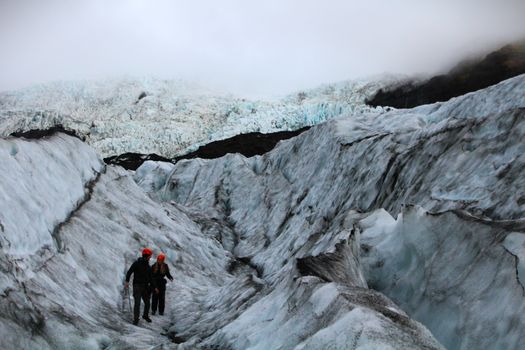
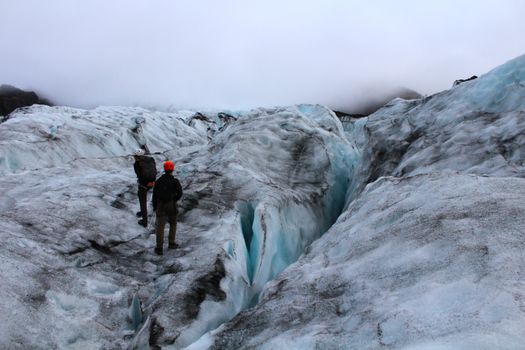
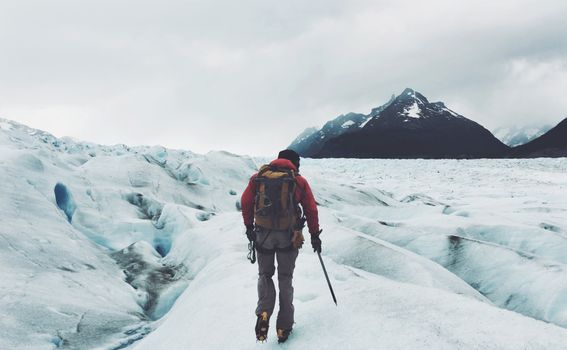
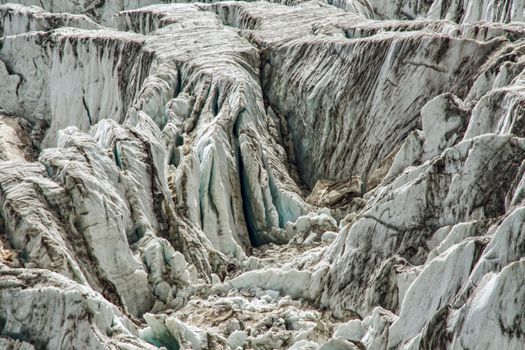
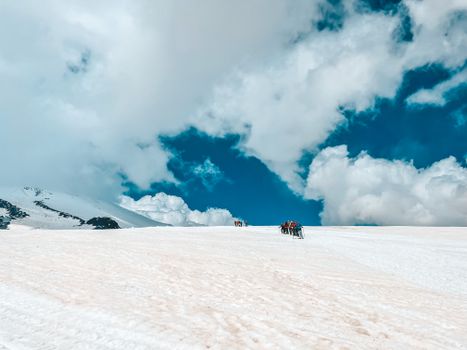
Remember that feeling? The one where you see those incredible, dramatic photos of people scaling icy walls, crampons digging in, ice axes glinting, and you think, "Wow, that's amazing... but definitely not for me"? For years, I believed that truly experiencing a glacier meant committing to an expensive, multi-day expedition with specialized equipment, guides, and a fitness level I could only dream of.
Then, one crisp autumn morning in Iceland, everything changed. I was driving along the Ring Road, chasing waterfalls and volcanic vistas, when I stumbled upon a small, unmarked turn-off. Curiosity piqued, I followed a gravel path that quickly turned into a well-trodden dirt trail. Ten minutes later, I rounded a bend, and there it was: a colossal tongue of ice, rippling with shades of blue and white, stretching out before me. And I was standing there, in my regular hiking sneakers, jaw-dropped, just a stone's throw from this ancient wonder. No crampons, no ice axes, no guide – just me, the raw power of nature, and the crisp, clean air.
That day, I learned a secret that many locals would prefer tourists didn't know: you don't always need to be an extreme adventurer to get up close and personal with a glacier. There are incredible, accessible glacier walks around the world that allow you to witness these majestic ice giants without specialized gear, hefty price tags, or even a full day’s commitment. These are the "sneaker-friendly" glacier experiences – the kind of intimate encounters that make you feel like you’re in on a beautiful, whispered secret.
Ready to discover them? Lace up those sturdy sneakers, because Tripsora is about to let you in on some of the world's best-kept glacial secrets!
---
Redefining the "Glacier Walk": Sneakers, Not Spikes
Before we dive into locations, let's clarify what a "glacier walk in sneakers" truly means. We're not talking about traversing active, crevasse-riddled ice fields. That absolutely requires proper gear, training, and certified guides. What we are talking about are breathtaking trails and viewpoints that lead you to the edge of a glacier, alongside its meltwater rivers and lakes, or across its ancient, stable moraines and outwash plains. These are places where you can feel the chill emanating from the ice, hear the groan of the glacier, and marvel at its sheer scale – all from safe, stable ground.
The key is sturdy, comfortable sneakers with good grip. Think trail runners or light hiking shoes, ideally waterproof. Forget your flimsy canvas shoes or fashion trainers; you’ll want support and traction on potentially uneven, rocky, or damp terrain. And always, always prioritize safety. Respect barriers, stay on marked paths, and never venture onto unstable ice.
---
Iceland: Land of Fire, Ice, and Accessible Wonders
Iceland is practically a playground for glacier enthusiasts, and thankfully, many of its most stunning icy vistas are surprisingly accessible.
1. Svínafellsjökull Viewpoint & Moraine Walk (Skaftafell Nature Reserve)
* The Vibe: This is the spot that started it all for me. Svínafellsjökull, a breathtaking outlet glacier of Vatnajökull (Europe's largest glacier), offers an incredibly easy approach. You drive a short gravel road, park, and then it's a gentle 15-20 minute walk across a glacial moraine (the rocky debris left behind by the glacier) to a stunning viewpoint.
* The Experience: From the viewpoint, you're so close you can almost touch the ice. The glacier's surface is a dramatic tapestry of deep blues, whites, and volcanic ash. On a sunny day, the ice shimmers, and you can hear the faint creaks and groans of the glacier moving. It’s incredibly Instagrammable – think dramatic ice walls, a vast, rugged landscape, and you, looking tiny against it all. Many people head here for guided ice walks, but the approach walk to the viewpoint itself is entirely free and sneaker-friendly.
* Cost: Free (part of Skaftafell Nature Reserve, which has a small parking fee for the day, around 750 ISK / $5-6 USD).
* Why Locals Keep it Quiet: While popular for guided tours, many visitors overlook the simple, free walk to the main viewpoint, opting for more commercialized spots. Locals cherish the raw, untamed beauty of this easily accessible moraine.
2. Jökulsárlón Glacier Lagoon & Diamond Beach
* The Vibe: Okay, you're not walking on a glacier here, but you're immersed in a glacial wonderland. Jökulsárlón is arguably Iceland's most famous glacier lagoon, where icebergs calve from Breiðamerkurjökull glacier and drift out to sea.
* The Experience: You can walk freely along the black sand shores of the lagoon, marveling at the icebergs, many of which are the size of small cars. Then, head across the road to Diamond Beach, where smaller ice chunks wash ashore, sparkling like diamonds against the black volcanic sand. It’s an ethereal experience, perfect for photography and simply soaking in the beauty. The walks here are entirely flat and easy, perfect for any sturdy sneaker.
* Cost: Free.
* Why Locals Keep it Quiet: While undeniably popular, locals often visit outside peak tourist hours for a more serene experience, or simply appreciate the sheer majesty of the place without needing to pay for boat tours.
---
Norway: Fjords, Falls, and Fronts
Norway's dramatic landscapes are carved by ancient glaciers, and while many require serious hiking, a few offer accessible glimpses.
3. Briksdalsbreen Glacier (Olden Valley)
* The Vibe: Nestled at the end of the stunning Olden Valley, Briksdalsbreen is an arm of the Jostedalsbreen glacier, continental Europe's largest. It's known for its vibrant blue ice and picturesque setting.
* The Experience: From the visitor center, a well-maintained gravel path (open to walkers and electric "troll cars") leads you approximately 3 km (1.8 miles) up to a viewing area near the glacier lake. The walk is relatively easy, with a gentle incline, taking about 45-60 minutes each way. You pass roaring waterfalls and lush greenery before the landscape opens up to reveal the magnificent glacier. You can walk right up to the barriers overlooking the brilliant turquoise glacier lake, fed by the melting ice.
* Cost: Free to walk the path. Parking fee (around 75-100 NOK / $7-10 USD).
* Why Locals Keep it Quiet: Briksdalsbreen is popular, especially with cruise ship passengers, but many visitors opt for the troll car. The walk itself offers a more intimate and free experience, allowing you to truly appreciate the changing scenery as you approach the ice.
4. Nigardsbreen Glacier (Jostedalsbreen National Park)
* The Vibe: This is another accessible outlet glacier of Jostedalsbreen, offering perhaps the most "hands-on" approach without specialized gear.
* The Experience: After a scenic drive to the visitor center, you can either take a small ferry across a glacial lake (saving about 20 minutes of walking) or walk along the lake's edge. Once across, a well-marked, but sometimes rocky and uneven, trail leads you right up to the glacier's toe. This trail is perfect for sturdy sneakers, but be mindful of loose stones and slippery sections, especially near waterfalls. You’ll get incredibly close, feeling the cold air and hearing the ice crackle and pop. The sheer scale is humbling.
* Cost: Parking fee (around 60-80 NOK / $6-8 USD). Ferry is optional (around 90 NOK / $9 USD return).
* Why Locals Keep it Quiet: While a popular starting point for guided ice walks, many tourists don't realize how close you can get without a guide or special equipment. It's a fantastic way to experience the raw power of a glacier independently.
---
North America's Icy Gems: Alaska and Beyond
The vastness of North America holds incredible glacial treasures, some of which are surprisingly within reach.
5. Exit Glacier (Kenai Fjords National Park, Alaska, USA)
* The Vibe: This is arguably the most accessible glacier in North America, a true gem that locals cherish for its ease of access and dramatic beauty.
* The Experience: Located just a short drive from Seward, Alaska, Exit Glacier offers a paved, accessible path (the "Lower Loop Trail") that leads directly to a viewpoint of the glacier's toe. For those wanting a slightly more rugged experience, the "Outwash Plain Trail" is a gravel path that takes you even closer to the glacier's face, allowing you to walk right up to the rope barrier (which is frequently moved as the glacier recedes). You'll see signs marking where the glacier used to be in past years, offering a stark reminder of climate change. The walk is generally flat and easy, taking about 20-30 minutes each way to the toe.
* Cost: Free (National Park entrance is free here).
* Why Locals Keep it Quiet: Its accessibility makes it a local favorite for a quick, impactful dose of nature. They love that it's not overly commercialized and allows for such an intimate connection with the ice.
6. Mendenhall Glacier (Juneau, Alaska, USA)
* The Vibe: A stunning 13-mile-long glacier located just 12 miles from downtown Juneau, Mendenhall is a sight to behold, especially with its vibrant blue ice.
* The Experience: While the main visitor center offers impressive views from a platform, several sneaker-friendly trails allow for closer encounters. The "Photo Point Trail" is a paved, short walk to a prime viewing spot. For a slightly longer, more immersive experience, the "Nugget Falls Trail" is a 2-mile round trip, mostly flat, gravel path that leads to the base of the magnificent Nugget Falls, with the glacier as a dramatic backdrop. You'll feel the spray from the powerful waterfall and get fantastic views of the glacier from the lake's edge.
* Cost: Entry fee to the Mendenhall Glacier Recreation Area (around $20 USD per person, often included in tour packages from cruise ships).
* Why Locals Keep it Quiet: Beyond the main viewing platform, locals often use the less crowded trails like Nugget Falls or even the more challenging East Glacier Trail (which offers different glacier perspectives) to avoid the biggest crowds and enjoy the peace.
---
Patagonia: Majestic Approaches to Southern Ice
Patagonia's glaciers are legendary, and while many require multi-day treks, some offer incredible, accessible viewpoints.
7. Perito Moreno Glacier (Los Glaciares National Park, Argentina)
* The Vibe: While you can't walk on Perito Moreno in sneakers, the elaborate network of boardwalks facing this colossal glacier offers an unparalleled viewing experience. It's an active, advancing glacier, known for its dramatic calving events.
* The Experience: From the visitor center, a series of well-maintained, multi-level boardwalks (stairs and ramps) allows you to explore different perspectives of the glacier. You can spend hours here, mesmerized by the groans, cracks, and thunderous roars as massive chunks of ice calve off and crash into the water below. The walks are easy, entirely on stable platforms, and suitable for all fitness levels and, yes, your sturdy sneakers. While not a "walk to" the glacier in the traditional sense, it's an immersive experience around one of the world's most dynamic glaciers.
* Cost: National Park entrance fee (approx. 12,000 ARS / $15-20 USD for foreigners).
* Why Locals Keep it Quiet: Locals often visit during off-peak seasons or simply enjoy the sheer spectacle without feeling the need for boat tours (though those are amazing too!). The boardwalks themselves are a marvel of engineering, offering incredible, free-roaming access.
8. Grey Glacier Viewpoints (Torres del Paine National Park, Chile)
* The Vibe: Torres del Paine is a hiker's paradise, but even if you're not tackling the full W or O circuits, you can still get breathtaking views of Grey Glacier.
* The Experience: For a sneaker-friendly approach, consider hiking a portion of the "Paine Grande to Grey Glacier" section of the W trek. You can take a catamaran across Lago Pehoé to Paine Grande refugio, and from there, a relatively easy (though sometimes windy) trail leads you to a series of viewpoints overlooking Grey Lake and the massive Grey Glacier in the distance. The views are expansive and awe-inspiring, showcasing the glacier's vastness amidst the dramatic Patagonian peaks. While you won't be touching the ice, the sheer scale is incredible. This is a longer walk (approx. 3-4 hours one way) but on well-trodden paths suitable for sturdy sneakers.
* Cost: Torres del Paine National Park entrance fee (approx. $35 USD for foreigners), plus catamaran fare (approx. $30 USD one way).
* Why Locals Keep it Quiet: Many focus on the iconic towers, but the glacier views from the western side of the park are equally magnificent and often less crowded than the base of the towers.
---
Gear Up (Sensibly) & Safety First: The Local's Code
You're going to explore some incredible places, so let's make sure you're prepared and respectful.
What to Pack (Beyond Your Sturdy Sneakers):
* Layers: Glacier environments can be unpredictable. Even on a sunny day, the air near ice is chilly. Pack a waterproof outer shell, a fleece, and quick-drying base layers.
* Water & Snacks: Stay hydrated, especially if you're doing a longer walk.
* Camera & Extra Battery: You'll want to capture these moments!
* Sunscreen & Sunglasses: Glare off ice can be intense.
* Small Backpack: To carry it all.
* Trekking Poles (Optional but Recommended): For stability on uneven or slippery paths, especially if you have sensitive knees.
Safety Always Comes First:
* Stay on Marked Trails: This is paramount. Glaciers are dynamic and dangerous. Paths are marked for a reason.
* Respect Barriers: Ropes, signs, and fences are there to protect you from unstable ice, rockfalls, or hidden crevasses. Never cross them.
* Watch Your Step: Glacial moraines and outwash plains can have loose rocks, slippery mud, or uneven surfaces.
* Check Weather Conditions: Before heading out, always check the local forecast. Weather can change rapidly in these regions.
* Tell Someone Your Plans: Especially if you're venturing to less-trafficked spots.
* Leave No Trace: Pack out everything you pack in. Respect the pristine environment.
---
The Local's Code: How to Find Your Own Secrets & Why It Matters
The "locals don't want tourists to know" aspect isn't about malicious gatekeeping; it's often about preserving the tranquility, avoiding overcrowding, and protecting fragile ecosystems. These hidden gems offer a more authentic, less commercialized encounter with nature.
How to Discover Your Own Sneaker-Friendly Glacier Secrets:
1. Look for "Viewpoint" or "Outlook" Trails: Many national parks or nature reserves have well-maintained paths specifically designed for viewing glaciers from a safe distance.
2. Consult Local Tourism Offices: They often have maps and information on less-advertised trails that locals frequent.
3. Read Local Blogs & Forums: Sometimes, the best tips come from people who live there and share their favorite spots.
4. Google Maps Satellite View: Zoom in on glacier regions. Look for clear paths leading to the glacier's edge or moraines.
5. Ask (Respectfully): If you meet a local, a polite "Are there any easy walks nearby to see the glacier up close?" might just unlock a secret.
By choosing these accessible, often free, and less-trafficked options, you're not just saving money and avoiding crowds; you're engaging in a more sustainable form of tourism. You're reducing your footprint, supporting local infrastructure (like visitor centers), and experiencing the raw, untamed beauty of these ice giants in a way that feels personal and profound.
---
Conclusion: Your Glacier Adventure Awaits!
My first sneaker-friendly glacier walk changed my perspective forever. It proved that you don't need to be an extreme athlete or shell out a fortune to witness the awe-inspiring power and beauty of a glacier. These magnificent formations, slowly carving landscapes over millennia, are accessible to everyone, given a little research and a pair of trusty shoes.
So, what are you waiting for? Stop dreaming about those extreme expeditions and start planning your own accessible glacier adventure. Imagine the feeling: standing before a colossal wall of ice, feeling the ancient chill on your face, capturing that incredible, Instagram-worthy shot, and knowing you’ve discovered a local secret. It’s an experience that will stay with you long after you’ve brushed the last speck of glacial dust off your sneakers.
Which glacier will be your first sneaker-friendly conquest? Share your plans and tips in the comments below! And don't forget to tag #TripsoraGlacierSneakers on your social media posts – we can't wait to see your adventures!
---