The sun was just beginning to dip below the horizon, painting the sky in fiery oranges and soft purples over the Mekong River. I was in a small, remote village in northern Laos, miles from any major city, staying with a family whose hospitality had already humbled me. We’d spent the day helping them harvest rice, sharing laughs despite the language barrier, and eating the most delicious sticky rice and laap I’d ever tasted. As the evening chill set in, I remembered the small package tucked away in my backpack.
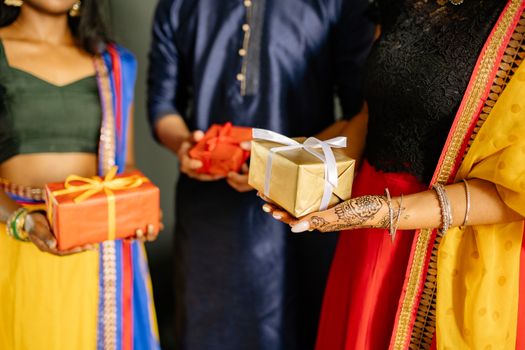
It was a box of artisanal dark chocolates, individually wrapped, from a small chocolatier near my hometown in Belgium – a small piece of my world, carefully chosen and carried across continents. I presented it to the family matriarch, a woman whose smile could light up the entire village. I offered it with both hands, a slight bow, and a simple, heartfelt "Khop Jai Laai Laai" (thank you very much).
The way her eyes lit up, the genuine surprise, the gentle way she accepted it – it wasn't just about the chocolate. It was about the gesture, the bridge we'd built. That evening, I wasn't just a guest; I was family. They invited me to participate in a Baci ceremony, a traditional blessing reserved for special occasions, where white cotton strings were tied around my wrists, each knot a wish for good fortune. It was an experience so profoundly intimate and beautiful, so far beyond anything a tour guide could offer, that it etched itself onto my soul. It was a door opened by a simple, thoughtful gift.
This, my fellow adventurers, is the secret power of gift-giving etiquette when you travel. It's not about bribery or obligation. It's about respect, gratitude, and a profound understanding that some of the most unforgettable experiences on this planet aren't bought with money, but earned with connection. On Tripsora, we're all about diving deep, and trust me, mastering the art of the thoughtful token is one of the most powerful tools in your travel arsenal. It’s how you move from merely observing a culture to truly experiencing it – doors you need to experience before you die.
The Heart of the Matter: Why Gifts Are More Than Objects
In our fast-paced, often transactional world, we sometimes forget the profound human connection that a well-chosen gift can foster. When you’re traveling, this connection is amplified. A gift, when given with sincerity and cultural awareness, communicates a universal message: "I see you. I appreciate you. I respect your culture."
It’s an investment, not in monetary returns, but in goodwill. It can:
- Break the Ice: Especially in cultures where direct conversation can be slow to start, a small gift can be an immediate common ground, a talking point, and a sign of good intentions.
- Show Gratitude: Beyond a simple "thank you," a gift demonstrates deeper appreciation for hospitality, help, or guidance.
- Build Bridges: It transcends language barriers, creating a shared moment of generosity and reception. It says, "I value this interaction."
- Unlock Authenticity: As in my Laos story, these gestures often lead to invitations into homes, participation in local rituals, or access to hidden gems that no guidebook could ever reveal. You become part of the narrative, not just an observer.
Think of it as adding a layer of depth to your interactions. Instead of just buying a souvenir from a shop, you’re creating a memory, a bond, and often, a story that lasts far longer than any trinket.
Your Global Gift Compass: Research is Your Best Friend
Before you even pack your bags, a little homework can save you from a major cultural faux pas and ensure your thoughtful gesture lands perfectly. What’s considered polite in one country can be deeply offensive in another.
Key areas to research:
- Cultural Taboos:
- Colors: In China, white is associated with funerals; red is lucky. In parts of the Middle East, black can signify mourning.
- Numbers: In Japan, sets of four (shi) and nine (ku) are associated with death and suffering. Avoid them.
- Types of Items: Clocks (China, "giving a clock" sounds like "attending a funeral") and sharp objects like knives or scissors (symbolize cutting ties in many cultures, including China and parts of Latin America) are often no-gos. Handkerchiefs (associated with tears) are also generally avoided.
- Religious/Spiritual: In many Muslim countries, alcohol and pork products are forbidden. In India, anything made of leather (especially cowhide) can be offensive due to the reverence for cows.
- Appropriate Value:
- Not Too Expensive: An overly lavish gift can be embarrassing, make the recipient feel indebted, or even be perceived as a bribe. The goal is thoughtfulness, not extravagance.
- Not Too Cheap: Conversely, a flimsy, thoughtless gift can convey disrespect. Aim for quality over quantity, something that shows effort and consideration.
- The Sweet Spot: Often, a mid-range, locally sourced item from your home country, or a high-quality consumable, hits the mark.
- Recipient Considerations:
- Age and Gender: A gift for a child will differ from one for an elder or a business associate.
- Relationship: A small token for a service provider (like a guesthouse owner) will differ from a gift for someone who has offered profound personal hospitality.
- Family vs. Individual: Sometimes a gift for the entire family (like a box of sweets) is more appropriate than an individual item.
Personal Anecdote:
I once almost bought a beautiful, intricately designed pocket knife as a gift for a local guide in Thailand. Thankfully, a quick Google search on my phone (and a polite inquiry to another local friend) revealed that sharp objects are considered bad luck, symbolizing the cutting of a relationship. I quickly pivoted to a high-quality local coffee from my region, wrapped beautifully. Crisis averted, and the coffee was genuinely appreciated.
The Art of the Universal Token: Go-To Gifts That Almost Always Work
While research is crucial, some categories of gifts tend to be universally well-received, provided they align with local taboos. These are your reliable mainstays, your gift-giving comfort zone:
- Consumables from Your Home Country:
- High-Quality Chocolates/Sweets: (e.g., a small box of premium Swiss chocolates, a tin of Scottish shortbread, artisanal Belgian truffles). These are often novel, delicious, and easy to share. Estimated cost: €10-€25 for a good quality box.
- Specialty Coffee/Tea: If you know your hosts are tea or coffee drinkers, a unique blend from your region can be a fantastic, aromatic treat.
- Local Delicacies: Think small, non-perishable items that represent your home cuisine (e.g., gourmet crackers, unique spices, small jars of jam or honey).
- Why they work: They’re enjoyed, shared, and leave no lasting clutter. Plus, they offer a taste of your home.
- Small, Practical, or Beautiful Items:
- High-Quality Stationery: A beautifully designed notebook, a set of elegant pens, or unique bookmarks. These are useful and appreciated across cultures. Estimated cost: $5-$15 for a nice notebook/pen set.
- Artisanal Crafts from Your Region: A small, well-made item that showcases the craftsmanship of your home (e.g., a hand-painted ceramic coaster, a woven keyring, a small piece of local art). Avoid anything mass-produced or tacky.
- Children's Items (if visiting families): Educational toys, quality art supplies (crayons, coloring books), or storybooks in English (if they're learning) are often a hit. Always check with the parents first if possible.
- Why they work: They’re often light, easy to pack, and offer a glimpse into your own culture without being overly expensive.
Personal Anecdote:
During a homestay in rural Italy, I brought a couple of jars of homemade berry jam from my garden. The nonna of the house, a formidable cook, was so touched. She immediately opened one, tasted it, and then spent the next hour showing me her own secret jam-making techniques, sharing family recipes, and even inviting me to pick figs from her orchard for dessert. That simple jam opened up a culinary masterclass and a truly heartwarming connection.
Grace in Giving & Receiving: The Art of Presentation & Timing
The "how" of giving a gift can be as important as the gift itself. It's all part of the etiquette that can make or break the gesture.
- Presentation Matters:
- Wrapping: In many Asian cultures, elaborate and thoughtful wrapping is highly valued. In Japan, the presentation is almost as important as the gift itself. Use good quality paper, ribbons, and avoid tearing.
- Packaging: Ensure the gift is clean, intact, and well-presented.
- The Two-Hand Rule: In many Asian, Middle Eastern, and African cultures, presenting and receiving a gift with both hands is a sign of respect. Use your right hand if only one hand is allowed (e.g., India, Middle East), as the left hand is often considered unclean.
- Timing is Everything:
- Upon Arrival: For hosts, giving a gift shortly after arrival is a common and polite gesture.
- During a Meal/Social Gathering: If it's a social gift, presenting it during a meal or gathering can be appropriate.
- At Departure: Sometimes, a small token of thanks is given at the end of a stay or experience. Observe what locals do.
- The Dance of Acceptance:
- Initial Refusal: In some cultures (e.g., China, Japan), it's customary for the recipient to politely refuse a gift two or three times before accepting. This is a show of humility and politeness. Don't be discouraged; gently insist.
- Opening the Gift: In Japan, it’s considered impolite to open a gift immediately in front of the giver. The recipient will often set it aside to open later. In other cultures, opening it immediately and showing appreciation is expected. Observe your surroundings or ask a trusted local friend beforehand.
- Expressing Gratitude: Always express sincere thanks, whether through words, a bow, or a warm smile.
Personal Anecdote:
I was once invited to a traditional family dinner in Vietnam. I brought a beautifully wrapped box of local artisanal cookies from my home country. When I presented it, the host, with a warm smile, gently pushed it back towards me, then accepted it on my second offering. He then placed it on a side table. Later that evening, after the meal and much conversation, he quietly opened it and shared the cookies with everyone. It taught me the subtle grace of patience and respect in gift-giving.
Beyond the Box: Gifts of Time, Skill, and Shared Humanity
Not every gift needs to be a physical object. Sometimes, the most profound "gifts" are intangible – your time, your skills, or simply your willingness to share a piece of yourself.
- Offer Your Skills: Are you a photographer? Offer to take beautiful portraits of your hosts and send them copies. A language enthusiast? Offer to help them practice English, or teach them a few phrases from your own language. A cook? Offer to prepare a dish from your home country, if appropriate and with permission.
- Share Your World: Bring a small photo album from home to share stories about your family, friends, and daily life. This is a wonderful way to foster mutual understanding and break down cultural barriers. I've found that showing photos of my snowy hometown to people who've never seen snow can lead to hours of fascinating conversation.
- The Gift of Presence and Listening: Sometimes, simply being fully present, listening intently to their stories, and showing genuine interest in their lives and culture is the greatest gift of all. It's a rare commodity in our distracted world.
- Helpful Gestures: Offer to help with chores, assist with a task, or run an errand. These practical acts of kindness can be deeply appreciated, especially in homestay situations.
Personal Anecdote:
In a small village high in the Peruvian Andes, I befriended a young local guide who was passionate about photography but only had an old phone camera. I spent an afternoon showing him some basic composition techniques, how to use natural light, and editing tips on my own phone. We explored the stunning landscapes together, taking photos. A few days later, he surprised me by taking me on a challenging, off-the-beaten-path hike to a hidden glacier lake, a place he said only very few outsiders had ever seen. The gift of knowledge had unlocked a truly breathtaking, once-in-a-lifetime experience.
Regional Rhythms: Specific Country Guides & "Must-Knows"
While the principles of thoughtfulness and research are universal, here’s a quick-fire guide to some common gift-giving nuances around the world:
- Japan:
- Must-knows: Meticulous wrapping is paramount. Use both hands. Never open gifts immediately. Avoid sets of 4 or 9. White flowers are for funerals.
- Good Gifts: High-quality local sweets or snacks from your home, beautiful stationery, small artisanal crafts. Typical price range for small gifts: ¥1,000-¥3,000 (approx. $7-$20 USD).
- China:
- Must-knows: Give and receive with both hands. Expect initial refusal (insist gently 2-3 times). Avoid clocks (sounds like "attending a funeral"), sharp objects (cutting ties), green hats (implies infidelity for men), white flowers.
- Good Gifts: Local specialties from your home, high-quality tea, Western brand chocolates, liquor (if you know they drink). Typical price range for small gifts: ¥50-¥150 (approx. $7-$20 USD).
- India:
- Must-knows: Give and receive with your right hand. Avoid leather products (especially cowhide), alcohol (unless you know they consume it), frangipani flowers (used in funerals).
- Good Gifts: Sweets, fresh flowers (check meaning, avoid frangipani), small handicrafts from your home, high-quality pens. Typical price range for small gifts: ₹500-₹1,500 (approx. $6-$18 USD).
- Middle East (General):
- Must-knows: Give and receive with your right hand. Avoid alcohol, pork products, and gifts that are too expensive (can be embarrassing).
- Good Gifts: Dates, high-quality sweets, specialty coffee/tea, small decorative items from your home. Typical price range for small gifts: 50-150 AED/SAR (approx. $14-$40 USD).
- Latin America (General):
- Must-knows: Small, thoughtful gifts are appreciated. Overly expensive gifts can be awkward. Flowers are often given, but check their meaning (e.g., yellow roses can imply contempt in some regions).
- Good Gifts: Chocolates, crafts from your home country, small books, items for children if visiting families. Typical price range for small gifts: $10-$25 USD.
- Southeast Asia (General):
- Must-knows: Consumables and small tokens are well-received. Avoid touching someone's head.
- Good Gifts: Individually wrapped sweets, local crafts from your home, small practical items. Typical price range for small gifts: $5-$15 USD.
Remember, these are general guidelines. The best approach is always to observe, ask a trusted local discreetly if you're unsure, and prioritize the spirit of generosity and respect above all else. The value of the gift is almost always secondary to the thoughtfulness behind it.
Your Next Adventure Awaits: Open Those Doors!
Traveling is about more than ticking off landmarks; it's about connecting with humanity in all its glorious forms. And few things facilitate that connection as powerfully as a thoughtfully chosen, culturally appropriate gift. It's a silent language of respect, an open invitation to deeper understanding, and a key to unlocking experiences that transcend the ordinary.
From the quiet dignity of a Japanese tea ceremony shared with a newfound friend, to the joyous laughter of children receiving a small toy in a remote village, these are the moments that truly enrich our lives. These are the doors you need to experience before you die.
So, as you plan your next Tripsora-worthy adventure, don't just pack your bags; pack a little piece of your heart, wrapped with care and cultural awareness. What doors will you open? Share your own gift-giving stories and tips in the comments below – let's inspire each other to travel with even more connection and grace!