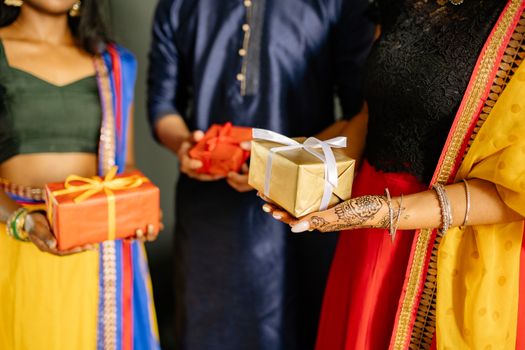
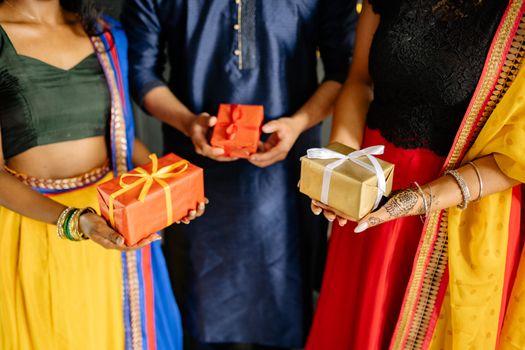
Picture this: I’m standing on a dusty road just outside a small village in rural Laos, the humid air thick with the scent of woodsmoke and damp earth. My guide, a kind-eyed man named Somchai, has just introduced me to a family whose home I’ll be staying in for the night – a simple, beautiful stilt house overlooking emerald rice paddies. As we exchange polite greetings, I reach into my daypack and pull out a small, carefully wrapped package. It’s not much – a tin of artisanal tea from my home country, known for its unique blend, and a small, beautifully illustrated children’s book about my city, translated into basic English and Lao.
The family’s matriarch, initially reserved, takes the gifts with both hands, her eyes widening slightly at the vibrant illustrations in the book. Somchai translates my simple explanation: “A small token of gratitude from my home, to yours.” A ripple of smiles spreads across their faces. The children, shy at first, gather around the book, pointing at pictures of skyscrapers and bustling markets so different from their quiet village.
That evening, over a shared meal of sticky rice and fragrant curries, the conversation flowed with an ease I hadn’t anticipated. The tea was brewed, the book became a talking point, and I felt less like a tourist and more like a cherished guest. That small, thoughtful gesture, planned weeks in advance, hadn't just opened a door; it had opened hearts, paving the way for one of the most authentic and memorable travel experiences of my life.
This, my fellow wanderlusters, is the magic of what I call "pre-emptive present-giving" – a powerful, yet often overlooked, facet of travel etiquette that opens doors before they even become mainstream. It’s about more than just a souvenir; it’s a strategic, heartfelt gesture that transforms your journey from a checklist of sights into a tapestry of genuine human connection.
The Philosophy of the Pre-Emptive Present: More Than Just a Souvenir
In our interconnected world, it’s easy to think that material wealth or fluent language skills are the keys to unlocking authentic experiences. But often, it's something far simpler: a well-chosen gift, offered with genuine respect and gratitude. This isn't about buying your way into a good experience; it's about laying the groundwork for mutual respect and appreciation.
Think of it as soft power for the conscious traveler. When you arrive in a new place, whether it’s a homestay in Morocco, a cooking class in Hanoi, or a guided trek through the Peruvian Andes, you are entering someone else's space, culture, and life. A thoughtful gift acknowledges this. It says, "I see you. I appreciate you. I respect your culture, and I'm grateful for the experience you're about to share with me."
This philosophy shifts the focus from "what can I get from this experience?" to "how can I show my appreciation and build a meaningful connection?" It’s a subtle but profound difference that resonates deeply, often leading to unexpected kindness, richer conversations, and insights you’d never find in a guidebook. My guide in Peru, for instance, after receiving a small, high-quality bag of organic coffee beans from my home state, ended up inviting me to his family's annual harvest festival – an experience far beyond anything a standard tour could offer. It was the coffee, but more importantly, the thought behind it, that sparked that connection.
Research is Your Compass: Navigating Cultural Sensitivities
This is where the "pre-emptive" part truly comes into play. Before you even pack your bags, your gift-giving strategy should begin with thorough research. What might be a delightful present in one culture could be an unwitting insult in another. Never, ever assume.
Key areas to research:
- Colors: White, for example, is often associated with funerals and mourning in many Asian cultures, while black can signify mourning in Western societies. Red can be lucky in China but associated with anger in some parts of Africa.
- Numbers: The number four is considered unlucky in China, Japan, and Korea (it sounds like the word for "death"). Thirteen is a widely known unlucky number in many Western cultures.
- Items to Avoid:
- Knives or Scissors: Can symbolize cutting ties or a severing of relationships in many cultures.
- Clocks: In China, giving a clock (送钟, sòng zhōng) sounds like "attending a funeral" (送终, sòng zhōng).
- Handkerchiefs: Can symbolize sadness or tears.
- Alcohol: If your host or their family adheres to religious dietary restrictions (e.g., Islam), alcohol is a strict no-go. Always check!
- Food: Be mindful of allergies, dietary restrictions (vegetarian, vegan, halal, kosher), and religious observances.
- Overly Expensive Gifts: While well-intentioned, these can create a sense of obligation or even embarrassment for the recipient, implying a bribe rather than a gesture of goodwill.
- Local Taboos: Are there specific animals, symbols, or even types of flowers that carry negative connotations?
Practical Tip:
A simple Google search like "gift giving etiquette [country name]" is a fantastic starting point. If you have any local contacts, even a quick message to a friend of a friend can save you from a potential faux pas. I once almost packed a bottle of French wine for a host family in Malaysia, only to realize, after a quick online check, that it would have been highly inappropriate given their Muslim faith. I swapped it last minute for high-quality dates and a beautiful tin of local tea I’d picked up at a specialty store – a much better fit.
The Art of the Thoughtful Token: What to Bring from Home
The best gifts are often small, light, and uniquely representative of your home, yet universally appreciated. They tell a story about where you come from and allow the recipient to share a piece of your world.
Excellent Gift Ideas (often in the $5-$20 USD equivalent range):
- Gourmet Local Snacks: High-quality, non-perishable treats from your region. Think artisanal chocolates, unique hard candies, local honey (ensure customs allow it!), specialty coffee beans or tea blends. Example: A small bag of ethically sourced, local coffee from a specific roaster in Portland, Oregon, wrapped beautifully.
- Handcrafted Small Items: Bookmarks, keychains, small art prints (especially if they depict local landmarks or nature), unique stationery (nice pens, small notebooks). These show effort and taste. Example: A set of beautifully designed postcards featuring street art from your city, or a handcrafted leather bookmark from a local artisan fair.
- Children's Books: If you know there will be children, a beautifully illustrated children's book from your country, perhaps with simple text in English, can be a wonderful gift. It encourages language learning and cultural exchange. Example: "The Little Prince" in English, or a book about local animals from your region.
- High-Quality Stationery: A well-made pen, a small, elegant notebook. These are practical and appreciated in many cultures.
- Postcards or Small Photo Albums: A small album filled with photos of your hometown, family, or local scenery can be incredibly personal and spark conversation.
What to Avoid (beyond cultural taboos):
- Anything that needs batteries or specific maintenance: You don't want to create a burden.
- Overly personal items: Perfumes, clothing (unless you know sizes and preferences very well).
- Bulky or heavy items: Remember, your host has to store it, and you have to carry it.
- Generic tourist trap items: A "I ❤️ NYC" t-shirt might be fun, but it lacks the thoughtfulness of something truly unique.
When I visited Kyoto, I brought a small selection of organic, herbal teas from a local farm near my home. I gave a beautifully packaged tin, costing about $15, to the owner of the ryokan (traditional inn) where I was staying. She was delighted, not just by the tea, but by the story I shared about its origin and how it represented my home. It was a small exchange, but it deepened our interaction significantly.
The When and How: Timing, Presentation, and the Art of Giving
The act of giving is as important as the gift itself. It's a delicate dance of respect and intention.
Timing is Key:
- Upon Arrival: For hosts, guides, or anyone you'll be spending significant time with, presenting the gift shortly after introductions is often ideal. It sets a positive tone.
- At the End: For exceptional service from someone you've interacted with briefly (e.g., a particularly helpful shopkeeper, a driver who went above and beyond), giving a small token at the end of the interaction can be a beautiful gesture of thanks.
- Never Demand Reciprocation: The gift should be given freely, without expectation of anything in return.
Presentation Matters:
- Thoughtful Wrapping: While you don't need elaborate bows, a neatly wrapped gift (even in simple paper or a small cloth bag) shows care. Avoid crumpled paper or a gift pulled hastily from a plastic bag.
- Handwritten Note: A short, sincere handwritten note, even translated into a few simple phrases in the local language, adds a personal touch.
- The Act of Giving:
- Use Both Hands: In many Asian cultures, presenting and receiving a gift with both hands is a sign of respect.
- Polite Refusal (Common): In some cultures (e.g., Japan, China), it's common for the recipient to politely refuse a gift once or twice before accepting. Don't be discouraged; gently insist once or twice more, explaining your sincere intention.
- Don't Open Immediately: In many cultures, gifts are not opened immediately in front of the giver. Respect this tradition. If they do open it, observe their reaction, but don't press for effusive praise.
- Be Humble: Present the gift humbly, perhaps saying "This is just a small token," or "I hope you enjoy this little something from my home."
I remember offering a small, hand-painted ceramic coaster from Portugal to an artisan in a small village near Lisbon, whose workshop I had admired. He initially waved his hand, saying "Oh, no need, no need!" But when I gently insisted, explaining it was a small piece of my own culture I wanted to share, he accepted with a warm smile, holding the coaster carefully as if it were a treasure. That simple exchange led to an hour-long conversation about our respective crafts and cultures.
Beyond the Exchange: The Ripple Effect
The beauty of pre-emptive gift-giving isn't just in the moment of exchange; it's in the ripple effect it creates. The gift is a catalyst, an icebreaker, a memory. It’s the starting point for a deeper connection, not the end of a transaction.
- Opens Conversation: The gift provides a natural segue into talking about your home, your culture, and theirs. It creates a shared point of interest.
- Creates Lasting Memories: For both you and the recipient, the memory of that thoughtful gesture will often outlast any other tourist interaction.
- Follow-Up: Don't underestimate the power of a simple follow-up. A thank-you note, a postcard from your next destination, or sharing photos of your time together (if appropriate) can solidify the bond. I still occasionally exchange emails with the family in Laos, a connection sparked by that children's book and tin of tea. They even sent me a beautiful handmade textile from their village a year later!
This holistic approach transforms travel from mere observation into active participation and genuine relationship building. It's about leaving a positive footprint, one thoughtful gesture at a time.
Common Gift-Giving Faux Pas to Avoid
While the above focuses on what to do, knowing what not to do is equally crucial.
- Offering Money (Unless Specific Norm): Generally, avoid giving money as a gift unless you are certain it is a cultural norm for a specific occasion (e.g., red envelopes for Chinese New Year, wedding gifts in some cultures). Outside of these specific contexts, it can be seen as offensive, implying charity or even a bribe.
- Overly Expensive Gifts: As mentioned, these can create discomfort, obligation, or be misinterpreted. The goal is thoughtfulness, not extravagance.
- Items with Controversial Symbols: Steer clear of flags, political imagery, or anything that could be perceived as religiously or culturally insensitive or divisive.
- Perishable Items (Unless for Immediate Consumption): Fresh flowers, fruit, or homemade baked goods can be lovely, but ensure they can be consumed or enjoyed immediately, especially if you don't know the host's schedule or preferences. Otherwise, they might go to waste.
- Bulky, Heavy, or Fragile Items: These are a burden for both you to transport and for the recipient to store or display.
- Unwrapped or Poorly Presented Gifts: A gift tossed carelessly or in a crumpled bag loses its impact and can suggest a lack of respect.
- Clearly Re-Gifted or Generic Tourist Trap Items: If it looks like something you picked up at the airport on a whim, it will likely feel like it. The effort and intention are what count.
The Ultimate Travel Hack: Connect, Don't Just Collect
In a world increasingly focused on ticking off bucket list items and snapping the perfect Instagram shot, the true magic of travel often lies in the human connections we forge. Pre-emptive present-giving isn't just an etiquette tip; it's an ultimate travel hack for unlocking deeper, more meaningful experiences. It's an investment in goodwill, a bridge between cultures, and a testament to the fact that a small gesture can carry immense weight.
So, on your next adventure, don't just pack your passport and your camera. Pack a piece of your heart, beautifully wrapped, ready to share. Research that local tea, find that artisanal chocolate, or pick out that charming children's book. Trust me, the doors it will open, the smiles it will elicit, and the stories it will inspire will be far more valuable than any souvenir you could ever buy.
What's your go-to thoughtful travel gift? Have you ever had a gift-giving experience that completely transformed your trip? Share your stories and tips in the comments below! Let's inspire each other to travel with more intention and connection. Bookmark this guide for your next adventure – your passport to deeper experiences starts here!
---