Secret Havens: The Sustainable Destinations Locals Don't Want You To Know (But I'm Telling You Anyway!)
I remember it like it was yesterday: the hum of cicadas, the scent of damp earth and blooming jasmine, and the overwhelming feeling that I had stumbled upon something truly special. I was deep in the Osa Peninsula, Costa Rica, staying in a rustic eco-lodge accessible only by a small boat and a bumpy jeep track. One evening, sharing a Gallo Pinto with the lodge owner, a kind man named Mateo, he looked at me with a knowing smile. "You know," he said, "most tourists, they go to Arenal, Manuel Antonio. They never see this Costa Rica." He gestled to the dense, vibrant jungle surrounding us. "And that's okay. We like it that way."
His words struck a chord. In a world increasingly dominated by overtourism, where once-pristine locations are being loved to death, there’s a quiet revolution happening. Certain countries, and specific regions within them, are pioneering truly sustainable tourism models. They’re not just putting a "green" label on things; they’re deeply embedded in community-led conservation, cultural preservation, and low-impact travel. The catch? These aren't the places plastered all over Instagram, nor are they the ones tour operators aggressively push. They are, in essence, the sustainable secrets locals would rather keep to themselves.
And honestly, I get it. The allure of an untouched paradise is powerful, and the fear of it being "discovered" is real. But as a travel blogger, my mission is to inspire better travel – travel that enriches, respects, and preserves. So, with a deep breath and a promise to you, my fellow conscious adventurers, to tread lightly and respectfully, I’m going to let you in on some of these extraordinary places. Consider this your exclusive invitation to explore the world’s quietest, most impactful sustainable destinations.
Why Locals Keep Their Sustainable Secrets: The Paradox of Paradise
Before we dive into the specific destinations, let’s understand the "why." Why the secrecy? It’s not out of malice, but out of a profound love and understanding of their home. Overtourism is a silent killer of authenticity, a polluter of environments, and a disruptor of local life. Imagine your quiet village suddenly swamped by thousands of visitors, your traditions commodified, your natural resources strained. It’s a nightmare scenario that many popular destinations are already living.
The countries and communities I’m about to share have often learned from the mistakes of others, or have proactively implemented strategies to prevent such degradation. Their sustainability isn't just about eco-friendly hotels; it's about:
- Community Empowerment: Locals are at the forefront of tourism development, ensuring benefits stay within the community and traditions are respected.
- Environmental Preservation: Strict regulations, conservation efforts, and education are paramount, often funded directly by tourism.
- Cultural Authenticity: Experiences are designed to offer genuine cultural exchange, not performative shows.
- High Value, Low Impact: Often, the focus is on attracting fewer, more discerning travelers who are willing to pay a premium for a truly responsible and unique experience, thereby minimizing environmental strain while maximizing economic benefit.
When you visit these places, you’re not just a tourist; you’re a guest, an ally in their mission to maintain balance. And that’s a privilege worth earning.
The Art of Disappearing: How to Be a Low-Impact Explorer
To truly appreciate these hidden sustainable havens, you need to adopt a different mindset. This isn't about ticking off landmarks; it's about immersion, respect, and leaving no trace. Here's how you can "disappear" and become the kind of traveler locals do want:
- Go Slow: Embrace slow travel. Spend more time in fewer places. This reduces your carbon footprint, allows for deeper connections, and supports local businesses for longer.
- Support Local, Truly Local: Eat at family-run restaurants, stay in locally owned guesthouses or eco-lodges, hire local guides, and buy handmade crafts directly from artisans. Avoid large, international chains.
- Learn the Lingo (Even a Little): A few phrases in the local language (hello, thank you, please) go a long way in showing respect and opening doors to genuine interactions.
- Pack Light, Pack Smart: Minimize waste by bringing reusable water bottles, shopping bags, and toiletries. Take all your trash with you.
- Respect Wildlife & Nature: Follow designated paths, maintain a safe distance from animals, and never take souvenirs from nature (shells, rocks, plants).
- Be Culturally Sensitive: Dress modestly where appropriate, ask permission before taking photos of people, and learn about local customs and traditions.
- Choose Eco-Certified Operators: Look for accommodations and tour operators with credible eco-certifications (e.g., Green Globe, Rainforest Alliance, local certifications).
- Offset Your Carbon Footprint: While not a solution in itself, offsetting your flight emissions through reputable programs is a good step.
Now, let's unveil some of these extraordinary destinations.
---
1. Costa Rica: Beyond the Beach Resorts – The Wild Heart of Osa
Yes, Costa Rica is well-known for its eco-tourism. But dig deeper than the popular spots like La Fortuna or Manuel Antonio, and you'll find places like the Osa Peninsula. This remote, biodiverse haven on the Pacific coast is often called "the most biologically intense place on Earth" by National Geographic. And the locals here are fiercely protective of it.
Why it's a secret:
Getting to Osa isn't easy, which is part of its charm. Roads are rough, and air travel involves small propeller planes. This natural barrier keeps mass tourism at bay, allowing the jungle to thrive and communities to develop truly sustainable models.
What makes it sustainable:
The Osa Peninsula is home to Corcovado National Park, one of the most pristine rainforests globally. Here, tourism is strictly controlled. Many lodges are 100% off-grid, running on solar power, collecting rainwater, and implementing rigorous waste management. You'll find community-based initiatives like the Dos Brazos de Rio Tigre project, where former gold miners have transitioned into eco-tourism, offering guided jungle treks and sharing their deep knowledge of the forest.
My Experience:
My trip to an eco-lodge near Drake Bay was transformative. I woke to howler monkeys, spent days hiking through primary rainforest with a local guide (who spotted a tapir!), and evenings watching the stars from my open-air cabin. One night, a local chef taught me to make patacones with plantains he’d grown himself. It wasn't just a vacation; it was an education in living in harmony with nature. A 3-day, 2-night stay at a mid-range eco-lodge (like La Paloma Lodge or Luna Lodge) often includes meals and guided tours, costing roughly $500-$800 USD per person. This isn't budget travel, but the value for the immersive, low-impact experience is unparalleled.
Instagram-worthy moment:
A close-up shot of a scarlet macaw flying overhead, or the misty jungle canopy at dawn from your balcony.
---
2. Slovenia: Europe's Green Jewel – The Alpine Villages of Logar Valley
Slovenia consistently ranks as one of the greenest countries in the world. Its capital, Ljubljana, was named Europe's Green Capital, and the country is a pioneer in sustainable development. But beyond the famous Lake Bled or Julian Alps, there are valleys and villages that embody true slow, sustainable tourism. One such place is the Logar Valley (Logarska Dolina).
Why it's a secret:
While beautiful, it's not on the main tourist circuit. Tucked away in the Kamnik-Savinja Alps, it requires a deliberate journey, often involving winding mountain roads. Its focus is on agritourism and quiet appreciation of nature, rather than bustling attractions.
What makes it sustainable:
Logar Valley is an example of a "landscape park" – a protected area where human activity and nature coexist. Here, you'll find family-run "turistična kmetija" (tourist farms) that offer accommodation, home-cooked meals made from their own produce, and activities like hiking, cycling, and even helping with farm chores. These farms are deeply committed to organic practices and preserving traditional Alpine culture. They offer an authentic glimpse into Slovenian rural life, directly supporting local families and their heritage.
My Experience:
I spent a week staying at a farm in Solčava, just outside Logar Valley. My hosts, Marjeta and Jože, welcomed me like family. I woke up to the smell of fresh bread, spent days hiking to stunning waterfalls (Rinka Waterfall is a must-see!), and evenings sharing conversations over homemade elderflower syrup and žganci (buckwheat spoonbread). There was no Wi-Fi in my charming wooden room, forcing me to truly disconnect. A stay at a tourist farm can range from €40-€80 per person per night, often including breakfast and dinner, offering incredible value and a profound connection to the land.
Instagram-worthy moment:
Golden hour light hitting the majestic peaks surrounding Logar Valley, or a plate of delicious, farm-fresh homemade food.
---
3. Palau: Protecting Paradise – The World's First Shark Sanctuary
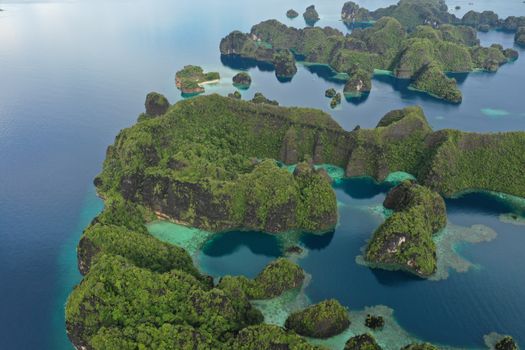
If you're a diver or marine enthusiast, you might have heard of Palau. But what many don't realize is just how radical and comprehensive its approach to sustainable tourism truly is. This tiny island nation in Micronesia is a global leader in marine conservation.
Why it's a secret:
Palau isn't a casual beach holiday destination. It’s expensive to get to, and once there, visitors must sign the Palau Pledge, an immigration policy requiring them to promise to protect the environment. This immediately signals that Palau is for serious, responsible travelers.
What makes it sustainable:
Palau declared itself the world's first shark sanctuary in 2009. In 2015, it created the Palau National Marine Sanctuary, protecting 80% of its exclusive economic zone from fishing and mining. This means pristine reefs, abundant marine life, and unparalleled diving. Tourism is high-value, low-impact: fewer visitors, but those who come contribute significantly to conservation efforts through permit fees and responsible operator choices. Every tourist dollar supports the protection of this incredible ecosystem.
My Experience:
Diving in Palau felt like entering an alien world – in the best possible way. Schools of barracuda, manta rays gliding effortlessly, and the vibrant coral gardens were breathtaking. But it was the Palauan people's dedication that truly impressed me. My dive master, a local named Kaleb, spoke passionately about the importance of protecting their waters. We meticulously followed all rules – no touching, no taking, just observing. A 7-day dive package, including accommodation and multiple dives, can range from $2,000-$4,000 USD, but it’s an investment in experiencing and supporting a truly unique, protected environment.
Instagram-worthy moment:
A vibrant coral reef teeming with fish, or a selfie with your signed Palau Pledge.
---
4. Bhutan: The "High Value, Low Impact" Kingdom
Bhutan is perhaps the ultimate example of a country that proactively manages tourism to ensure sustainability and cultural preservation. It's not a secret because locals don't want you to know; it's a secret because they've carefully curated who gets to know it.
Why it's a secret:
Bhutan operates under a "High Value, Low Impact" tourism policy. All tourists (except Indian nationals) must book their trip through a licensed Bhutanese tour operator and pay a Sustainable Development Fee (SDF) of $100 USD per person per night. This fee directly funds free education, healthcare, infrastructure, and environmental conservation, ensuring tourism benefits all Bhutanese citizens. It’s a deliberate strategy to prevent mass tourism and protect their unique culture and pristine environment.
What makes it sustainable:
The SDF is the cornerstone of Bhutan's sustainable model. It ensures that tourism is a net positive for the country. Beyond the fee, Bhutanese operators emphasize cultural immersion, spiritual journeys, and trekking through untouched Himalayan landscapes. There's a strong focus on local guides, traditional guesthouses, and locally sourced food. The Gross National Happiness (GNH) philosophy, which prioritizes well-being over economic growth, permeates every aspect of their society, including tourism.
My Experience:
My journey to Bhutan was a pilgrimage of sorts. Trekking to the iconic Tiger's Nest Monastery, I felt a profound sense of peace and wonder. But it was the interactions with the Bhutanese people – their kindness, their deep spiritual connection to the land, and their unwavering commitment to their unique way of life – that left the most lasting impression. My guide, Tashi, patiently explained the intricate Buddhist murals and shared stories of his village. The cost might seem high (a typical 7-day tour, including SDF, guide, accommodation, and meals, can be $2,000-$3,500 USD), but it's an investment in a truly ethical and unforgettable experience.
Instagram-worthy moment:
The majestic Tiger's Nest Monastery clinging to a cliffside, or a candid shot of a colorful prayer flag fluttering in the mountain breeze.
---
5. Finland: Wilderness & Sámi Culture – The Unspoiled North
Finland, particularly its vast northern regions, offers a unique blend of pristine wilderness and deep respect for indigenous culture, making it a sustainable traveler's dream. While Helsinki is a popular city break, the true sustainable heart lies in Lapland and its lesser-known national parks.
Why it's a secret:
Most visitors to Lapland flock to Rovaniemi for Santa Claus. However, the true sustainable gems are found further north, in areas like Inari-Saariselkä or the Käsivarsi Wilderness Area, where the indigenous Sámi people live and their culture thrives. These areas require a longer journey and a willingness to embrace the wild.
What makes it sustainable:
Finland operates under "Everyman's Right" (Jokamiehen oikeudet), which grants everyone the freedom to roam the natural environment, pick berries, and fish, regardless of land ownership – but with the explicit responsibility to "leave no trace." In Sámi areas, tourism often revolves around respectful engagement with Sámi culture, reindeer herding, and low-impact activities like cross-country skiing, snowshoeing, and hiking. Many small, family-run enterprises offer authentic experiences, directly benefiting local communities and preserving their traditions. Sustainable practices are ingrained, from energy-efficient cabins to responsible waste management in wilderness huts.
My Experience:
My winter trip to Inari was magical. I stayed in a cozy cabin run by a Sámi family, where I learned about reindeer herding and enjoyed traditional Sámi food like poronkäristys (sautéed reindeer). We went snowshoeing through silent, snow-laden forests, and one unforgettable night, the Northern Lights danced across the sky. My guide, a young Sámi woman named Elina, shared stories of her ancestors and the challenges of balancing tradition with modernity. A 5-day trip focusing on cultural immersion and wilderness activities, including accommodation and some meals, could range from €1,000-€1,800 EUR, depending on activities like husky sledding or aurora hunting tours.
Instagram-worthy moment:
A vibrant display of the Northern Lights over a snowy landscape, or a close-up of a reindeer in its natural habitat.
---
Your Call to Action: Be the Change You Wish to See in Travel
These destinations aren't just places on a map; they're living examples of what's possible when tourism is approached with respect, intention, and a deep understanding of its impact. The "secret" isn't about hoarding these places; it's about safeguarding them.
By choosing to visit these countries and regions with a conscious mindset, you become an active participant in their preservation. You're not just taking photos; you're investing in communities, protecting ecosystems, and ensuring that the magic endures.
So, the next time you dream of an escape, think beyond the crowded hotspots. Seek out the quiet corners, the community-led initiatives, and the places where locals are working tirelessly to maintain their slice of paradise. Go there, be present, learn, and leave only footprints (the sustainable kind, of course).
Have you discovered a hidden sustainable gem? Share your experiences and tips in the comments below! Let's build a community of conscious travelers who truly make a difference.
---