Timeless Villages: My Life-Changing Journey Where Time Stood Still
I remember the exact moment. It was 3 AM, my laptop screen glowing a harsh blue, another deadline looming, another notification buzzing. My apartment, once a sanctuary, felt like a cage of my own making, filled with gadgets and a never-ending to-do list. I was "connected" to everyone, yet felt utterly alone and profoundly disconnected from myself. That night, something snapped. I craved silence. I craved realness. I craved a world where time wasn't a commodity to be optimized, but a river to be gently flowed with.
That craving led me down a rabbit hole of research, past bustling cities and popular beaches, to whispers of places untouched by the last century's relentless march of progress. Villages, often nestled deep in mountains or hidden by dense forests, where life continued much as it had for generations. Places where the internet was a foreign concept, and the rhythm of the day was dictated by the sun, the seasons, and the simple needs of community. I didn't know it then, but these journeys would not just offer a temporary escape, but a permanent recalibration of my soul.
The Siren Call of Simplicity: Why I Chose the Unbeaten Path
My initial motivation was simple: a digital detox. I wanted to see if I could survive without Wi-Fi, without constant updates, without the pressure to perform for an invisible audience. But as I delved deeper, the allure grew beyond mere abstinence. I yearned for authenticity, for the kind of human connection that isn't mediated by screens. I wanted to witness traditions that hadn't been packaged for tourists, to taste food grown and prepared with ancestral wisdom, and to understand how people thrived without the conveniences I considered indispensable.
The idea of "time stopping 100 years ago" isn't literal, of course. These villages aren't frozen in amber. Instead, they represent a resistance to the pace and values of modern industrial society. They embody self-sufficiency, communal living, and a profound respect for nature that feels utterly radical in our hyper-consumerist world. This wasn't just a trip; it was an anthropological quest into the heart of what it means to be human, stripped bare of our modern anxieties.
Whispers of the Past: My Alpine Awakening in 'Valle Sospesa'
My first true immersion took me to a remote corner of the Italian Dolomites, a place I'll call 'Valle Sospesa' (Suspended Valley) to protect its delicate peace. Reaching it was an adventure in itself: a series of increasingly smaller trains, a bumpy local bus, and finally, a two-hour hike up a winding mule track that left my lungs burning but my spirit soaring.
The village, clinging to a steep mountainside, was a tapestry of weathered stone houses with slate roofs, each adorned with pots of vibrant geraniums. The air smelled of pine, woodsmoke, and freshly baked bread. There was no main road, just cobbled paths. No streetlights, only the Milky Way blazing overhead. The only sounds were the distant chime of cowbells, the rush of a mountain stream, and the occasional laughter of children playing.
I stayed in a simple guesthouse, run by Maria, a woman whose hands were gnarled from a lifetime of tending her garden and her flock of sheep. My room had a wooden bed, a small window overlooking the valley, and no television or Wi-Fi. The cost? A mere €30 a night, including a breakfast of homemade jams, fresh goat cheese, and crusty bread.
My days unfolded with a quiet rhythm I hadn't known was possible. Mornings began with the rising sun, a mug of strong coffee, and the sight of mist burning off the valley. I'd help Maria gather eggs, learn to identify edible herbs in the meadows, or simply sit on her porch, watching the clouds drift by. In the afternoons, I'd hike the ancient trails, discovering hidden waterfalls and panoramic viewpoints that felt like personal revelations. Evenings were spent around a communal table, sharing simple but incredibly flavorful meals – polenta, wild mushroom stew, rich red wine – with Maria's family and a few other villagers. Conversations flowed slowly, unhurried, focusing on the day's events, local legends, and the changing seasons.
One evening, Maria taught me to knit, her fingers moving with a practiced grace that spoke of generations. As the needles clicked rhythmically, she told me stories of her grandparents, of winters spent snowbound, of the strength of community. In those moments, I felt a connection to something ancient and profound, a sense of belonging I had never experienced in my fast-paced urban life. The mountains, the quiet, the genuine kindness – it was a balm to my weary soul.
Practical Tip for Valle Sospesa (or similar): Pack light but smart. Comfortable hiking boots are essential. Bring a good book, a journal, and a headlamp. Cash is king, as card machines are rare. Learn a few basic phrases in the local language – a simple "Buongiorno" or "Grazie" goes a long way. Expect to walk a lot and disconnect completely. Don't ask for Wi-Fi; embrace the silence.
Into the Heart of Tradition: Life Lessons from 'Ban Phu Pha Dao'
My next journey took me to a completely different landscape: the emerald rice terraces and misty mountains of Southeast Asia. After a grueling overnight bus, a motorbike taxi ride along a treacherous dirt track, and a final trek through dense jungle, I arrived at 'Ban Phu Pha Dao' – a village perched high in the hills, home to an ethnic minority group whose way of life had remained largely unchanged for centuries.
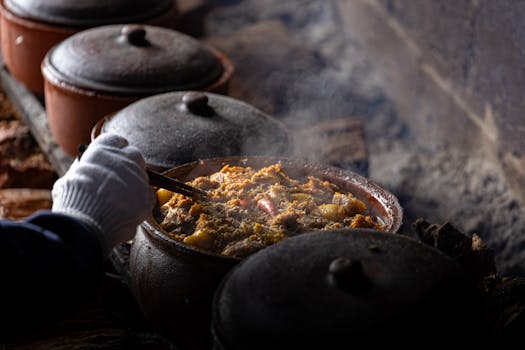
Here, the houses were built on stilts from bamboo and thatch, pigs and chickens roamed freely beneath them, and the air was thick with the scent of woodsmoke and cooking spices. There was no electricity beyond a few solar-powered lights, no running water (just a communal well), and certainly no signal.
I was welcomed into the home of a family through a local guide I'd arranged in the nearest town. My 'accommodation' was a sleeping mat on the floor of their communal living space, covered by a mosquito net. The cost for my stay, including all meals and the invaluable cultural exchange, was about $15-$20 a day, paid directly to the family. This direct contribution felt incredibly meaningful, ensuring my visit directly supported their livelihood.
Days in Ban Phu Pha Dao were a masterclass in self-sufficiency and communal harmony. I woke with the roosters, joining the women as they prepared sticky rice over an open fire. I learned to weave intricate patterns on a backstrap loom, a skill passed down from mother to daughter for generations. I helped in the rice paddies, my feet sinking into the cool mud, feeling the earth beneath my toes. The physical labor was demanding, but the shared effort, the songs sung in unison, and the laughter echoing across the terraces made it feel less like work and more like a shared ritual.
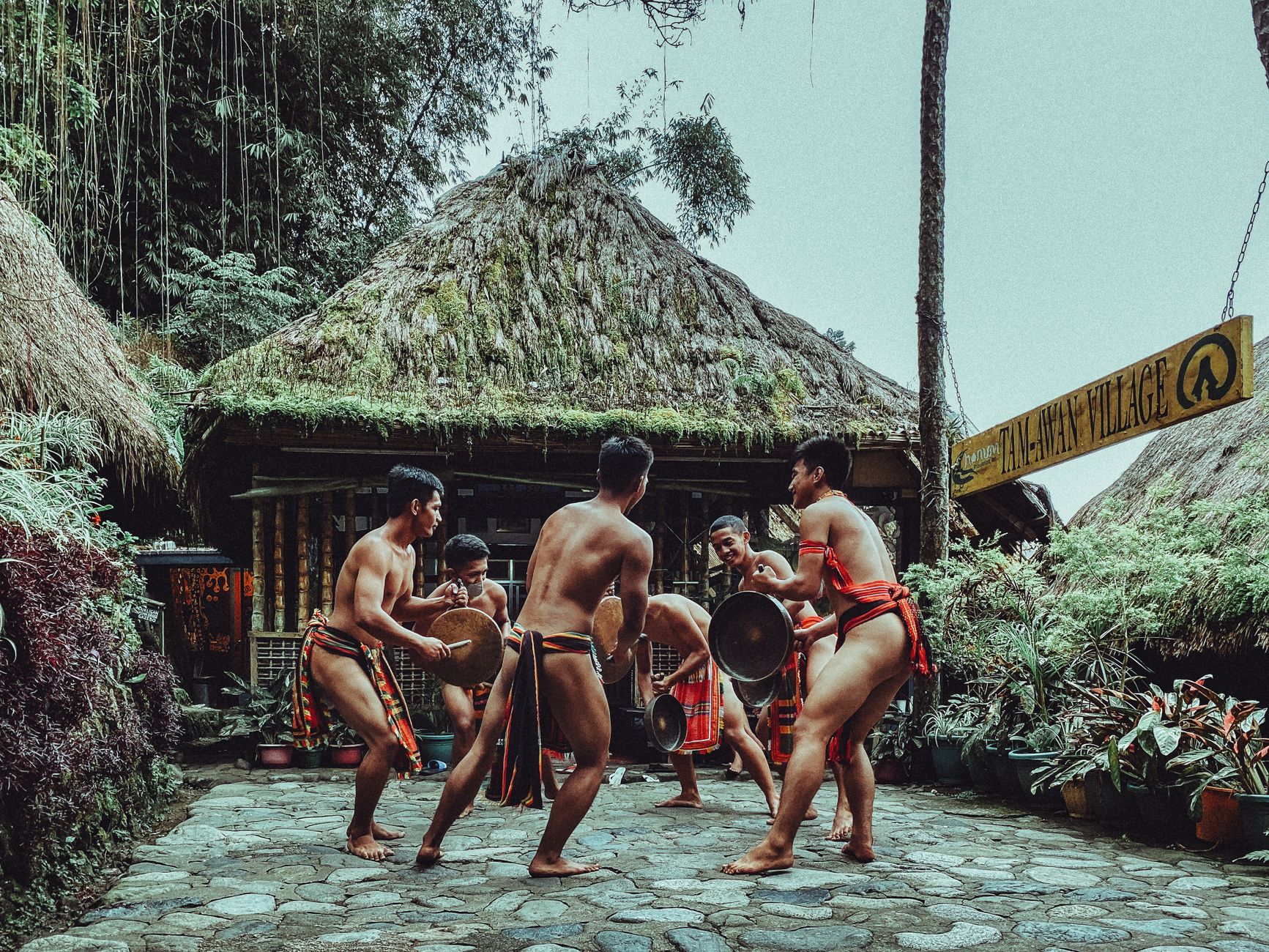
The evenings were magical. After a simple meal of fresh vegetables, rice, and sometimes wild game, the villagers would gather. Children would play games, elders would share stories and legends, and sometimes, a flute or drum would emerge, filling the night with haunting melodies. Language was a barrier, but smiles, gestures, and the universal language of shared humanity bridged the gap. I learned that true wealth isn't measured in possessions, but in strong community bonds, deep respect for elders, and a profound connection to the land that sustains them.
One afternoon, I sat with the village chief, a man whose face was a roadmap of wisdom and resilience. Through my guide, he spoke of their traditions, their challenges, and their hopes. He emphasized the importance of balance – between humans and nature, between individual and community. His words resonated deeply, highlighting the stark contrast with the unbalanced, frantic pace of my own world.
Practical Tips for Ban Phu Pha Dao (or similar remote Asian villages): Research ethical tour operators or guides who work directly with communities. Bring a water filter/purifier. Pack modest clothing (shoulders and knees covered). A small gift for your host family (e.g., school supplies for children, good quality coffee/tea from your home country) is always appreciated. Be prepared for very basic amenities and a complete lack of privacy. Embrace the discomfort; it’s part of the learning. Learn about their customs beforehand to show respect (e.g., don't touch heads, point with feet).
The Unseen Transformation: Lessons from a Slower Life
These journeys weren't just about seeing old ways of life; they were about experiencing them. And in doing so, my own life began to shift.
- Redefining "Needs": I realized how much I owned that I didn't truly need. The villagers, with their few possessions, lived with a richness of spirit that put my material pursuits to shame. My desire for more, more, more evaporated, replaced by a profound appreciation for sufficiency.
- The Power of Presence: Without distractions, I was fully present. I noticed the intricate patterns on a leaf, the nuanced expressions on a face, the subtle changes in the light. My senses, dulled by constant stimulation, reawakened.
- Community as Currency: In these villages, community isn't a concept; it's the bedrock of survival and joy. People rely on each other, celebrate together, mourn together. This starkly contrasted with the individualism prevalent in my urban life, making me rethink my own connections.
- Time as a Friend: Time wasn't a ticking clock but a gentle current. There was no rush, no pressure. This allowed for deeper thought, genuine conversation, and a peacefulness I hadn't known since childhood.
- Connection to Nature: Living in harmony with the land, understanding its cycles, and respecting its power became second nature. It reignited a primal connection I had lost.
Returning to my "normal" life was disorienting at first. The noise, the lights, the sheer volume of information felt overwhelming. But I carried the villages within me. My priorities had fundamentally shifted. I decluttered my apartment and my schedule. I started cooking more, growing herbs on my balcony. I sought out genuine connections, spending less time scrolling and more time talking, listening, being. My work became more intentional, less frantic. The anxiety that had plagued me began to dissipate, replaced by a quiet sense of purpose and contentment.
Planning Your Own Journey Back in Time: A Practical Guide
Inspired to find your own slice of timelessness? Here's how to approach it mindfully:
- Research Deeply, Travel Lightly: Look for "off-the-beaten-path villages," "eco-tourism initiatives," or "cultural immersion experiences." Local tourism boards in less developed regions can be surprisingly helpful. Use resources like Lonely Planet or Rough Guides for general regions, then drill down with niche blogs and forums.
- Embrace Simplicity: These aren't luxury trips. Expect basic amenities – cold showers, squat toilets, no Wi-Fi, simple food. This is part of the experience.
- Budget for Authenticity: Your money goes a long way. Expect to pay for homestays (often around $10-$40/night including meals), local transport, and perhaps a local guide. Always pay directly to the community if possible.
- Learn a Few Phrases: Even a handful of words in the local language shows respect and opens doors. Google Translate offline packs are your friend.
- Pack Smart & Responsibly: Reusable water bottles with purifiers, a headlamp, comfortable walking shoes, modest clothing, basic first-aid, and a journal are essential. Leave non-essentials at home. Minimize plastic waste and carry out what you carry in.
- Cultural Sensitivity is Key: Research local customs, dress codes, and etiquette. Ask before taking photos (especially of people). Be an observer and a learner, not a demanding tourist. Your presence is a privilege.
- Mental Preparation: Go with an open mind and heart. Be prepared for challenges and discomfort. Let go of expectations and embrace the unknown. The most profound moments often arise from unexpected situations.
- Digital Detox: Commit to it. Turn off your phone, or better yet, leave it behind. Allow yourself to be truly present.
Capturing Moments, Not Just Instagram Shots
While the beauty of these villages is undeniably Instagram-worthy, remember the spirit of your visit. Focus on capturing the essence of the place and its people, not just a pretty backdrop for your selfie.
- Ask Permission: Always, always ask before photographing people, especially children. A smile and a gesture often work. Respect a "no."
- Authenticity Over Artifice: Capture genuine moments – a farmer tending his field, children playing, an elder weaving. These tell a deeper story.
- Share the Story, Not Just the Image: When you do share, provide context. Talk about the people, the traditions, the lessons learned. Educate your followers about responsible travel.
- Be Present: Don't spend your entire visit behind a lens. Put the camera down and simply be. The most profound memories are often those you experience, not just photograph.
Your Journey Back to Self Starts Now
My journeys to these timeless villages didn't just change how I travel; they changed how I live. They reminded me that true wealth lies in connection, community, and contentment, not in the relentless pursuit of more. They showed me that slowing down isn't a weakness, but a profound strength.
If you're feeling the same burnout, the same disconnect, I urge you to seek out your own timeless village. It won't be easy to find, and it might not be comfortable, but I promise you this: the lessons you learn, the connections you forge, and the profound sense of peace you discover will be worth every challenging step.
Are you ready to unplug, unwind, and rediscover a part of yourself you didn't know you'd lost? Share your thoughts in the comments below – have you visited a place where time seemed to stand still? What did you learn?