1. The Hook: A Morning in the Silk Road
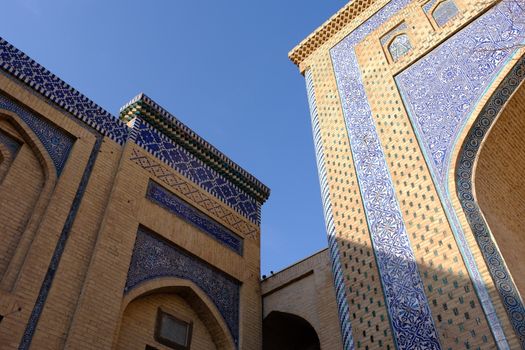
I stepped off the overnight train from Tashkent and was immediately hit by the scent of toasted cumin and hot, dusty brick. It was 6:15 AM in Samarkand, Uzbekistan. The air was crisp, carrying the distant, melodic clinking of a metalworker’s hammer. As I rounded the corner toward the Registan, the sun hit the azure mosaics of the Tilya-Kori Madrasah, turning the entire square into a shimmering, blue-gold hallucination.
There were no tour buses. No selfie sticks blocking the view. Just a lone old man sweeping the stones and the sheer, overwhelming weight of 2,500 years of history. This is the reality of traveling through the former USSR right now: it feels like you’ve stumbled upon the world’s best-kept secret just as the door is swinging wide open.
2. Uzbekistan: The Blue-Tiled Renaissance
Uzbekistan is the undisputed heavyweight champion of the "Stans." For decades, it was a bureaucratic nightmare of "LOIs" (Letters of Invitation) and currency black markets. Today? It’s largely visa-free, connected by the sleek Afrosiyob high-speed train, and safer than most European capitals.
The Draw:
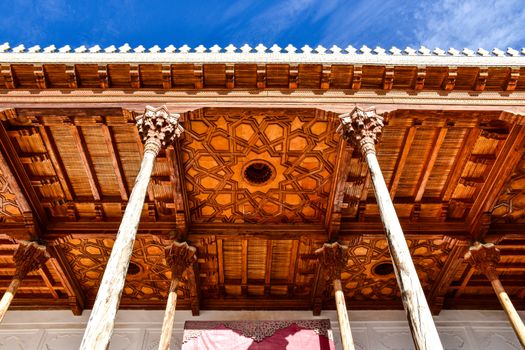
The "Big Three" cities—Samarkand, Bukhara, and Khiva. These aren't just ruins; they are living, breathing monuments to the Silk Road. In Bukhara, you can bargain for hand-woven silk carpets in trading domes that have stood since the 16th century.
The Flavor:
You haven't lived until you’ve tried Plov. This isn't just rice; it’s a cultural obsession. In Tashkent, head to the Central Asian Plov Centre, where massive iron cauldrons (kazans) cook hundreds of kilograms of rice, lamb, yellow carrots, and quail eggs over open wood fires.
> Pro-Tip: To see the Shah-i-Zinda (the Avenue of Mausoleums) in Samarkand without the heat or the crowds, arrive exactly at 7:00 AM. The light hitting the majolica tiles at that hour is a photographer’s fever dream.
3. Georgia: The World’s Kitchen and Wine Cellar
If Uzbekistan is for history buffs, Georgia is for the hedonists. Nestled in the Caucasus Mountains, Georgia has become the "cool kid" of the travel world.
The Vibe:
Tbilisi is a city of contradictions. You’ll find 5th-century fortresses overlooking brutalist Soviet structures, which now house world-class techno clubs like Bassiani (located in the basement of a national sports stadium).
The Wine:
Georgia has been making wine for 8,000 years using qvevri—giant clay jars buried underground. This isn't your standard Chardonnay; it’s amber, tannic, and alive.
The Food:
You will leave five pounds heavier, and you won't care. The Acharuli Khachapuri—a boat-shaped bread filled with molten sulguni cheese, a slab of butter, and a raw egg yolk—is the ultimate comfort food.
> Pro-Tip: Don't just stay in Tbilisi. Take a four-hour drive to Stepantsminda. The view of the Gergeti Trinity Church perched against the backdrop of the towering Mount Kazbek is the single most iconic shot in the country.
4. Kyrgyzstan: The Wild, Nomadic Frontier
For those who find Switzerland too crowded and expensive, Kyrgyzstan is the answer. Over 90% of the country is covered by mountains (the Tian Shan range), and the culture remains deeply rooted in nomadism.
The Experience:
This is the land of the yurt. In the summer months, shepherds move their livestock to the high-altitude pastures (jailoos). You can trek for days without seeing a paved road, sleeping in felt yurts and drinking kymyz (fermented horse milk).
The Adventure:
Horse trekking to Ala-Kul lake. It’s a grueling climb to 3,500 meters, but the sight of the turquoise glacial water surrounded by jagged peaks is a spiritual experience.
> Pro-Tip: Use CBT (Community Based Tourism) Kyrgyzstan. It’s a network that connects travelers directly with local families for homestays and guides, ensuring your money goes straight into the pockets of the villagers.
5. Kazakhstan: Beyond the Borat Stereotypes
Forget the movies; Kazakhstan is a sophisticated, gargantuan powerhouse. Almaty, the former capital, feels more like a leafy European city than a Central Asian outpost.
The Contrast:
In the morning, you can sip a flat white in a specialty coffee shop in Almaty. By afternoon, you can be at Charyn Canyon, which looks like the Grand Canyon’s wilder, more colorful cousin.
The Architecture:
If you want "Future-Shock," head north to the capital, Astana. It’s a surreal skyline of glass towers, a giant tent-shaped mall (Khan Shatyr) designed by Norman Foster, and the Bayterek Tower, which looks like a golden egg held in a giant claw.
> Pro-Tip: The Green Bazaar in Almaty is a sensory overload. Head to the dairy section to try kurut—salty, dried yogurt balls that are the quintessential Kazakh snack. They are an acquired taste, but the locals love them.
6. Estonia: The Digital Fairytale
While the "Stans" offer rugged adventure, Estonia offers a glimpse into a high-tech, medieval future. It is the most "Westernized" of the former Soviet republics, but it retains a distinct, quirky Baltic soul.
The Architecture:
Tallinn’s Old Town is a UNESCO World Heritage site that looks like a gingerbread village. But just a ten-minute walk away is Telliskivi Creative City, a former industrial complex turned into a hub for street art, craft breweries, and start-ups.
The Nature:
Estonians are obsessed with bogs. Seriously. Viru Bog features a wooden boardwalk that takes you through a landscape of stunted pines and dark pools. It’s hauntingly beautiful, especially during the "white nights" of midsummer.
> Pro-Tip: Avoid the tourist-trap restaurants in the Town Hall Square. Instead, find Rataskaevu 16—you’ll need a reservation, but the braised elk and pumpkin seed bread are worth the effort.
7. Why These Countries Are Booming Now
The "Why" is simple: Value, Accessibility, and Authenticity.
1. Visa Liberalization: Uzbekistan, Georgia, and Kazakhstan have slashed red tape. E-visas and visa-free entries are now the norm.
2. The "Anti-Overtourism" Movement: As Venice and Barcelona buckle under crowds, travelers are looking for the "Last Frontier."
3. Infrastructure: The rise of budget airlines like Wizz Air and Air Astana has made reaching these regions cheaper than ever.
8. Quick Facts & Logistics Table
| Country | Best Time to Visit | Daily Budget (Mid-range) | Must-Try Dish | Connectivity |
| :--- | :--- | :--- | :--- | :--- |
| Uzbekistan | April–May / Sept–Oct | $40 - $60 | Plov | High-speed rail |
| Georgia | May–June / Sept–Oct | $50 - $70 | Khachapuri | Bolt / Yandex Go |
| Kyrgyzstan | July–August | $30 - $50 | Beshbarmak | Marshrutkas |
| Kazakhstan | May–September | $60 - $90 | Horse Meat Steak | Modern Metro/Apps |
| Estonia | June–August | $100 - $150 | Black Bread | World-class WiFi |
9. The Verdict
The former USSR is no longer a monolith of concrete and cold weather. It is a kaleidoscope of cultures that have survived empires, silk-road trade, and Soviet planning to emerge as the most exciting travel destinations of the 2020s. Whether you’re drinking wine in a Georgian cellar or watching the stars from a Kyrgyz yurt, one thing is certain: these places won't stay "under-the-radar" for long. Go now, before the rest of the world catches on.
---