The Hook: The Day the Engines Died
I stepped off the train at Pontevedra station in northwestern Spain, braced for the usual station-side chaos of screeching brakes, idling taxis, and diesel exhaust. Instead, my senses were met with something entirely foreign in a modern city: the smell of roasted chestnuts, the rhythmic click-clack of leather-soled shoes on wet granite, and the distant laughter of children playing tag in what used to be a four-lane avenue.
There were no engines. No horn blasts. No metal barriers separating humans from the asphalt.
For the first time in my career as a travel journalist, I could hear my own footsteps.
This is the reality of a quiet revolution. Across the globe, forward-thinking municipalities are reclaiming their streets from the automobile grip. By prioritizing humans over horsepower, these urban environments have unlocked a secret: when you remove cars, culture rushes in to fill the void.
If you want to experience travel as it was meant to be—sensory, spontaneous, and deeply connected—here are the premier car-free cities perfecting urban tourism worth considering right now.
---
1. Pontevedra, Spain: The Galician Blueprint for Pedestrian Paradise
```
[ Plaza de la Verdura ] <--- Tapas & Social Hub (No Cars)
|
[ Granite-Paved Alleys ] <--- Artisanal Shops & Cafes
|
[ Lérez River Walkway ] <--- Natural Pedestrian Border
```
In 1999, Pontevedra’s mayor did something radical: he pedestrianized the entire medieval center within his first month in office. The result? A vibrant, breathing Galician city where the air is clean, carbon emissions have plummeted by 70%, and the streets serve as communal living rooms.
The Vibe
Walking through Pontevedra feels like exploring a private open-air estate. The ground is paved with thick, irregular granite slabs that collect pools of rain, reflecting the warm glow of iron streetlamps. Instead of dodging delivery vans, you wander past Renaissance-era plazas where locals sit outside sipping crisp Albariño wine.
The Taste of Pontevedra
You cannot visit Galicia without eating pulpo á feira (octopus boiled in copper cauldrons, sliced onto wooden platters, and drenched in olive oil and coarse pimentón). Head to the bustling Plaza de la Verdura, where the aroma of grilled seafood drifts from tavern doors.
- Pro-Tip: Skip the midday rush. Arrive at Plaza de la Verdura at precisely 8:30 PM. Find a wooden stool outside Taberna Chasco, order a glass of local draft cider (sidra), and watch the daily paseo (evening stroll) unfold.
---
2. Zermatt, Switzerland: Peak Silence Under the Matterhorn
```
[ Alpine Peaks ] ---> Matterhorn Views (Car-Free Air)
|
[ Zermatt Village ] -> Electric Taxis & Horse Carriages Only
|
[ Vispa River ] ----> Glacier Melt Waterway
```
High in the Swiss Alps, Zermatt has prohibited private combustion-engine vehicles since 1947. This policy preserves the pristine mountain air and guarantees that the iconic, jagged peak of the Matterhorn remains visible through crystal-clear skies, free from smog.
The Vibe
The only sounds here are the soft hum of pint-sized, boxy electric taxis, the clip-clop of horse-drawn carriages, and the rush of the glacier-fed Vispa River. The architecture is a masterclass in alpine preservation: dark larch-wood barns raised on stone stilts (to keep mice out) sit alongside luxury chalets.
The Alpine Scent
The air in Zermatt smells of cold pine needles, woodsmoke, and the rich, bubbling aroma of melted Gruyère and Vacherin cheeses wafting from basement stübis.
- Pro-Tip: To experience the ultimate alpine silence, skip the crowded midday Gornergrat mountain railway. Instead, take the very first cable car up to the Matterhorn Glacier Paradise at 8:30 AM. You’ll stand on the observation deck at 3,883 meters in absolute, meditative stillness before the ski crowds arrive.
---
3. Hydra, Greece: Where Donkeys Rule the Saronic Gulf
```
[ Saronic Gulf ] ---> Water Taxis & Ferry Dock
|
[ Amphitheater Harbor ] -> Stone Mansions & Bougainvillea
|
[ Cobblestone Paths ] --> Donkeys & Pack Mules Only
```
Located just a two-hour ferry ride from Athens, Hydra is a Greek island frozen in time. By presidential decree in the 1950s, wheeled vehicles—including bicycles—are banned. Every piece of luggage, bag of cement, and crate of fresh produce is moved by horse, mule, donkey, or cart.
The Vibe
Hydra’s harbor is shaped like a giant amphitheater, lined with 18th-century stone mansions built by wealthy ship captains. The steep, narrow alleys climb up into the dry hills, framed by cascading pink bougainvillea and white-washed walls.
The Coastal Path
Without the roar of scooters, you can hear the gentle slap of the Aegean Sea against the harbor wall and the soft bells chiming around the necks of passing donkeys.
- Pro-Tip: Avoid the expensive water taxis. Instead, take the rocky coastal footpath from the main harbor west toward the tiny fishing hamlet of Kamini. Stop at Taverna Kondylenia at sunset; order the grilled octopus and a plate of wild greens (horta) harvested from the cliffs that morning.
---
4. Ghent, Belgium: A Flemish Fairytale Reclaimed
```
[ Lys & Scheldt Canals ] -> Kayaks & Electric Boats
|
[ Historic Core ] --------> Pedestrian Zone / Tram Access
|
[ Graslei Quay ] ---------> Social Gathering Spot
```
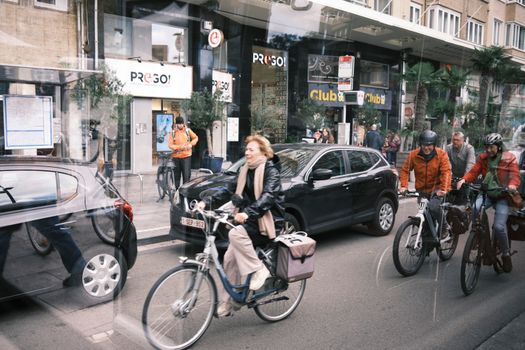
While Brussels struggles with traffic congestion, Ghent quietly implemented its revolutionary Circulation Plan in 2017, doubling the size of its car-free center overnight. The result is a vibrant university city where bicycles and quiet electric trams rule the historic cobblestone streets.
The Vibe
Ghent balances medieval architecture with a gritty, contemporary edge. The canal-side quays of Graslei and Korenlei serve as meeting grounds where students gather with craft beers. Gothic towers loom overhead, illuminated at night by an award-winning, low-energy light design that turns the city into a living oil painting.
The Local Flavor
Walk past the Ghent Altarpiece at St. Bavo’s Cathedral and follow your nose to a local cart selling cuberdons—traditional cone-shaped, raspberry-flavored candies with a soft, jelly-like center.
- Pro-Tip: Rent a wooden kayak from Dokano. They will give you a paddle, a boat, and a trash-grabbing net. If you scoop up plastic waste from the canals while you explore, your rental is completely free. It’s hands-on, sustainable tourism at its finest.
---
5. Giethoorn, Netherlands: The Whispering Waterway
```
[ Thatch-Roof Cottages ]
|
[ Peat Canals ] --------> Whisper Boats (Electric)
|
[ Wooden Footbridges ] -> Pedestrian & Bicycle Traffic
```
Often called the "Venice of the North," this Dutch village in the province of Overijssel has no roads in its old center. Built on peat-extraction land, the village is connected entirely by canals, bicycle paths, and over 170 wooden footbridges.
The Vibe
Giethoorn feels like a living watercolor painting. Immaculate lawns manicured to the millimeter slope down to quiet waterways, framed by giant blue hydrangeas. The houses are 18th-century thatched-roof farmhouses that look as though they were built by forest elves.
The Sound of Silence
The dominant sound in Giethoorn is the splash of oars and the low hum of electric "whisper boats" (fluisterboot).
- Pro-Tip: Giethoorn can suffer from heavy day-tripper crowds between 11:00 AM and 3:00 PM. Book an overnight stay at a local bed-and-breakfast. Rent a private electric boat at 5:30 PM. The day-trippers will have departed, the water will turn to glass, and you will have the canals entirely to yourself under a golden Dutch sky.
---
6. Mackinac Island, USA: Victorian Charm and Great Lakes History
```
[ Lake Huron ] ---------> Ferry Access
|
[ Highway M-185 ] ------> Only Car-Free State Highway in USA
|
[ Historic Downtown ] --> Bicycles & Horse-Drawn Carriages
```
Located in Lake Huron between Michigan’s Upper and Lower Peninsulas, Mackinac Island banned "horseless carriages" in 1898 after local carriage drivers complained they startled the horses. Today, the island remains a sanctuary of Victorian architecture, accessible only by ferry.
The Vibe
The moment you step off the ferry, you are transported back to the Gilded Age. The grand Grand Hotel boasts the world's longest porch, lined with American flags and rocking chairs. The perimeter of the island is circled by Highway M-185, the only state highway in the United States that prohibits motor vehicles.
The Sweet Scent of Mackinac
The island has a very distinct olfactory profile: a mixture of lake breeze, cedar trees, horse manure (which locals call "the smell of money"), and the warm, sugary scent of chocolate fudge being paddled on marble slabs in downtown confectioneries.
- Pro-Tip: Rent a bicycle from Ryba’s Bike Rental right when you arrive. Instead of just riding the flat 8.2-mile coastal loop, pedal inland up the steep hill to Fort Holmes. At the island's highest point, you will find panoramic views of the Straits of Mackinac, completely devoid of crowds.
---
The Logistics & Budget Directory
Planning a trip to a car-free destination requires a bit of forward planning, as you cannot simply hail an Uber from the airport. Here is a breakdown of how to get there, estimated daily costs, and the ideal seasons to visit.
| Destination | Best Time to Visit | How to Get There | Est. Daily Cost | Primary Transport Mode |
| :--- | :--- | :--- | :--- | :--- |
| Pontevedra, Spain | May to October | Fly to Santiago de Compostela (SCQ); 35-min train ride to Pontevedra. | $$ (Affordable) | Walking, walking, and more walking. |
| Zermatt, Switzerland | January to March (Skiing); July to September (Hiking) | Train from Zurich or Geneva to Visp; transfer to the Matterhorn Gotthard Bahn. | $$$$ (Premium) | Electric taxis, mountain railways, cable cars. |
| Hydra, Greece | May, June, or September | Flying to Athens (ATH); 2-hour ferry ride from Piraeus Port. | $$$ (Moderate-High) | Donkeys, water taxis, walking. |
| Ghent, Belgium | April to October | Fly to Brussels (BRU); 40-min direct train to Gent-Sint-Pieters. | $$$ (Moderate) | Bicycles, electric trams, canal boats. |
| Giethoorn, Netherlands | April to May (Tulip season) | Train from Amsterdam to Steenwijk; Bus 70 or 270 directly to the village. | $$$ (Moderate) | Electric "whisper" boats, bicycles. |
| Mackinac Island, USA | June to September | Drive to Mackinaw City or St. Ignace; take the Shepler’s or Star Line ferry. | $$$$ (Premium) | Bicycles, horse-drawn carriages, walking. |
---
Why Car-Free Travel is the Future of Tourism
```
[ Car-Free Urban Design ]
├──> Reduced Noise Pollution -> Enhanced Sensory Travel
├──> Zero Emissions ----------> Cleaner Air & Clearer Skies
└──> Safe Streets ------------> Spontaneous Cultural Discoveries
```
When we travel, we seek connection. We want to connect with the history of a destination, with its local residents, and with the natural environment. Cars act as barriers to that connection. They isolate us in metal bubbles, create noise that drowns out local music, and emit fumes that mask the smell of regional cuisine.
By choosing to visit car-free cities perfecting urban tourism worth considering, you aren't just taking a vacation; you are voting with your wallet for a quieter, cleaner, and more human-centric future.
The next time you plan a journey, leave the car keys behind. Step onto a train, a ferry, or a wooden boat, and let your own two feet guide you into the quiet heart of the world.
---