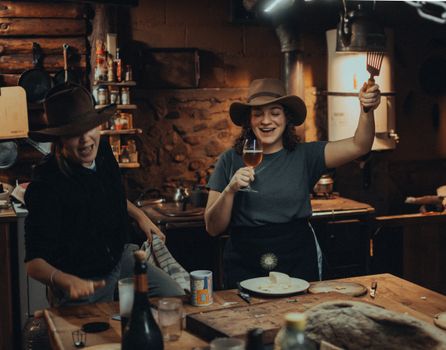
"Farm-to-table" is one of the most overused phrases in food. It appears on menus in busy city centres, on supermarket packaging and in hotel brochures, sometimes with little behind it. Yet the idea itself is wonderful: food that is grown, raised or caught nearby, cooked in season, and eaten close to where it came from. When it is real, it is among the most memorable ways to experience a place.
The best versions of it are often in remote regions, where the distance between field and kitchen is short because there is simply no other option. This guide explains how to find those experiences, what to expect, how to tell the genuine from the marketing, and how to be a good guest. There are no hidden tricks here, only a habit of asking good questions and travelling a little slower.
What farm-to-table really means
There is no universal legal definition of the term, so it helps to look for concrete signs rather than slogans.
- The kitchen can tell you where things come from. A good host will happily say which field the vegetables came from, which neighbour keeps the goats, or which boat landed the fish.
- The menu changes with the season. If the same dishes appear all year round, much of the food is probably coming from somewhere else.
- A short list of dishes. Small kitchens that cook what is available tend to offer fewer options.
- You can see the source. A vegetable garden, an orchard, animals in a paddock, a smokehouse or a dairy are all promising signs.
- Preservation is part of the story. Jams, cured meats, pickles, cheeses and breads show a kitchen that works with the full year, not just a single harvest.
None of these signs is proof on its own, but together they paint a reliable picture.
Why remote places do it best
In a big city, a restaurant can truck in ingredients from anywhere. In an isolated valley, island or mountain village, the supply chain is naturally local. Roads may be limited, shops may be few, and neighbours rely on one another for produce, milk, eggs and meat. Cooking from what is nearby is not a trend, it is simply how life works.
Remote places also tend to keep older food traditions alive: heritage varieties of vegetables, regional cheeses, wild-foraged herbs and fermentation methods handed down through generations. For a curious traveller, that makes every meal a small lesson in geography.
The trade-off is that remote places ask a little more of you. You may need to book ahead, drive on narrow roads, accept limited menus and be flexible with timing. That is part of the charm.
Regions to explore
The following examples show different forms of farm-to-table travel. Availability and details change, so always confirm current information with the host or local tourism office.
Italy: agriturismi in the countryside
Italy has a long tradition of agriturismo, working farms that offer rooms and meals, often governed by rules that require much of the food served to come from the farm itself or the local area. Tuscany and Umbria are well known, but quieter regions such as Basilicata, Molise, the Alps of Piedmont and the hills of Sicily can be less crowded. Typical meals include handmade pasta, local cured meats, vegetables from the garden and wine or olive oil from the property. Dinner is often at a shared table at a set time, and you eat what is served.
Ireland and Scotland: farm kitchens and island produce
Rural Ireland has a thriving tradition of farm stays and cookery schools set on working farms, with breakfasts of homemade bread, butter, eggs and preserves. In Scotland, small islands and Highland estates serve shellfish, game, seaweed and lamb that come from nearby. A boat trip to collect scallops, or a morning spent in a smokehouse, can be arranged in some places. Weather can change quickly, so pack waterproofs and be flexible.
Scandinavia and the Nordic islands
Nordic cuisine is built on foraging, fishing and preserving. Remote parts of Norway, Sweden, Finland and Iceland have farms and small guesthouses where meals might include cured fish, root vegetables, berries, rye bread and dairy. Summer brings long daylight and abundant produce, while winter highlights preserved foods. Check opening seasons, since many rural businesses close for part of the year.
Japan: farm stays in the countryside
In rural Japan, some farming households welcome guests to stay and share meals made from their own rice, vegetables and mountain greens. Regions such as Tohoku, Shikoku and parts of Kyushu have programmes for visitors. The experience often includes helping with light farm tasks and learning about preservation techniques like pickling. A little Japanese or a translation app helps, and booking through official tourism channels is wise.
New Zealand and Australia: paddock-to-plate
Both countries have small farms, wineries and lodges that serve food from their own land, often in beautiful settings. Tasmania, in particular, has a strong small-producer culture, with farm gates, cheese makers, orchards and seafood. Distances are long, so plan your driving and fuel carefully.
Latin America: highland and valley kitchens
In the Andes and in parts of Mexico, community-run lodges offer meals built around native potatoes, corn, beans and herbs. In the Oaxaca valleys, small family kitchens prepare moles, tortillas and mezcal. Altitude, road conditions and language can add challenges, so research access, and consider a local guide.
How to find the real thing
You can improve your chances with a little research.
- Search for working farms, not just restaurants. Look for farm stays, agriturismi, crofts, estates and community lodges.
- Read recent reviews for specifics. Phrases like "we met the farmer" or "everything came from the garden" are more useful than "great food".
- Check the host's own website and photos. Real farms usually show their fields, animals, tools and seasonal variations.
- Ask questions directly. Email the host and ask what is grown on site, what is sourced nearby, and how the menu changes with the seasons.
- Use local tourism boards. Regional associations often list farms and producers who meet certain standards.
- Look for food trails and farm gate maps. Many regions publish routes that link cheese makers, bakers, orchards and farm shops.
Planning the practical side
Booking and timing
Small operations may have only a handful of rooms or tables. Book well in advance for popular seasons, and confirm meal times, since dinner may be served at a fixed time. Some farms close in winter or during the busiest farming weeks. Always check seasonal opening dates.
Getting there
Many remote farms are not on public transport routes. Consider hiring a car, but check your licence requirements and read about local driving conditions. Ask your host about pick-ups from the nearest station, or about shared transfers. Allow extra time, as roads can be slow.
Dietary needs
Tell your host about allergies and dietary requirements well before you arrive. Small kitchens often cook one menu and may need notice to adapt. Be clear about serious allergies, and be prepared to be flexible with preferences. Medical dietary needs should be checked with your own health professional.
What to pack
- Sturdy walking shoes or boots that you do not mind getting muddy.
- Layers and a waterproof jacket.
- A reusable bag for farm shop purchases.
- A small cooler bag if you want to take cheese or other perishables home, bearing in mind customs rules for food.
- Cash for small farm stands, as card payments are not always possible in remote spots.
Being a good guest on a working farm
Farms are workplaces first and hospitality businesses second. A few habits make you a welcome guest.
- Follow farm rules about animals, gates and areas that are off-limits.
- Keep children and pets under close control.
- Ask before taking photos of people or animals, and avoid disturbing livestock.
- Respect meal times. Food is often prepared fresh to a schedule.
- Be patient with weather and daily farm tasks that may take priority.
- Buy produce when you can. Direct purchases support the people who feed you.
- Leave no litter, and close gates behind you.
Cost and value
Farm-to-table stays can be more affordable than you expect, particularly where the rooms are simple and meals are included. At the other end of the scale, remote luxury lodges with chef-led tasting menus can be quite expensive. Rather than focusing on price alone, compare what is included: lodging, breakfast, dinner, activities such as foraging walks or cheese making, and transfers. Prices vary by country, season and style, so check current rates with the host.
Making the experience richer
Once you have chosen a place, there are many ways to deepen your visit.
- Take a class. Cheese making, bread baking, preserving or pasta workshops are common.
- Join a harvest or foraging walk. A guide can show you which plants are edible and sustainable to pick. Never forage on your own without expert knowledge, because mistaking plants can be dangerous.
- Visit a local market. Markets show what is in season and give you a chance to chat with producers.
- Cook one meal yourself. Some farms offer a kitchen, which lets you try regional ingredients.
- Take notes. Write down recipes, names of producers and tips. You will want them later.
Frequently asked questions
Is farm-to-table always organic?
Not necessarily. The phrase refers to proximity and freshness, not to a certification. If organic matters to you, ask the host about their methods, or look for recognised certifications in the country.
Are these experiences suitable for children?
Many farms welcome families, and children often love seeing animals and gardens. Check age policies, safety rules and what is on offer for young guests.
Can I do this without a car?
Sometimes. Some farms near train stations or villages arrange pick-ups. Otherwise, consider a tour or a shared transfer.
What if I am vegetarian or vegan?
Many farm kitchens are happy to cook plant-based meals, but they need notice. Ask early, and be aware that traditional dishes in some regions rely heavily on meat or dairy.
Summary
Genuine farm-to-table travel is less about a label than about a relationship with the place. Remote regions make it easier, because short supply chains are a fact of life. Look for working farms, ask direct questions, accept seasonal menus, plan your logistics carefully and behave as a considerate guest. Verify seasonal opening dates, prices and travel conditions with the host or official tourism sources, and you will come away with meals you can taste again in memory long after you go home.