Remote Farm-to-Table: The Culinary Escapes That Will Blow Your Mind
I remember standing in a bustling city restaurant, the menu proudly proclaiming "farm-to-table." The dish arrived: a vibrant salad, undoubtedly fresh. But as I chewed, I couldn't shake the feeling that something was missing. The story. The journey. The true connection to the earth that "farm-to-table" promised. It felt, dare I say, a little… manufactured.
It wasn't until a few years later, deep in the verdant embrace of Costa Rica’s Talamanca mountains, that I truly understood what that phrase should mean. I was staying at an eco-lodge, the kind where the path to your cabin is lit by fireflies, not streetlights. Dinner was served in an open-air pavilion, the jungle humming around us. Our host, a woman whose hands spoke of a lifetime tending the soil, pointed to the plate: "The plantains? From that tree right there. The black beans? Harvested this morning from the field you walked past. The chicken? Our neighbor's, fed on scraps from our kitchen."
The flavors were explosive, yes, but it was the feeling that truly blew my mind. The taste of the earth, the labor, the community, the story – all woven into every bite. This wasn't just a meal; it was an immersion, a communion with the land and its people. This, my friends, is the magic of remote farm-to-table experiences, and trust me, they are nothing short of transformative.
Forget the urban buzz and the curated pretenses. We're talking about places where the farm isn't just near the table; it is the table. Where the chef is often the farmer, and the ingredients travel mere meters, not miles. These are the hidden culinary gems, tucked away in mountains, clinging to rugged coastlines, or nestled in the heart of ancient forests. They're not just about eating; they're about connecting, learning, and experiencing food in its purest, most authentic form.
Ready to embark on a journey that will redefine your palate and nourish your soul? Let's dive into some of the most mind-blowing remote farm-to-table adventures I’ve uncovered (and devoured!).
The Philosophy of Hyper-Local: Why Remote is Better
Before we jet off, let's talk about why these remote experiences hit differently. In essence, it boils down to authenticity and sustainability. When you're in a truly remote location, importing ingredients isn't just expensive; it's often impractical. This forces a beautiful reliance on what's locally available, seasonally abundant, and often, what the land itself dictates.
- Ultimate Freshness: Ingredients are often harvested mere hours, sometimes minutes, before they land on your plate. This preserves peak flavor, nutrients, and texture. You can literally taste the sunshine in a tomato picked that morning.
- Deep Connection to Place: The food becomes a direct expression of the landscape, climate, and culture. You taste the volcanic soil in a Costa Rican coffee bean, the salty spray in a coastal herb, or the alpine air in a mountain cheese.
- Sustainable Practices: Remote farms often operate on principles of self-sufficiency and minimal impact. They champion biodiversity, traditional farming methods, and closed-loop systems, making your meal an act of environmental stewardship.
- Cultural Immersion: Dining at these establishments often means interacting with the farmers, chefs, and local community. You learn their stories, their traditions, and their deep respect for the land. It’s a profound cultural exchange, not just a transaction.
This isn't just dining; it's an education, a celebration, and a profound journey into the heart of what it means to eat well.
Mountain Majesty & Alpine Flavors: Dining Above the Clouds
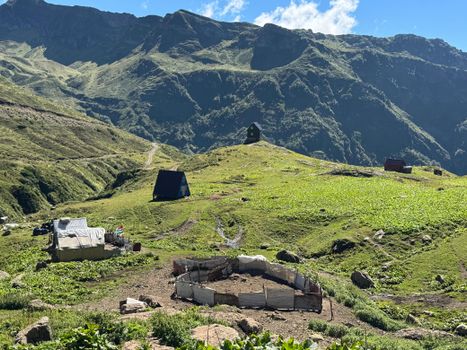
Imagine hiking through crisp mountain air, the scent of pine and wild herbs filling your lungs. You arrive at a rustic malga (alpine hut) or an agriturismo nestled on a sun-drenched slope, and a meal made from ingredients you just walked past awaits. This is the magic of mountain farm-to-table.
Where to Go:
The Dolomites, Italy, are a prime example. These majestic peaks aren't just for skiing and hiking; they're home to a vibrant agritourism scene. Many malghe are working farms, producing their own cheeses, cured meats, and growing hardy vegetables and herbs.
My Experience:
I vividly recall stumbling upon Agriturismo Malga Pralongia near Corvara. After a strenuous morning hike, the thought of anything but a sad granola bar was a dream. But then, the aroma hit me: woodsmoke, simmering stews, and freshly baked bread. I sat on a wobbly wooden bench overlooking the valley, the golden hour light painting the peaks in hues of orange and pink. The meal? Casunziei (beetroot-filled pasta) with melted butter and poppy seeds, made with beets from their garden, followed by a platter of their own aged cheeses and speck (cured ham). The chef, a woman with a kind smile and calloused hands, brought over a glass of local wine and shared stories of her family's generations-long connection to the land. It was simple, hearty, and utterly unforgettable. The entire multi-course meal, including wine, was around €35-50 – an absolute steal for the experience.
Practical Tips:
* Research "Agriturismo" or "Malga": These terms are key in Italy and other alpine regions for finding farm stays and restaurants.
* Be Prepared to Hike: Many of the best spots require a scenic trek. Wear appropriate footwear!
* Check Opening Hours: Remote places often have limited seasons or specific meal times.
* Learn Basic Phrases: A few words in Italian, German (in South Tyrol), or French can go a long way.
Coastal Charms & Ocean's Bounty: Where Land Meets Sea
The ocean provides, and the land complements. Coastal remote farm-to-table experiences fuse the freshest seafood with produce nurtured by salty air and unique microclimates. Think seaweed-infused bread, herbs that thrive in sandy soil, and vegetables enriched by ancient volcanic earth.
Where to Go:
The Azores, Portugal, are an archipelago of volcanic islands in the Atlantic, a true paradise for this kind of dining. Here, the rich volcanic soil yields incredible produce, while the surrounding ocean teems with life. Another fantastic option is the Isle of Skye, Scotland, where small crofts (traditional Scottish farms) grow hardy vegetables and raise livestock, complementing the incredible seafood.
My Experience (Azores):
On São Miguel, the largest Azorean island, I spent a day at a small family-run farm and restaurant called Quinta dos Sabores. Nestled amidst lush greenery, overlooking the dramatic coastline, it felt like stepping into a secret garden. The menu changes daily, based on what's harvested from their extensive gardens and what the local fishermen bring in. My meal started with limpets grilled with garlic butter (caught that morning!), followed by freshly caught parrotfish served with sweet potato and collard greens, all grown on site. The flavors were clean, vibrant, and incredibly fresh. The owner, a jovial man named Jorge, gave us a tour of his farm, explaining how the volcanic soil and constant moisture contributed to the intense flavors of his produce. A four-course dinner here, including their homemade wine, was about €60-80.
Practical Tips:
* Embrace the Catch of the Day: Don't expect a fixed menu. Be adventurous and trust the chef's recommendations.
* Seasonality is Key: Seafood availability fluctuates. Go with an open mind.
* Look for "Zero Kilometer" or "Local Sourcing": These phrases indicate a commitment to local ingredients.
Desert Oases & Indigenous Roots: Ancient Flavors Reimagined
In arid landscapes, where life itself is a testament to resilience, farm-to-table takes on a whole new meaning. It’s about adapting, preserving ancient knowledge, and celebrating ingredients that thrive in challenging conditions. These experiences often have deep cultural and historical significance.
Where to Go:
The American Southwest, particularly areas bordering Indigenous lands, offers profound opportunities. Think about places around the Navajo Nation in Arizona/New Mexico or remote areas of Southern Utah. Similarly, the Atlas Mountains of Morocco provide a glimpse into Berber culinary traditions.
My Experience (Southwest):
While researching a story on sustainable agriculture, I visited a small, community-run farm near Tesuque Pueblo, New Mexico. It wasn't a restaurant in the traditional sense, but a pop-up dinner experience organized by a local collective. We sat around a long communal table under a canopy of stars, the desert air cool and fragrant. The meal was a revelation: blue corn tamales, squash blossoms stuffed with local cheeses, roasted prickly pear salad, and tender elk stew. Each dish was prepared using traditional Pueblo cooking techniques and ingredients, many of which had been cultivated for centuries. The elders shared stories of their ancestors, their connection to the land, and the importance of preserving these ancient foodways. It wasn't about price (it was a donation-based event, but similar experiences might range $75-150 for a multi-course dinner), but about the invaluable cultural exchange.
Practical Tips:
* Seek Out Cultural Centers & Indigenous Tours: These are often the best ways to find authentic, respectful food experiences.
* Respect Local Customs: Always be mindful and respectful of the communities you visit.
* Look for Unique Ingredients: Prickly pear, mesquite, blue corn, specific chile varieties – these are hallmarks of desert cuisine.
Jungle Feasts & Tropical Delights: A Symphony of Flavors
The jungle, with its incredible biodiversity, is a natural pantry. Here, farm-to-table experiences often revolve around eco-lodges and permaculture farms, showcasing exotic fruits, spices, cacao, and coffee, all grown within arm's reach.
Where to Go:
Costa Rica is a leader in eco-tourism and boasts numerous lodges with on-site farms. Bali, Indonesia, particularly away from the main tourist hubs, offers incredible experiences amongst rice paddies and spice plantations.
My Experience (Costa Rica):
My aforementioned transformative experience in the Talamanca mountains was at Finca Luna Nueva Lodge, near La Fortuna. This place is a living, breathing permaculture farm. During my stay, I participated in a farm tour where we tasted cacao straight from the pod, learned about medicinal plants, and harvested some of the vegetables that would be on our dinner plates that evening. The food was vibrant, fresh, and bursting with tropical flavors – think plantain patties, heart of palm salad, chicken in a rich, spicy sauce, and fresh fruit juices. They even make their own chocolate! A stay here, including meals, can range from $150-300+ per night, but the dining experience itself, if you visit for a meal, is usually around $30-50 per person.
Practical Tips:
* Look for Eco-Lodges with "On-Site Farms" or "Permaculture Gardens": This is a strong indicator.
* Embrace Cooking Classes: Many jungle lodges offer hands-on cooking experiences where you learn to prepare local dishes using freshly harvested ingredients.
* Be Open to New Flavors: Tropical cuisine often features unique spices and ingredients you might not encounter elsewhere.
The Art of Finding Your Own Remote Feast: Practical Advice
So, how do you unearth these incredible, off-the-beaten-path culinary treasures? It takes a bit of savvy, a dash of adventure, and a willingness to step outside your comfort zone.
- Go Beyond Google Maps: While a good starting point, truly remote places often aren't well-listed. Zoom in on satellite view – look for cultivated fields adjacent to small buildings, or ask locals.
- Utilize Specific Search Terms: Instead of just "farm-to-table [country]," try "agriturismo [region]," "slow food [area]," "eco-lodge with farm," "community-supported agriculture restaurant," or "local food experience [remote town]."
- Consult Local Tourist Boards & Blogs: Smaller, regional tourist offices often have a better pulse on hyper-local businesses. Look for local foodie blogs or travel guides focusing on sustainable or rural tourism.
- Ask Locals (Politely!): Once you're in a region, strike up conversations. Ask your guesthouse owner, a shopkeeper, or a guide where they eat the best local food. This is often the golden ticket.
- Look for Certifications/Networks: Organizations like the Slow Food movement often highlight small, sustainable producers and eateries.
- Be Flexible & Book Ahead: These are often small operations. Menus change based on what's available, and reservations are usually essential, sometimes weeks in advance. Don't expect walk-ins.
- Embrace the Rustic: These aren't Michelin-starred establishments (though the food often rivals them!). Expect simple, authentic settings, wobbly tables, and a focus on flavor over fuss.
- Support Local: These experiences directly support small farmers and communities. Be generous with your patronage and your praise.
- Budget Considerations: Prices can vary wildly. Some experiences might be surprisingly affordable (e.g., a simple meal at a family farm), while others, especially exclusive tasting menus at eco-lodges, can be a significant splurge (e.g., $50-150+ per person for a multi-course dinner).
Beyond the Plate: The Full Experience
What makes these remote farm-to-table experiences truly blow your mind isn't just the food itself, as incredible as it is. It's the entire sensory and emotional journey:
- The Scenery: Eating with a backdrop of snow-capped mountains, a shimmering ocean, or a dense jungle canopy. These are the Instagram moments that transcend filters.
- The Stories: The conversations with the people who grow, harvest, and prepare your food. Hearing about their passion, their struggles, and their triumphs is profoundly moving.
- The Education: Learning about sustainable practices, indigenous foodways, and the intricate relationship between humans and nature.
- The Quiet: Stepping away from the noise of modern life and truly savoring each moment, each flavor.
- The Connection: Feeling truly connected to the land, the culture, and the food in a way that's impossible in a typical restaurant setting.
This is travel that nourishes not just your body, but your soul. It's about tasting the world in its purest, most authentic form. It's about creating memories that linger long after the last bite.
Are You Ready to Taste the World?
These remote farm-to-table experiences aren't just meals; they're adventures, lessons, and profound connections waiting to be made. They challenge our perceptions of food, inspire us to eat more consciously, and leave us with a deeper appreciation for the planet and its incredible bounty.
So, the next time you plan a trip, consider venturing off the well-trodden path. Seek out the hidden farms, the mountain huts, the coastal gems, and the jungle lodges that are redefining what it means to eat "farm-to-table." Your taste buds (and your soul) will thank you.
Have you experienced a mind-blowing remote farm-to-table meal? Share your stories and recommendations in the comments below! And don't forget to tag #TripsoraEats and #RemoteFeasts on your Instagram adventures!
---