The Uncharted Plate: Discovering Farm-to-Table Gems Before the Crowds Arrive
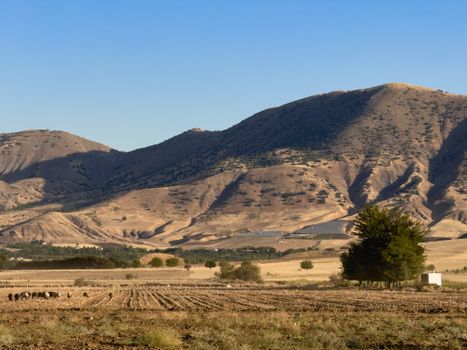
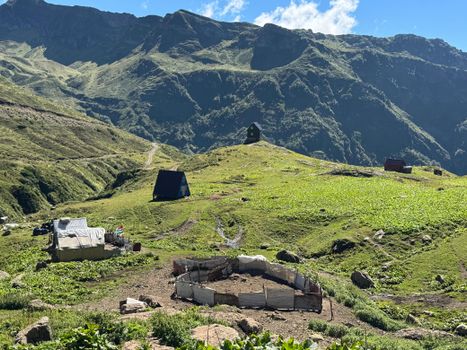
I remember it like it was yesterday: the crisp mountain air, the scent of woodsmoke mingling with thyme, and the sound of distant cowbells echoing through the valley. I was deep in the heart of the Andorran Pyrenees, far from any major town, perched at a rustic wooden table outside a tiny stone masia. The sun dipped behind jagged peaks, casting long shadows as a plate arrived before me. It wasn't fancy – a simple bowl of trinxat, a local dish of potato, cabbage, and bacon, but it was unlike anything I'd ever tasted. The potatoes had a deep, earthy sweetness, the cabbage was vibrant, and the bacon, cured just meters away, practically melted on my tongue. The farmer, a man with hands like gnarled oak, watched me with a quiet smile, his eyes reflecting the satisfaction of someone who truly knows where their food comes from.
That moment wasn't just a meal; it was a revelation. It sparked an obsession: finding these raw, authentic farm-to-table experiences in the world's most remote corners, long before they get discovered by glossy magazines and Instagram influencers. We all love a good food trend, but there's an unparalleled magic in being a pioneer, in tasting flavors unique to a specific microclimate, prepared by generations of local wisdom. It’s about more than just eating; it’s about connecting, learning, and truly understanding the journey from soil to plate.
Are you ready to trade the bustling city bistro for a barn-side banquet? To swap Michelin stars for starlit skies and the genuine warmth of a family farm? If so, pack your sense of adventure (and an empty stomach!), because we’re diving deep into the world of undiscovered farm-to-table magic.
Why Go Off-Grid for Your Next Meal? The Irresistible Pull of Authenticity
In an increasingly globalized world, finding truly unique experiences can feel like searching for a needle in a haystack. Mainstream farm-to-table has become a buzzword, often meaning a restaurant sources "locally" from a broad region, perhaps even through a distributor. While commendable, it often lacks the direct, intimate connection that defines a truly remote, authentic experience.
Going off-grid for your next meal offers a treasure trove of benefits:
- Unparalleled Authenticity: You're not just eating local; you're often eating hyper-local. Ingredients are harvested hours, not days, before they reach your plate, often from the very fields you can see from your dining spot. This means flavors are at their absolute peak, bursting with freshness you simply can't replicate.
- Deep Cultural Immersion: These experiences are often intertwined with local traditions, cooking methods, and stories passed down through generations. You're not just a customer; you're a guest, invited into a family's culinary heritage.
- Support Local, Truly Local: Your patronage directly benefits small-scale farmers, artisans, and their communities, helping to preserve traditional farming practices and rural livelihoods against the tide of industrial agriculture.
- A Sense of Discovery: There's an undeniable thrill in finding a place that few others know about. It transforms a meal into an adventure, a story you'll be eager to share (but maybe only with your closest, most trusted fellow food explorers!).
- Sustainable & Ethical Eating: By connecting directly with producers, you gain transparency into how your food is grown. These remote farms often operate with deeply sustainable practices, respecting the land and its resources out of necessity and tradition.
- Escape the Crowds: Let's be honest, sometimes you just want to enjoy incredible food without the noise, the reservations, and the pressure. Remote dining offers tranquility and a chance to truly savor the moment.
The Art of Discovery: How to Unearth These Hidden Culinary Havens
So, how do you find these elusive, off-the-beaten-path culinary gems before they land on every "Top 10" list? It requires a bit more effort than a Google search, but that's part of the adventure!
- Befriend the Locals (Seriously): This is my number one tip. Once you arrive in a region, strike up conversations. Talk to your guesthouse owner, the person running the small village shop, the local bartender. Ask them where they eat, where their family gets their produce, if they know any farms that offer meals. Often, these experiences aren't advertised online.
- Niche Travel Blogs & Forums: Look for blogs focusing on "slow travel," "agri-tourism," or specific remote regions. Forums dedicated to backpacking or rural travel can also yield incredible, insider tips.
- Small, Independent Guesthouses & B&Bs: These establishments, especially those focused on sustainability or local experiences, are often connected to nearby farms and can arrange visits or meals. They act as invaluable intermediaries.
- Local Tourism Boards (The Tiny Ones): Forget the national tourism giants. Look for hyper-local tourism offices for specific valleys, islands, or districts. Their websites (if they have them!) or physical offices might list small, family-run operations.
- Social Media Diving (Carefully): While I advocate for places before they go viral, you can use social media for discovery. Search very specific hashtags like #AndorraFarmToTable, #AzoresLocalFood, #HokkaidoFarmStay, or even local language hashtags. Look for posts with few likes but authentic-looking content.
- Word-of-Mouth, Old School: If you know someone who’s traveled extensively in a particular region, ask them for their most memorable, obscure food experiences. Travelers who truly go off-grid are often the best source.
- Be Adventurous and Open: Sometimes, you just stumble upon them. A sign on a dirt road, an invitation from a friendly local, a small market stall that leads to a conversation. Keep your eyes and mind open!
Remember, these places often operate on a small scale. Be prepared for a lack of formal booking systems, potentially limited language options, and menus dictated by what's fresh and available that day. This unpredictability is precisely what makes it so special.
My Top Picks for Pioneering Palates (and How to Get There!)
Over the years, I've been fortunate to uncover some truly extraordinary farm-to-table experiences. Here are a few that still make my taste buds tingle, offering a glimpse into the magic that awaits.
1. The Andorran Pyrenees: A Shepherd's Feast in the Ordino Valley
My initial spark, the Andorran Pyrenees, remains a favorite for its rugged beauty and surprisingly rich culinary traditions. While Andorra is a small country, its high mountain valleys hide centuries-old farming practices.
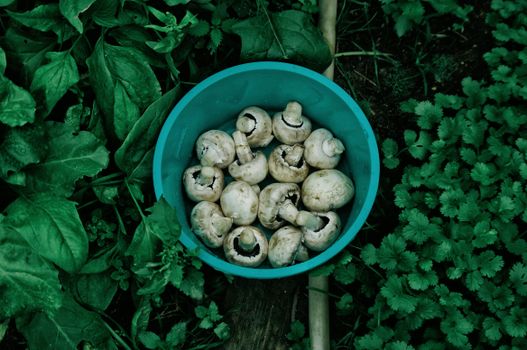
- The Experience: My most memorable meal was at Masia Can Font (not a formal restaurant you'd find online, but a family farm that occasionally hosts guests by prior arrangement) deep in the Ordino Valley. I found it through my guesthouse owner in La Cortinada. The meal was an ode to the mountains: slow-cooked lamb stew with wild mushrooms foraged that morning, a robust escudella (a hearty meat and vegetable soup), and the aforementioned trinxat. Everything was cooked over an open fire, and the cheese board featured incredible, pungent sheep and goat cheeses made right on the farm. We drank local red wine, strong and honest, and finished with a dense, honey-sweetened walnut cake. The farmer, Marc, and his wife, Elena, shared stories of their family's history on the land, of harsh winters and bountiful summers.
- Getting There: Andorra is accessible by bus from Barcelona or Toulouse. To reach the Ordino Valley, you'll need a local bus or taxi, or ideally, rent a car for flexibility. For a genuine farm experience like Can Font, you must arrange it through a local contact (like a small hotel or B&B owner) well in advance, as they don't typically advertise. Expect to pay around €40-€60 per person for a multi-course meal, including drinks, a truly fair price for the quality and experience.
- Instagram Moment: The sight of the Pyrenees peaks at sunset, a rustic wooden table laden with steaming, homemade food, and Marc's weathered hands pouring a glass of local wine. #AndorraHiddenGems #PyreneesFood #MountainFarmToTable
2. The Azores, Portugal: Volcanic Flavors & Ocean Bounty on São Miguel
The Azores, nine volcanic islands in the mid-Atlantic, are a paradise for unique culinary adventures. While the islands are gaining popularity, truly remote farm-to-table experiences still exist, especially away from the main towns.
- The Experience: On São Miguel, the largest island, the most iconic dish is Cozido das Furnas, a stew slow-cooked for hours in underground volcanic vents. While many restaurants offer it, finding a family-run quinta (farm estate) that prepares it and sources their own vegetables takes effort. I found Quinta da Paciência near Furnas, a small, multi-generational farm that not only grows its own produce but also raises some of the meat used in their cozido. They offered a private lunch experience where we helped retrieve the pot from the earth, then enjoyed the incredibly tender meat and flavorful vegetables, accompanied by their homemade bread, local cheeses, and fresh pineapple from their greenhouse. The volcanic mineral water on the island adds a unique taste to everything.
- Getting There: Fly directly to Ponta Delgada (PDL) on São Miguel. Renting a car is essential for exploring the island's remote corners. To find a private farm experience like Quinta da Paciência, inquire at local guesthouses in the Furnas area or ask for recommendations at farmers' markets. Expect to pay around €30-€50 per person for a farm-cooked cozido experience, often including a tour of the farm.
- Instagram Moment: The steam rising from the ground as the cozido pot is pulled out, a vibrant plate of slow-cooked goodness, and the lush, green volcanic landscape as your backdrop. #AzoresFood #VolcanicCuisine #SaoMiguelEats #QuintaLife
3. Rural Hokkaido, Japan: A Taste of Untamed Wilderness & Dairy Dreams
Hokkaido, Japan's northernmost island, is renowned for its vast wilderness, dairy farms, and exceptional produce. While Sapporo and Hakodate are popular, venturing into the central and eastern regions reveals a different side of Japanese cuisine: one rooted in the land.
- The Experience: My most unique experience was a "Wild Harvest" lunch near the town of Biei, known for its rolling hills and flower fields. I stayed at a small minshuku (family-run Japanese inn) called Fukui-ya, which emphasized local ingredients. The owner arranged for me to join a local guide for a morning of foraging for wild mountain vegetables (sansai) like fuki (butterbur) and kogomi (ostrich fern), and edible mushrooms. We then returned to a small, rustic cabin owned by a local dairy farmer, Mr. Tanaka, who prepared a simple but exquisite meal: grilled fresh scallops and locally caught river fish, a vibrant salad of our foraged greens with a sesame dressing, and creamy, homemade Hokkaido butter served with crusty bread from a nearby artisan bakery. The highlight was a bowl of freshly churned ice cream made from Mr. Tanaka's own cows' milk – incredibly rich and pure. The respect for nature and the quality of the ingredients were profound.
- Getting There: Fly to Sapporo (CTS), then take a train or rent a car to areas like Biei, Furano, or Tokachi. To find experiences like the Wild Harvest lunch, contact small minshuku or ryokan in rural areas directly, mentioning your interest in local food and foraging. They often have connections with local farmers and guides. Prices can vary widely, but expect to pay ¥5,000-¥10,000 (approx. $35-$70 USD) for a guided foraging and farm-cooked meal.
- Instagram Moment: Your hands holding freshly picked wild vegetables, a rustic Japanese meal spread on a low table overlooking green fields, and a close-up of that unbelievably creamy Hokkaido ice cream. #HokkaidoFoodie #JapanFarmStay #WildForaging #BieiEats
Beyond the Plate: Immersive Experiences That Feed the Soul
These remote farm-to-table adventures often extend far beyond just the meal itself. They offer opportunities for deeper engagement that transform a simple trip into a truly transformative journey.
- Farm Stays: Many of these small farms also offer accommodation. Staying on a working farm allows you to wake up to the sounds of nature, participate in daily chores (if you wish!), and truly understand the rhythm of agricultural life. Imagine milking a cow, gathering eggs, or helping with the harvest before enjoying a meal made from those very ingredients.
- Cooking Classes with Locals: Learn traditional recipes directly from the source. These aren't polished, professional classes but often informal, hands-on sessions in a home kitchen, where you learn not just techniques but also the stories behind the dishes.
- Foraging and Harvesting Tours: Join a farmer or local guide to learn about edible plants, mushrooms, or berries in the surrounding wilderness. Understanding what grows naturally in an area deeply enriches your appreciation for the local cuisine.
- Meet the Makers: Take the time to chat with the farmers, cheesemakers, bakers, and winemakers. Their passion, knowledge, and connection to the land are often the most memorable parts of the experience.
These immersive activities foster a profound appreciation for food, nature, and human connection. They are the stories you'll tell for years to come.
Practical Tips for the Pioneer Palate
Embarking on a journey to find these hidden culinary gems requires a bit of preparation and an open mind. Here are some actionable tips:
- Book Directly & In Advance (But Be Flexible): Formal online booking systems are rare. You'll likely communicate via email, phone, or through a local contact. Book well in advance, especially if you have specific dates, but also be prepared for menus to shift based on what's available seasonally.
- Learn Basic Local Phrases: A few words in the local language (hello, please, thank you, delicious, farm, food) go a very long way. It shows respect and can open doors to incredible interactions. Google Translate is your friend!
- Cash is King: Many remote farms or small family operations may not accept credit cards. Always carry enough local currency.
- Embrace the Unpredictable: The beauty of these experiences is their authenticity. Don't expect a perfectly curated, identical experience every time. The weather, the harvest, and the farmer's mood can all influence the day. Lean into it!
- Dress Appropriately: You might be walking through fields, sitting on rustic benches, or near an open fire. Leave the fancy clothes at home; sturdy shoes and comfortable layers are best.
- Be a Respectful Guest: Remember, you're often being welcomed into someone's home or livelihood. Be polite, ask questions, offer to help (if appropriate), and show genuine interest. Clean up after yourself.
- Consider Your Transport: Remote means remote. Public transport might be limited or non-existent. Renting a car, hiring a local driver, or arranging transport with your accommodation provider might be necessary.
- Inform About Dietary Restrictions (Carefully): While many will try to accommodate, these are not large-scale restaurants. Communicate any severe allergies clearly and well in advance, but be prepared that options might be limited compared to urban eateries.
- Capture, But Don't Over-Share (Initially): Take beautiful photos, soak in the moment. Share them with your friends and family. But for truly hidden gems, consider if broadcasting the exact location to the masses is in the spirit of keeping it "before mainstream." A delicate balance for a travel blogger, I know!
The Next Frontier of Flavor Awaits
The world is full of incredible, untouched culinary experiences waiting to be discovered. These remote farm-to-table adventures offer more than just a meal; they offer a chance to slow down, connect with the land, and taste the true essence of a place. They are a testament to the enduring power of tradition, hard work, and the simple joy of sharing good food.
So, ditch the guidebooks that list the same old spots. Take a chance, follow a local lead, and venture off the beaten path. You might just find your most memorable meal yet, a story waiting to be told, and a connection to the world that nourishes your soul as much as your stomach.
Have you stumbled upon a hidden farm-to-table gem in your travels? Share your experiences (without giving away all the secrets, of course!) in the comments below! Let's inspire each other to explore the uncharted plates of the world.
---