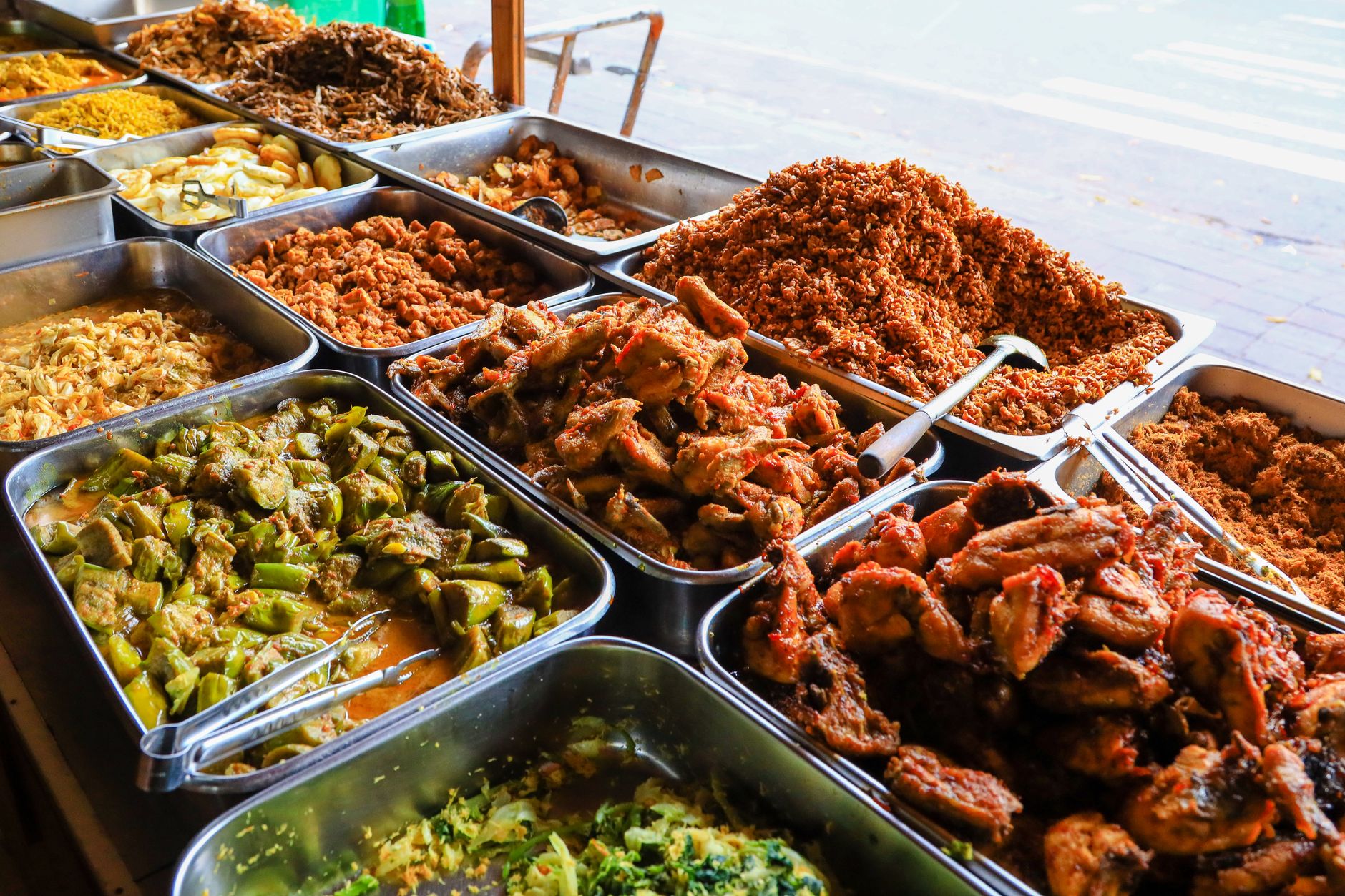
Food is one of the best reasons to travel, and one of the easiest places to get confused. A dish that looks like a pudding turns out to be fish. A pretty cake is made of bread and prawns. A swirl that looks like soft ice cream is whipped cheese. Instead of listing countries, this guide groups savory lookalikes into five families based on what they resemble, then provides a practical toolkit for ordering, handling allergies and bringing a few ideas home to your kitchen.
Descriptions are general, since every cook has their own recipe, and some details change by region and season. Use them to guide your curiosity, not as strict definitions.
Family one: the custards and puddings
These dishes have a smooth, wobbly, spoonable texture and often arrive in small cups or ramekins.
- Chawanmushi is a Japanese steamed egg custard flavoured with dashi stock, often hiding mushroom, chicken or seafood.
- Savory flans appear in Spanish and Latin American cooking, made with vegetables, cheese or ham in a custard base.
- Egg custards in Chinese cooking, steamed with minced pork or seafood, look like silky puddings and are eaten with rice.
- Crème-based vegetable timbales in French cuisine are baked custards moulded into neat shapes.
What to look for:
a savory aroma, a spoon rather than a dessert fork, and a place on the menu near starters or soups. If you cannot tell, ask whether it contains meat or fish, as stock is often the base.
Try it at home:
a simple steamed egg custard needs only eggs, a flavoured stock, a pinch of salt and a gentle steam. The technique is gentle heat, because high heat makes it bubbly and rough. Cover the cups to keep drips off the surface.
Family two: the cakes and loaves
Layered, sliced or moulded dishes that look like celebrations.
- Smörgåstårta, the Swedish sandwich cake, stacks bread and creamy fillings.
- Dhokla, a steamed gram-flour cake from Gujarat, is spongy and pale yellow.
- Lo bak go, the Cantonese turnip cake, is steamed then fried in slices.
- Savory cakes and cake sales in France, called cakes salés, are loaf cakes baked with olives, cheese or ham and sliced at picnics and aperitifs.
- Meat loaves and terrines, sliced neatly and decorated, look like cakes at a buffet.
What to look for:
visible chunks of vegetables, herbs, olives or cheese, and a lack of glaze or sugar dust.
Try it at home:
a French-style savory loaf is forgiving. Mix flour, baking powder, eggs, oil, milk and grated cheese, then fold in olives or ham. Bake until golden and serve in slices with a salad.
Family three: the pastries and puffs
Pastry techniques are shared by sweet and savory kitchens, which means lots of lookalikes.
- Gougères are cheese-flavoured choux puffs from Burgundy.
- Bastilla is a layered Moroccan pie, savory with a dusting of sugar and cinnamon.
- Börek is a family of filled filo pastries from Turkey and the Balkans.
- Empanadas are filled turnovers across Latin America.
- Cornish pasties and pies are baked hand pies with rich fillings.
- Pão de queijo are chewy cheese breads from Brazil.
What to look for:
egg wash and sesame seeds, herb flecks, and cheese on the surface. Many bakeries label savory items, but if not, ask.
Try it at home:
choux pastry is easier than it looks. Cook water, butter and flour into a paste, beat in eggs, fold in grated cheese and bake. The puffs rise because of steam, so avoid opening the oven door early.
Family four: the swirls, scoops and spreads
Whipped, creamy foods that resemble frosting or ice cream.
- Whipped feta and labneh are tangy, creamy and served with olive oil.
- Hummus, swirled in a bowl and topped with chickpeas and paprika, resembles a cloud of buttercream.
- Brandade, a creamy purée of salt cod and olive oil from southern France, looks like mashed potato or whipped cream.
- Pâtés and mousses are served in neat slices or quenelles that can look like ice cream scoops.
- Tzatziki and other yoghurt dips are pale, creamy and savory with garlic and herbs.
What to look for:
a bread basket or a plate of vegetables nearby, olive oil or herbs on top, and the scent of garlic or lemon.
Try it at home:
whipped feta is a good starting point. Blend feta with yoghurt or cream cheese and a little lemon juice until smooth. Serve with warm bread and cucumbers.
Family five: the dumplings and rice cakes
Soft, white, chewy shapes that look like mochi, steamed buns or sweet dumplings.
- Baozi, Chinese steamed buns, can be filled with pork, vegetables or sweet paste.
- Momo are Himalayan dumplings filled with meat or vegetables and served with spicy sauce.
- Gnocchi are Italian dumplings made from potato or semolina, which can resemble pastry pillows.
- Zongzi are sticky rice parcels wrapped in leaves. Some are sweet, many are savory with pork, egg yolk or mushrooms.
- Tteok are Korean rice cakes, which can be savory or sweet.
- Savory mochi preparations in Japan, for instance grilled rice cakes with soy sauce and seaweed.
What to look for:
sauces, broth or dipping bowls. Sweet versions tend to be dusted with sugar, coated in nut powder or served with tea.
Try it at home:
dumpling wrappers are available in many shops, so you can focus on the filling, such as minced pork, ginger, chives and a splash of soy.
The ordering toolkit
You now know the families. Here is how to apply that knowledge at a table or counter.
- Use the sweet-or-savory question. A few useful phrases, offered as general guidance:
- Spanish: ¿Es dulce o salado?
- French: C'est sucré ou salé ?
- Italian: È dolce o salato?
- German: Süß oder herzhaft?
- Japanese: Amai desu ka? (Is it sweet?)
- Ask what it is made of. Even without language skills, you can point and make a questioning face, or use a translation app with the camera.
- Check the setting. Is it a bakery, a restaurant or a bar? Are the other customers eating it with a main dish?
- Order a small amount first. One piece or a half portion gives you a chance to taste before committing.
- Keep an open mind. Not every unexpected flavour will be your favourite, and that is fine.
Handling allergies and dietary needs
Lookalike dishes present extra risk because they hide their contents. A little preparation helps.
- Write down your allergies in the local language. Use a reputable translation tool or card, and double-check with a native speaker if you can.
- Ask about stocks and sauces. Fish sauce, bonito, lard and shellfish extracts appear in unexpected places.
- Be cautious with fried foods. Shared oil may contain traces of allergens.
- Avoid assumptions about vegetarian status. In some cuisines, vegetables may be cooked with meat stock.
- Carry your medication. If you have a severe allergy, carry prescribed emergency medication and know the local emergency number.
This is general information, not medical advice. Talk to a doctor or allergy specialist about your own needs before travelling.
Cultural notes on sweet and savory
The line between sweet and savory is cultural, not natural. Many cuisines happily blur it.
- Moroccan bastilla combines sugar, cinnamon and meat.
- Some Chinese and Japanese dishes use sweet glazes or sugar as a seasoning.
- Mexican mole sauces may include chocolate, though they are not desserts.
- In Britain, mince pies once contained meat, and some still use suet.
- In Scandinavia, sweet-and-salty combinations such as salted liquorice are loved.
So if a dish seems confusing, it may simply belong to a tradition that does not draw a hard line between categories.
Making the most of food markets and bakeries
- Visit in the morning for the freshest selections.
- Go with a friend so you can share and sample.
- Look for places with a steady line of locals.
- Bring small bills and a reusable bag.
- Learn the name of one or two items you enjoyed, so you can order them again.
Frequently asked questions
How can I tell if a pastry is sweet when there is no label?
Look at the filling if visible, smell it and watch what other customers do. If still unsure, ask.
Are savory lookalikes healthier than desserts?
Not necessarily. Many are rich in fat, salt or refined flour. Enjoy them as part of a varied diet.
Can I find these foods in my own city?
Often yes. Japanese, Indian, Turkish, Middle Eastern and Latin American restaurants and bakeries may offer many of these dishes.
What should I do if I accidentally eat something I am allergic to?
Follow your medical action plan and seek emergency help if symptoms are serious.
Summary
Savory dishes that look like desserts fall into five families: custards, cakes, pastries, swirls and spreads, and dumplings and rice cakes. Recognising the family helps you guess what is inside, and a few phrases, a bit of caution and a spirit of curiosity do the rest. Take care with allergies, ask about stocks and sauces, and consider recreating a few of these dishes at home. The next time a dessert-shaped surprise lands on your table, you will know exactly how to enjoy it.